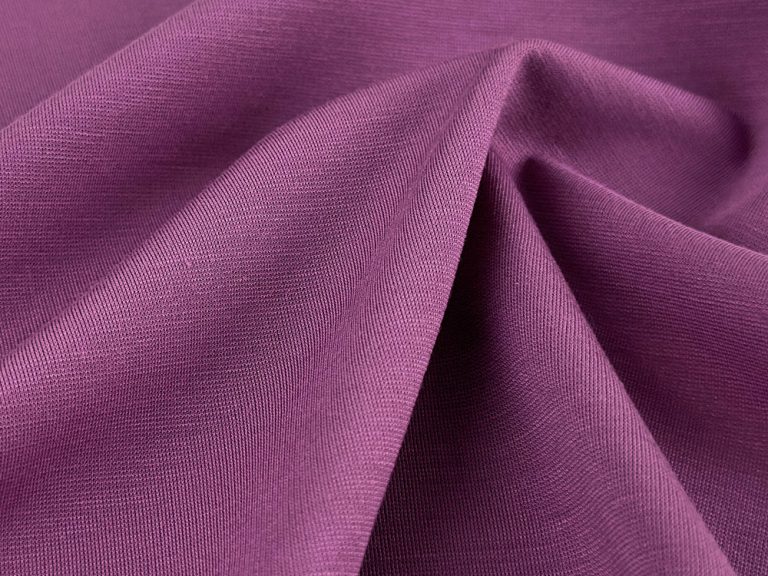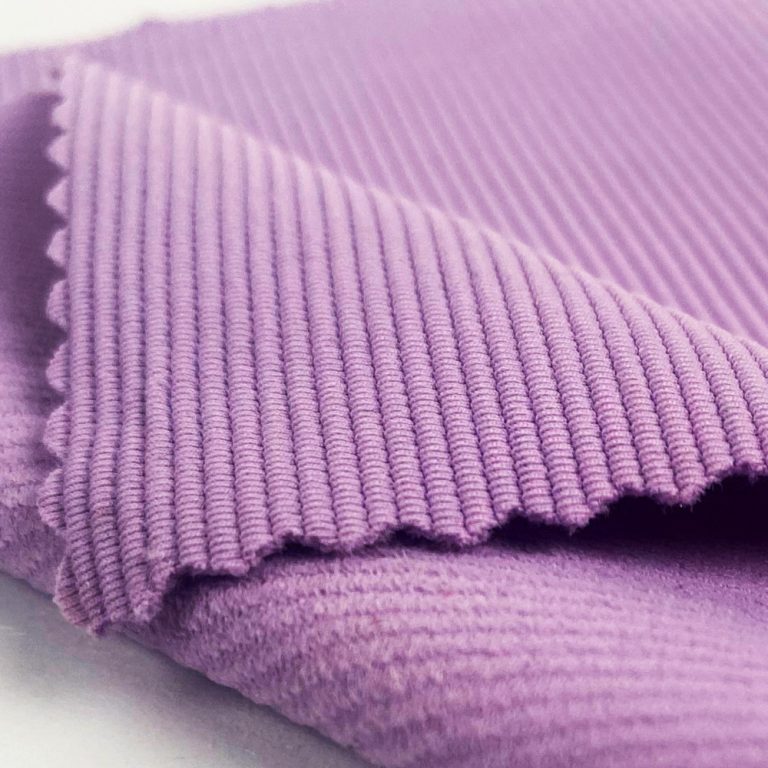
Item No.
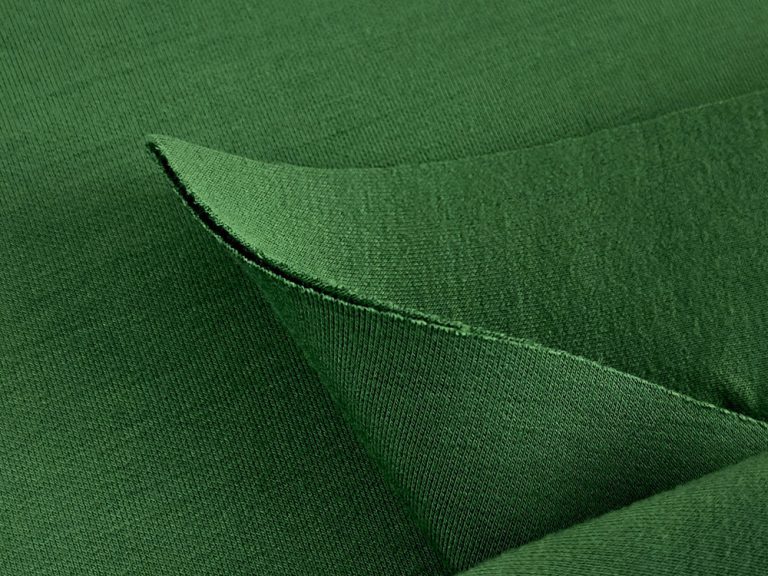
KQ32007
- Composition
- 75% viscose / 15% nylon / 10% spandex
- Weight
- 360 GSM
- Width
- 61″ (155 cm)
Knit Fabric Manufacturer Since 2009 · China

SCUBA KNIT · FABRIC SOURCING
Runtang Textile manufactures scuba (air-layer) knit fabrics for structured sweatshirts, trousers, knit jackets, dresses and shorts. Choose cotton/polyester/spandex, polyester/spandex/viscose, viscose/nylon/spandex or modal blends with a smooth, full body. Stock orders start at 1 roll (~23 kg) per colour; custom colours start at 200 kg per colour.

Scuba Knit Fabric for apparel brands, garment manufacturers and fabric sourcing teams.
Explore our online scuba knit range, backed by a library of 268 options.
Item No.
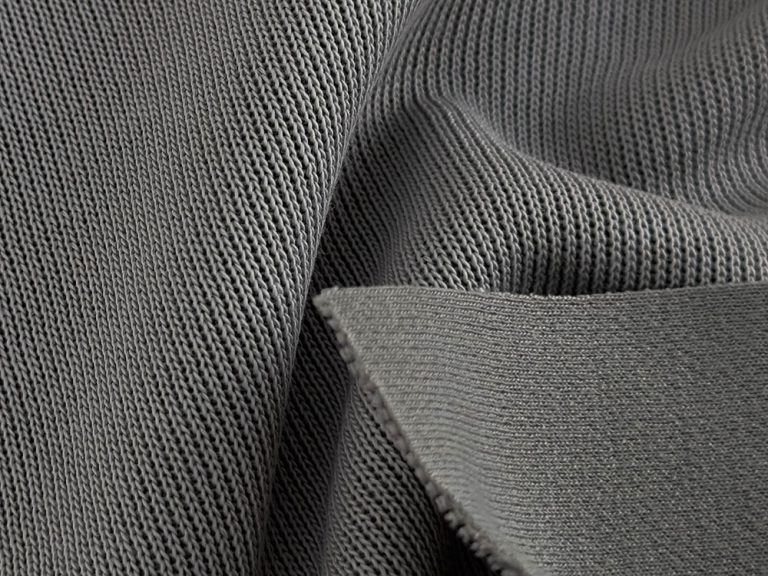
Item No.
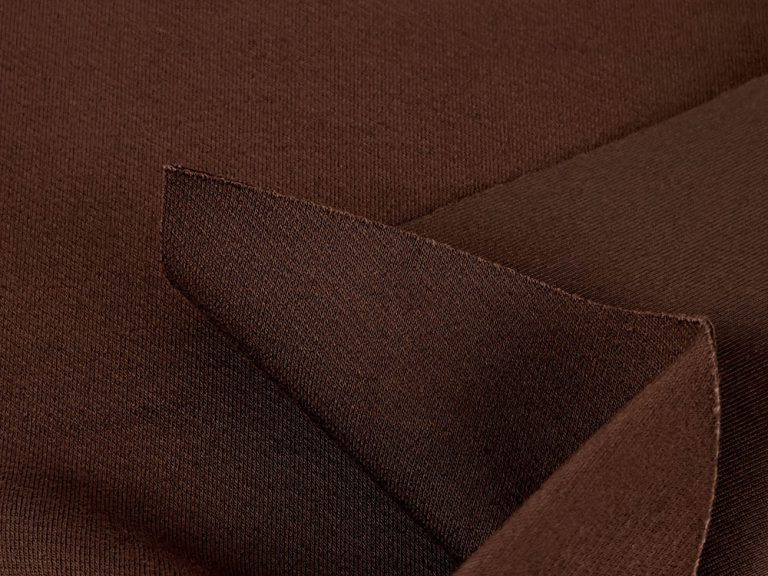
Item No.
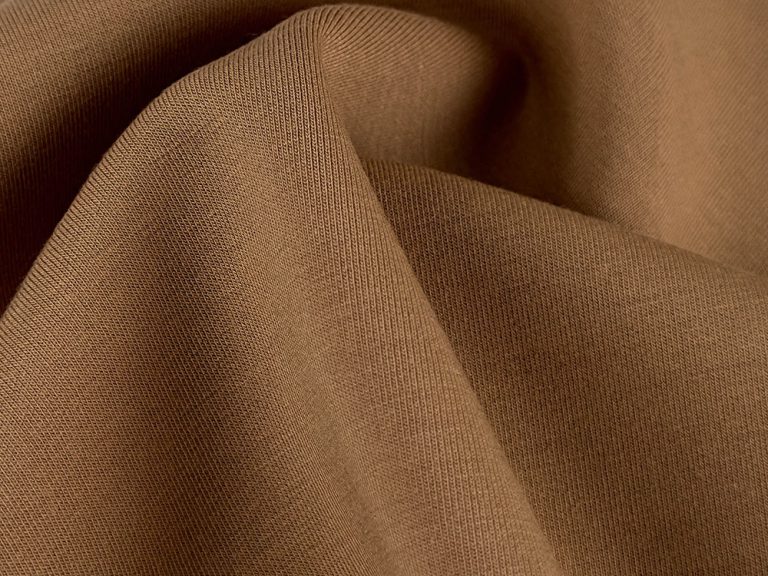
Item No.
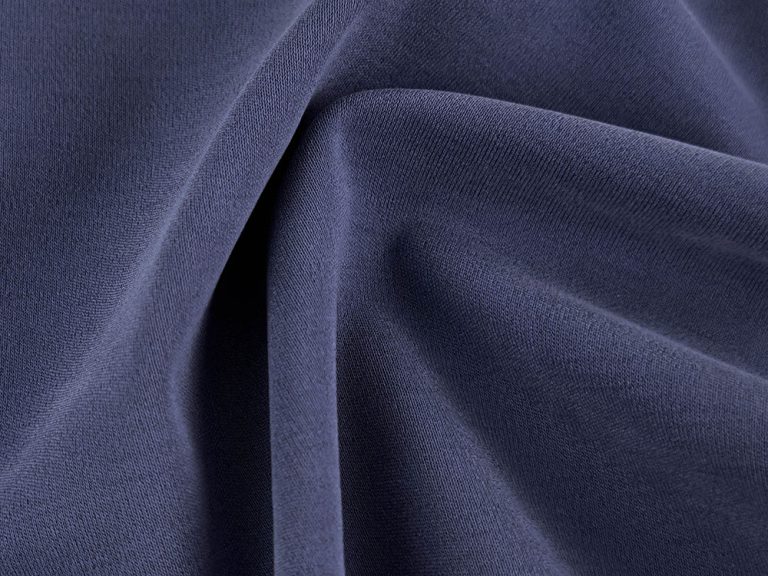
Item No.
Item No.
| Item | Composition | Weight | Width | Details |
|---|---|---|---|---|
| KQ32007 | 75% viscose / 15% nylon / 10% spandex | 360 GSM | 61″ (155 cm) | View specifications |
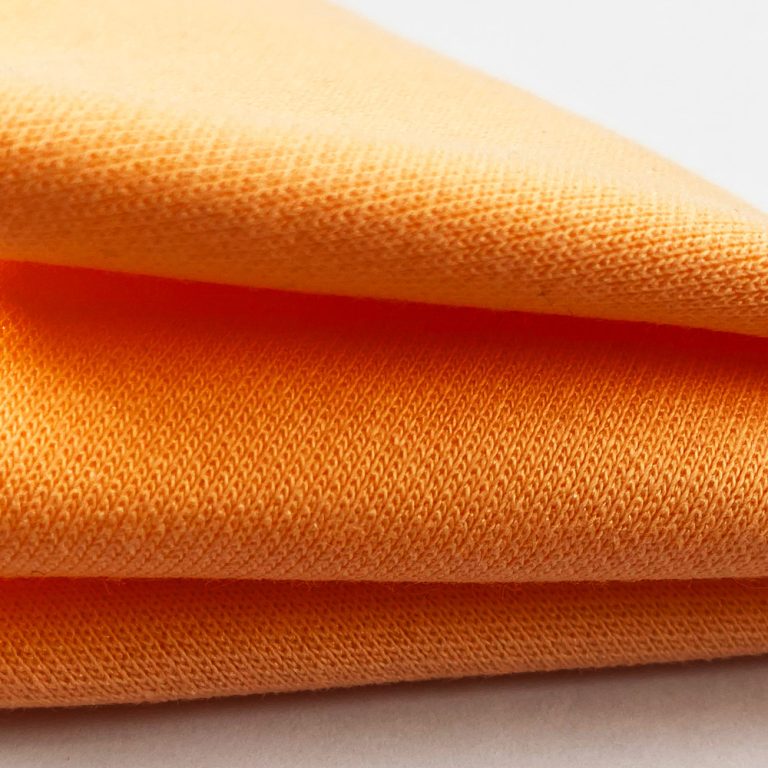
| SM21033 | 52% cotton / 48% polyester | 380 GSM | 65″ (165 cm) | View specifications |
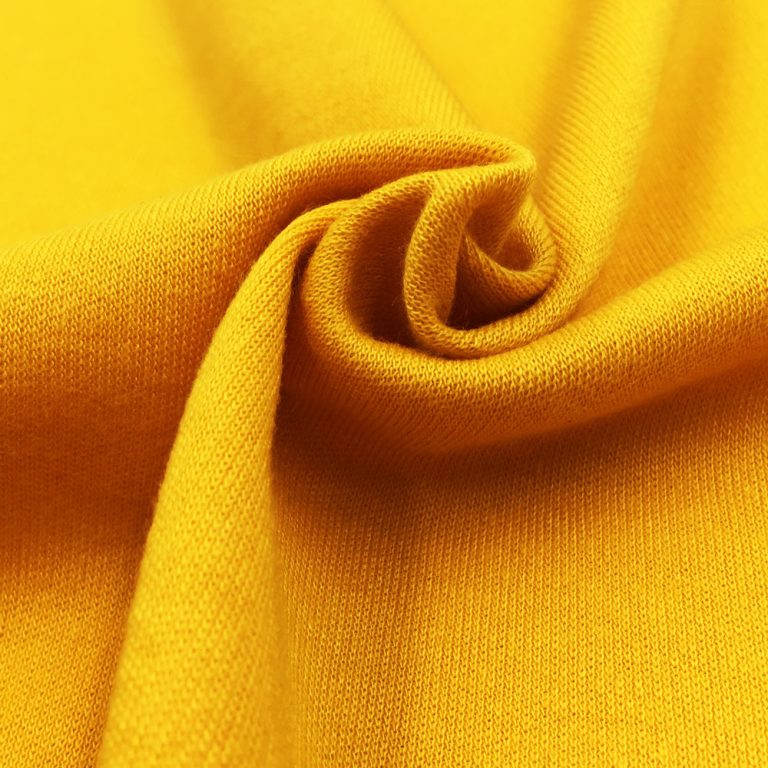
| KQ32006 | 5% wool / 31% modal / 58% polyester / 6% spandex | 400 GSM | 58.3″ (148 cm) | View specifications |
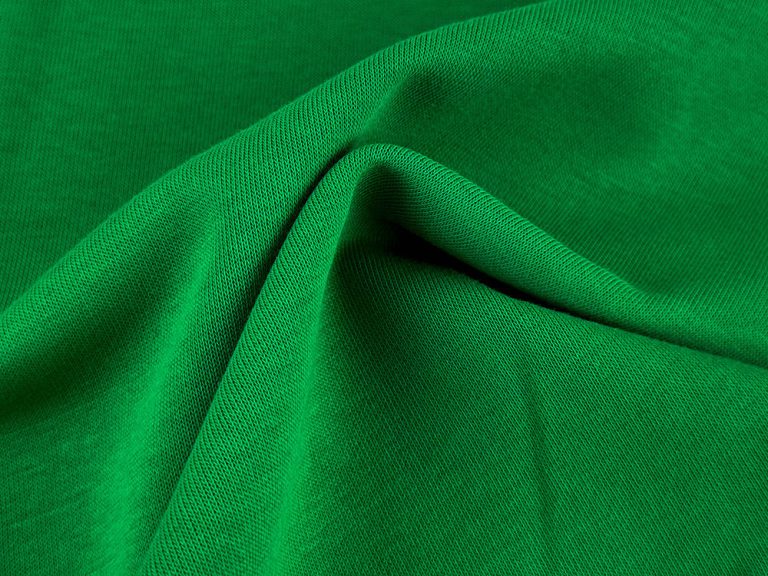
| KQ32010 | 57% nylon / 36% viscose / 7% spandex | 400 GSM | 61″ (155 cm) | View specifications |
| SM21026 | 65% modal / 30% polyester / 5% spandex | 400 GSM | 61″ (155 cm) | View specifications |
| KQ32008 | 74% viscose / 13% nylon / 13% spandex | 420 GSM | 61″ (155 cm) | View specifications |
Our fabric library includes 268 scuba knit options. Contact us for more compositions, weights and colours for your collection.
Scuba knit, also called air-layer fabric, is a double knit in which two separate faces are joined by a spacer yarn, leaving a thin layer of air between them. The result is a smooth, dense and slightly springy fabric that holds a sculpted shape, takes prints cleanly and resists creasing. Despite the name, apparel scuba is a textile knit, not the rubber neoprene used for wetsuits. In our library, most scuba weighs 260–350 GSM, and almost all of it is above 200 GSM. Cotton/polyester/spandex is the largest blend, followed by polyester/cotton/spandex, cotton/polyester and polyester/spandex/viscose. Scuba keeps sweatshirts, trousers and jackets looking crisp and structured, but it is warmer and less breathable than single-layer knits and does not drape softly.
Cotton-rich stretch scuba covers most sweatwear and trousers in our library, while viscose and modal blends add a softer, smoother face.
| Fabric type | Fabric examples | Apparel applications |
|---|---|---|
| Cotton/polyester/spandex and polyester/cotton/spandex scuba | 260–350 GSM, such as KQ32005 (53% polyester / 40% cotton / 7% spandex) at 350 GSM | Trousers, sweatshirts, knit jackets and shorts |
| Cotton/polyester scuba | 270–325 GSM, such as KF1347 (65% cotton / 35% polyester) at 300 GSM | Sweatshirts, streetwear and dresses |
| Polyester/spandex/viscose and polyester/modal/spandex scuba | 250–330 GSM, such as KQ2153 (48% modal / 48% polyester / 4% spandex) at 250 GSM | Sweatshirts, jackets and soft structured dresses |
| Viscose/nylon/spandex scuba | 310–380 GSM, such as KQ32004 (55% nylon / 36% viscose / 9% spandex) at 320 GSM | Tailored trousers and structured sweat sets |
Choose 220–300 GSM for structured T-shirts and lighter dresses, 260–350 GSM for sweatshirts, trousers, shorts and knit jackets, and 350 GSM and above for heavyweight outer layers. About two-thirds of the scuba in our library weighs 300 GSM or more.
Below 200 GSM
1 qualities
200–299 GSM
6 qualities
300 GSM and above
19 qualities
All three are firm double knits. Compare thickness, surface and how sculpted a shape each one can hold.
| Feature | Scuba Knit | Ponte Roma | Double Knit |
|---|---|---|---|
| Construction | Two faces joined by a spacer yarn | Interlock base with extra courses | Two needle sets knitting one fabric |
| Thickness and body | Thick, springy and sculptural | Firm and stable | From soft to firm, depending on structure |
| Surface | Smooth and dense | Matte with a fine horizontal line | Smooth or textured |
| Typical weights in our library | 260–350 GSM | 210–320 GSM | 220–310 GSM |
| Typical garments | Sweatshirts, trousers and jackets | Trousers, dresses and blazers | Tops, dresses, trousers and sweatwear |
Xiwen Zhang, our co-founder and CEO, recommends these scuba weights and blends for the structured pieces our customers develop most often, drawing on our knit fabric experience since 2009.
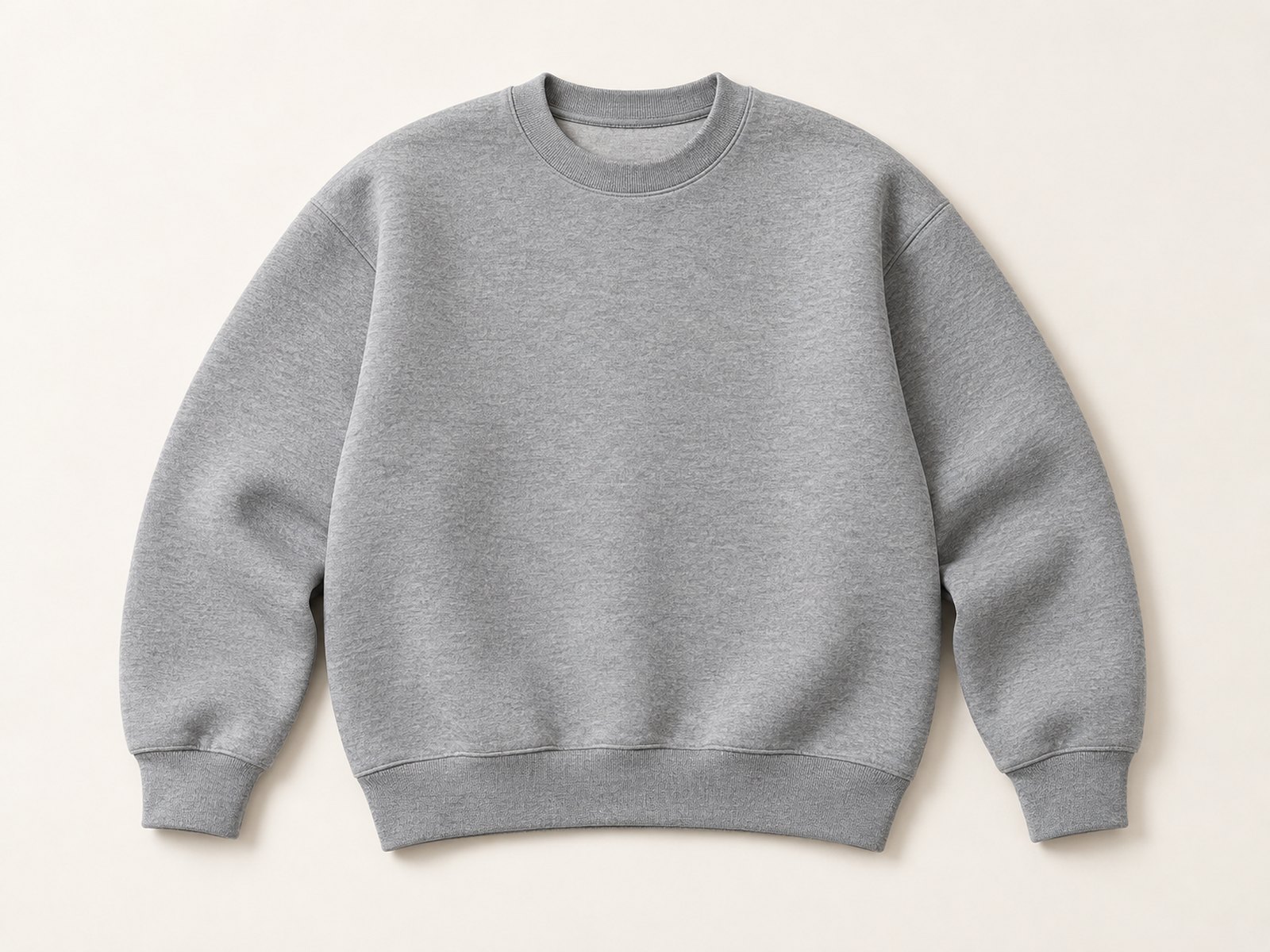
STRUCTURE WITHOUT FLEECE
270–350 GSM scuba works well for structured sweatshirts and hoodies. Sweatshirts are the largest use for scuba in our library. The air layer gives warmth and a clean, rounded silhouette without the fluff of brushed fleece.
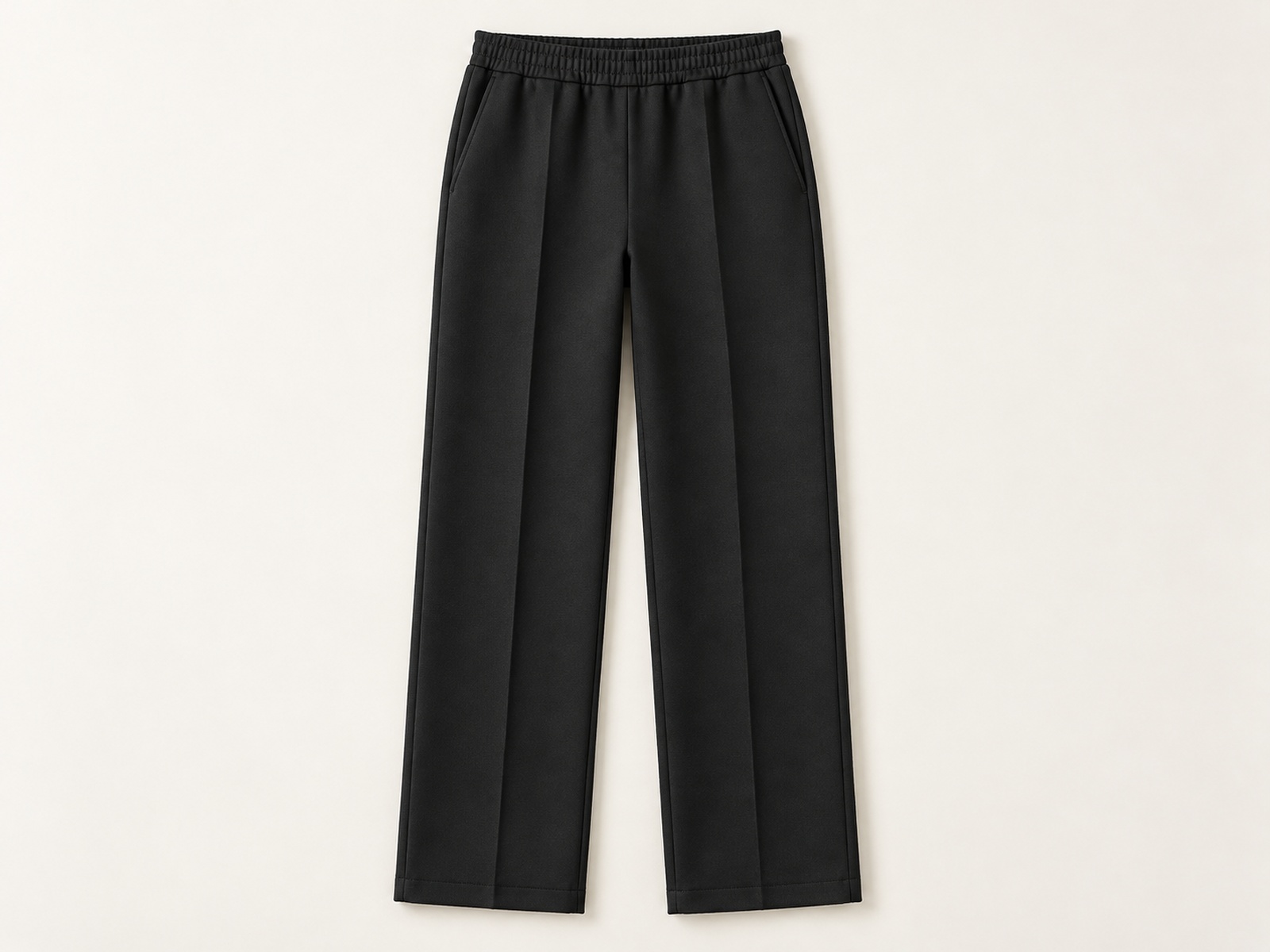
A SHARP LEG LINE
For structured joggers and straight-leg knit trousers, start with 260–350 GSM stretch scuba. The firm body keeps the leg line crisp and resists creasing, while spandex keeps the trousers comfortable for all-day wear.
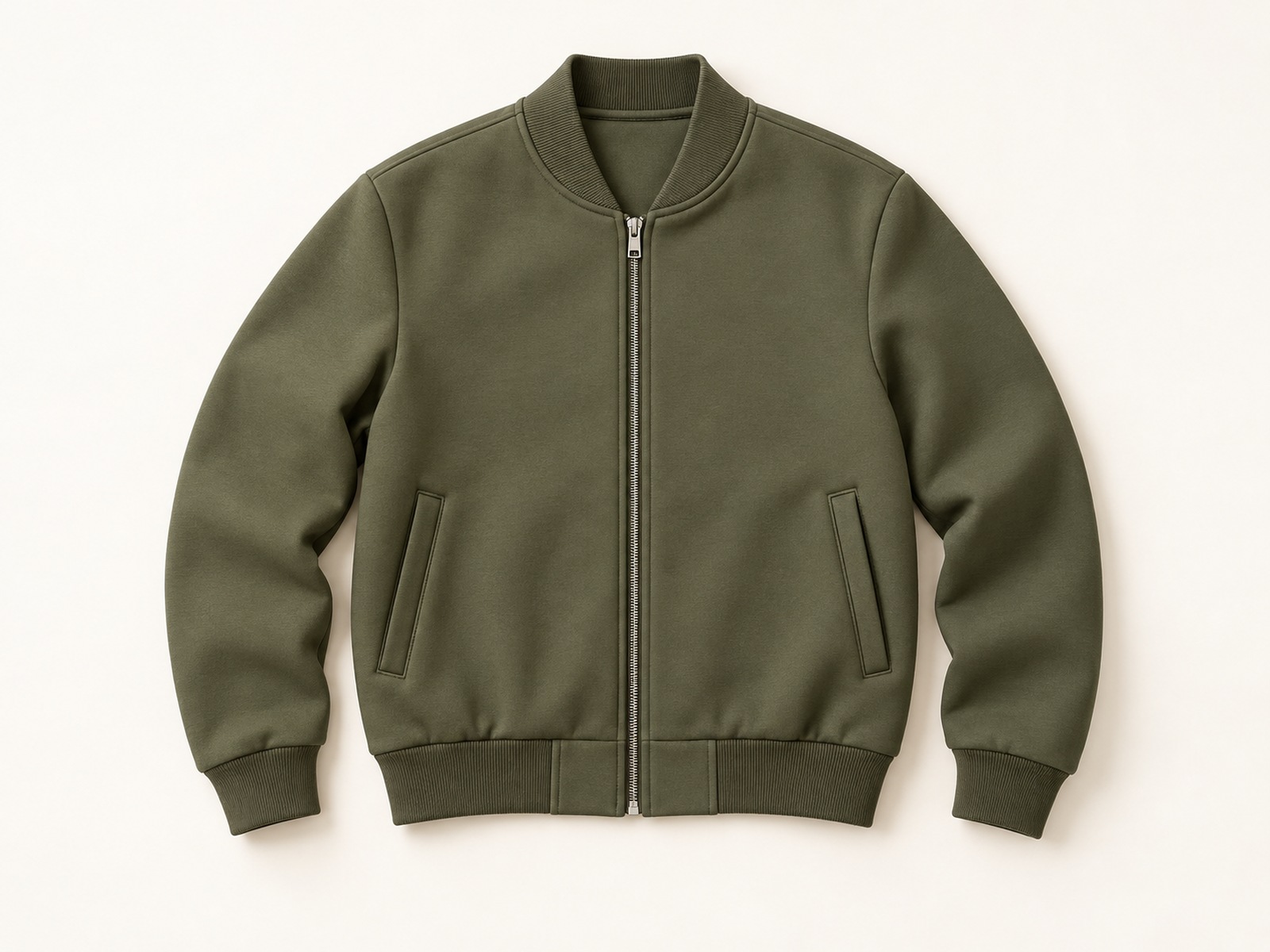
SHAPE FOR AN OUTER LAYER
Choose 260–350 GSM scuba for bomber jackets, zip jackets and knit blazers. It holds collars, zips and shoulders with little interlining, and the smooth face takes prints well.
SCULPTED, NOT CLINGY
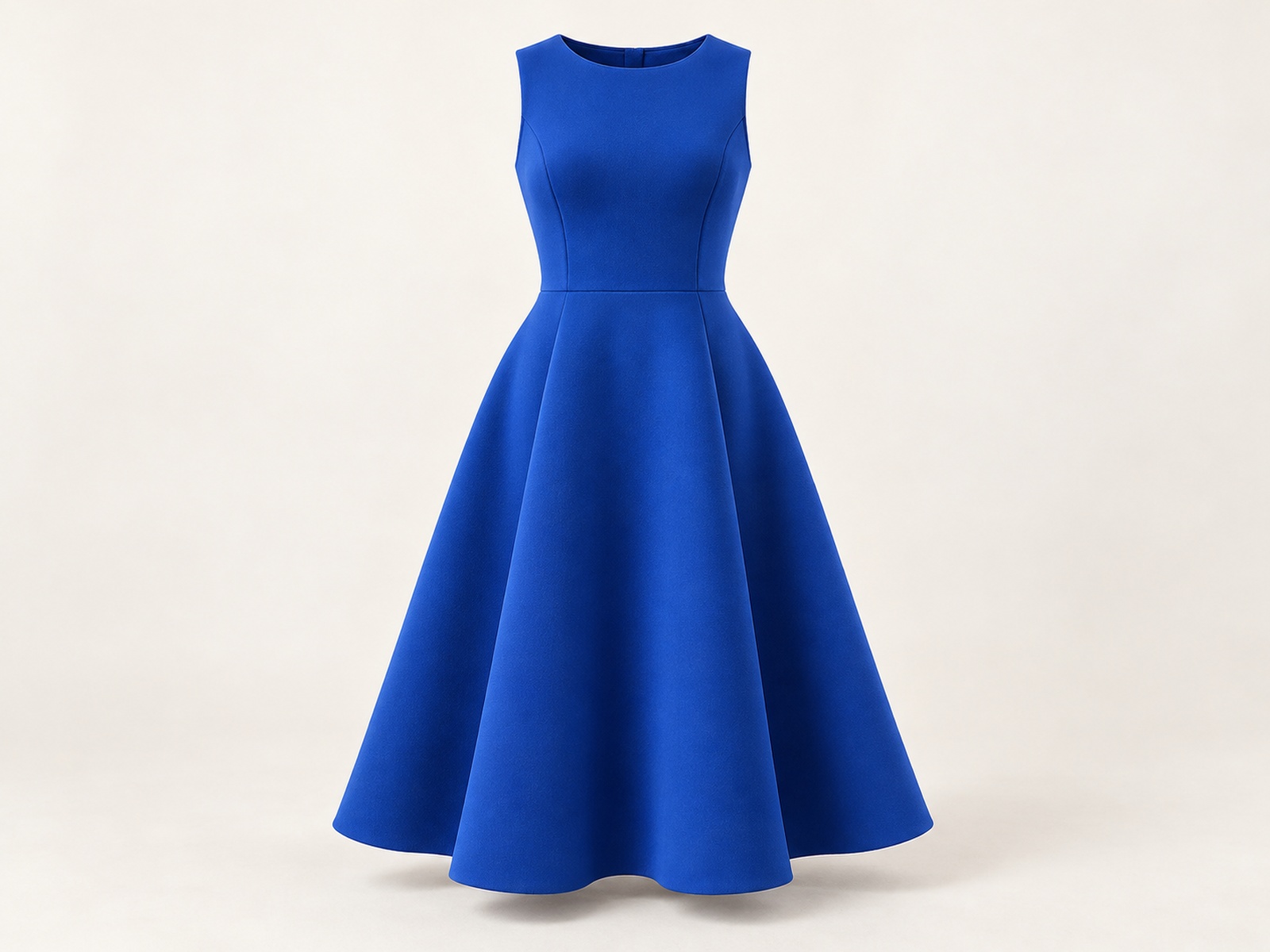
250–350 GSM scuba works well for A-line dresses, skater skirts and structured midi skirts. The fabric holds flare and volume on its own, so a skirt keeps its shape without petticoats or heavy lining.
NEAT SHORTS WITH BODY
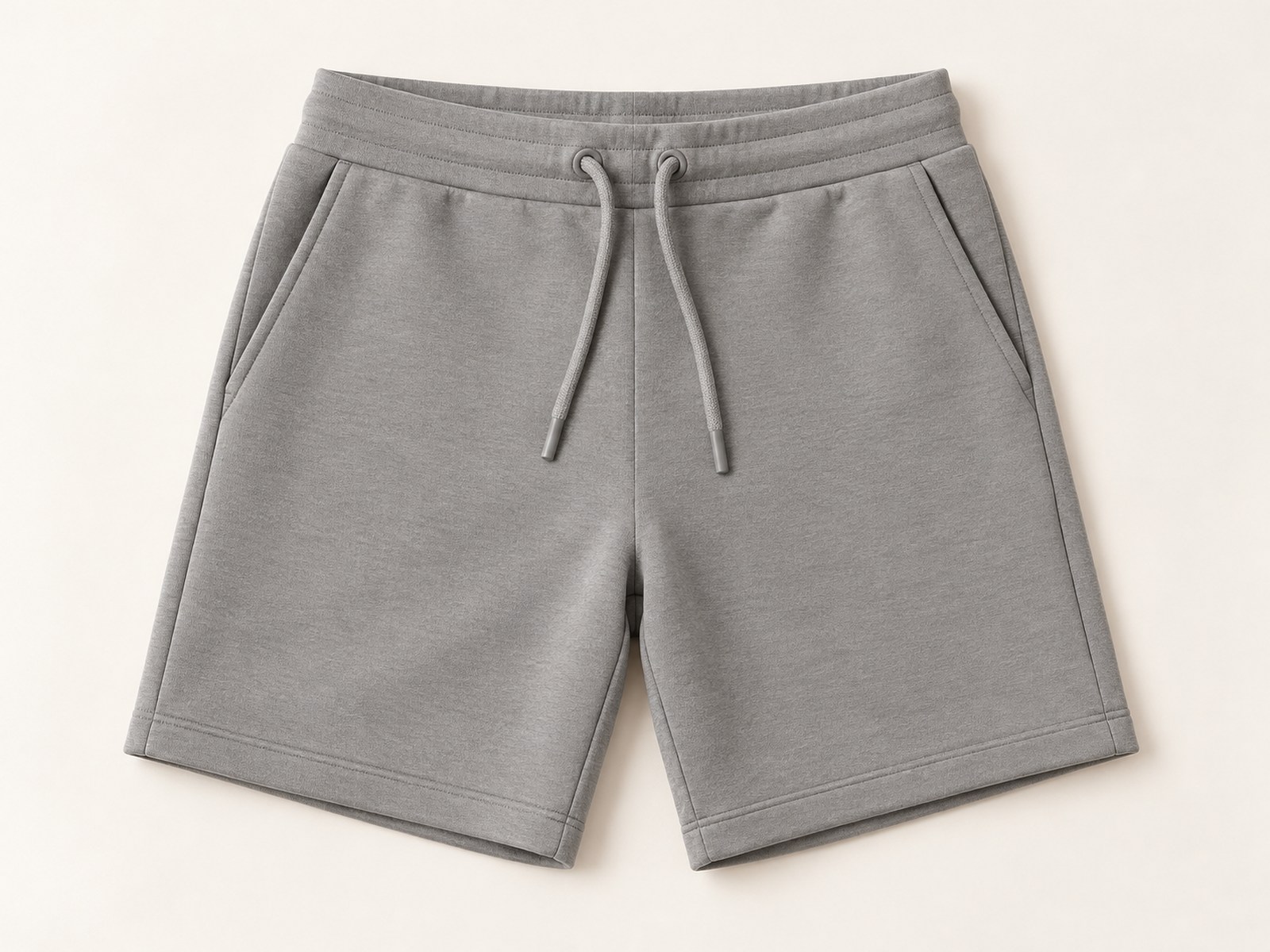
For sweat shorts and smart knit shorts, start with 260–340 GSM stretch scuba. The shorts keep a clean hem and shape, and they can be matched to a scuba sweatshirt as a set.
A TEE THAT KEEPS ITS SHAPE
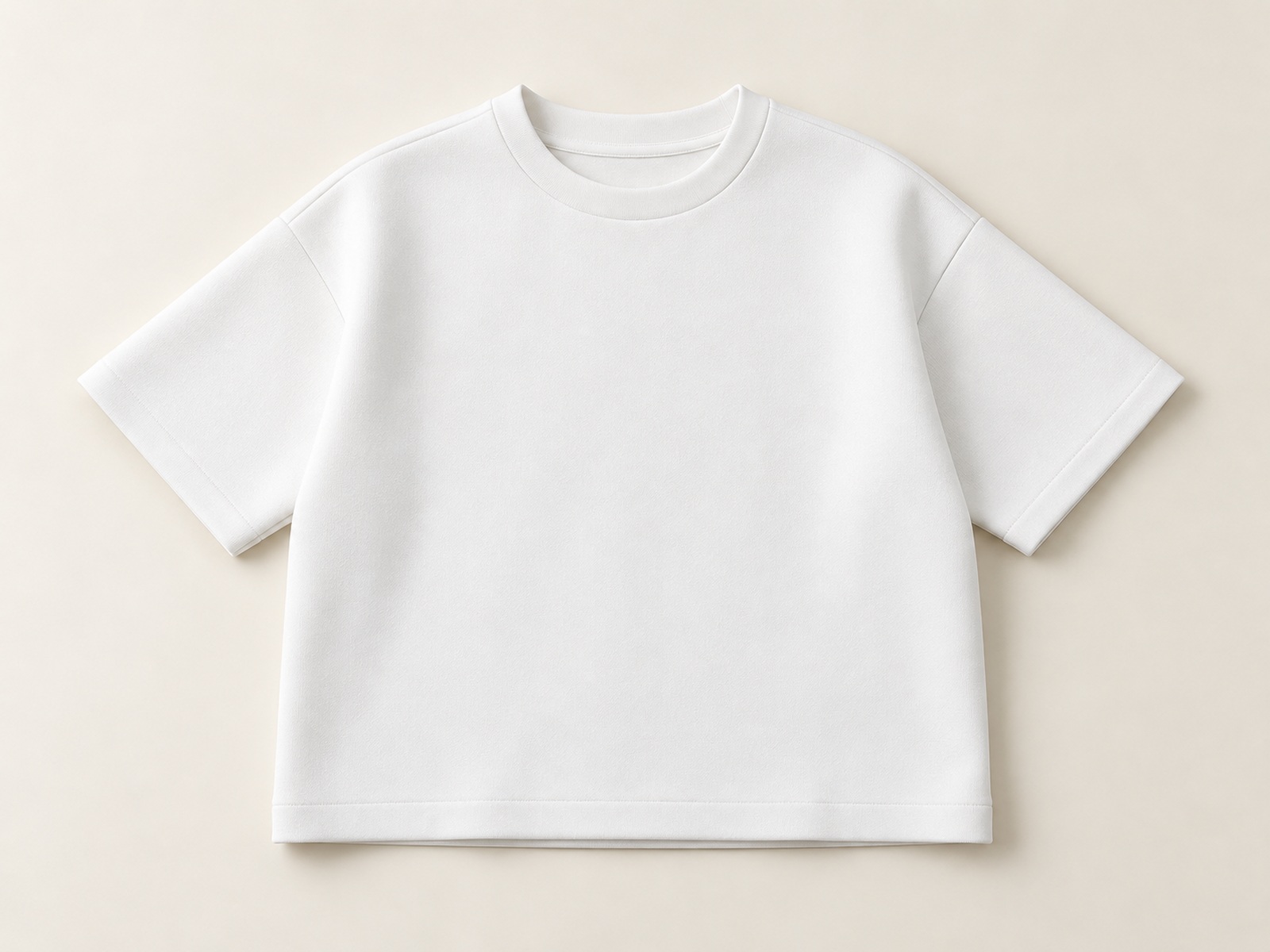
Choose 220–300 GSM scuba at the lighter end of our range for boxy and structured T-shirts. It gives a tee the standing shape of a heavyweight shirt with a smooth, print-friendly face.

No. Apparel scuba is a knitted air-layer fabric made from yarns such as cotton, polyester, viscose and spandex. Neoprene is a synthetic rubber foam used for wetsuits. Scuba knit gives a similar sculpted look but is lighter, breathes better and sews like a knit.
Most scuba sweatshirt and trouser qualities in our library weigh 260–350 GSM. Choose the lighter end for T-shirts and dresses, and 350 GSM or more for heavyweight jackets and outer layers.
Yes. The smooth, dense face suits digital, screen and sublimation printing on polyester-rich qualities. Test the print on a sample of the selected fabric, as fibre blend and colour affect the result.
Scuba's tight double structure keeps it stable, so the common specification lines are pilling on cotton/polyester/spandex faces and bursting strength for structured trousers. Our lab runs the steel ball burst test; a hydraulic kPa value in your specification is arranged with a third-party lab. Add washing fastness for dark and bright shades.
Stock fabric orders start at 1 roll (~23 kg) per colour. Custom-colour orders start at 200 kg per colour.
Compare complementary fibres and knit constructions for your next apparel collection.
Read practical guides to fibre blends, garment selection and knit construction.