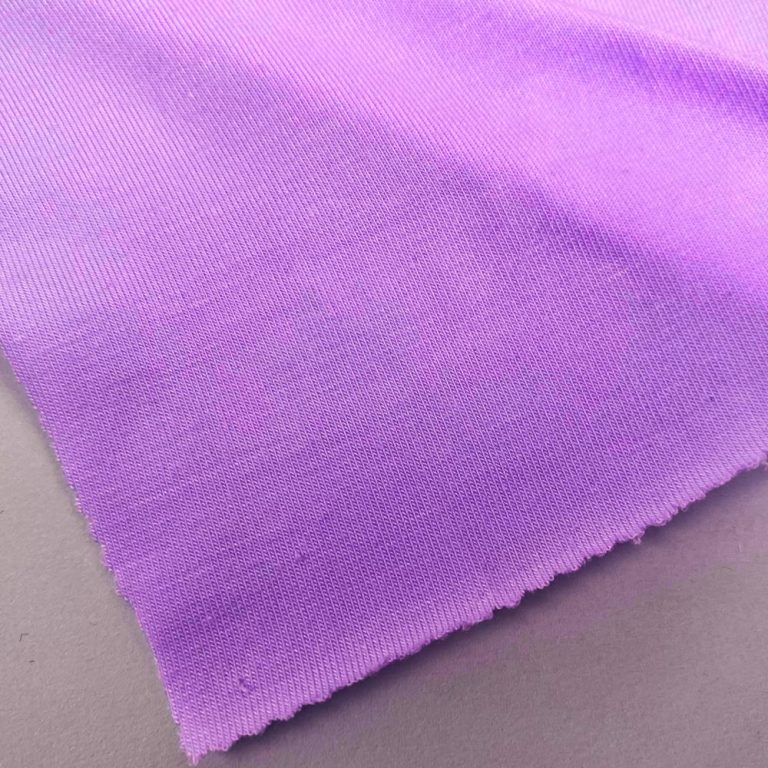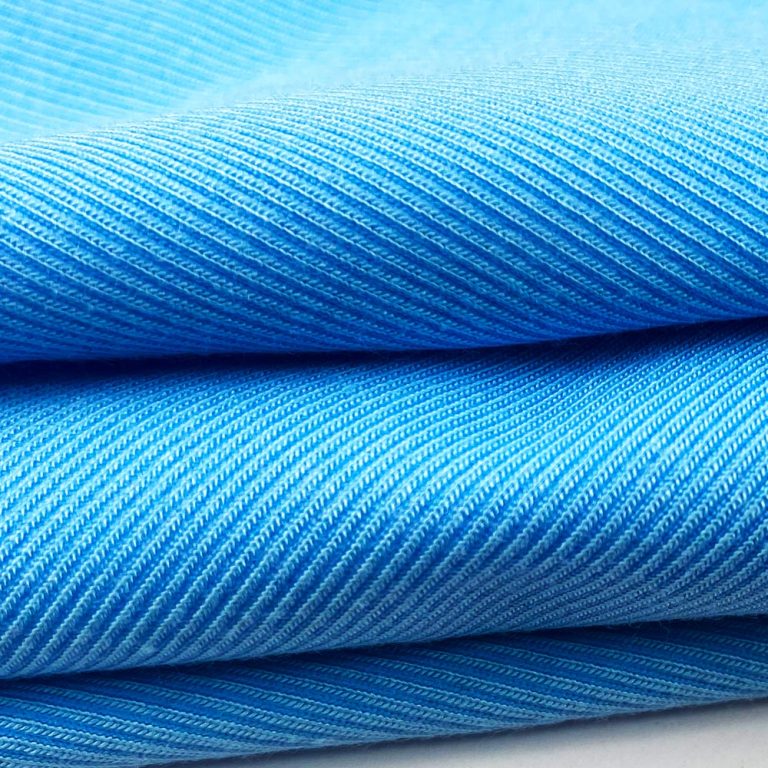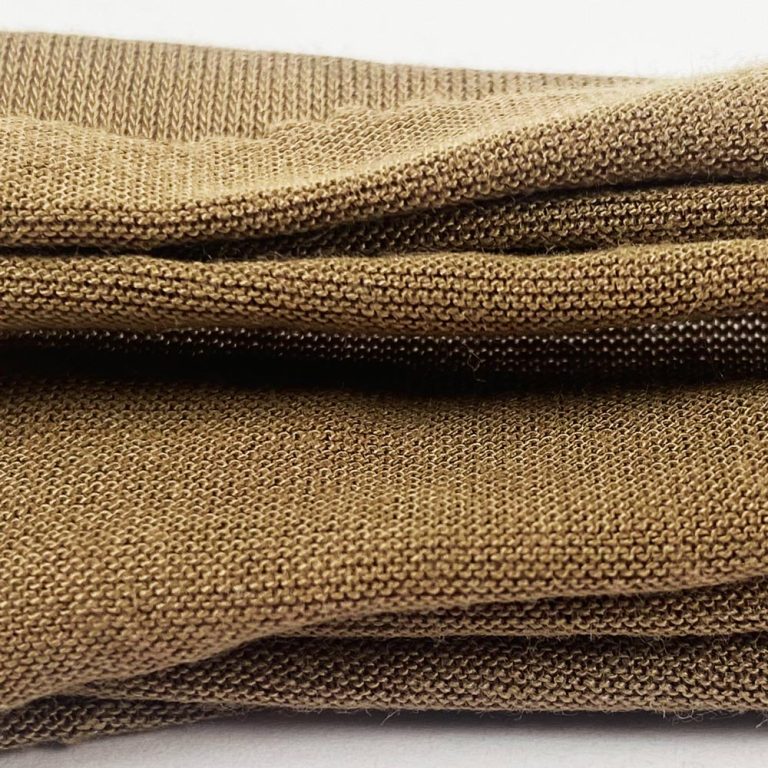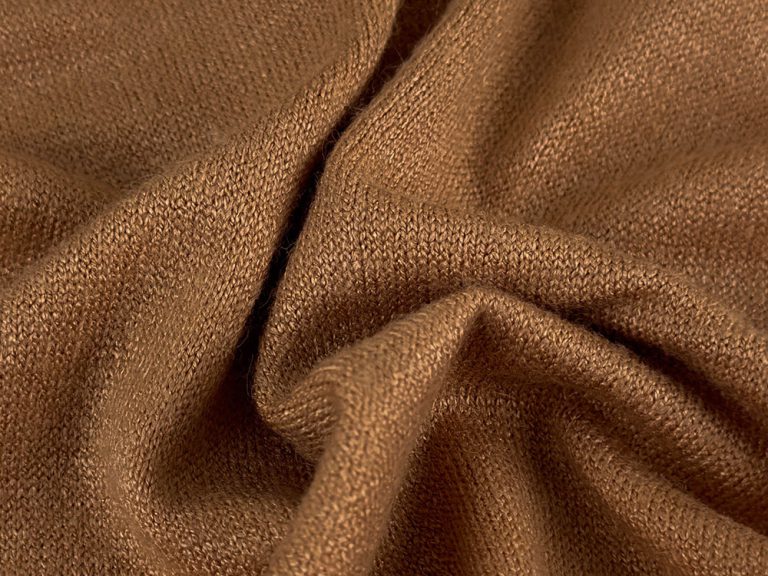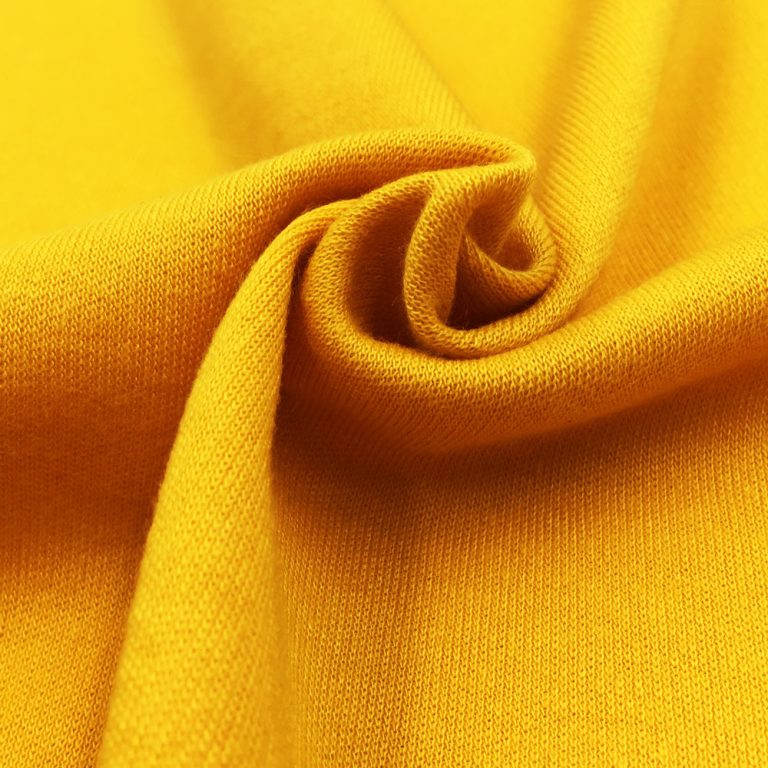
Item No.
KF2022
- Composition
- 43.5% cotton / 43.5% modal / 10% spandex / 3% silk
- Weight
- 280 GSM
- Width
- 65″ (165 cm)
Knit Fabric Manufacturer Since 2009 · China

SILK BLEND KNIT · FABRIC SOURCING
Runtang Textile manufactures silk-blend knit fabrics for T-shirts, polo shirts, dresses, camisoles, loungewear and thermal base layers. Choose cotton/modal/silk, cotton/silk or stretch blends with a share of mulberry silk. Stock orders start at 1 roll (~23 kg) per colour; custom colours start at 200 kg per colour.
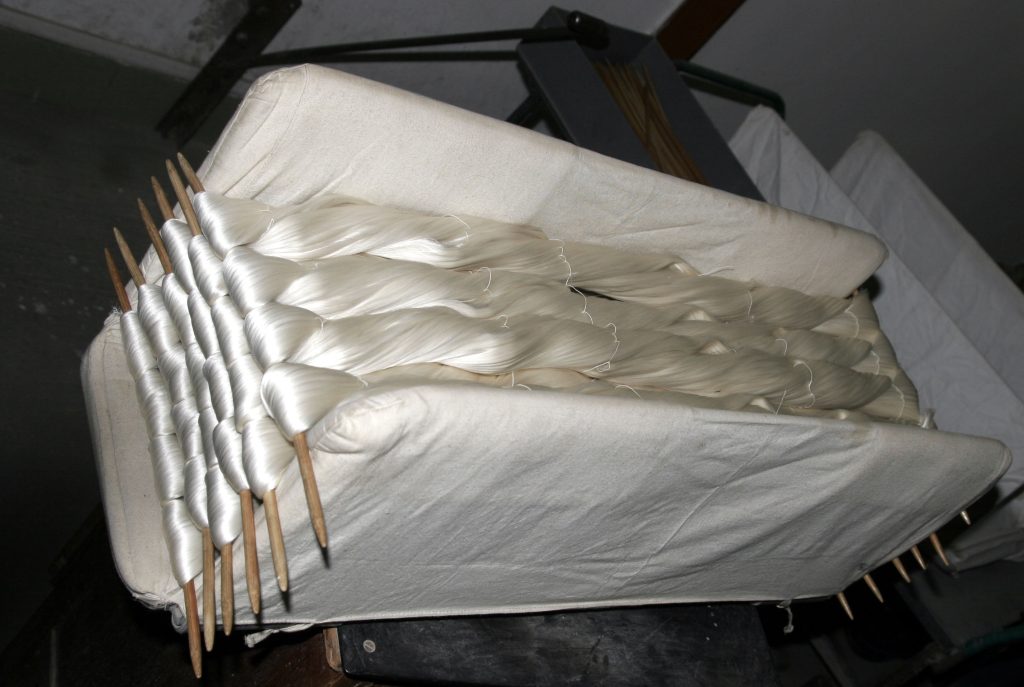
Silk Blend Knit Fabric for apparel brands, garment manufacturers and fabric sourcing teams.
Explore our online silk-blend knit range, backed by a library of 101 options.
Item No.
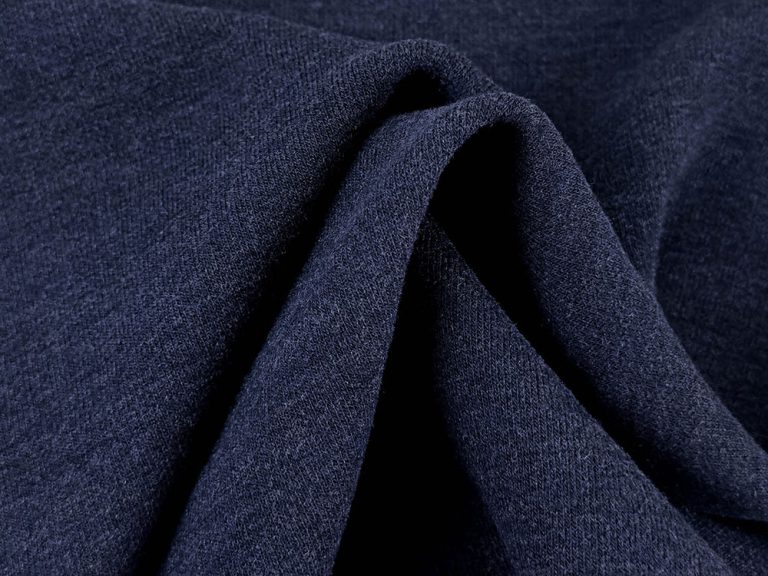
Item No.
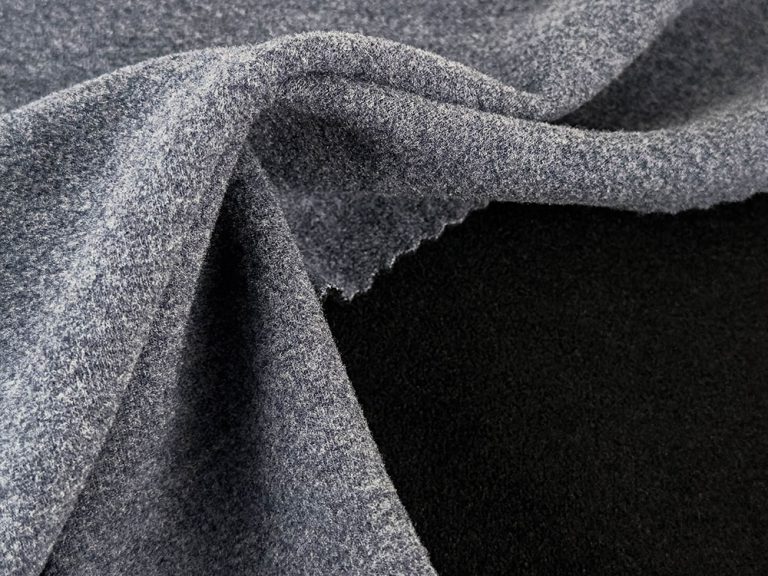
Item No.
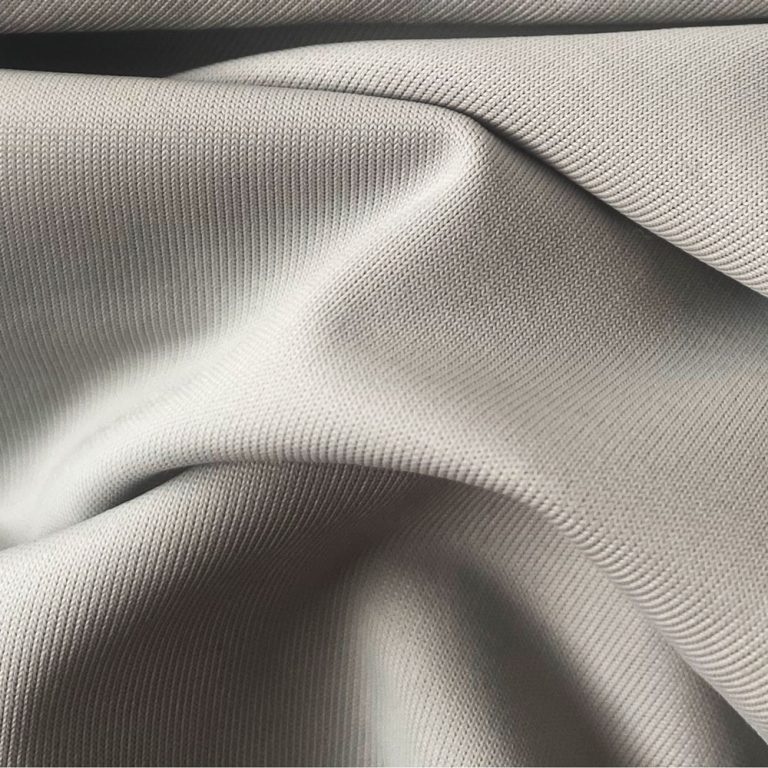
Item No.
| Item | Composition | Weight | Width | Details |
|---|---|---|---|---|
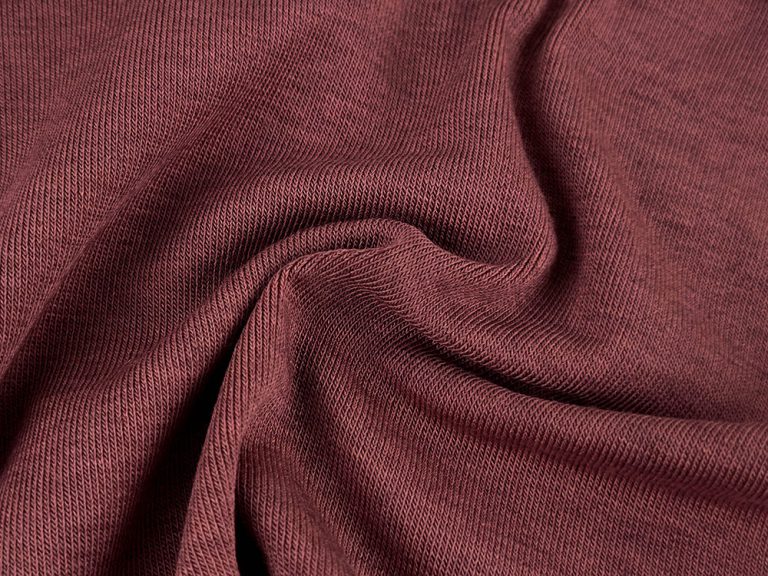
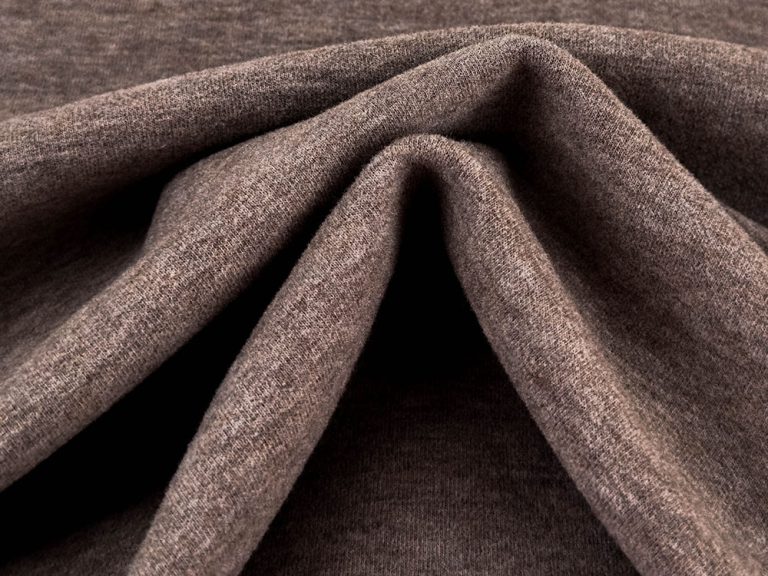
| KF2022 | 43.5% cotton / 43.5% modal / 10% spandex / 3% silk | 280 GSM | 65″ (165 cm) | View specifications |
| KF2027 | 59.6% viscose / 22.7% acrylic / 3% silk / 14.7% spandex | 320 GSM | 65″ (165 cm) | View specifications |
| YM0525 | 19.5% viscose / 17.5% acrylic / 2% silk / 12% spandex / 49% polyester | 400 GSM | 65″ (165 cm) | View specifications |
| KF3240 | 92% nylon / 8% spandex | 160 GSM | 62/64″ (157/163 cm) | View specifications |
Our fabric library includes 101 silk-blend knit options. Contact us for more compositions, weights and colours for your collection.
Silk is a natural protein fibre with a smooth surface and a soft lustre. In knit fabrics it is mostly used as an accent: a small share blended with cotton, modal, lyocell or polyester adds a smoother touch and a gentle sheen at a fraction of the cost of pure silk. All 101 silk qualities in our library are blends. Silk is usually 2–10% of the composition, and most qualities specify mulberry silk. They weigh mostly 180–280 GSM and cover single jersey, double knit, pique, brushed and mercerized knits. Because the silk share is small, care and performance follow the main fibre, so judge hand, shrinkage and colour on the actual blend rather than on the word silk.
Cotton-based blends with a few percent silk make up most of our range; thermal blends add silk and cashmere for warmth.
| Fabric type | Fabric examples | Apparel applications |
|---|---|---|
| Cotton/modal/silk | Around 180 GSM, such as P1224 (65% cotton / 30% modal / 5% silk) | T-shirts and knit dresses |
| Cotton/silk | 125–215 GSM, such as P3369 (90% cotton / 10% silk) at 215 GSM | Baby wear, maternity pieces and leggings |
| Cotton/polyester/spandex/silk | 195–200 GSM, such as ZY60147 (51% cotton / 41% polyester / 5% spandex / 3% silk) at 200 GSM | Pique and mercerized polo shirts |
| Thermal blends with silk and cashmere | 280–450 GSM, such as P7809 (52.9% polyester / 18.5% acrylic / 14.1% viscose / 10% nylon / 2.4% silk / 2.1% cashmere) at 450 GSM | Thermal tops, sweatshirts and knit outerwear |
Choose 165–200 GSM silk blends for T-shirts, 170–200 GSM for polo shirts, 170–215 GSM for camisoles, 180–240 GSM for dresses and loungewear, and 280–305 GSM brushed thermal blends for base layers.
Silk blends are usually chosen for a smooth, lustrous touch, which buyers also look for in modal and viscose.
| Feature | Silk Blend Knit | Modal Knit | Viscose Knit |
|---|---|---|---|
| Role of the named fibre | Accent, usually 2–10% | Main fibre | Main fibre |
| Fibre type | Natural protein fibre | Regenerated cellulose | Regenerated cellulose |
| Surface | Gentle lustre over the base fibre | Soft sheen | Soft sheen with heavy drape |
| Typical weights in our library | 180–280 GSM | 180–300 GSM | 220–300 GSM |
| Typical garments | Tees, polos and dresses | Underwear and loungewear | Draped dresses and tops |
Xiwen Zhang, our co-founder and CEO, recommends these silk blends and weights for the refined everyday pieces where a smooth touch lifts the garment, drawing on our knit fabric experience since 2009.
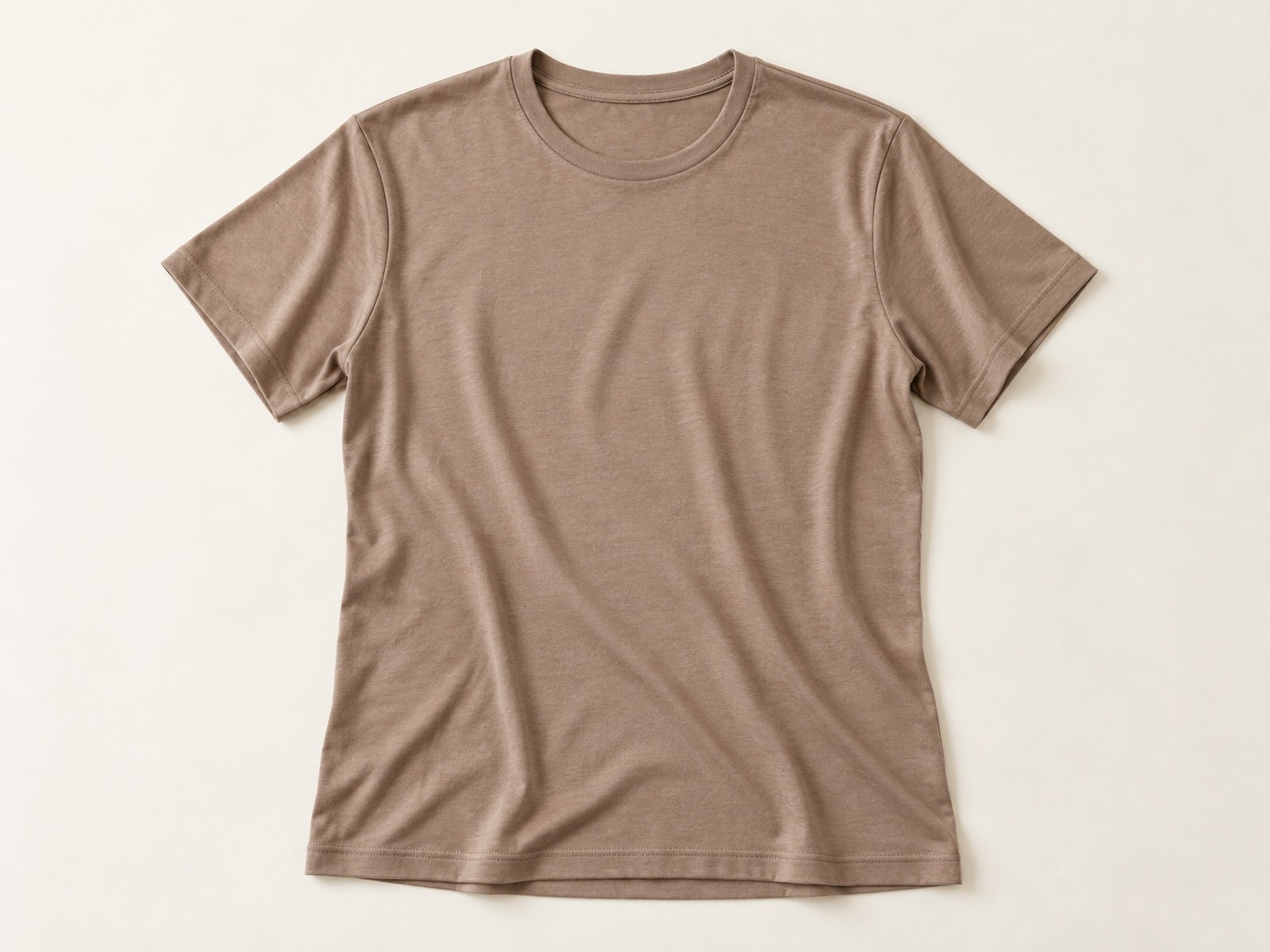
THE MAIN SILK-BLEND USE
Choose 165–200 GSM cotton/modal/silk for elevated T-shirts. T-shirts are the most common use for silk blends in our library, and a few percent of silk gives the surface a smoother touch and soft sheen.
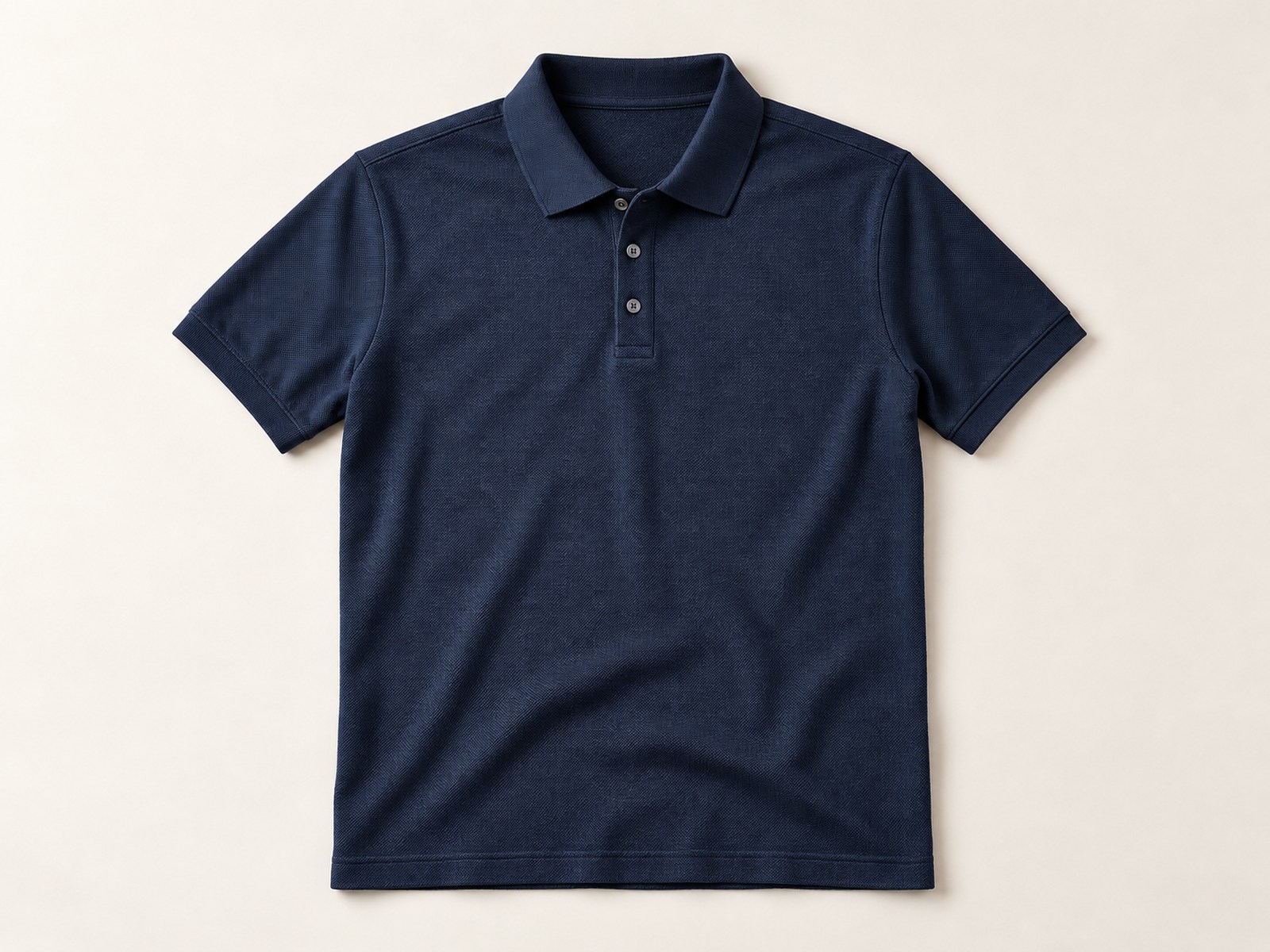
PIQUE WITH A SMOOTHER HAND
170–200 GSM silk-blend pique works well for smart polo shirts. Several of these qualities are mercerized as well, which adds lustre and helps collars and plackets stay crisp.
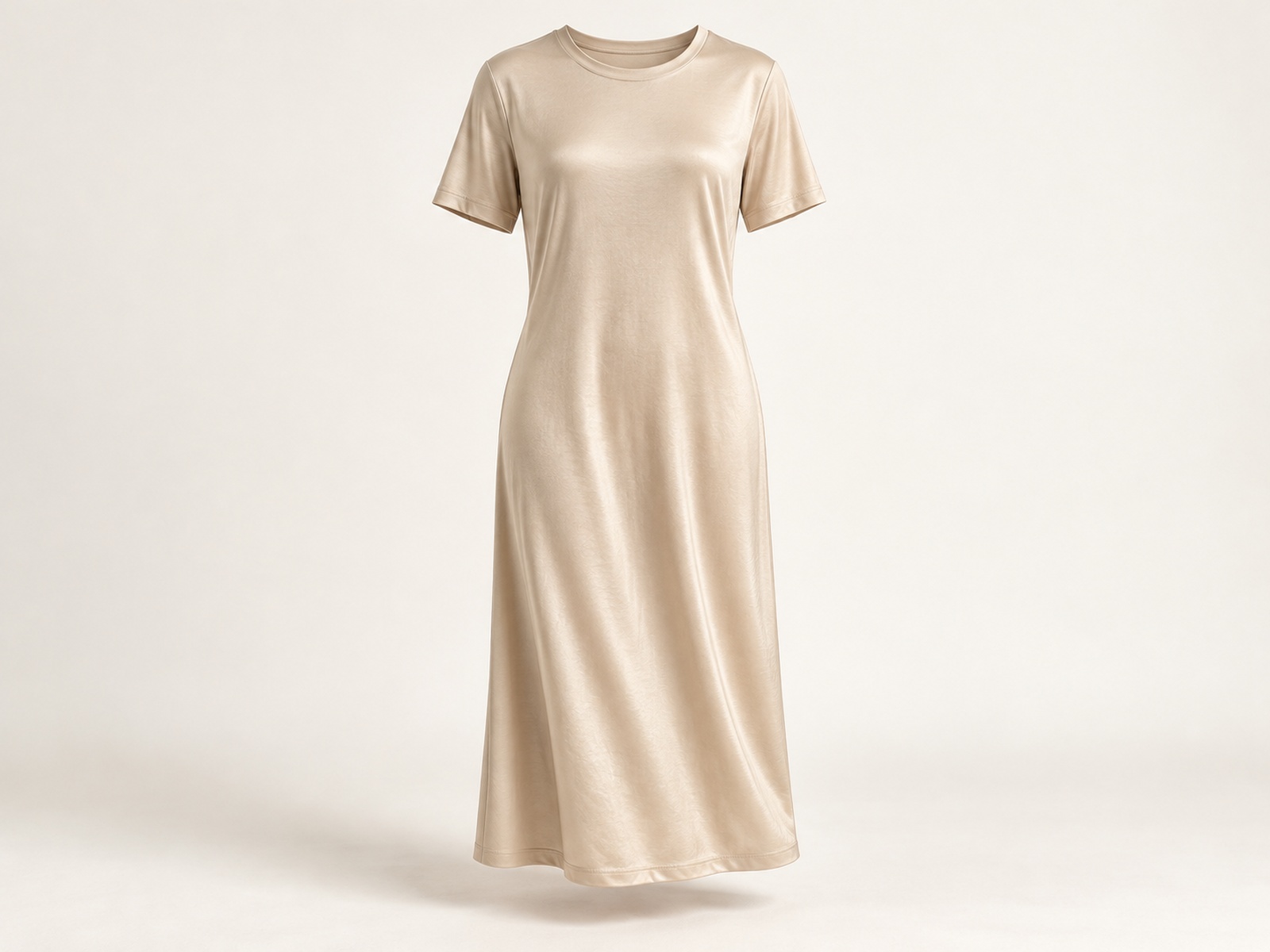
SOFT SHEEN FOR SIMPLE SHAPES
For T-shirt and slip dresses, start with 180–240 GSM silk blends. Modal and silk together give a soft, fluid drape and a gentle sheen that makes a plain dress look dressier.
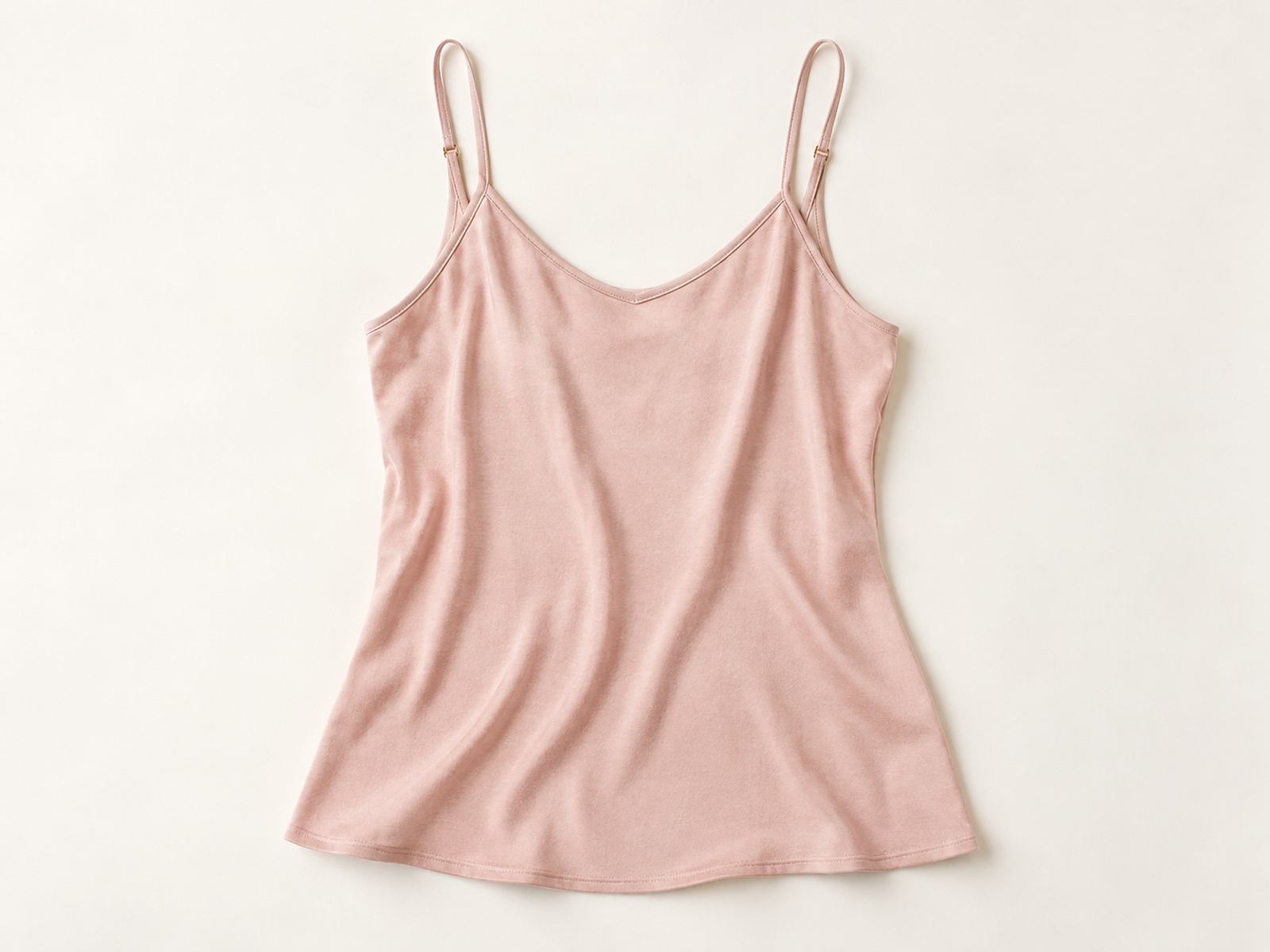
A SILKY FIRST LAYER
Choose 170–215 GSM silk blends with modal or lyocell for camisoles. The smooth surface slides easily under knitwear and jackets and feels silky against the skin.
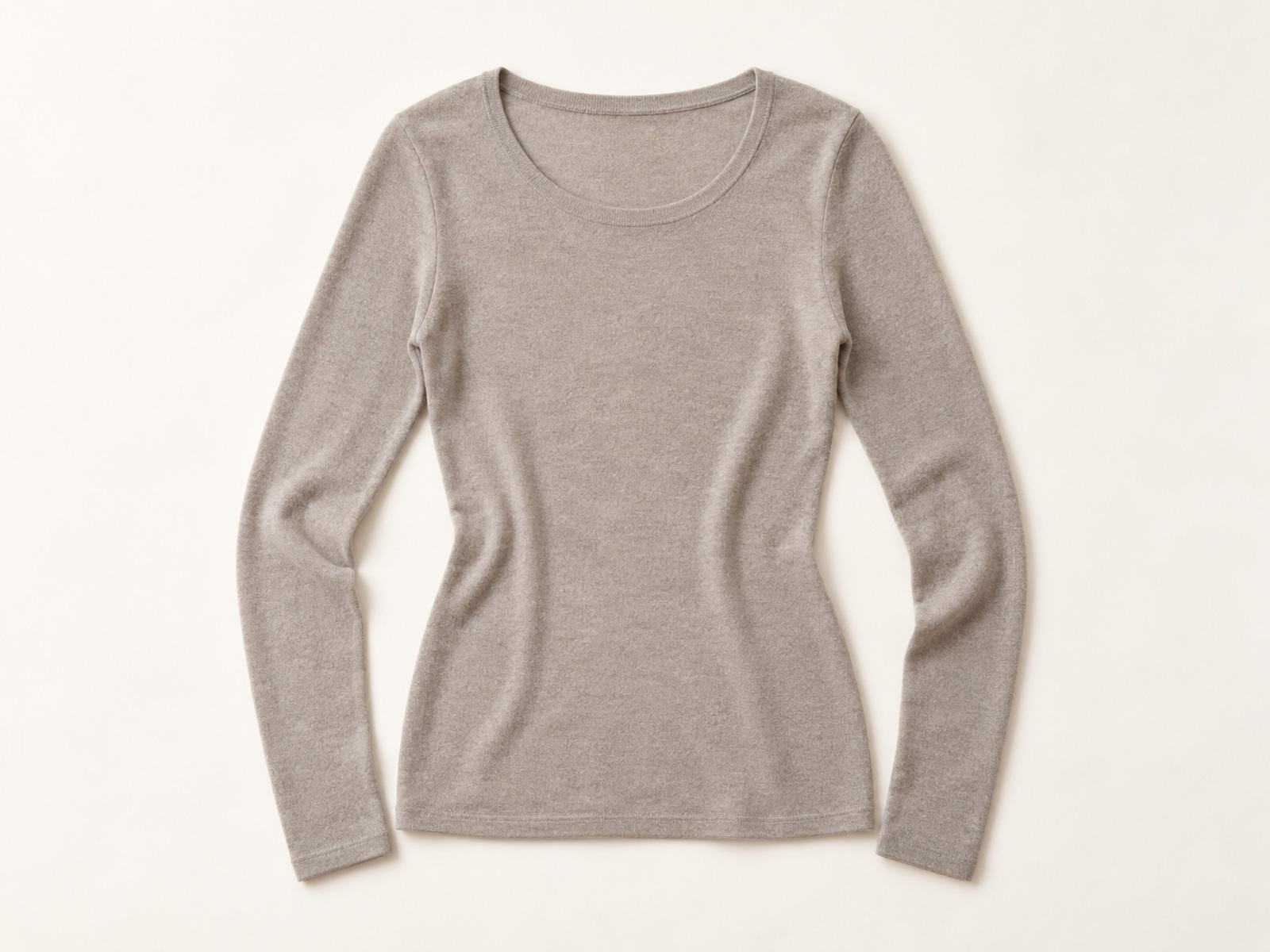
WARMTH WITH A FINE TOUCH
280–305 GSM brushed thermal blends with a little silk and cashmere suit premium base layers. The silk and cashmere shares are small, so the warmth mainly comes from the acrylic and viscose base.
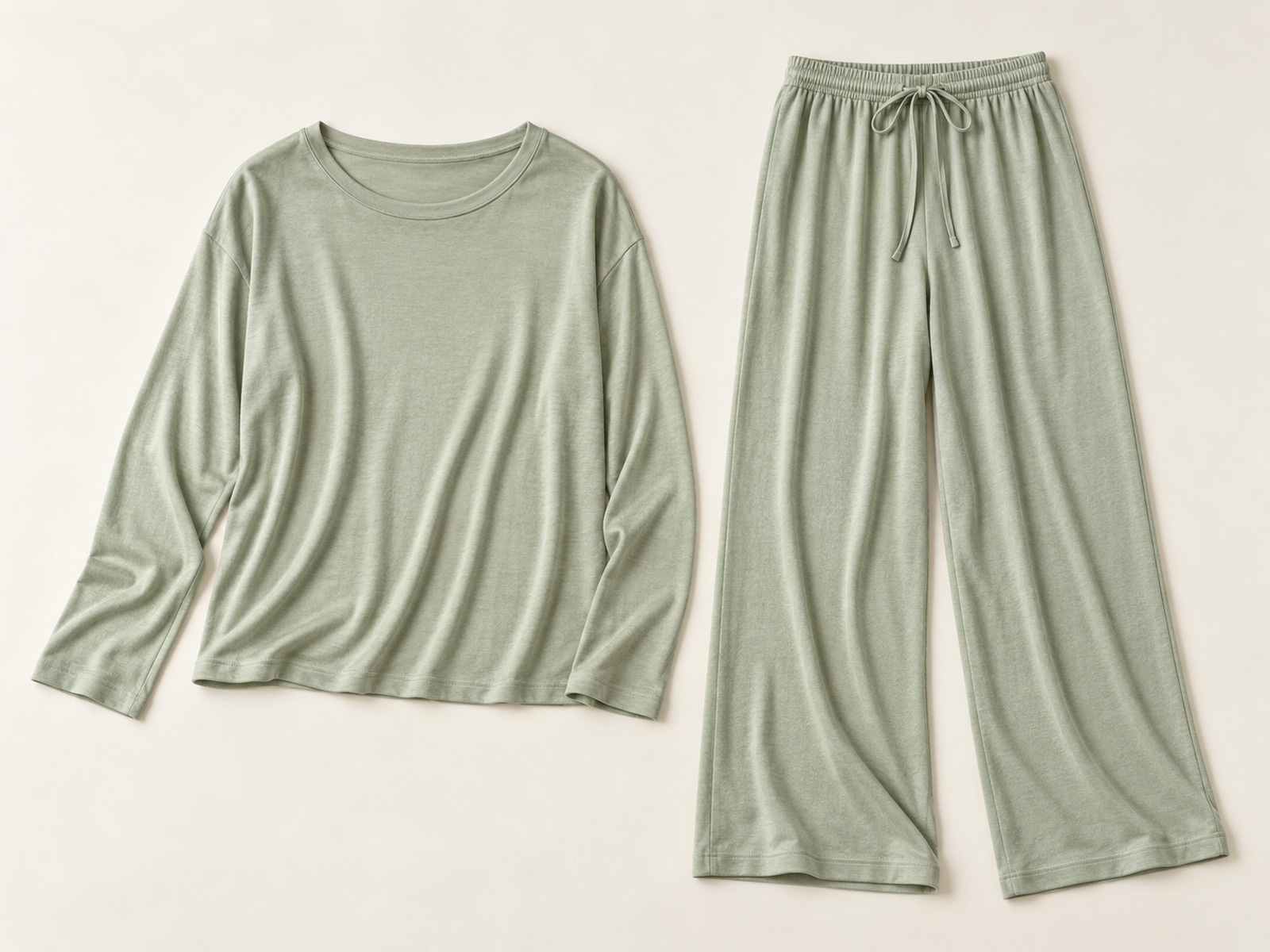
SMOOTH COMFORT AT HOME
180–240 GSM silk blends suit lounge sets and sleepwear. A modal or lyocell base with a touch of silk feels cool and smooth, which suits gift and premium sleepwear lines.

No. All of our silk qualities are blends, and silk is usually 2–10% of the composition. The silk adds smoothness and sheen, while the main fibre decides care, stretch and most of the hand.
Most of our silk-blend qualities specify mulberry silk. We do not hold an organic certification for silk, so these fabrics should not be described as organic.
Choose 165–200 GSM cotton/modal/silk jersey. Around 5% silk is enough to change the touch and sheen while keeping the easy care of the cotton and modal base.
With silk usually 2–10% of the blend, the tests follow the main fibre: cotton/silk for babywear needs pH, and cotton/modal/silk T-shirts need shrinkage and washing fastness. Silk itself is sensitive to alkaline detergent, so state the care method and test with the same procedure.
Stock fabric orders start at 1 roll (~23 kg) per colour. Custom-colour orders start at 200 kg per colour.
Compare complementary fibres and knit constructions for your next apparel collection.
Read practical guides to fibre blends, garment selection and knit construction.