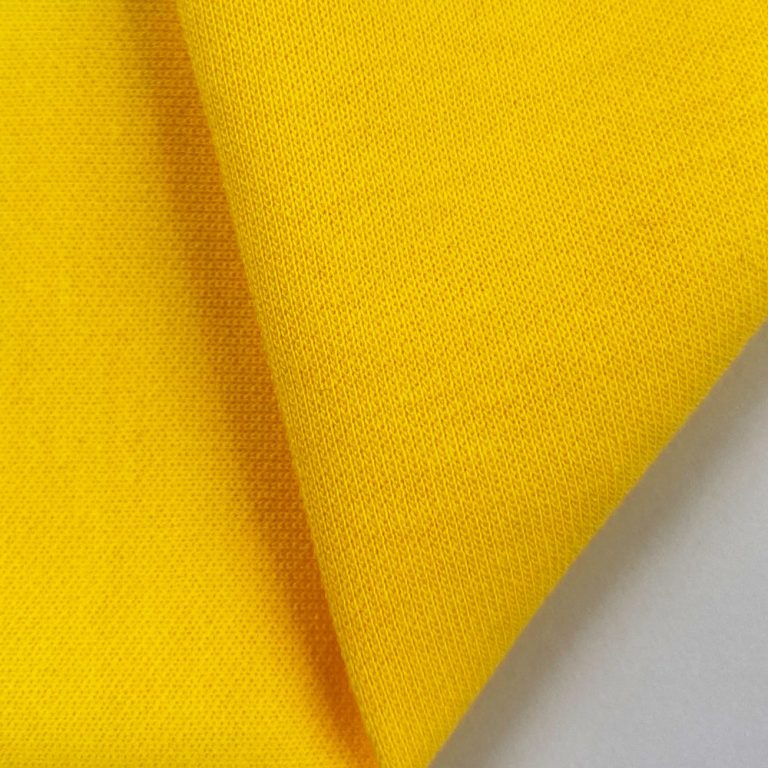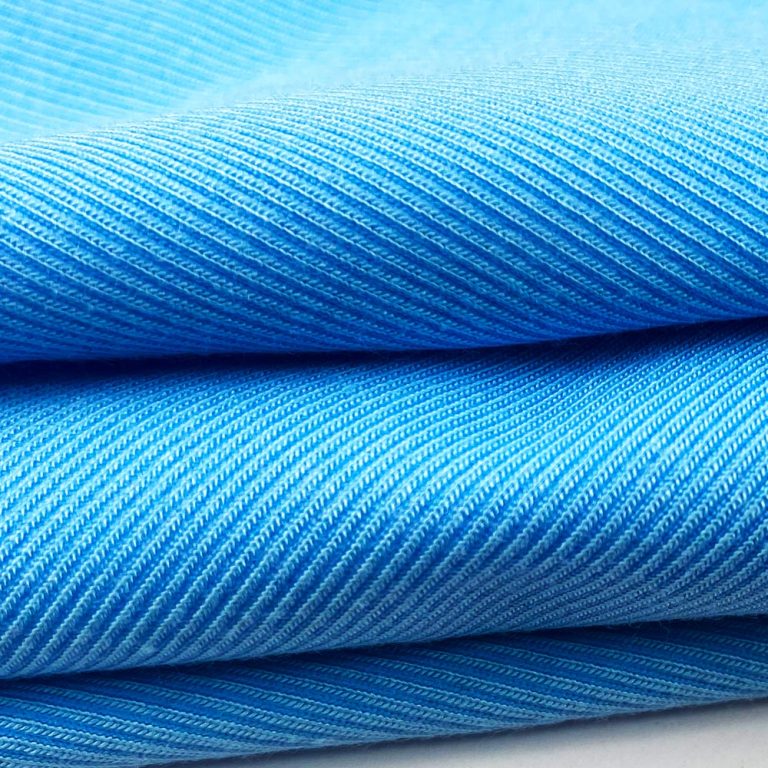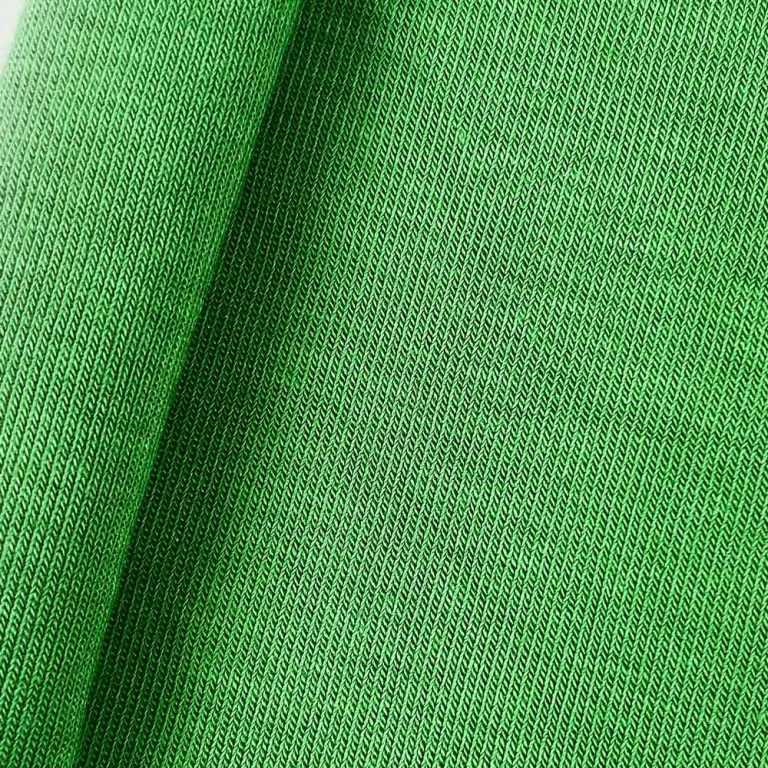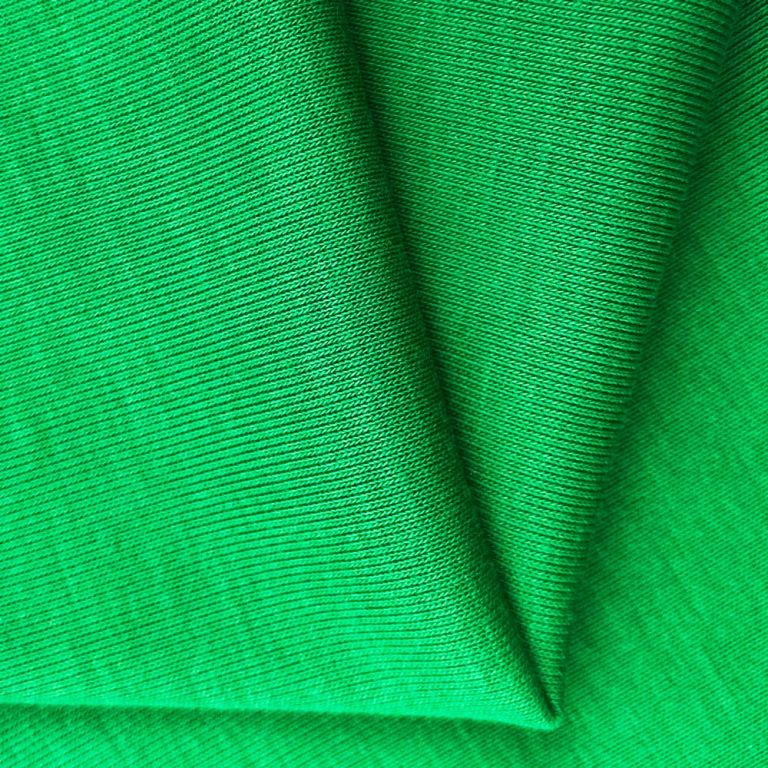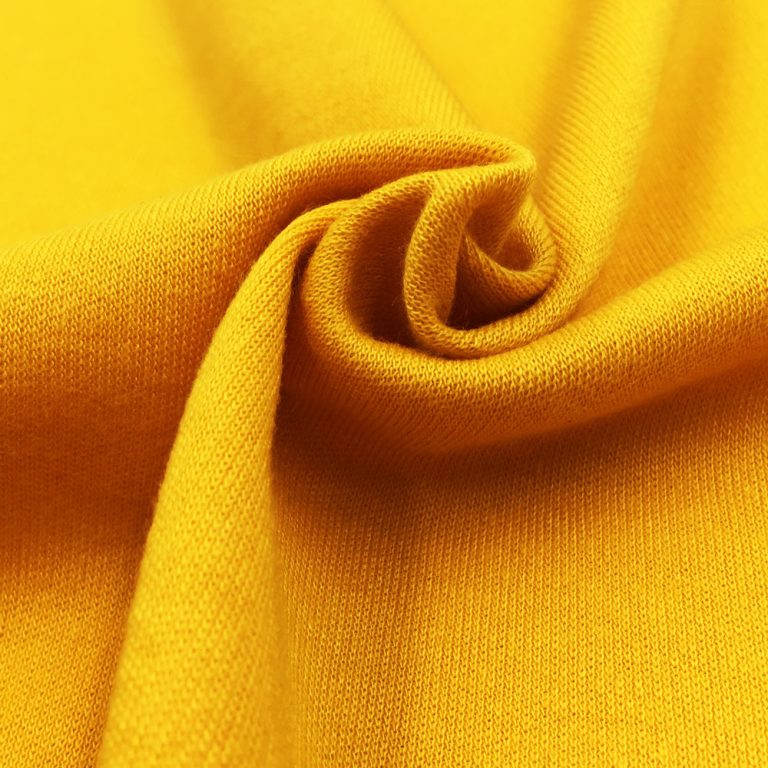
Item No.
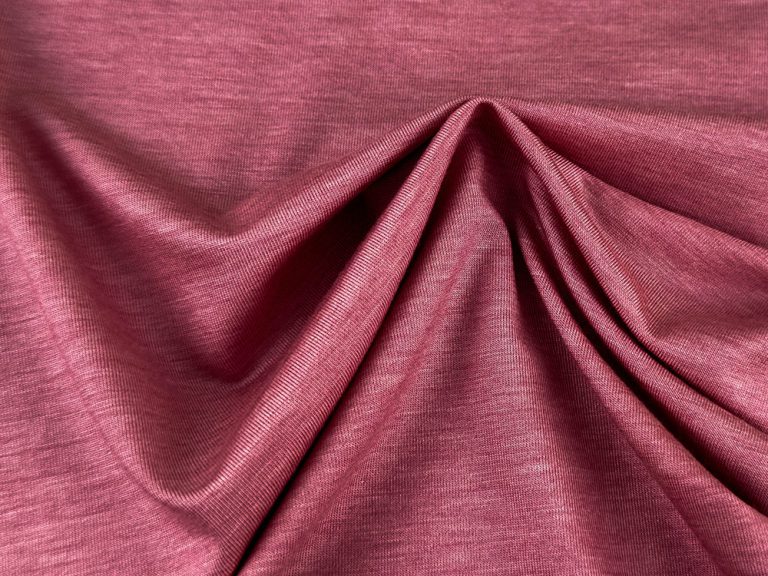
KF3253
- Composition
- 95% modal / 5% spandex
- Weight
- 180 GSM
- Width
- 67/69″ (170/175 cm)
Knit Fabric Manufacturer Since 2009 · China

MODAL KNIT · FABRIC SOURCING
Runtang Textile manufactures modal knit fabrics for soft T-shirts, underwear, loungewear, camisoles, base layers and dresses. Choose modal/spandex, cotton/modal/spandex, modal/polyester or polyester/modal/spandex in jersey, double knit and rib. Stock orders start at 1 roll (~23 kg) per colour; custom colours start at 200 kg per colour.

Modal Knit Fabric for apparel brands, garment manufacturers and fabric sourcing teams.
Explore our online modal and modal-blend knit range, backed by a library of 277 options.
Item No.
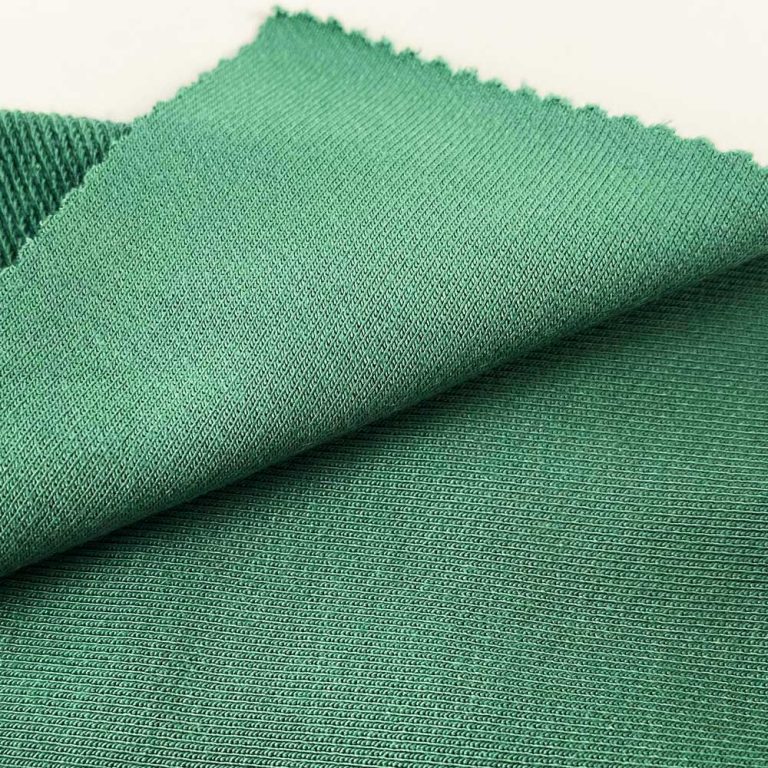
Item No.
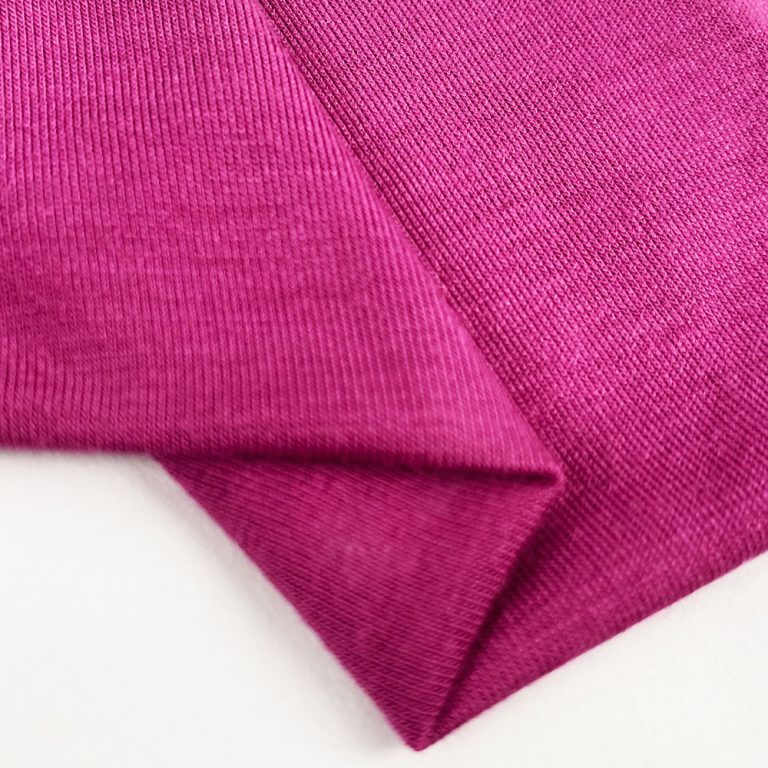
Item No.
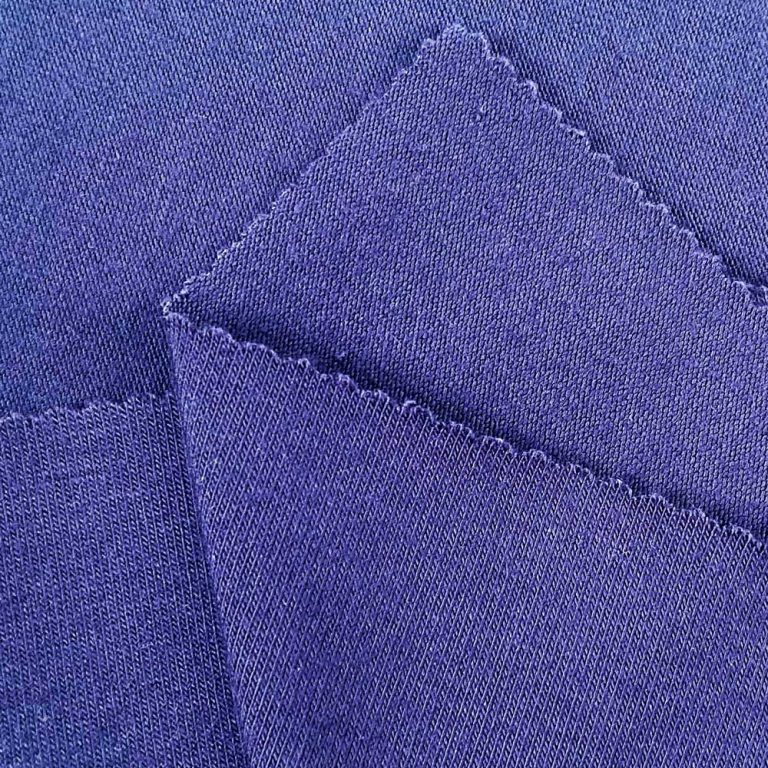
Item No.
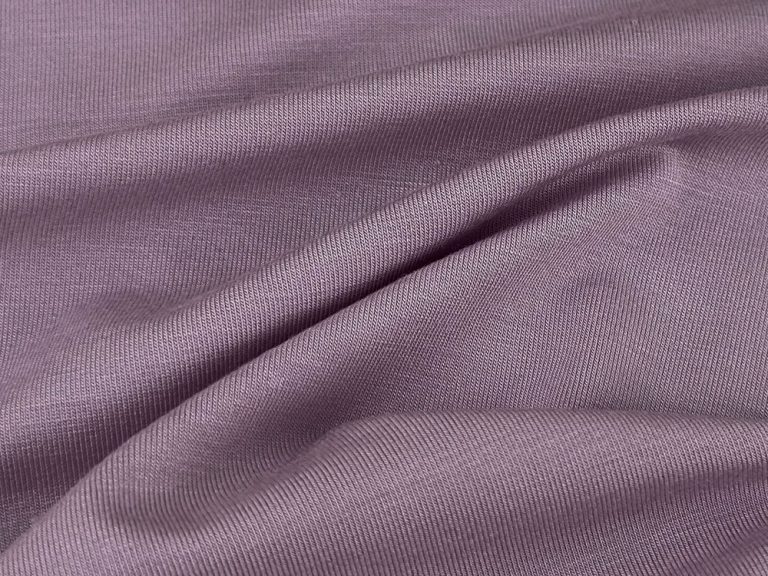
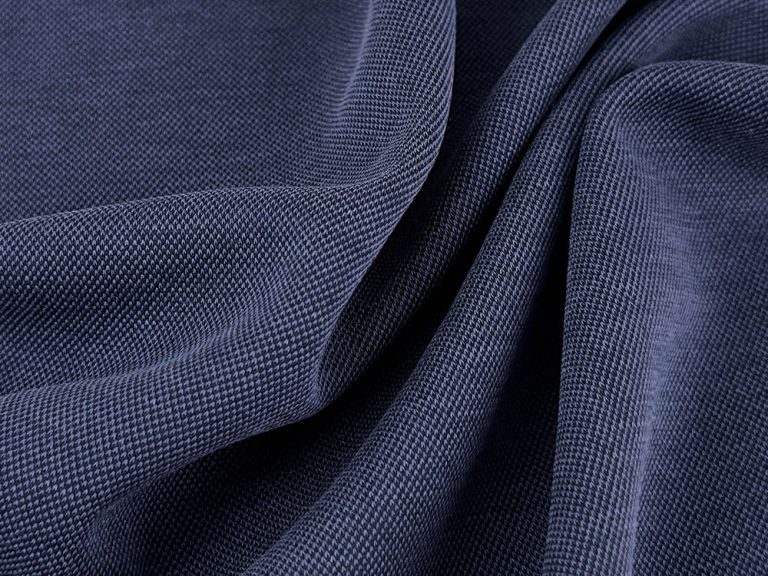
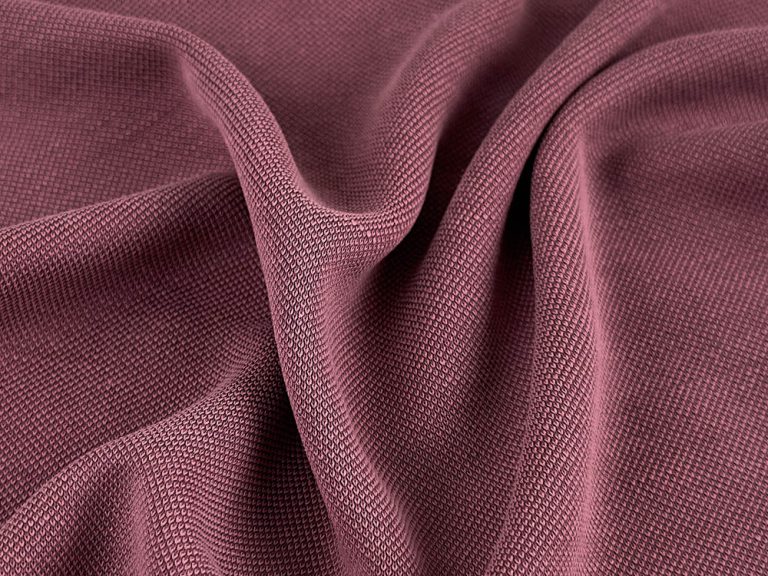
Item No.
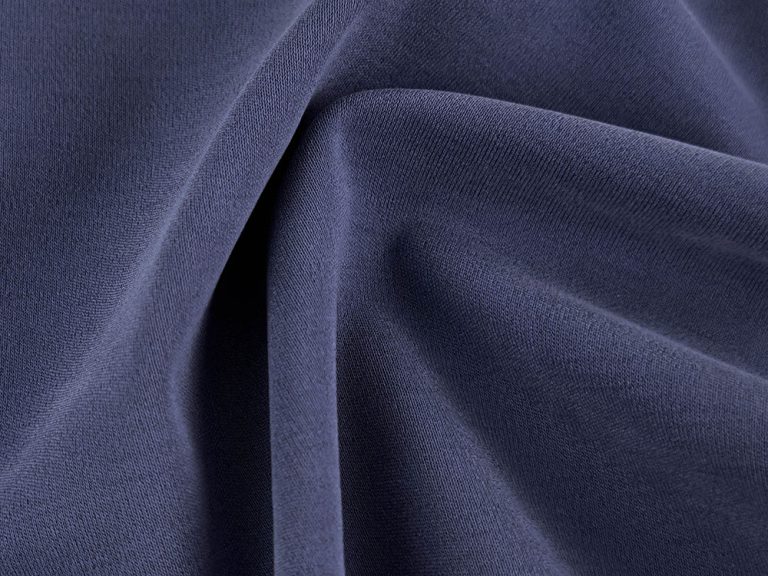
Item No.
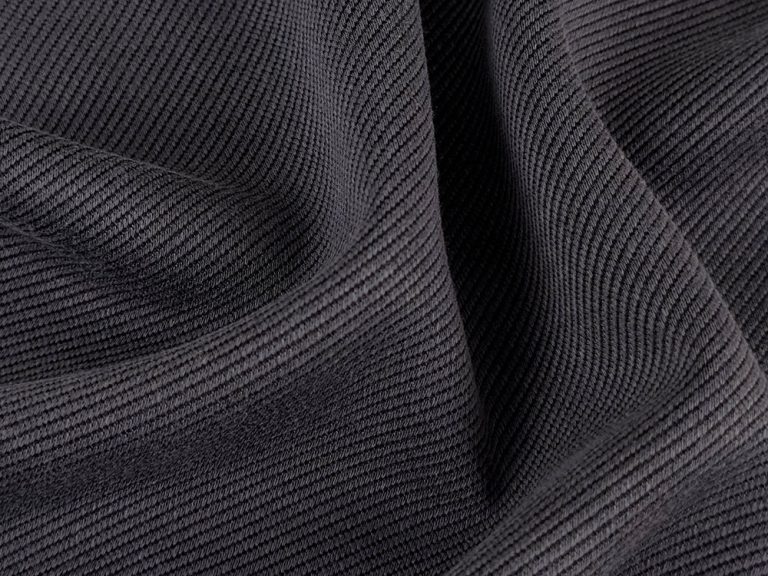
Item No.
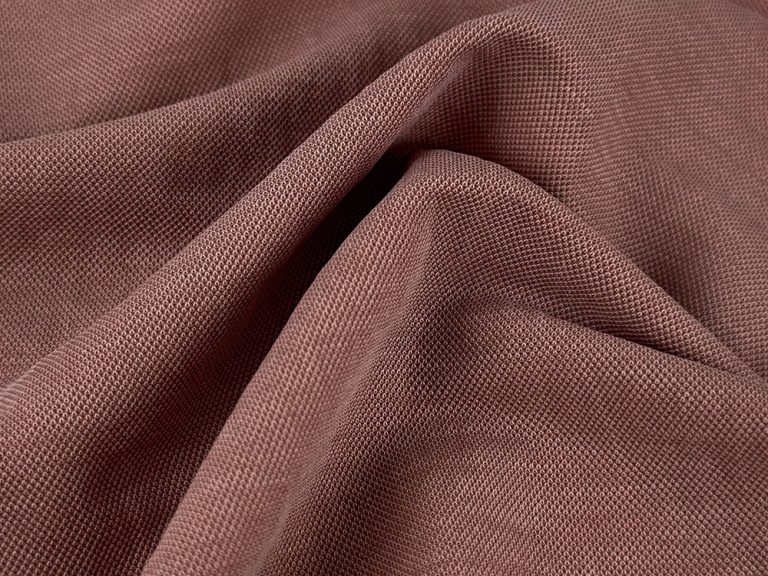
Item No.
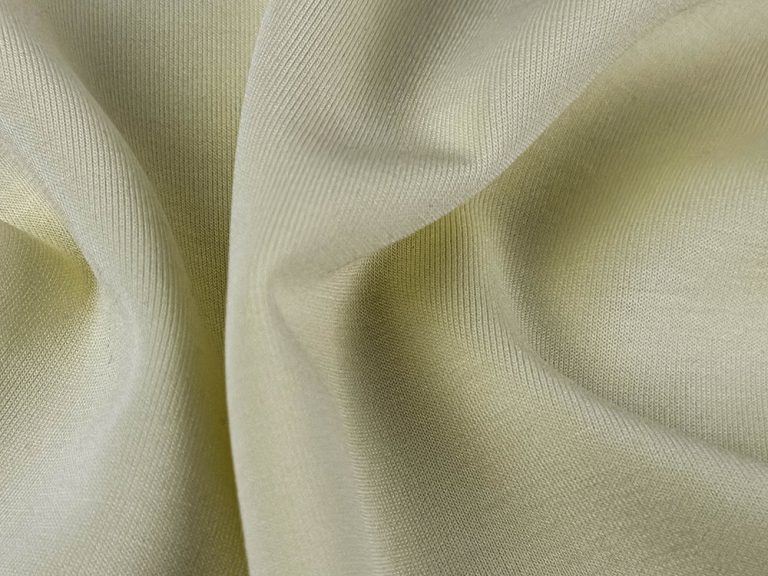
Item No.
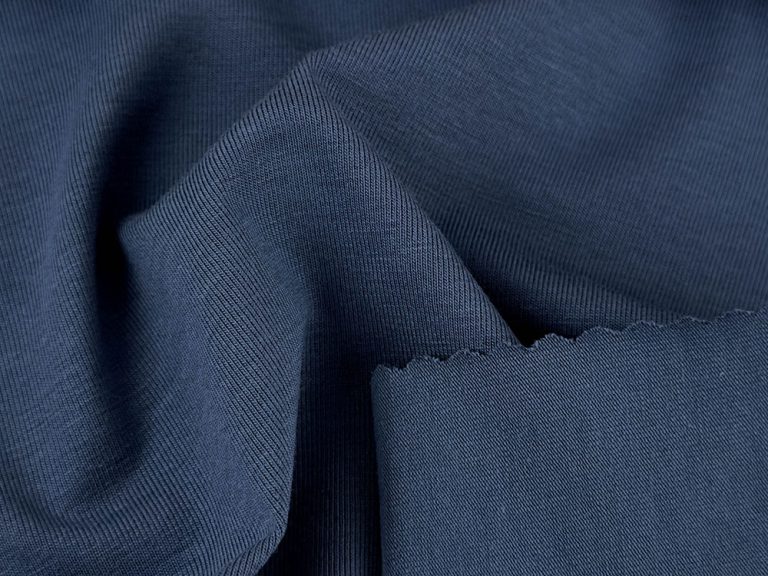
Item No.
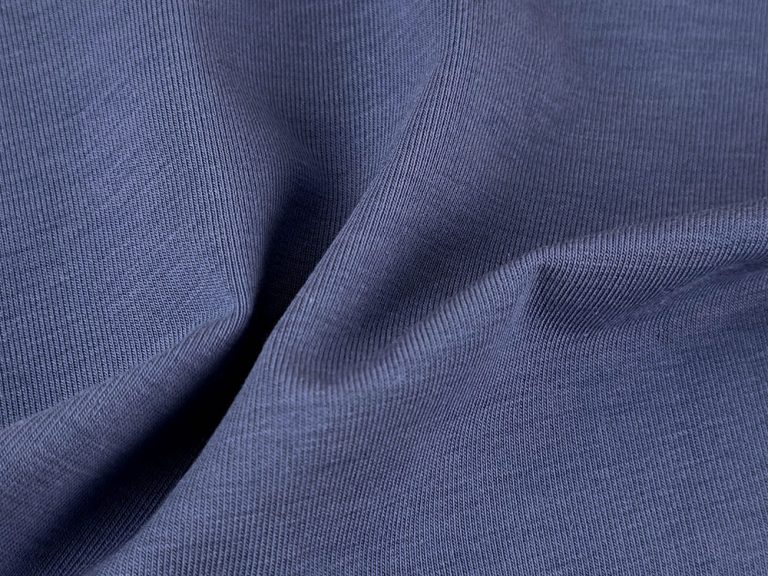
Item No.
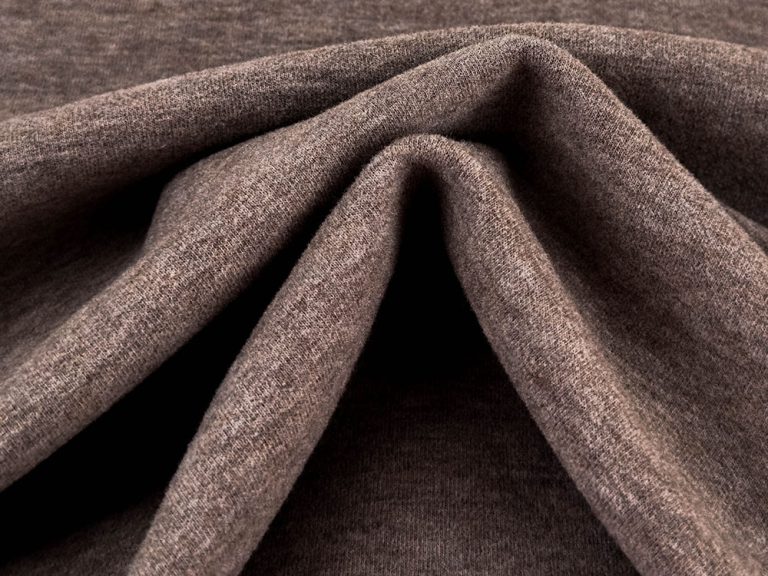
Item No.
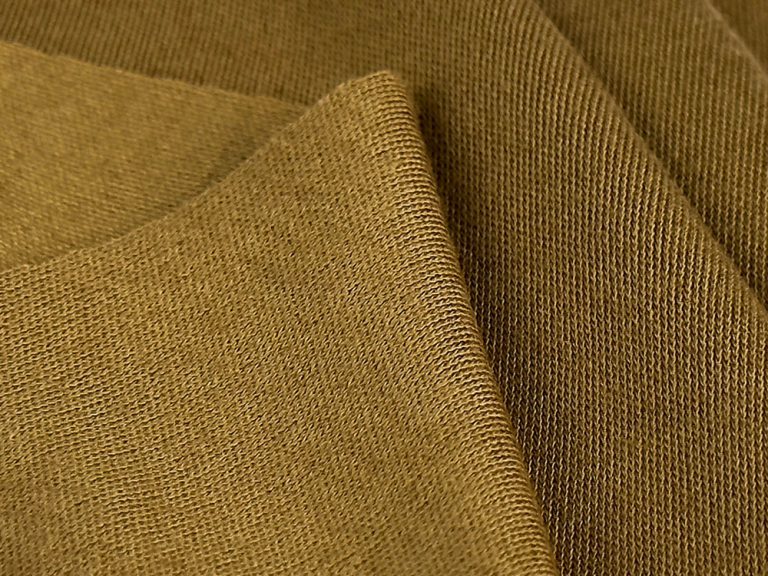
Item No.
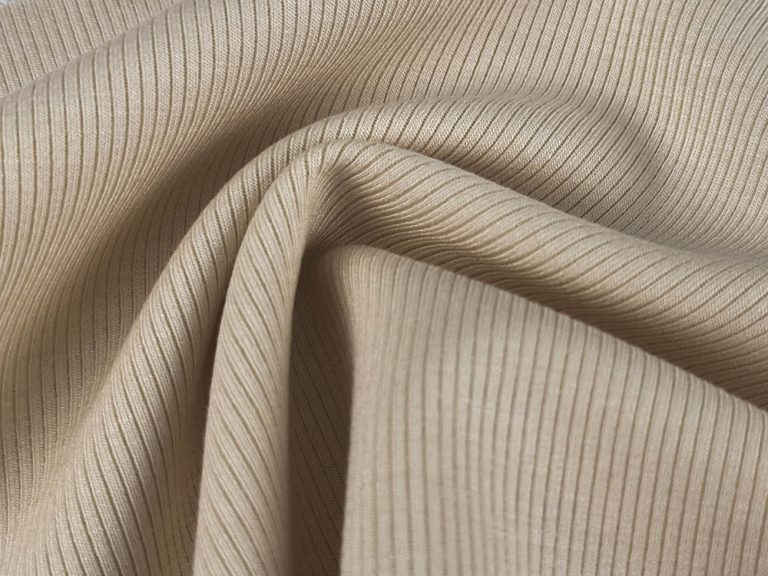
Item No.
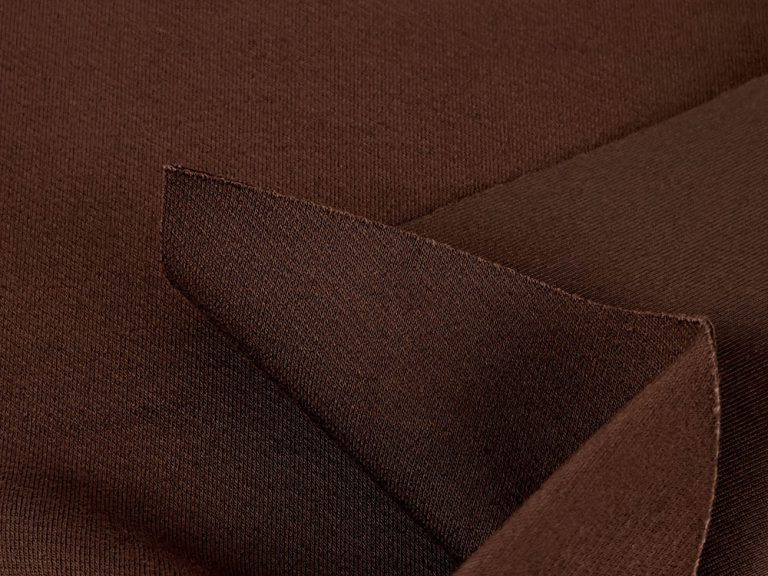
Item No.
Item No.
Item No.
| Item | Composition | Weight | Width | Details |
|---|---|---|---|---|
| KF3253 | 95% modal / 5% spandex | 180 GSM | 67/69″ (170/175 cm) | View specifications |
| DS42039 | 95% modal / 5% spandex | 175 GSM | 68.9″ (175 cm) | View specifications |
| KF3255 | 94% modal / 6% spandex | 260 GSM | 66/68″ (168/173 cm) | View specifications |
| KF3254 | 94% modal / 6% spandex | 145 GSM | 62/64″ (157/163 cm) | View specifications |
| KF3252 | 92% modal / 8% spandex | 260 GSM | 67/69″ (170/175 cm) | View specifications |
| DS42038 | 91% modal / 9% spandex | 190 GSM | 68.9″ (175 cm) | View specifications |
| ZD2179 | 80% modal / 20% polyester | 200 GSM | 63″ (160 cm) | View specifications |
| ZD37007 | 70% modal / 30% polyester | 180 GSM | 57.1″ (145 cm) | View specifications |
| SM21026 | 65% modal / 30% polyester / 5% spandex | 400 GSM | 61″ (155 cm) | View specifications |
| SM21021 | 60% modal / 35% polyester / 5% spandex | 300 GSM | 63″ (160 cm) | View specifications |
| ZD2188 | 53% modal / 47% polyester | 180 GSM | 59.1″ (150 cm) | View specifications |
| KQ2153 | 48% modal / 48% polyester / 4% spandex | 250 GSM | 59.1″ (150 cm) | View specifications |
| DS42036 | 47.5% cotton / 47.5% modal / 5% spandex | 170 GSM | 66.9″ (170 cm) | View specifications |
| DS42037 | 45.5% modal / 45.5% cotton / 9% spandex | 175 GSM | 66.9″ (170 cm) | View specifications |
| KF2022 | 43.5% cotton / 43.5% modal / 10% spandex / 3% silk | 280 GSM | 65″ (165 cm) | View specifications |
| SS36005 | 40% acrylic / 39% modal / 12% viscose / 6% wool / 3% spandex | 250 GSM | 65″ (165 cm) | View specifications |
| LW26010 | 5% wool / 31% modal / 58% polyester / 6% spandex | 400 GSM | 61″ (155 cm) | View specifications |
| KQ32006 | 5% wool / 31% modal / 58% polyester / 6% spandex | 400 GSM | 58.3″ (148 cm) | View specifications |
| KF2024 | 55.8% acrylic / 18.6% tencel / 18.6% modal / 7% spandex | 160 GSM | 66.9″ (170 cm) | View specifications |
| KF2023 | 54.6% acrylic / 18.2% tencel / 18.2% modal / 9% spandex | 270 GSM | 65″ (165 cm) | View specifications |
Our fabric library includes 277 modal and modal-blend knit options. Contact us for more compositions, weights and colours for your collection.
Modal knit fabric is made wholly or partly from modal, a regenerated cellulose fibre usually made from beech wood pulp. Modal is a high-wet-modulus fibre: it is stronger when wet than standard viscose, so it keeps its softness and shape better through washing. It feels very soft and smooth, drapes well and absorbs moisture, which is why it is used for underwear, T-shirts and loungewear worn close to the skin. In our library, modal is knitted most often as single jersey and double knit, and most modal qualities weigh 180–300 GSM. Modal/spandex is the largest blend, followed by polyester/modal/spandex for heavier sweat tops. Modal costs more than cotton or viscose, and very light modal jersey can be more delicate, so the fibre share and weight should match the garment.
Modal/spandex covers most close-to-skin garments in our library, while cotton and polyester blends extend modal into tees and sweatwear.
| Fabric type | Fabric examples | Apparel applications |
|---|---|---|
| Modal/spandex | 175–260 GSM, such as KF3253 (95% modal / 5% spandex) at 180 GSM | Underwear, camisoles, T-shirts and loungewear |
| Cotton/modal/spandex and modal/cotton blends | 160–260 GSM, such as DS42036 (47.5% cotton / 47.5% modal / 5% spandex) at 170 GSM | T-shirts, loungewear and dresses |
| Modal/polyester | 180–225 GSM, such as ZD2179 (80% modal / 20% polyester) at 200 GSM | Base layers, T-shirts and camisoles |
| Polyester/modal/spandex | 275–400 GSM, such as SM21021 (60% modal / 35% polyester / 5% spandex) at 300 GSM | Sweatshirts, streetwear and casual trousers |
Choose 170–200 GSM modal/spandex for underwear, 175–240 GSM for T-shirts and camisoles, 180–235 GSM for loungewear, 180–280 GSM for dresses and base layers, and 270–330 GSM polyester/modal blends for sweat tops.
Below 200 GSM
9 qualities
200–299 GSM
8 qualities
300 GSM and above
5 qualities
Modal is usually chosen as a softer alternative to cotton and a more durable alternative to viscose.
| Feature | Modal Knit | Cotton Knit | Viscose Knit |
|---|---|---|---|
| Fibre | Regenerated cellulose, usually from beech pulp | Natural cellulose | Regenerated cellulose from wood pulp |
| Hand feel | Very soft and smooth | Soft, dry and natural | Soft, cool and fluid |
| After washing | Keeps softness; higher wet strength | Can shrink and stiffen slightly | Lower wet strength; check shrinkage |
| Typical weights in our library | 180–300 GSM | 200–320 GSM | 220–300 GSM |
| Typical garments | Underwear, tees and loungewear | T-shirts, polos and sweatwear | Dresses, camisoles and base layers |
Xiwen Zhang, our co-founder and CEO, recommends these modal weights and blends for the close-to-skin garments our customers develop most often, drawing on our knit fabric experience since 2009.
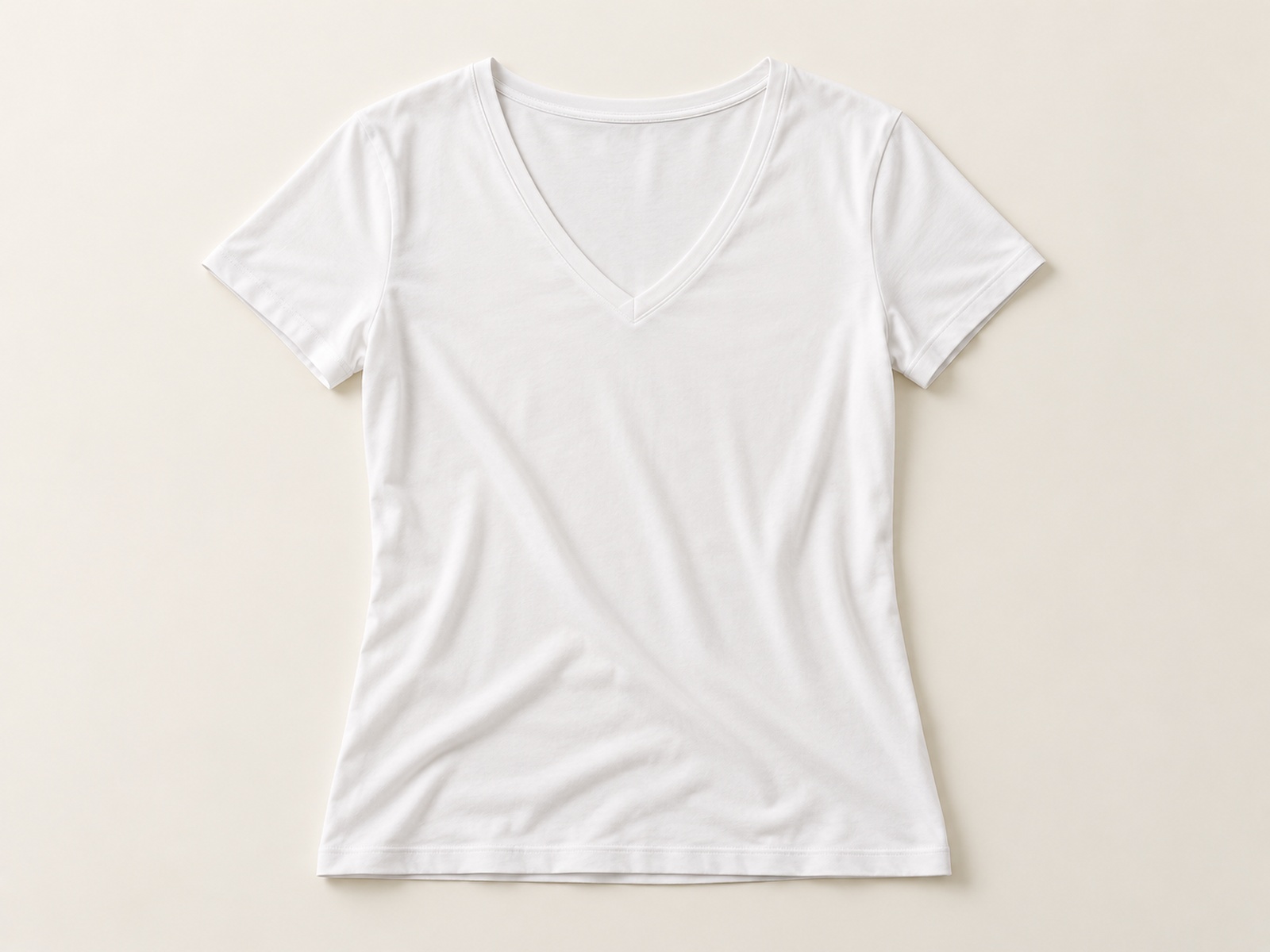
SOFTNESS YOU NOTICE
175–240 GSM modal/spandex or cotton/modal/spandex works well for premium soft T-shirts. In our modal library, T-shirts are the most common use. Modal gives a noticeably softer, smoother hand than cotton, and a cotton/modal blend balances softness with a more natural feel.
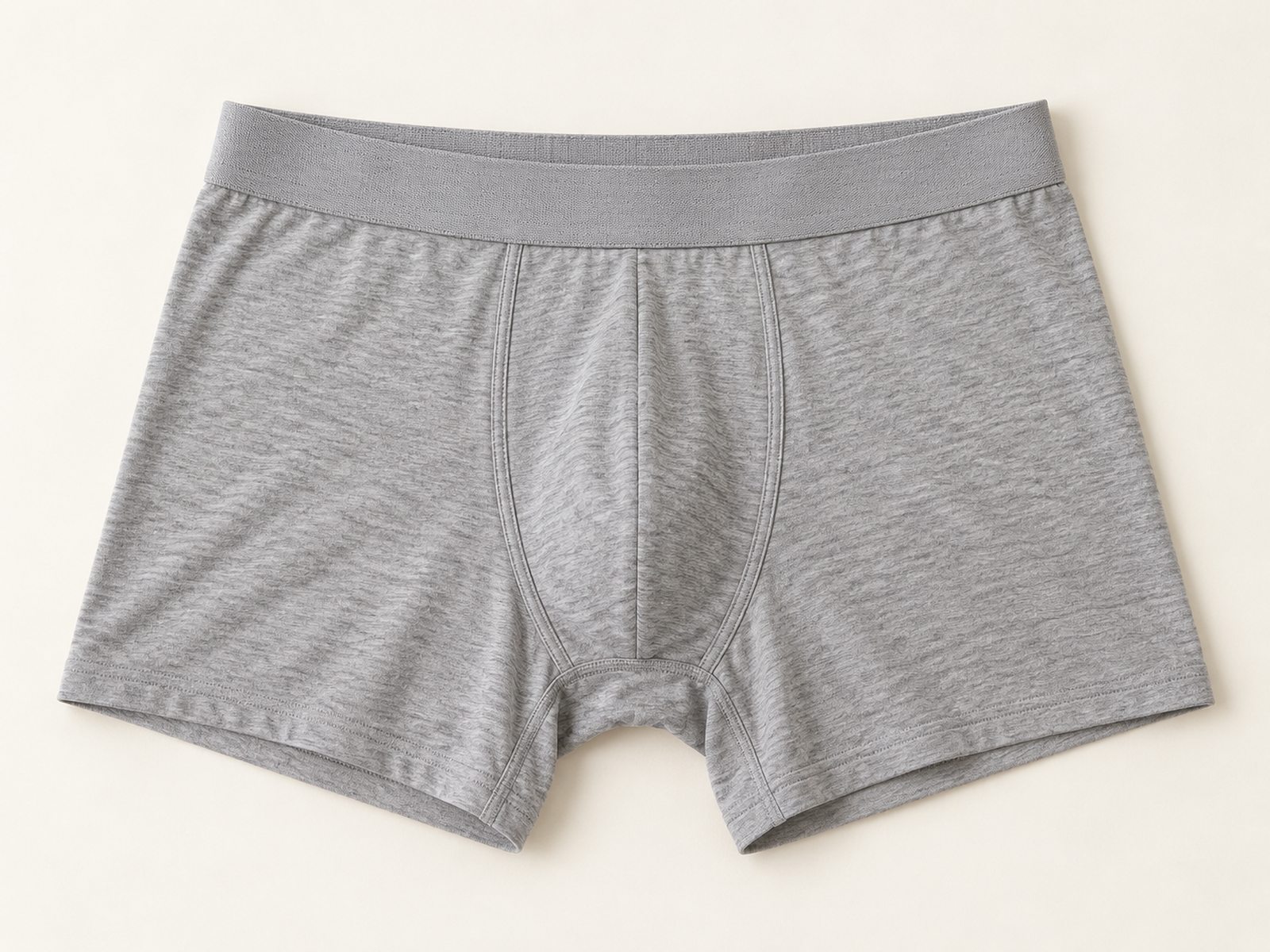
COMFORT THAT LASTS
For briefs, boxers and bralettes, look for 170–200 GSM modal/spandex, the main underwear blend in our modal library. Modal keeps its softness through repeated washing, and spandex keeps waistbands and leg openings comfortable.
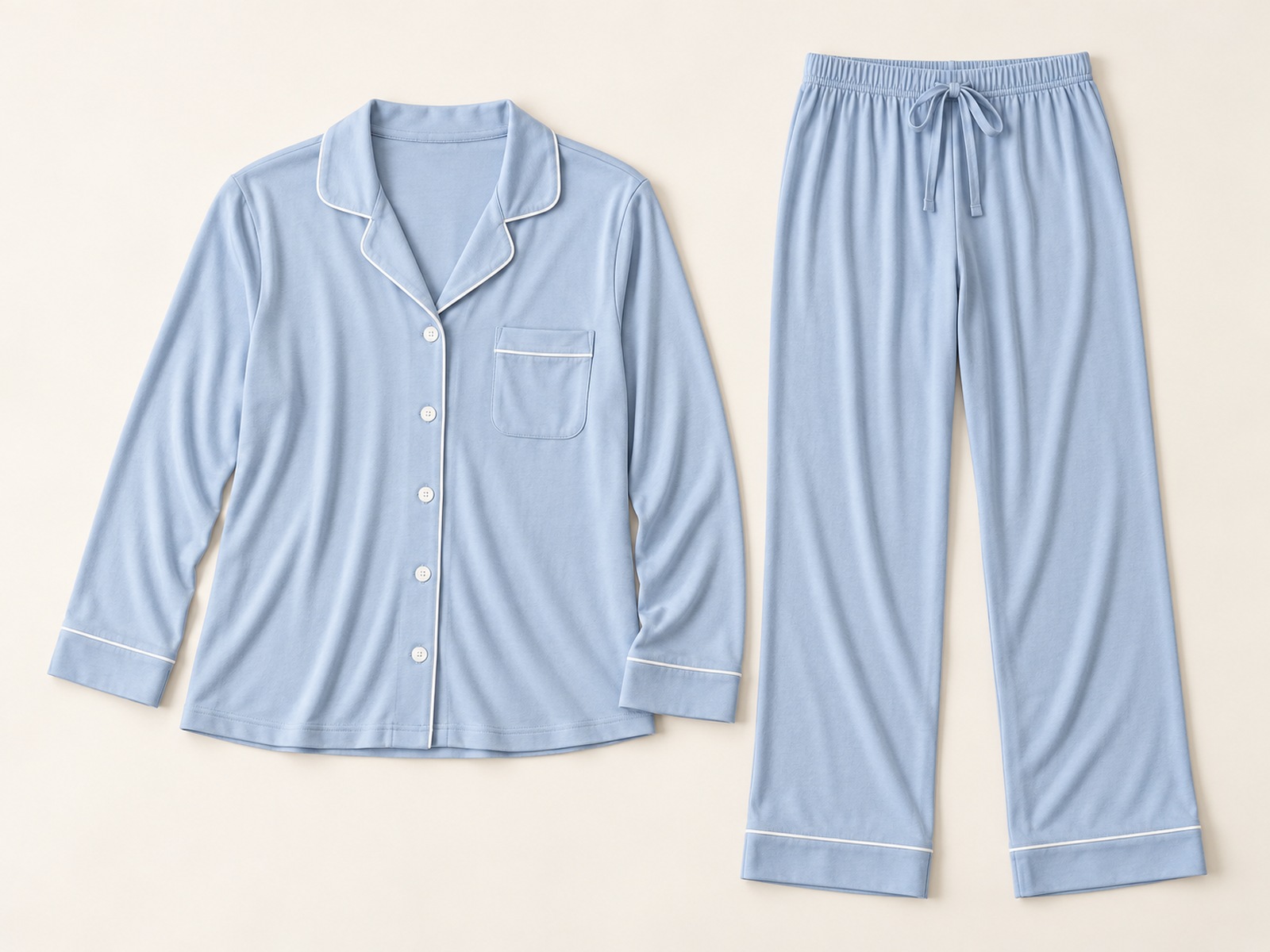
MADE FOR SLOW MORNINGS
Choose 180–235 GSM modal/spandex or cotton/modal/spandex for pyjamas and lounge sets. The soft drape and moisture absorption make modal comfortable for sleepwear in every season.
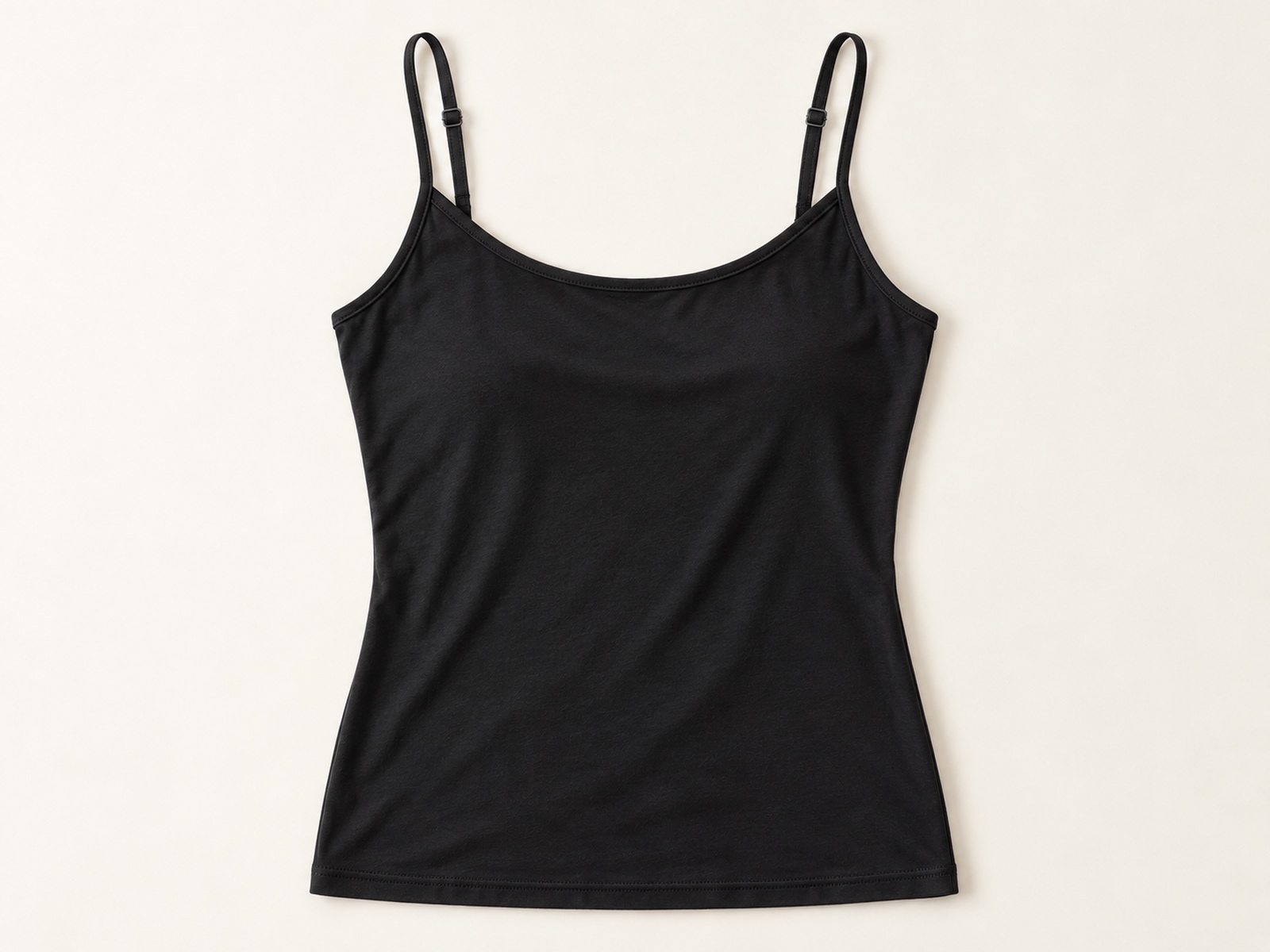
SMOOTH UNDER EVERYTHING
175–230 GSM modal/spandex works well for camisoles and soft bralettes. It sits smoothly under shirts and knitwear and feels soft along straps and neckline edges.
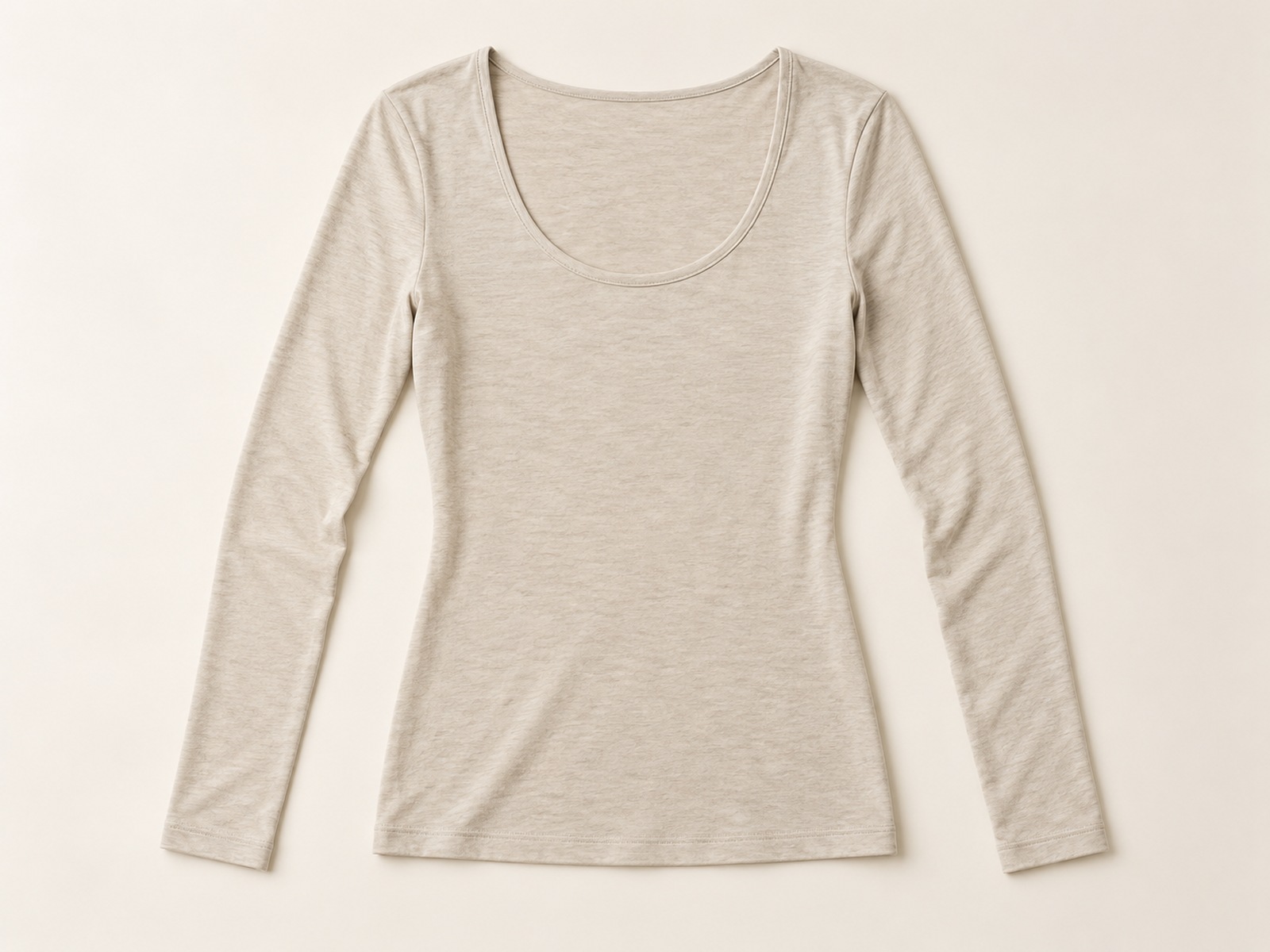
A SOFT FIRST LAYER
For long-sleeve base layers, start with 180–260 GSM modal/spandex or modal/polyester. Modal absorbs moisture and stays soft against the skin, while polyester in the blend adds durability.
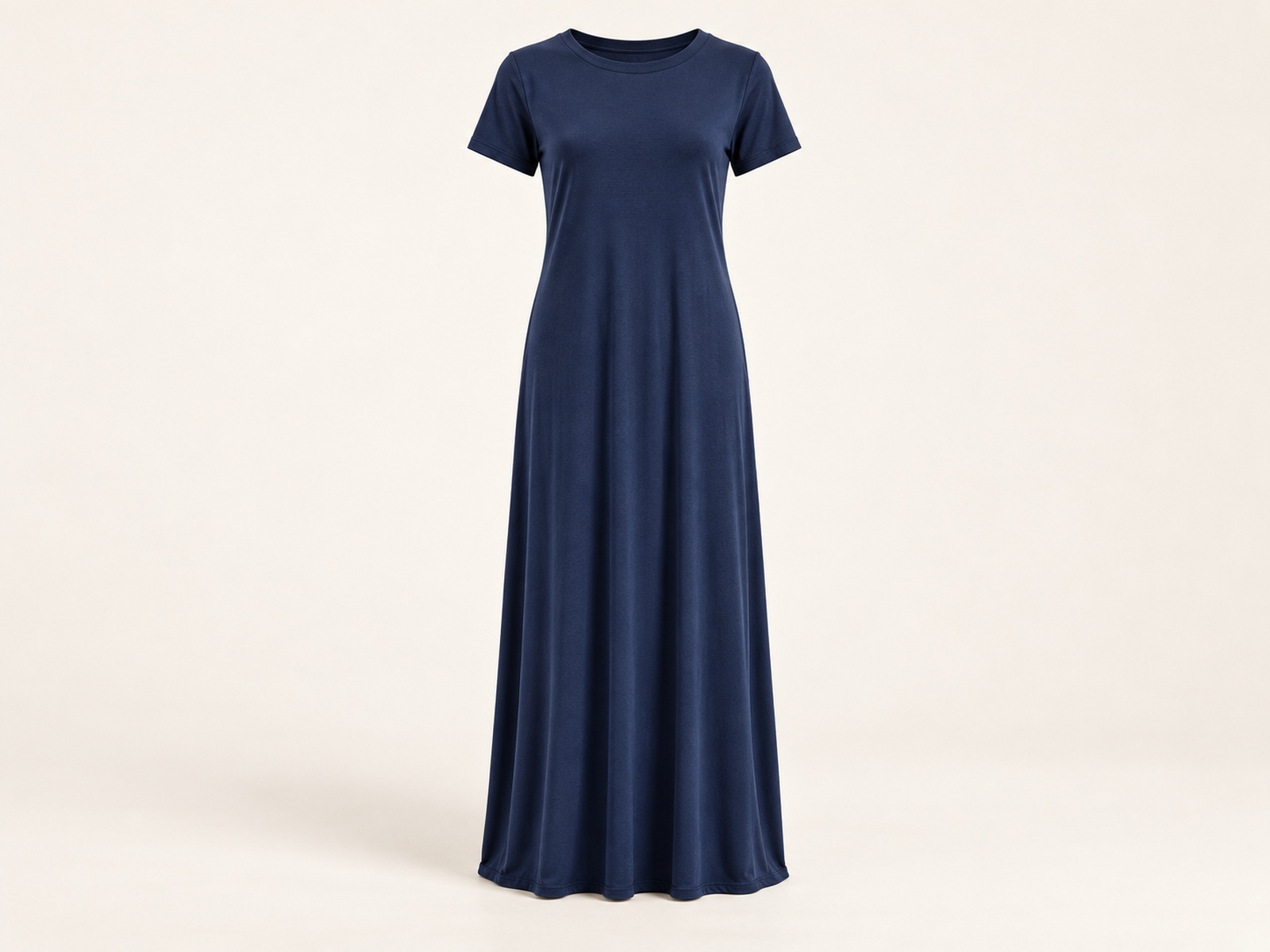
SOFT DRAPE FOR DRESSES
Choose 180–280 GSM modal blends for T-shirt and slip-style knit dresses. Modal adds a soft, fluid fall, and polyester or cotton in the blend gives the dress more body.
SOFTER SWEATWEAR
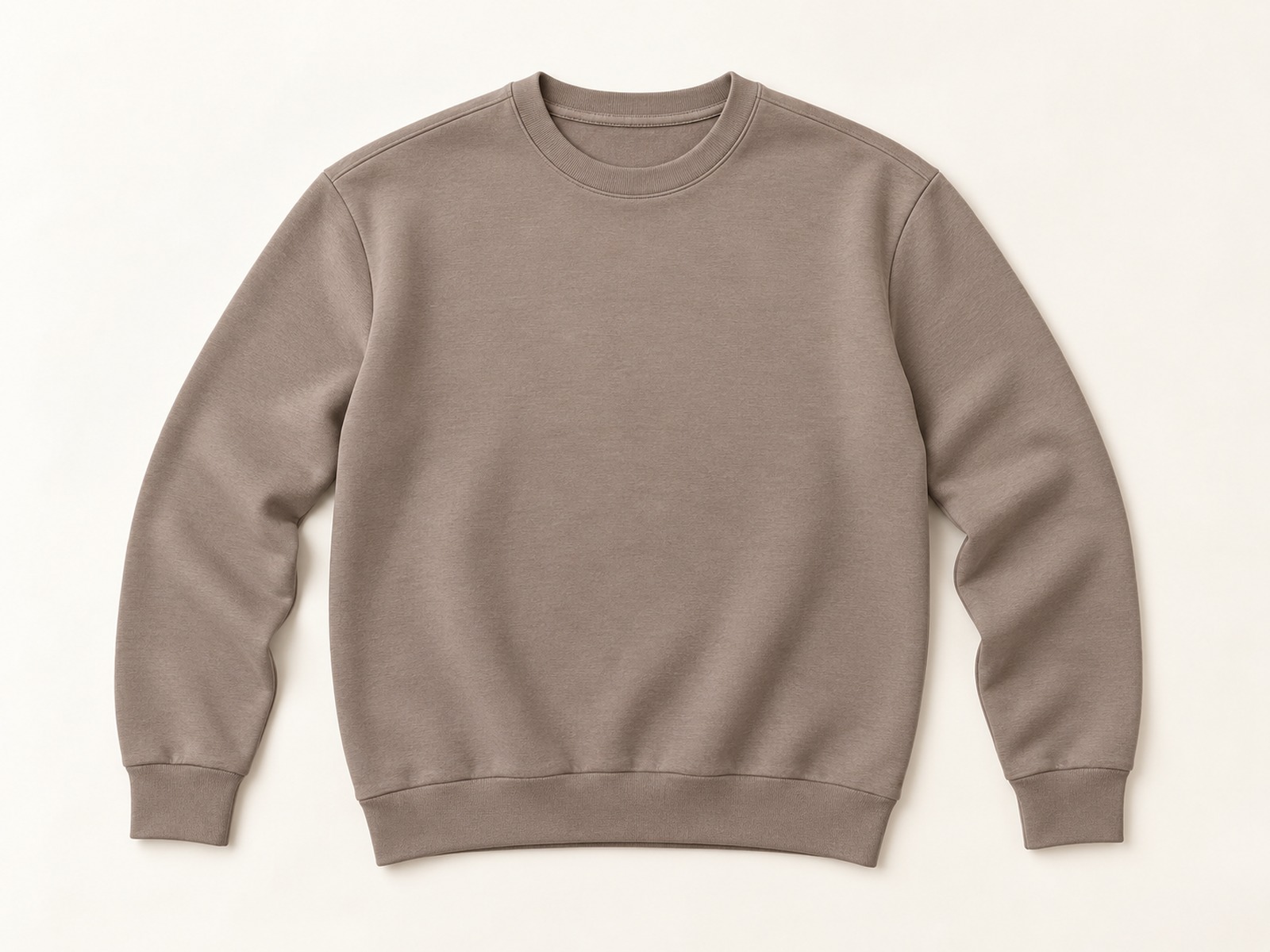
270–330 GSM polyester/modal/spandex works well for soft sweatshirts and streetwear tops. It gives sweatwear a smoother, softer face than cotton fleece, and the polyester keeps the shape stable.

Both are regenerated cellulose fibres, but modal has a higher wet strength. Modal keeps its softness and shape better through washing, while viscose is more fluid but can shrink more. Modal usually costs more.
Yes. Modal/spandex at around 170–200 GSM is the main underwear blend in our modal library. It feels soft, absorbs moisture and keeps waistbands and leg openings comfortable.
No. Modal is a generic fibre name. Branded modal fibres exist, but a brand name should only be used when the yarn is supplied and documented under that brand.
Shrinkage after washing comes first, because regenerated cellulose such as modal relaxes more than cotton; state the ISO 6330 procedure and the drying method. For underwear and sleepwear at 170–235 GSM, add perspiration fastness in both solutions and pH, and pilling for modal/cotton blends in areas that rub.
Stock fabric orders start at 1 roll (~23 kg) per colour. Custom-colour orders start at 200 kg per colour.
Compare complementary fibres and knit constructions for your next apparel collection.
Read practical guides to fibre blends, garment selection and knit construction.