Knit Fabric Manufacturer Since 2009 · China
Knit Fabric Manufacturer Since 2009 · China

SPANDEX BLEND KNIT · FABRIC SOURCING
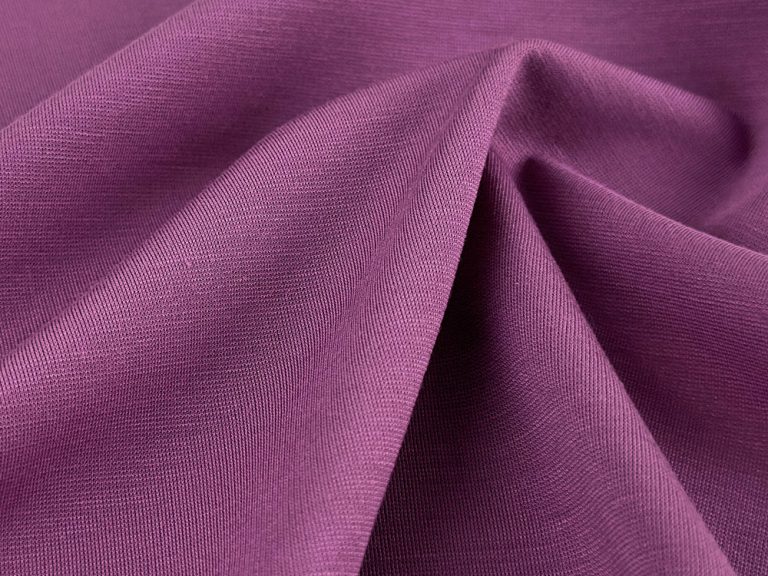
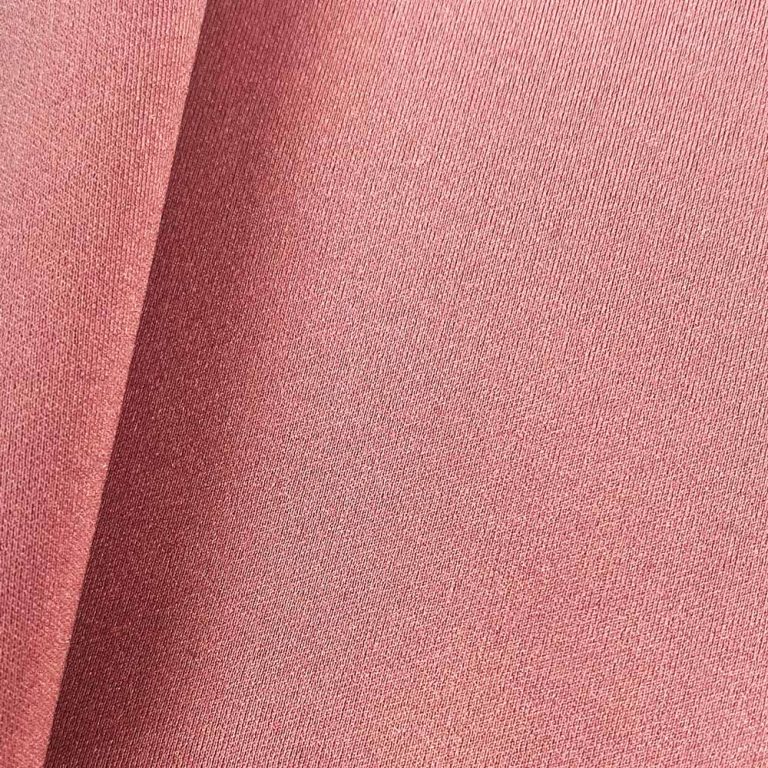
Runtang Textile manufactures spandex blend knit fabrics for fitted T-shirts, dresses, base layers, stretch trousers, camisoles and activewear. Choose cotton/spandex, polyester/spandex, nylon/spandex or viscose/spandex, from about 5% comfort stretch to 15–25% for yoga wear and swimwear. Stock orders start at 1 roll (~23 kg) per colour; custom colours start at 200 kg per colour.
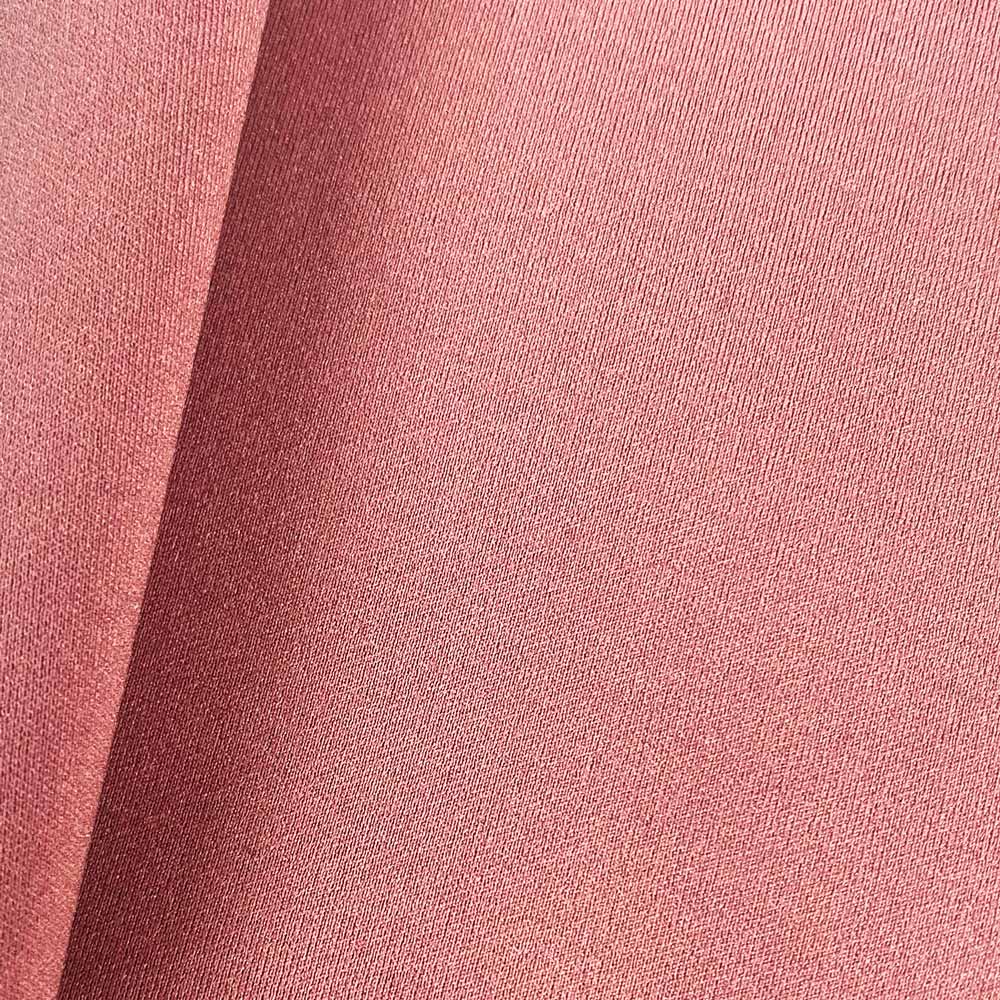
Spandex Blend Knit Fabric for apparel brands, garment manufacturers and fabric sourcing teams.
Explore our online spandex-blend knit range, backed by a library of 3,065 options.
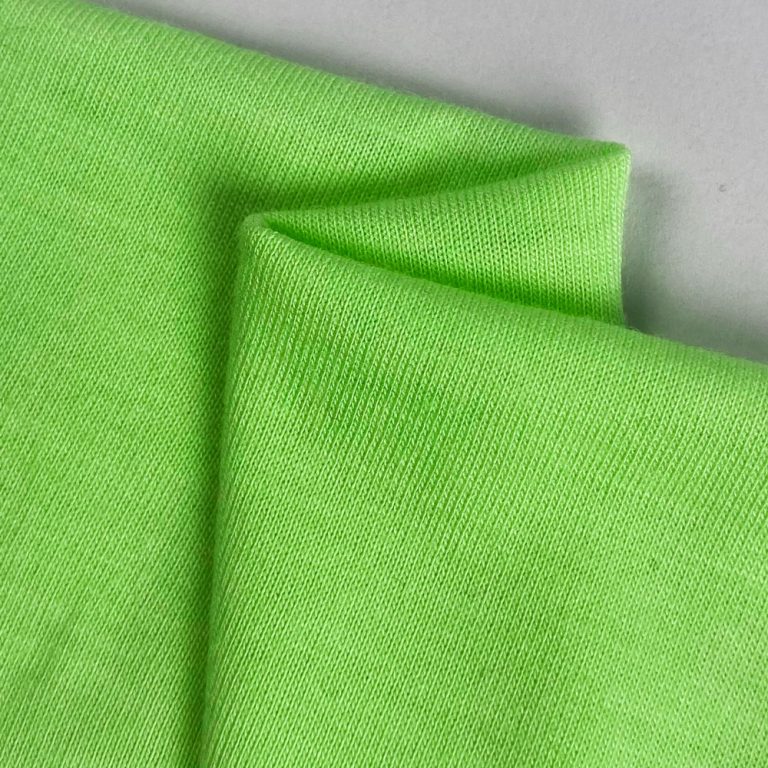
Item No.
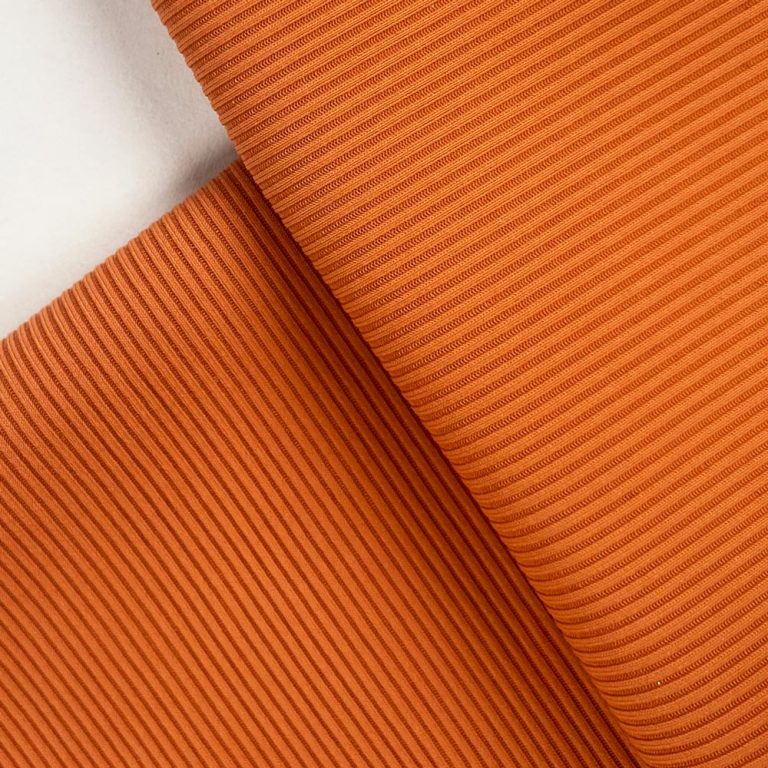
Item No.
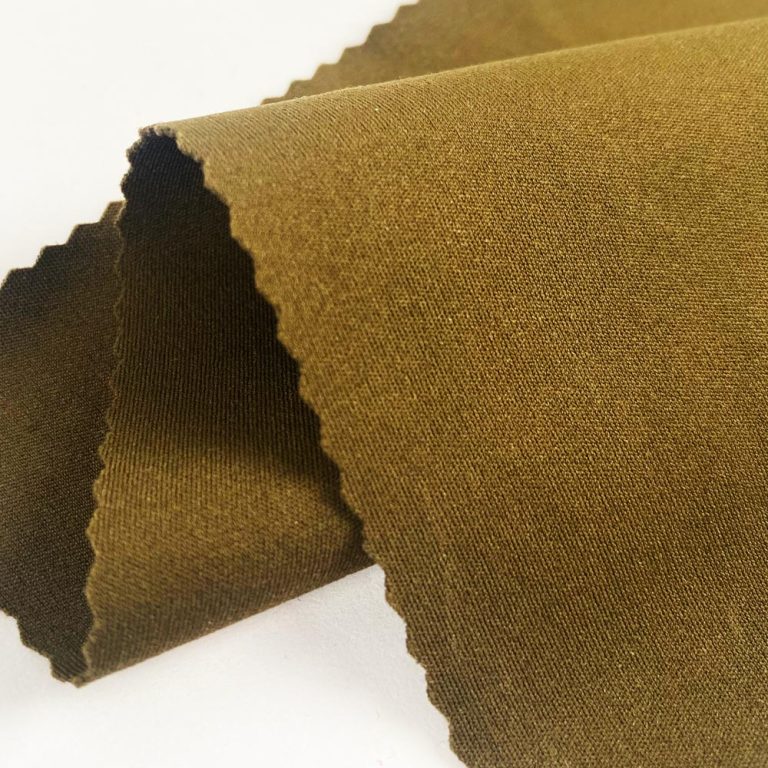
Item No.
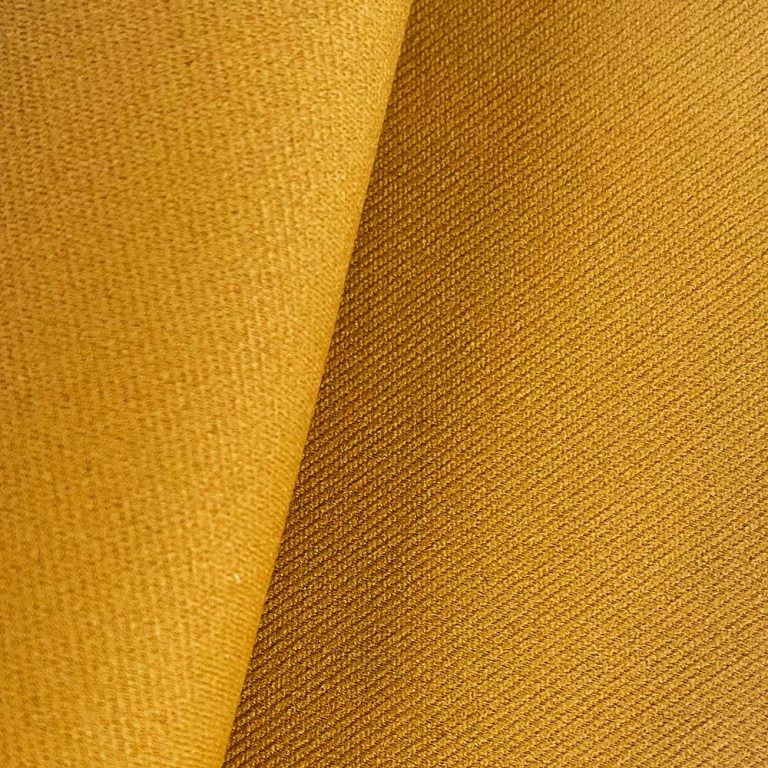
Item No.
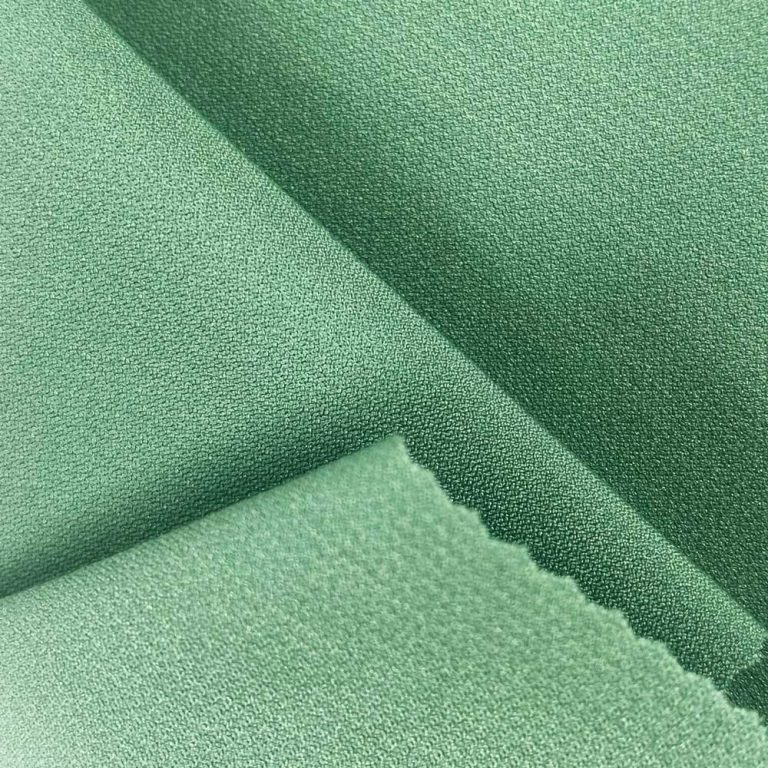
Item No.
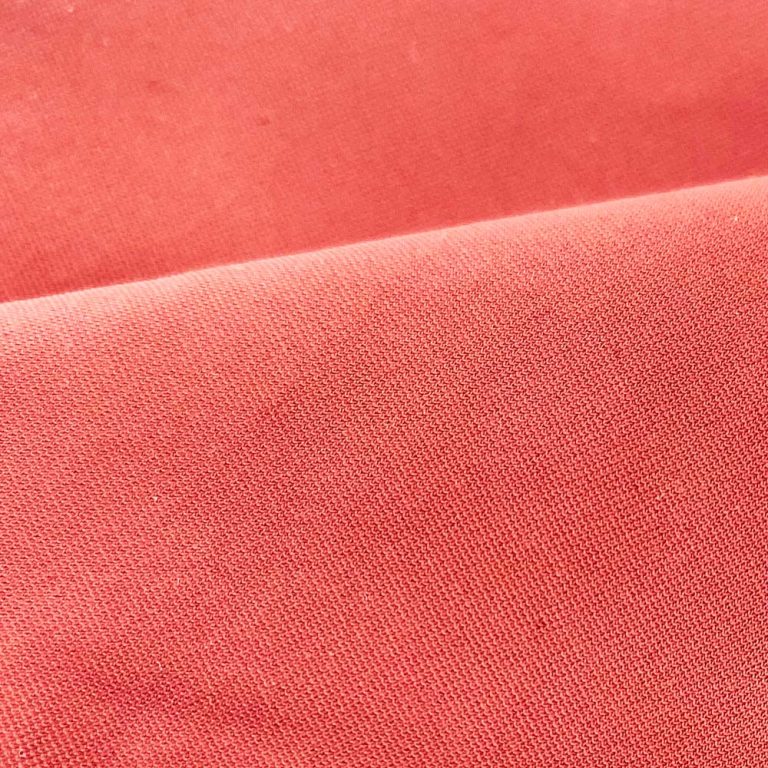
Item No.
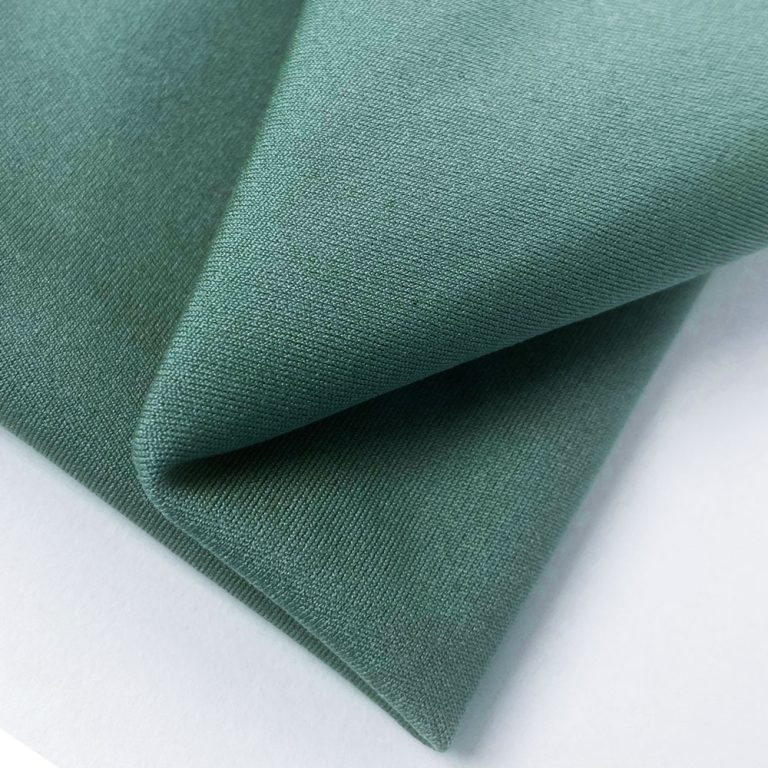
Item No.
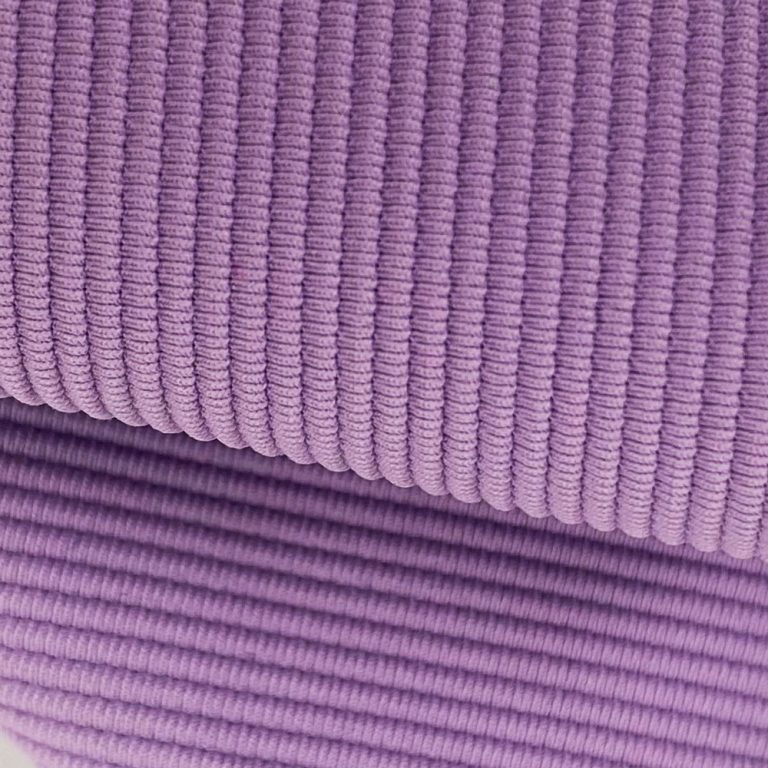
Item No.
Item No.

Item No.
Item No.
Item No.
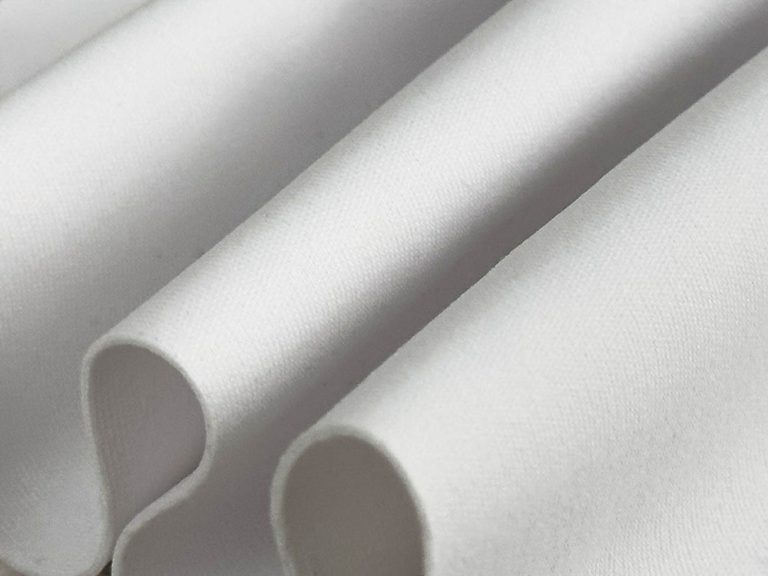
Item No.
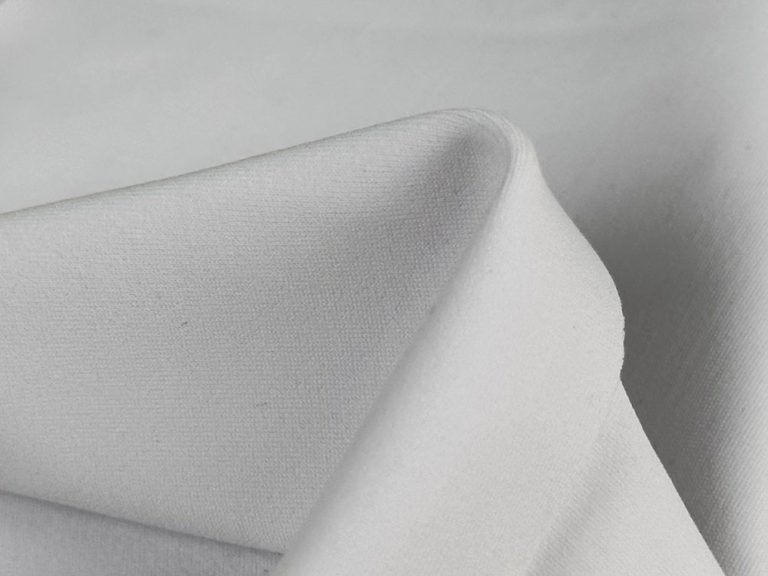
Item No.
| Item | Composition | Weight | Width | Details |
|---|---|---|---|---|
| KF3215 | 58% nylon / 42% spandex | 160 GSM | 64/66 | View specifications |
| KF3251 | 70% bamboo fiber / 30% spandex | 130 GSM | 65/67″ (165/170 cm) | View specifications |
| KF3235 | 72% nylon / 28% spandex | 160 GSM | 51/53″ (130/135 cm) | View specifications |
| KF3233 | 73% nylon / 27% spandex | 300 GSM | 55/57″ (140/145 cm) | View specifications |
| KF3229 | 73% nylon / 27% spandex | 220 GSM | 61/63″ (155/160 cm) | View specifications |
| KF3237 | 73% nylon / 27% spandex | 170 GSM | 62/64″ (157/163 cm) | View specifications |
| KF3226 | 74% nylon / 26% spandex | 165 GSM | 64/66″ (163/168 cm) | View specifications |
| KF3231 | 74% nylon / 26% spandex | 240 GSM | 62/64″ (157/163 cm) | View specifications |
| KF3219 | 75% nylon / 25% spandex | 250 GSM | 61/63 | View specifications |
| KF3208 | 75% nylon / 25% spandex | 220 GSM | 66/68″ (168/173 cm) | View specifications |
| KF3232 | 75% nylon / 25% spandex | 230 GSM | 62/64″ (157/163 cm) | View specifications |
| KF3227 | 75% nylon / 25% spandex | 220 GSM | 62/64″ (157/163 cm) | View specifications |
| ZB11022 | 75% polyester / 25% spandex | 160 GSM | 61″ (155 cm) | View specifications |
| JL12007 | 75% nylon / 25% spandex | 165 GSM | 63″ (160 cm) | View specifications |
| JL12030 | 75% nylon / 25% spandex | 220 GSM | 57.1″ (145 cm) | View specifications |
| KF2117 | 75% nylon / 25% spandex | 230 GSM | 65″ (165 cm) | View specifications |
| JL12011 | 75% nylon / 25% spandex | 230 GSM | 63″ (160 cm) | View specifications |
| JL12029 | 75% nylon / 25% spandex | 230 GSM | 63″ (160 cm) | View specifications |
| ZB11015 | 75% polyester / 25% spandex | 240 GSM | 61″ (155 cm) | View specifications |
| ZB11014 | 75% polyester / 25% spandex | 250 GSM | 61″ (155 cm) | View specifications |
Our fabric library includes 3,065 spandex-blend knit options. Contact us for more compositions, weights and colours for your collection.
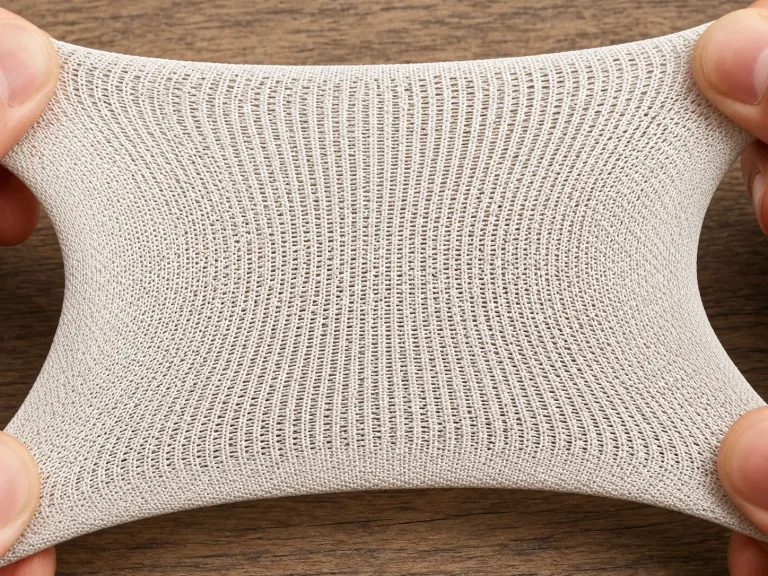
Spandex blend knit fabric combines a small share of spandex (also called elastane) with a main fibre such as cotton, polyester, nylon or viscose. Spandex can stretch several times its length and return, so even a few percent changes how a knit fits, moves and recovers. The main fibre still decides the hand, breathability and care. In our library, more than half of all qualities contain spandex, and about four in five of these contain 10% spandex or less: around 5–8% is typical for T-shirts, dresses and trousers, while yoga wear and swimwear mostly use 12–23%. Polyester/spandex and cotton/spandex are the largest blends. Spandex improves fit and comfort, but it is sensitive to high heat and chlorine, and the stretch you get depends on the construction as much as on the percentage.
The main fibre sets the character of a spandex blend; the spandex share sets how much it stretches and recovers.
| Fabric type | Fabric examples | Apparel applications |
|---|---|---|
| Cotton/spandex | 190–260 GSM, usually 5–8% spandex | Fitted T-shirts, dresses, base layers and loungewear |
| Polyester/spandex and polyester/viscose/spandex | 180–300 GSM, such as ZB11015 (75% polyester / 25% spandex) at 240 GSM | Dresses, skirts, base layers and sports tops |
| Nylon/spandex | 160–220 GSM, such as KF3226 (74% nylon / 26% spandex) at 165 GSM | Yoga wear, leggings, swimwear and sports bras |
| Viscose/spandex and modal/spandex | 180–260 GSM | Camisoles, base layers, loungewear and draped tops |
Choose 160–220 GSM nylon/spandex for activewear, 180–240 GSM cotton/spandex for fitted tees, 180–250 GSM for camisoles and loungewear, 190–280 GSM for dresses and base layers, and 250–330 GSM for stretch trousers.
Below 200 GSM
150 qualities
200–299 GSM
224 qualities
300 GSM and above
98 qualities
Use this comparison to decide how much stretch a garment needs: none, comfort stretch or high stretch.
| Feature | Spandex Blend Knit | Cotton Knit | Nylon Spandex Knit |
|---|---|---|---|
| Typical spandex share | Mostly 10% or less | 0% in pure cotton; 5–8% in cotton/spandex | Mostly 10–30% |
| Stretch and recovery | Comfort stretch with good recovery | Natural knit stretch, less recovery | High stretch and firm recovery |
| Hand feel | Set by the main fibre | Soft, dry and natural | Soft, cool and smooth |
| Typical weights in our library | 190–300 GSM | 200–320 GSM | 160–220 GSM |
| Typical garments | Fitted tees, dresses, trousers and base layers | T-shirts, polos and sweatwear | Yoga wear, leggings and swimwear |
Xiwen Zhang, our co-founder and CEO, recommends these spandex blends and weights for the garments where fit and recovery matter most, drawing on our knit fabric experience since 2009.
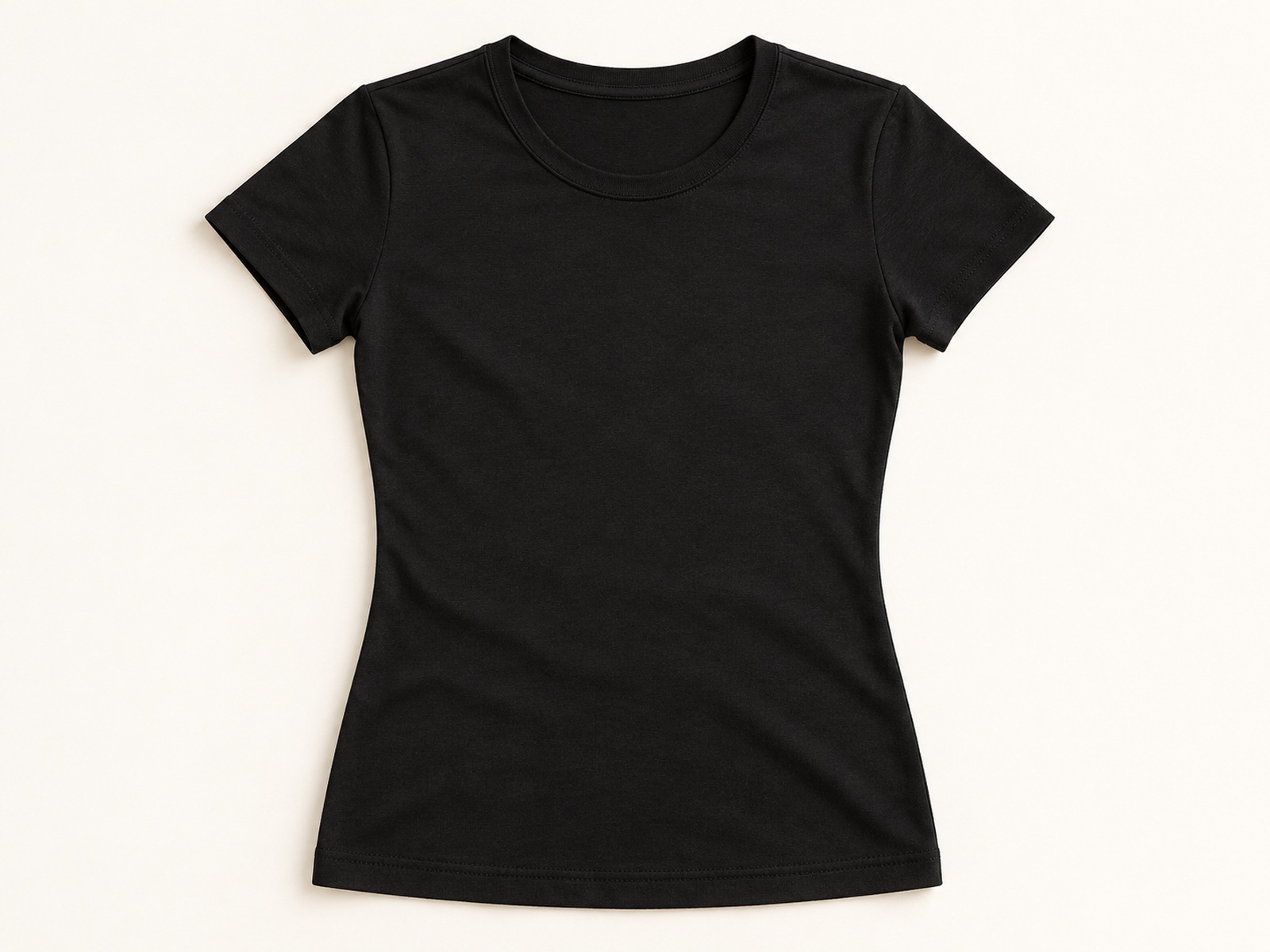
A TEE THAT KEEPS ITS FIT
For fitted and slim T-shirts, start with 180–240 GSM cotton/spandex with about 5–8% spandex. T-shirts are the largest use for spandex blends in our library. The spandex keeps the neckline and body from stretching out over the day.
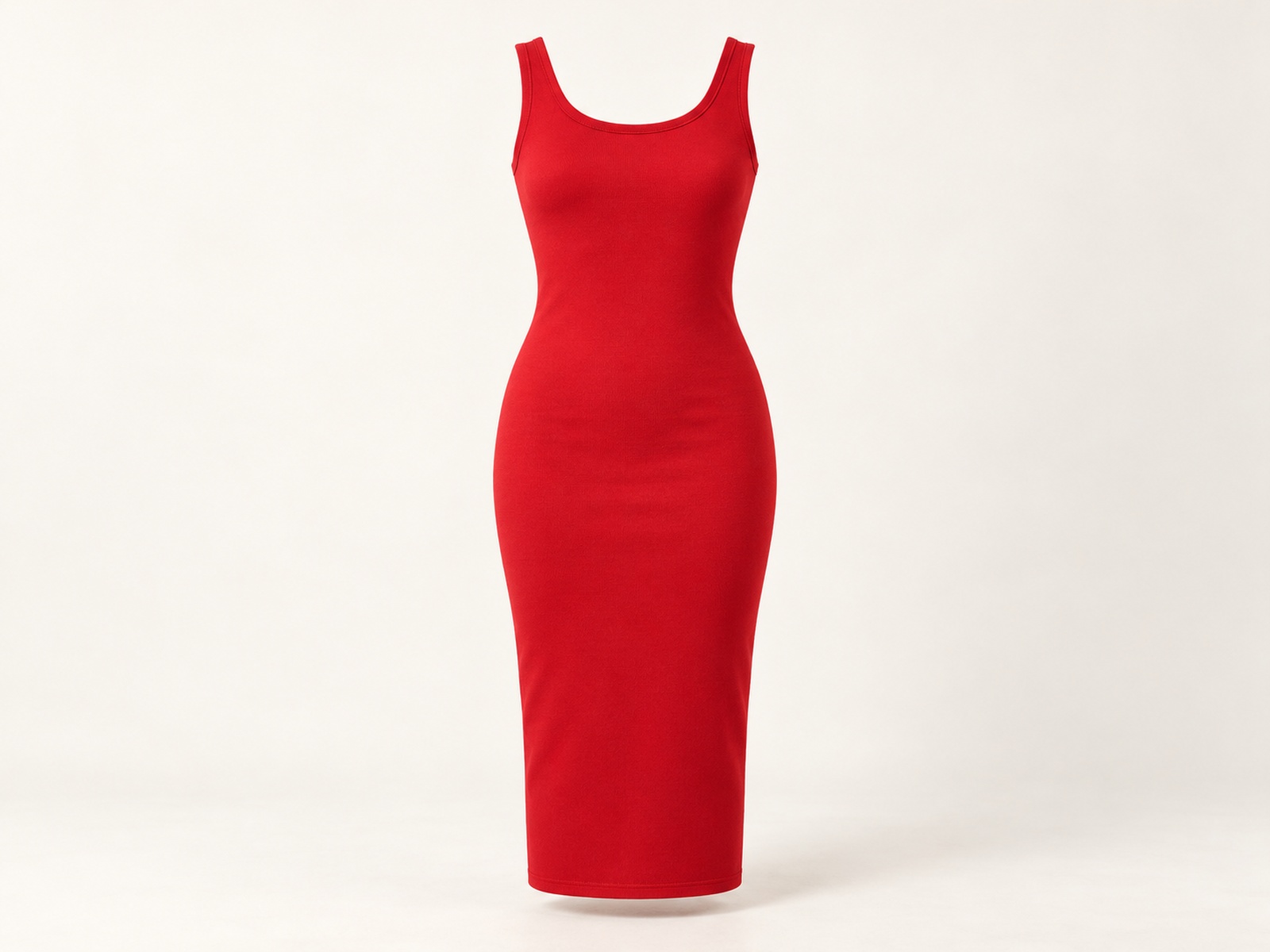
BODY-SKIMMING SHAPE
For bodycon and fitted knit dresses, choose 190–280 GSM polyester/spandex, the most common dress blend in our spandex library. Around 5–7% spandex gives a close fit without pulling at the seams.
CLOSE TO THE SKIN
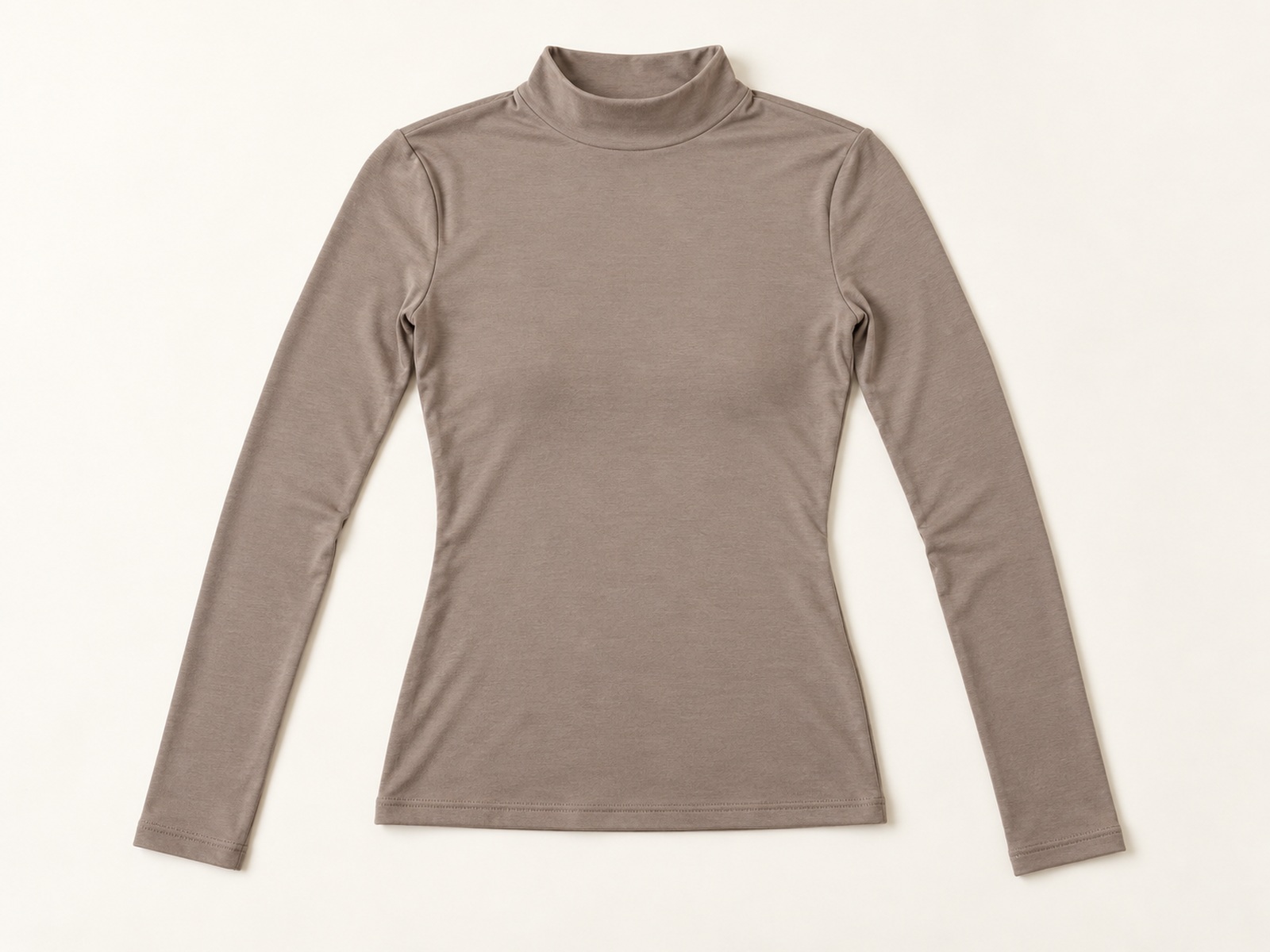
200–280 GSM spandex blends work well for base-layer and thermal-style tops. Choose cotton/spandex for a natural hand, polyester/spandex for quick drying, or a viscose blend for extra softness.
COMFORT IN A TAILORED LEG
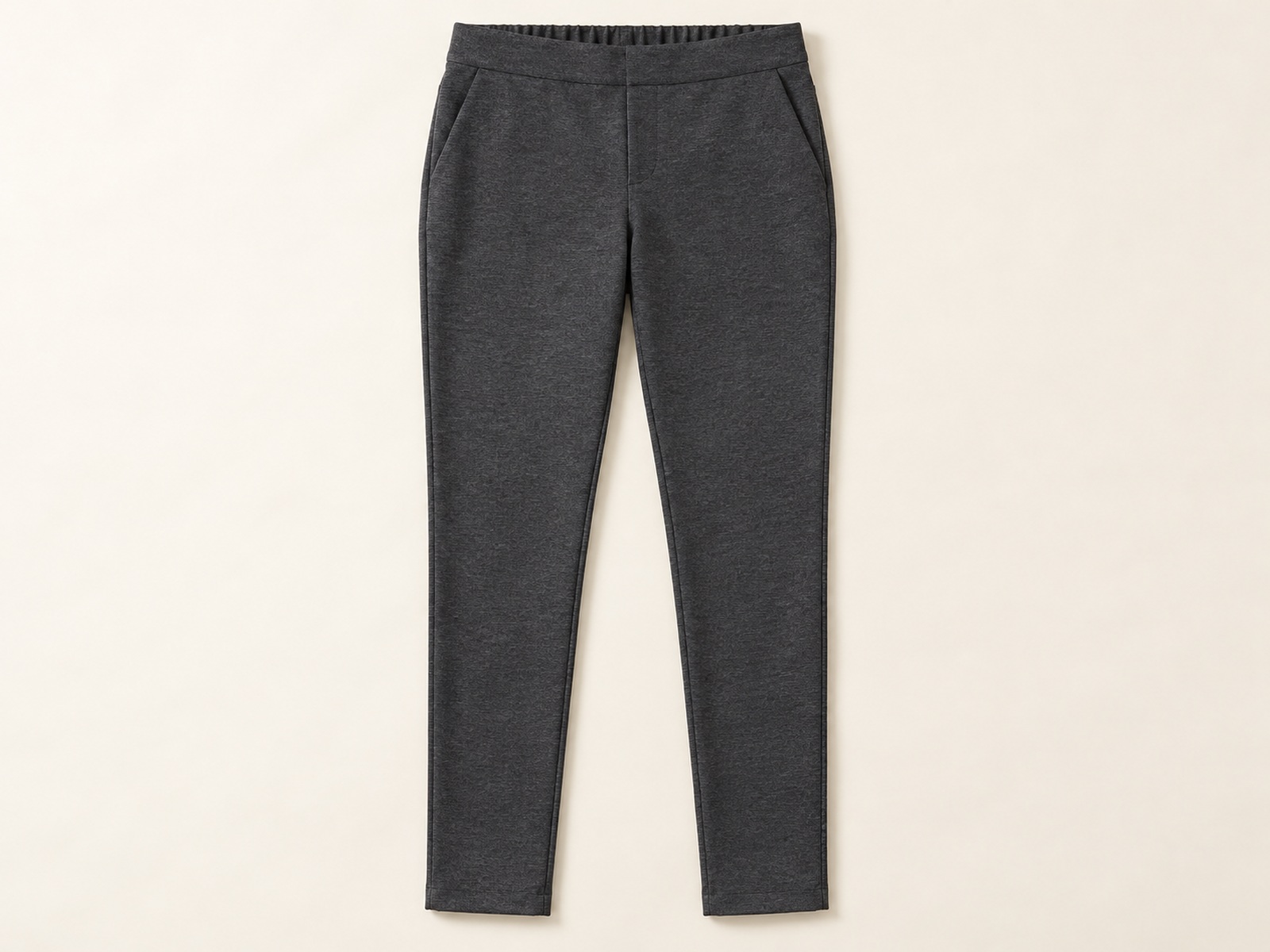
For stretch trousers and joggers, start with 250–330 GSM with 4–7% spandex. The stretch lets a slim leg move without bagging at the knee, and the heavier weight keeps the trousers opaque.
SOFT LAYERS FOR EVERY DAY
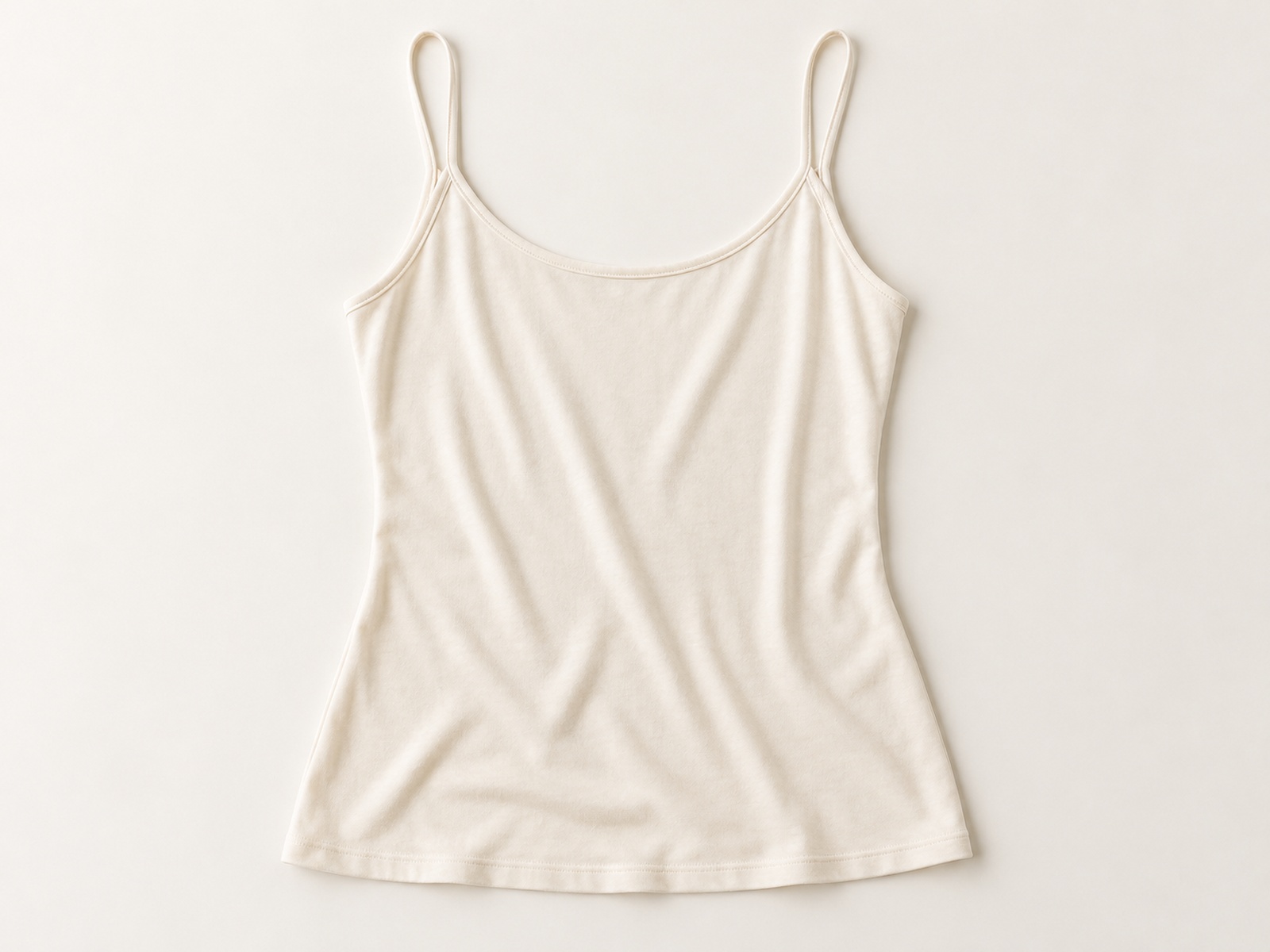
For camisoles and tank tops, choose 180–250 GSM viscose/spandex for a soft, fluid hand, or nylon/spandex for a smoother, cooler fit. Both keep a close-fitting layer comfortable without visible bulk.
HIGH STRETCH FOR MOVEMENT
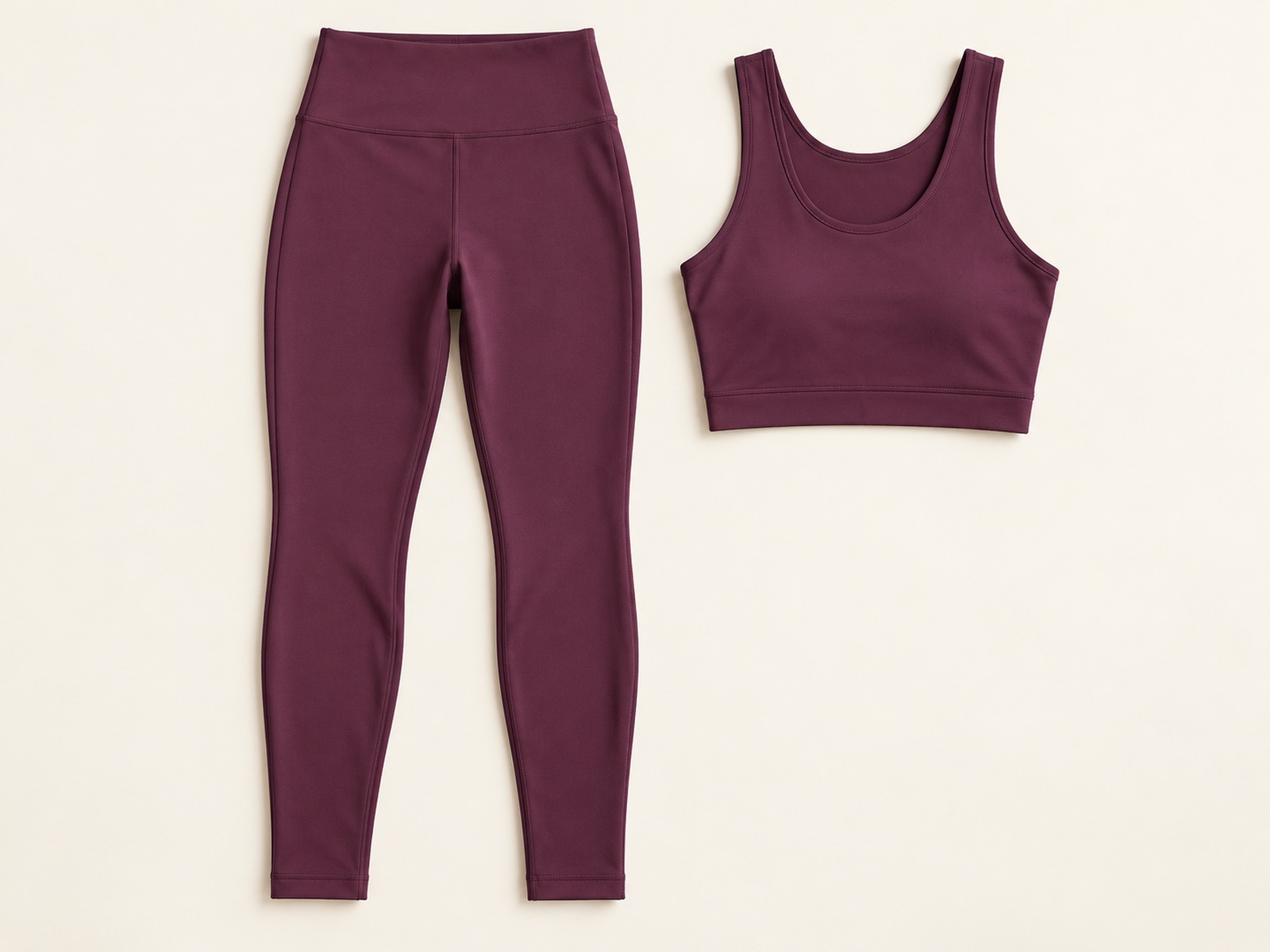
For yoga wear and leggings, start with 160–220 GSM nylon/spandex with a higher spandex share, typically 12–23% in our library. More spandex gives firmer recovery and support; confirm opacity and stretch on a sample.
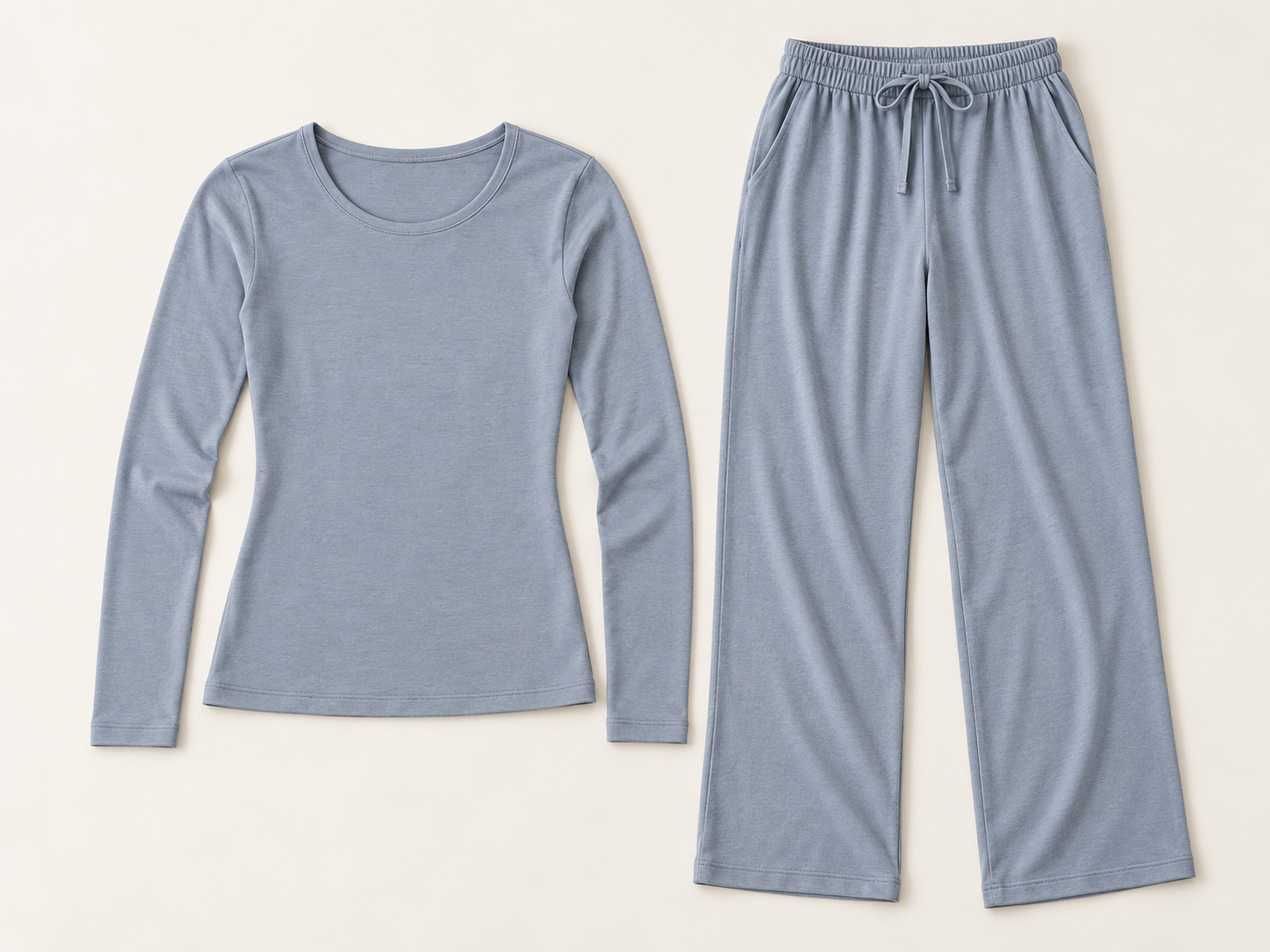
STRETCH FOR REST DAYS
For loungewear and sleep sets, start with 180–250 GSM cotton/spandex or viscose/spandex. A little spandex keeps cuffs, waistbands and fitted tops in shape after repeated wear and washing.

Spandex and elastane are two names for the same fibre: spandex is used mainly in North America, elastane in Europe and elsewhere. Lycra is a brand name for one producer's spandex; use it only when the yarn is supplied and documented as Lycra.
In our library, T-shirts, dresses and trousers mostly use about 5–8% spandex, while yoga wear and swimwear mostly use 12–23%. Start from the garment type, then confirm stretch and recovery on a sample.
Not always. Recovery depends on the spandex yarn, the knit construction, the main fibre and the finishing as well as the percentage. Compare stretch and recovery on samples of the selected qualities.
Start from the fibre the spandex is blended with, because that decides the tests: cotton/spandex needs shrinkage and wet rubbing, nylon/spandex needs perspiration and light fastness, and viscose/spandex needs shrinkage after washing. In every case heat-setting during finishing controls dimensional change, so tell us the care label before production.
Stock fabric orders start at 1 roll (~23 kg) per colour. Custom-colour orders start at 200 kg per colour.
Compare complementary fibres and knit constructions for your next apparel collection.
Read practical guides to fibre blends, garment selection and knit construction.