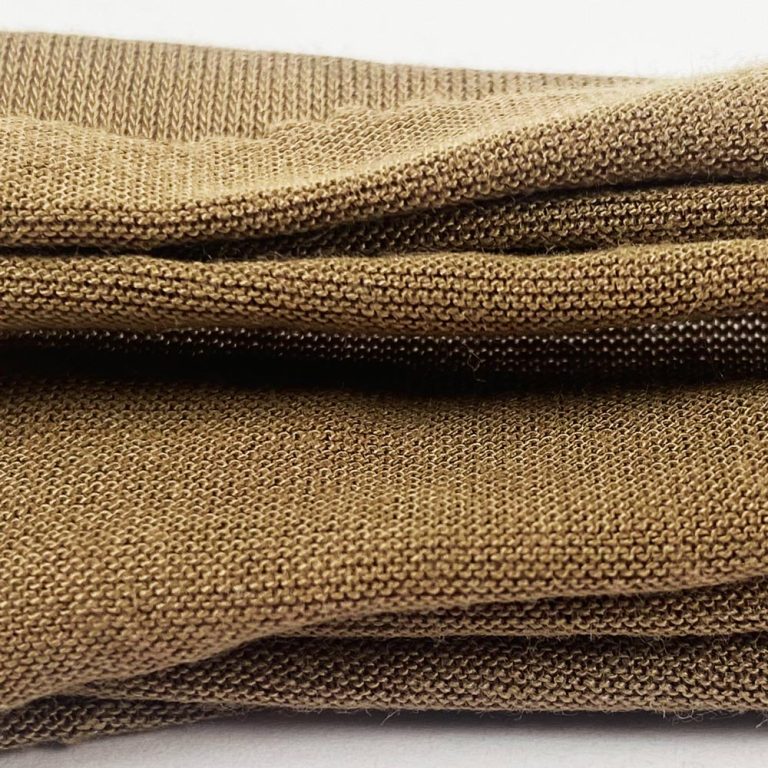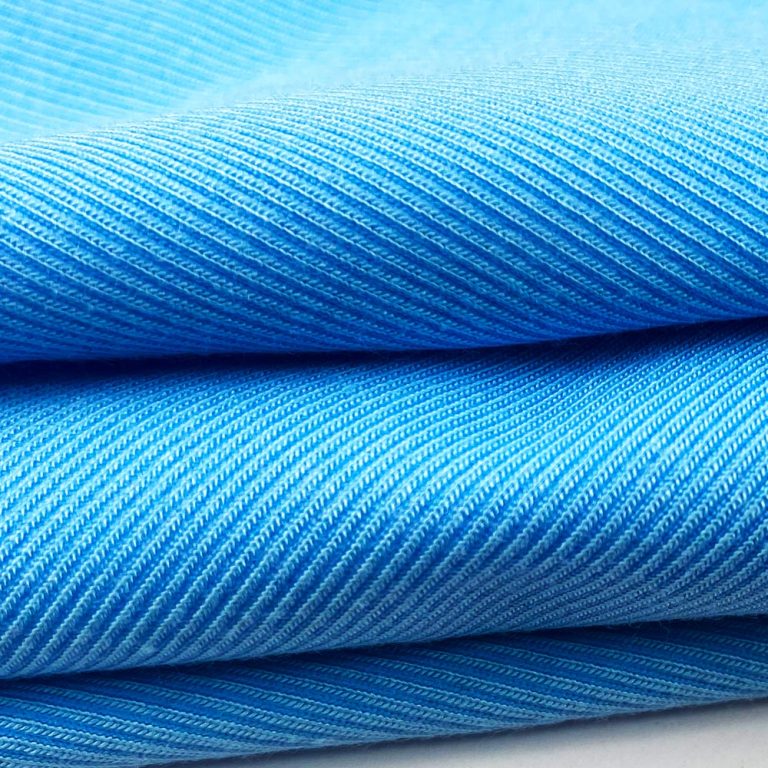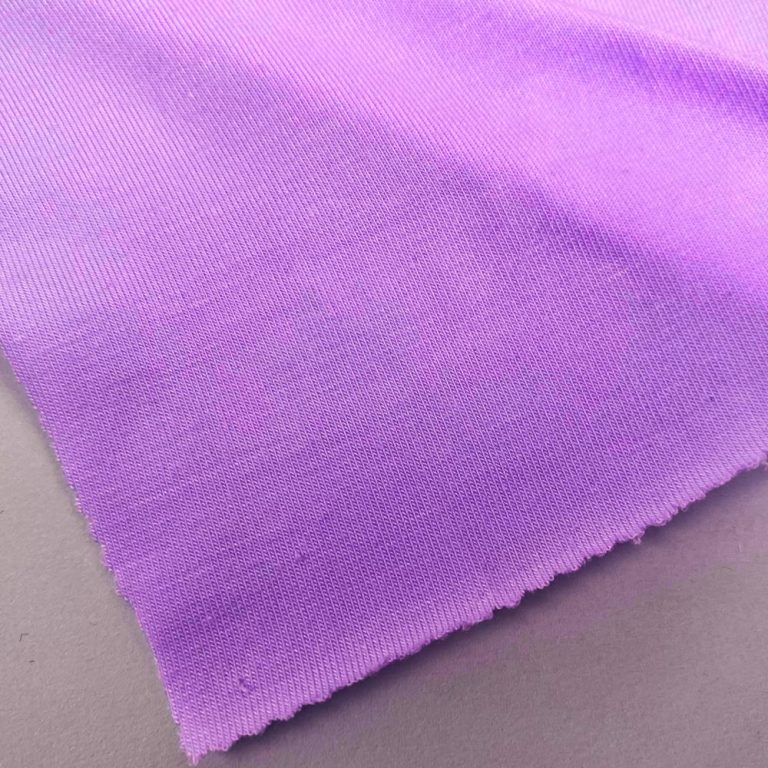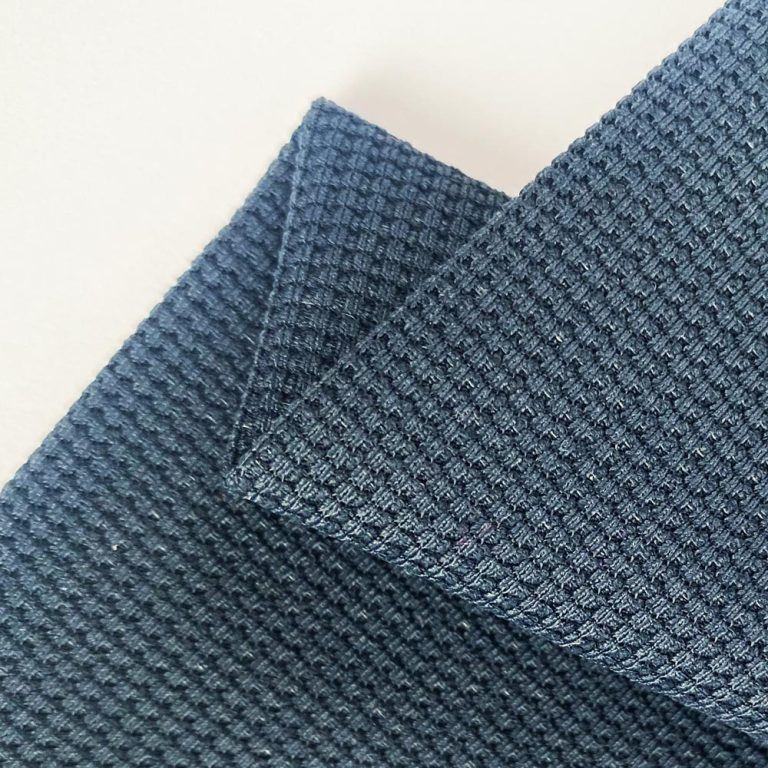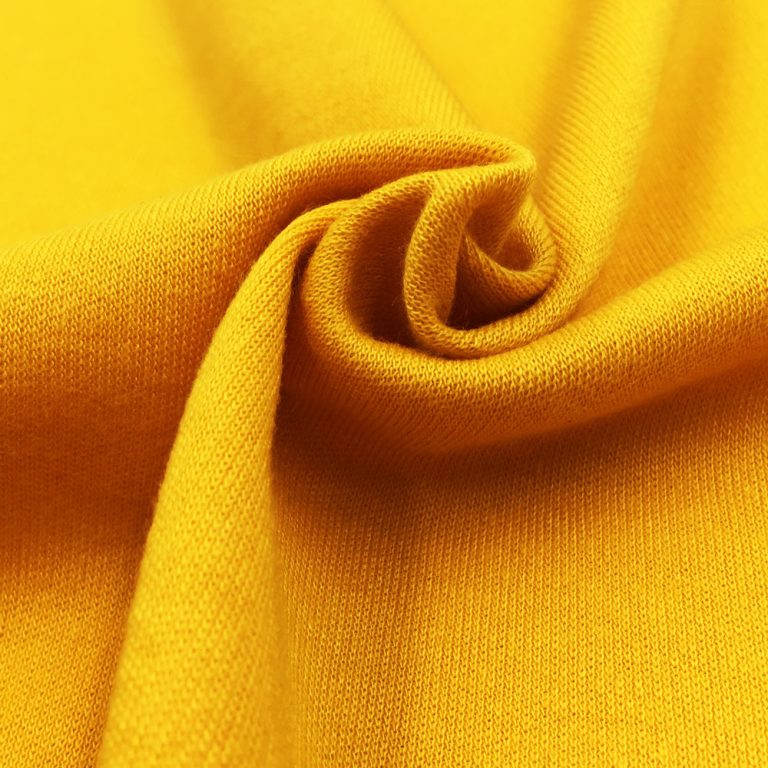
Item No.
TH2139
- Composition
- 54% acetate / 41% polyester / 5% spandex
- Weight
- 310 GSM
- Width
- 51.2″ (130 cm)
Knit Fabric Manufacturer Since 2009 · China

ACETATE BLEND KNIT · FABRIC SOURCING
Runtang Textile manufactures acetate-blend knit fabrics for camisoles, draped dresses, lustrous T-shirts, loungewear and thermal base layers. Choose lyocell/acetate, cotton/acetate or high-acetate stretch blends in rib, double knit and jersey. Stock orders start at 1 roll (~23 kg) per colour; custom colours start at 200 kg per colour.
Acetate Blend Knit Fabric for apparel brands, garment manufacturers and fabric sourcing teams.
Explore our online acetate-blend knit range, backed by a library of 64 options.
Item No.
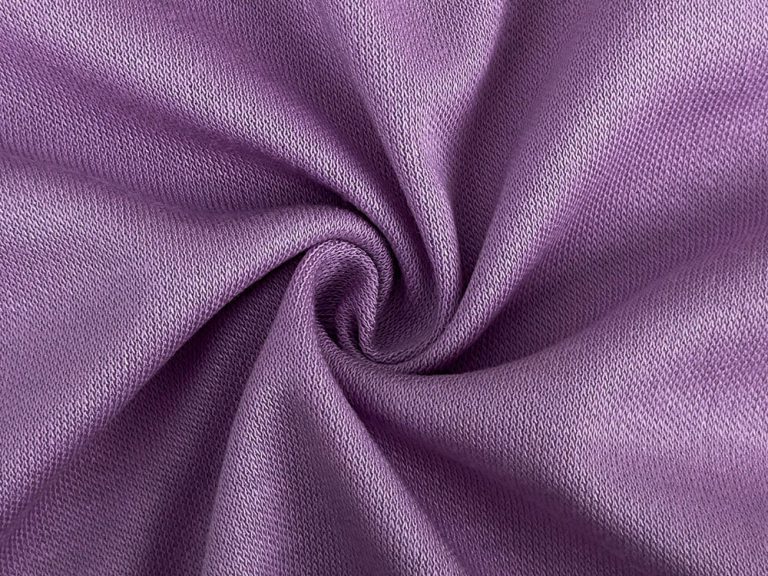
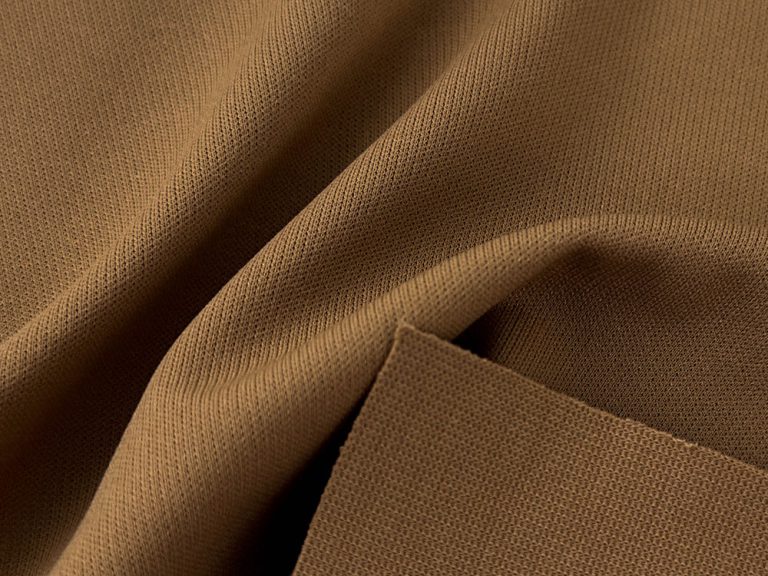
Item No.
| Item | Composition | Weight | Width | Details |
|---|---|---|---|---|
| TH2139 | 54% acetate / 41% polyester / 5% spandex | 310 GSM | 51.2″ (130 cm) | View specifications |
| SS36008 | 80% tencel / 20% acetate | 170 GSM | 61″ (155 cm) | View specifications |
| SM2223 | 31% cotton / 29% Lyocell / 32% polyester / 8% spandex | 250 GSM | 61″ (155 cm) | View specifications |
Our fabric library includes 64 acetate-blend knit options. Contact us for more compositions, weights and colours for your collection.
Acetate is a manufactured fibre made by chemically modifying cellulose from wood pulp. It is prized for a silky lustre, a cool touch and a crisp, flowing drape, which is why it has long been used for linings and eveningwear. In our library, 64 knit qualities contain acetate, mostly 190–320 GSM, knitted as double knit, rib, jersey and scuba. Acetate is usually a supporting fibre, about 20% of a typical blend, though some qualities run from 44% up to 95% acetate. Acetate has lower strength than most fibres, softens under a hot iron and can be damaged by some solvents, including acetone, so set care instructions after testing a sample.
Lyocell/acetate is our most common silky blend; cotton/acetate and high-acetate qualities give more lustre and body.
| Fabric type | Fabric examples | Apparel applications |
|---|---|---|
| Lyocell/acetate and lyocell/acetate/spandex | 120–230 GSM, such as LW26133 (63.8% lyocell / 34.4% acetate / 1.8% spandex) at 210 GSM | Camisoles, dresses and T-shirts |
| Cotton/acetate | Around 190 GSM, such as P3239 (56% cotton / 44% acetate) | T-shirts, polo shirts and streetwear tees |
| High-acetate stretch blends | 130–320 GSM, such as 81036 (95% acetate / 5% spandex) at 220 GSM | Dresses, T-shirts and fitted tops |
| Thermal blends with acetate | 260–430 GSM, such as P4358-430G (40% acrylic / 22% polyester / 20% acetate / 8% viscose / 5% wool / 5% spandex) at 430 GSM | Thermal tops, sweatshirts and outer layers |
Choose 180–235 GSM acetate blends for camisoles, 185–230 GSM for draped dresses, 180–220 GSM for T-shirts, 180–230 GSM for loungewear, and 260–430 GSM thermal blends for base layers and sweatshirts.
All three come from wood cellulose, but acetate is chemically modified, which gives it a different lustre and care profile.
| Feature | Acetate Blend Knit | Lyocell Knit | Viscose Knit |
|---|---|---|---|
| How the fibre is made | Cellulose chemically modified to acetate | Pulp dissolved in a solvent | Viscose process |
| Look and drape | Silky lustre, crisp flow | Soft lustre, fluid drape | Soft sheen, heavy drape |
| Heat and care | Low ironing temperature | Moderate | Moderate; weaker when wet |
| Typical weights in our library | 190–320 GSM | 160–230 GSM | 220–300 GSM |
| Typical garments | Camisoles, dresses and lustrous tees | Tees, base layers and camisoles | Draped dresses and tops |
Xiwen Zhang, our co-founder and CEO, recommends these acetate blends and weights for the silky, lustrous pieces our customers develop most often, drawing on our knit fabric experience since 2009.
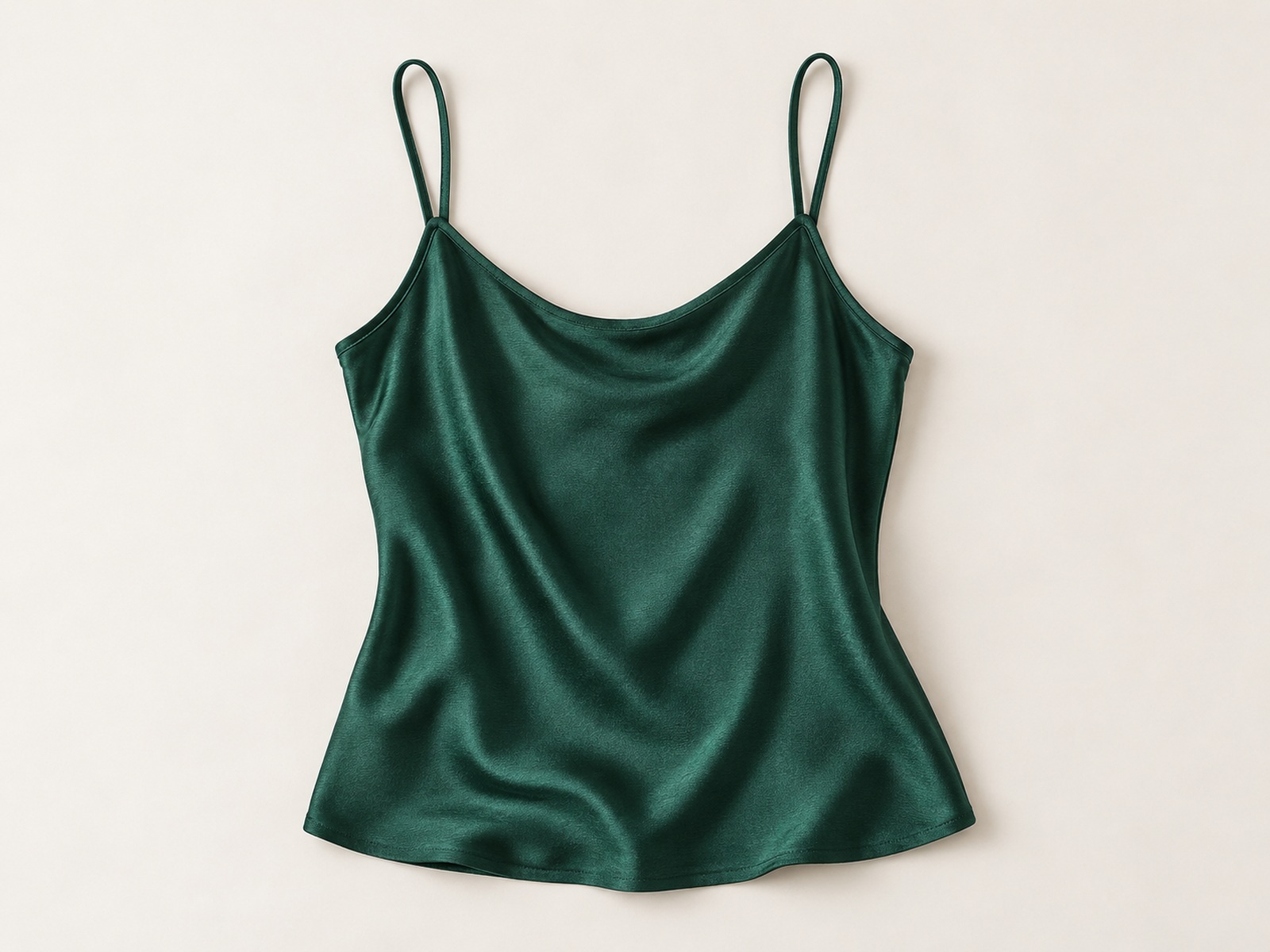
SILKY AND COOL
Choose 180–235 GSM lyocell/acetate for camisoles and slip tops. The acetate adds a silky lustre to the lyocell base, giving a knit camisole the look of a woven satin with the comfort of stretch.
LUSTRE THAT MOVES
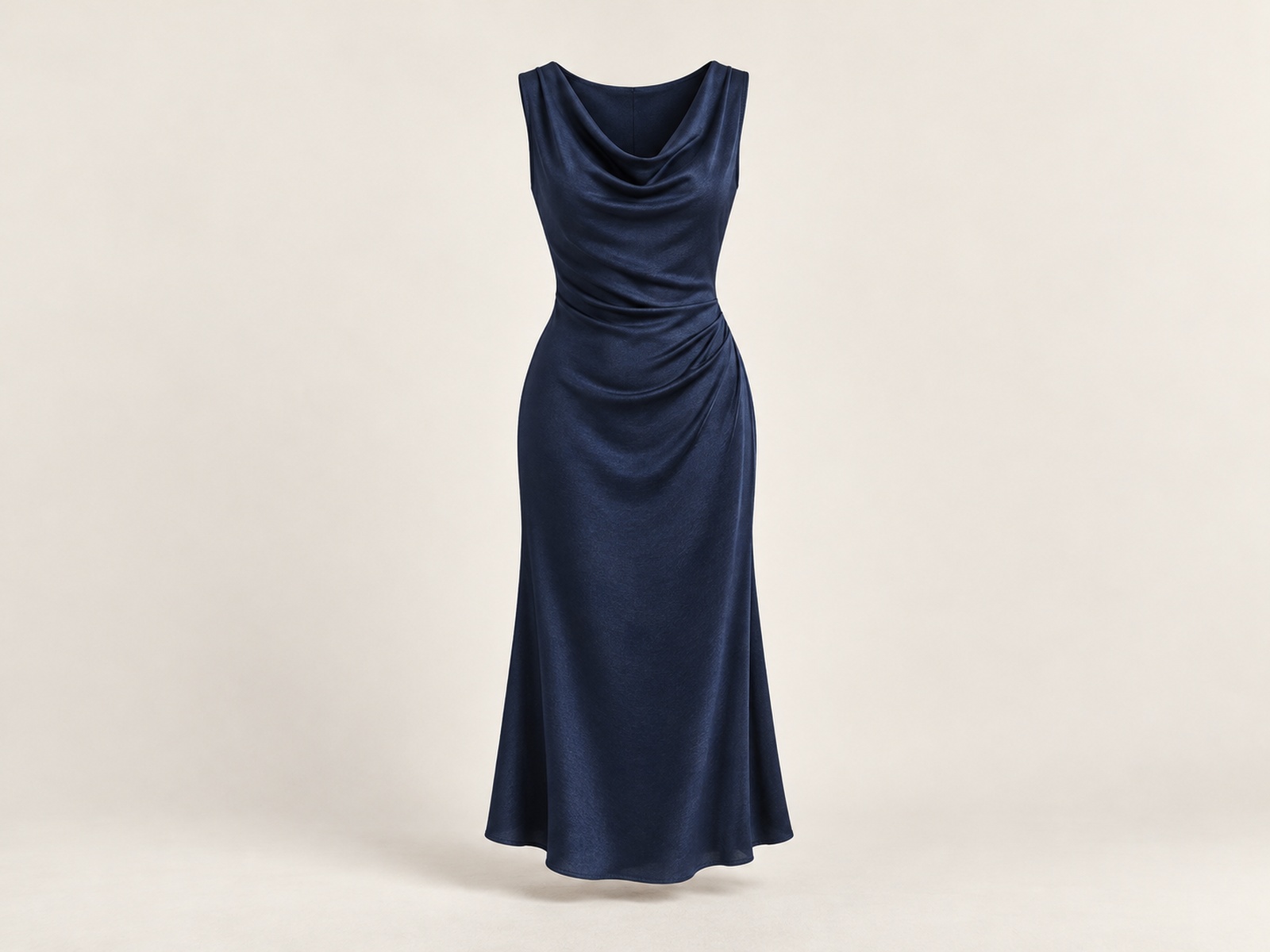
185–230 GSM acetate blends work well for draped and bias-look dresses. The crisp flow of acetate keeps folds defined, while lyocell or modal softens the hand.
THE MOST COMMON ACETATE USE
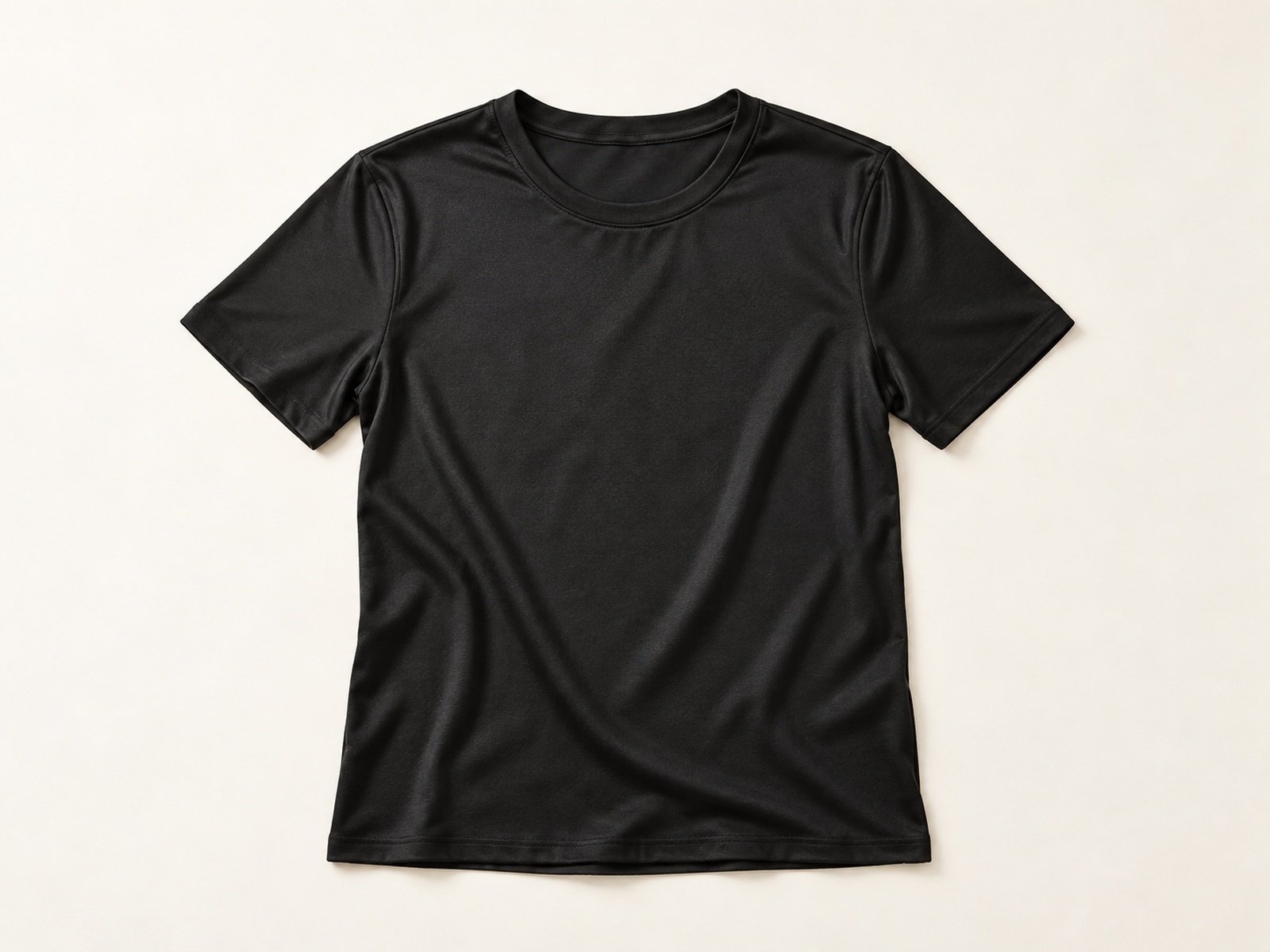
For T-shirts with a dressier finish, start with 180–220 GSM cotton/acetate or acetate/spandex. T-shirts are the most common use for acetate in our library, and the lustre lifts a plain tee for evening and smart-casual wear.
SATIN FEEL, KNIT COMFORT
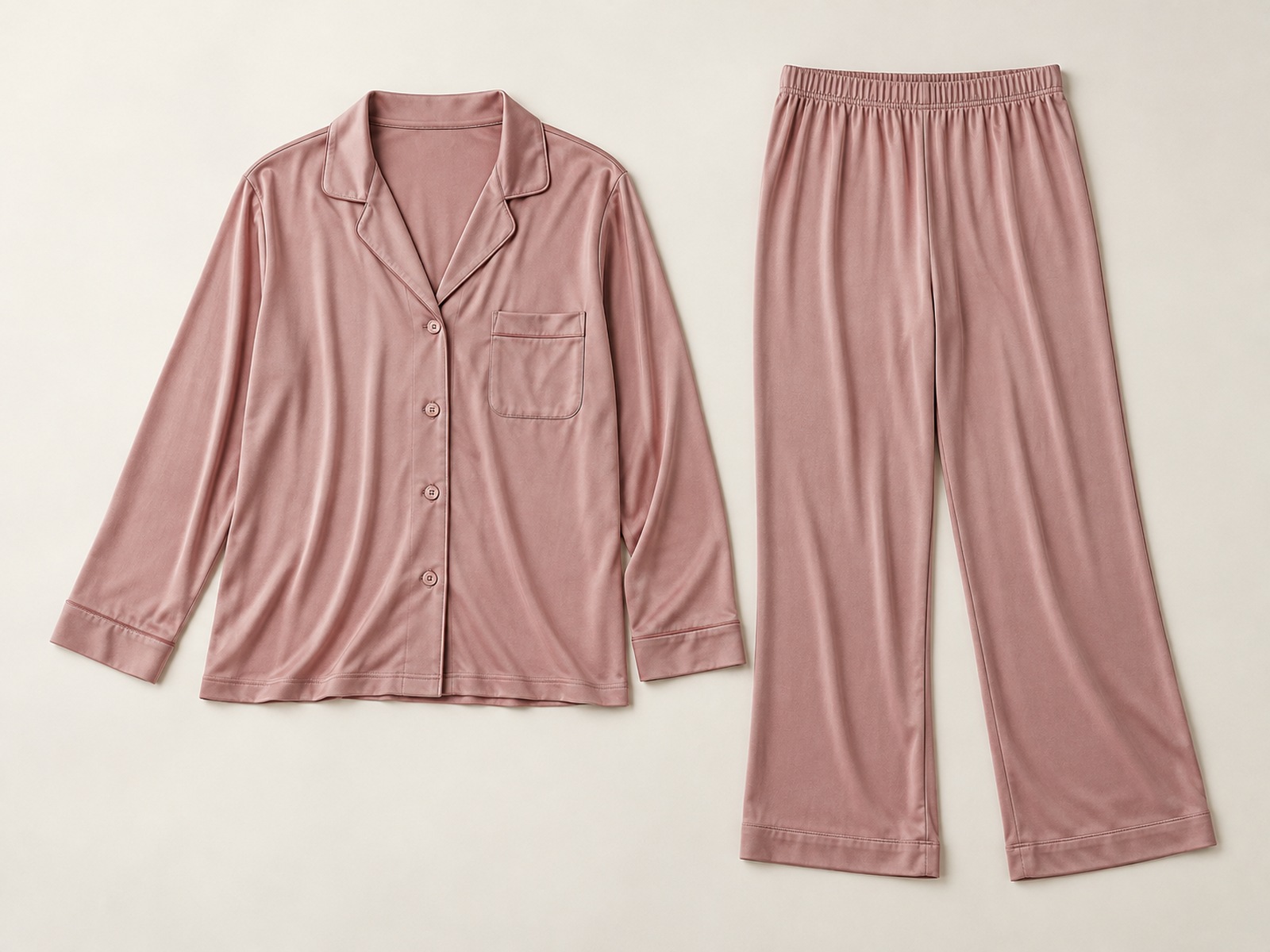
Choose 180–230 GSM acetate blends for lounge sets and sleepwear. They give the satin look of woven pyjamas in a knit that moves and recovers with the body.
ACETATE IN WARM BLENDS
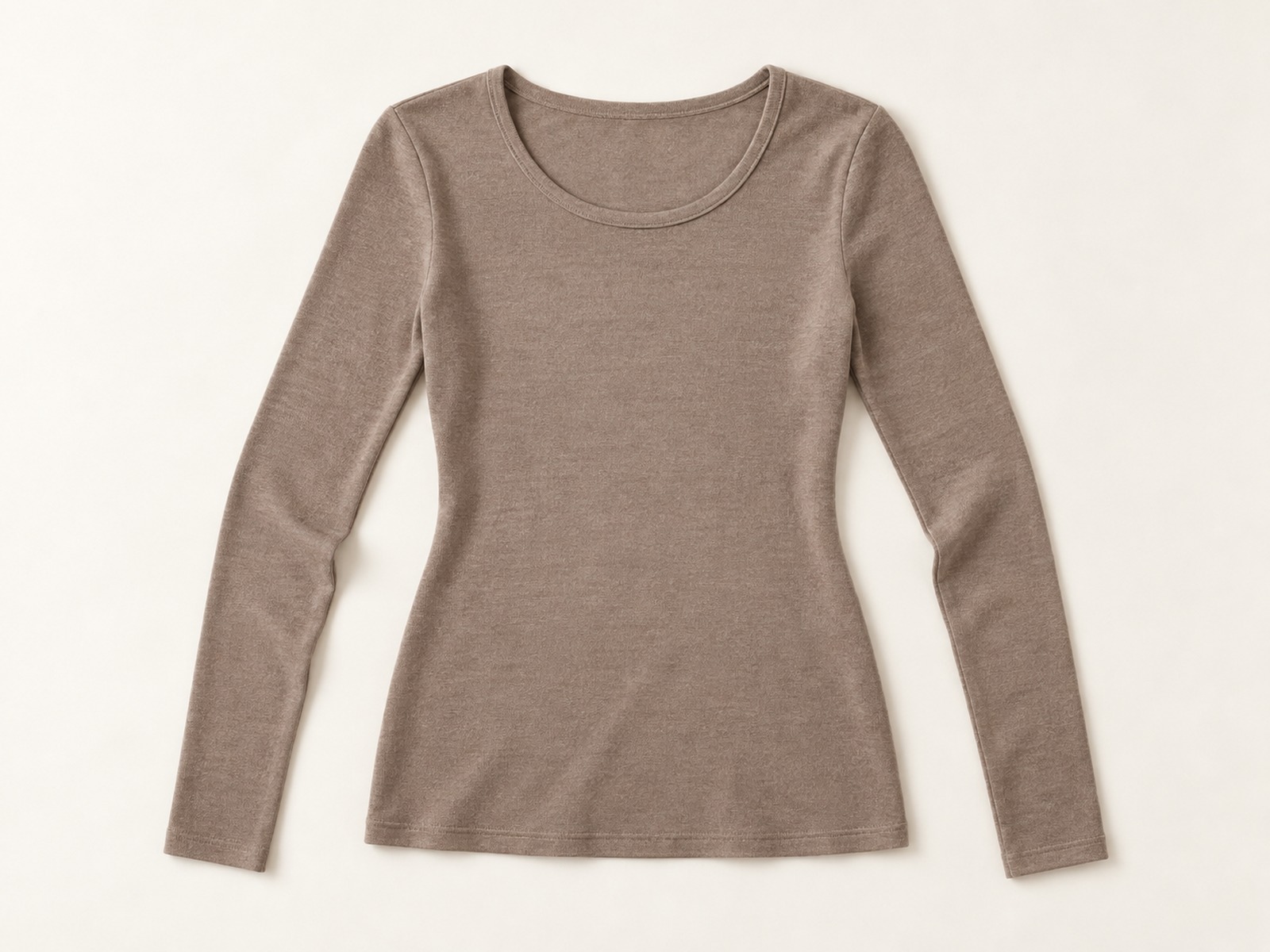
260–430 GSM thermal blends with acetate suit warm base layers and brushed sweatshirts. Acetate adds a smoother, slightly lustrous face to an acrylic and viscose thermal base.

No. All three start from wood cellulose, but acetate is chemically modified, which gives it a crisper drape, a silkier lustre and lower heat tolerance. Viscose and lyocell are regenerated cellulose fibres.
Usually about 20%, though some qualities contain 44–95% acetate. We state the exact share for each quality; a higher share gives more lustre and a crisper drape.
Choose 180–235 GSM for camisoles, tees and draped dresses, where lustre and flow matter most. Move to 260–430 GSM thermal blends for base layers and sweatshirts that need warmth.
Acetate is sensitive to heat, so state the wash temperature and drying method for the shrinkage test and check pressing on the sample. Acetate also takes its own dye class, so in lyocell/acetate blends both fibres are checked against the lab dip under the agreed light source, and washing fastness staining is graded.
Stock fabric orders start at 1 roll (~23 kg) per colour. Custom-colour orders start at 200 kg per colour.
Compare complementary fibres and knit constructions for your next apparel collection.
Read practical guides to fibre blends, garment selection and knit construction.