Knit Fabric Manufacturer Since 2009 · China
Knit Fabric Manufacturer Since 2009 · China

LYOCELL KNIT · FABRIC SOURCING
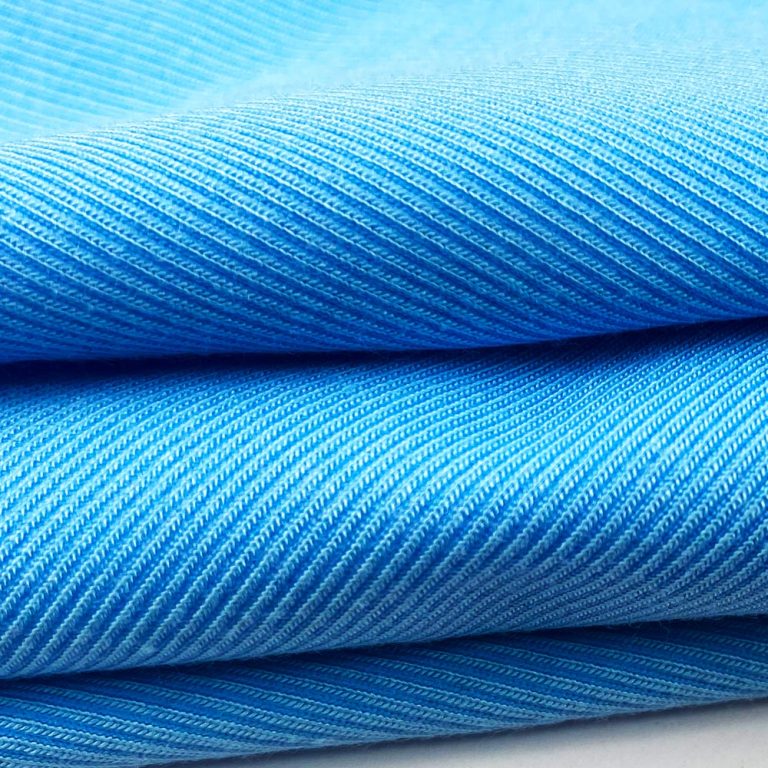
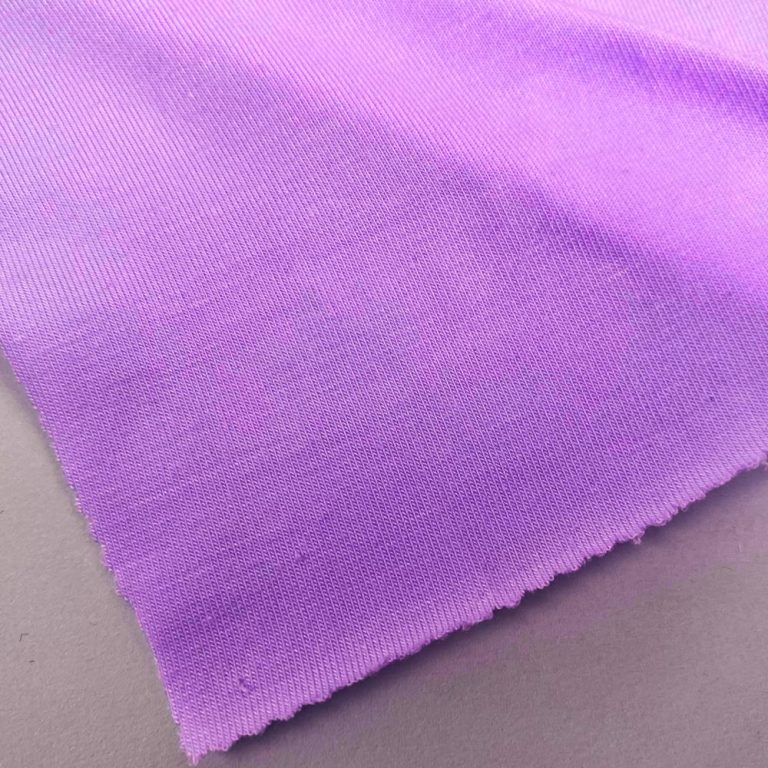
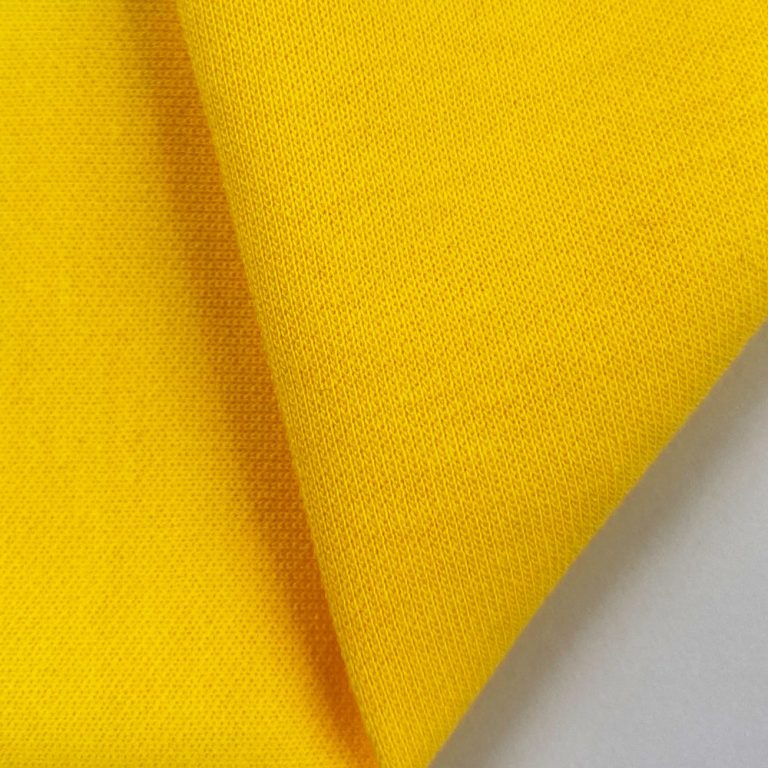
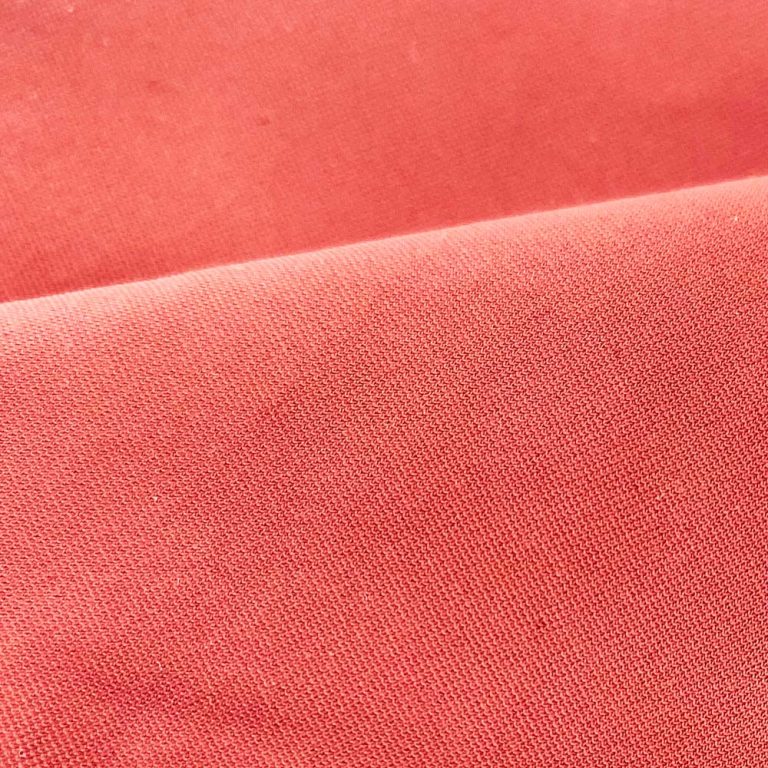
Runtang Textile manufactures lyocell knit fabrics for T-shirts, base layers, dresses, camisoles and loungewear. Choose pure lyocell, lyocell/spandex, lyocell/cotton or lyocell/wool in rib, single jersey and double knit. Stock orders start at 1 roll (~23 kg) per colour; custom colours start at 200 kg per colour.
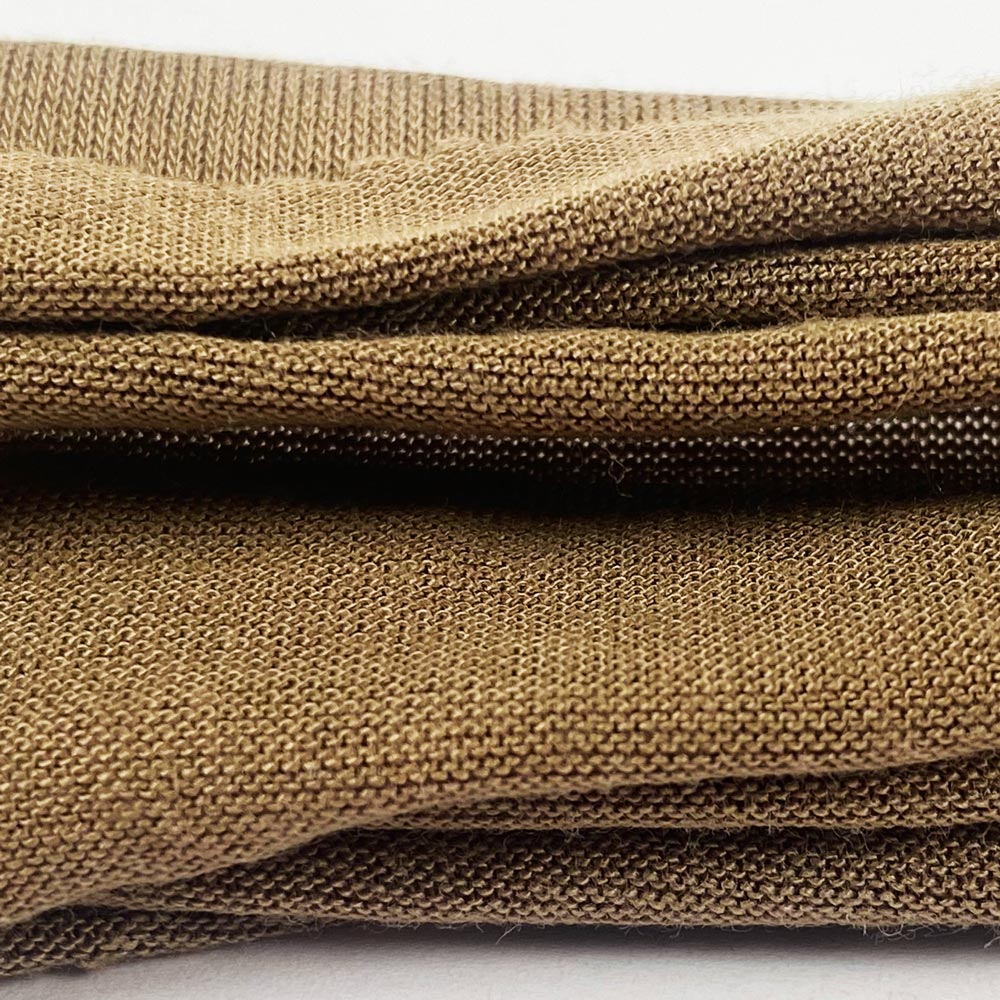
Lyocell Knit Fabric for apparel brands, garment manufacturers and fabric sourcing teams.
Explore our online lyocell and lyocell-blend knit range, backed by a library of 374 options.
Item No.
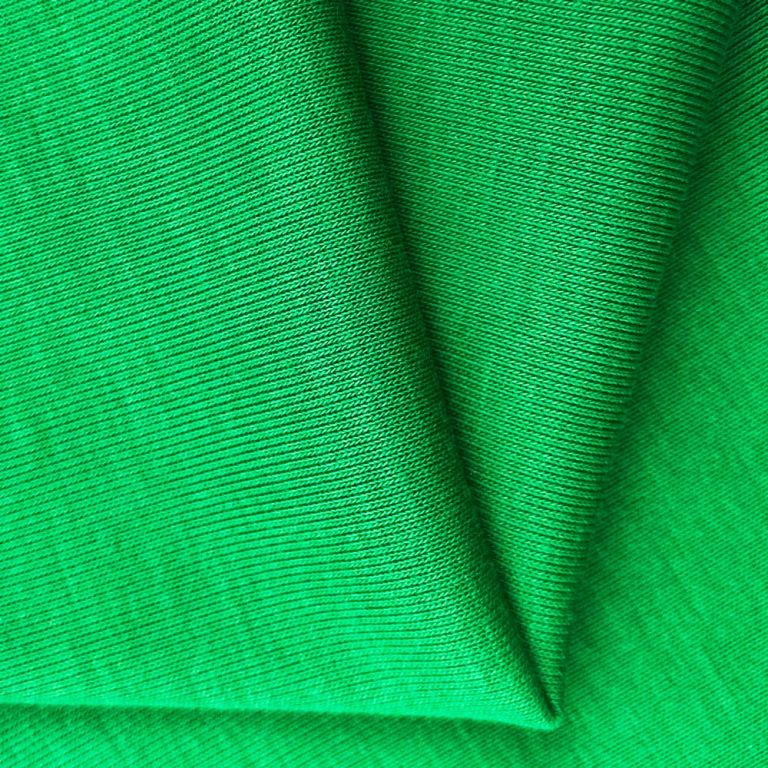
Item No.
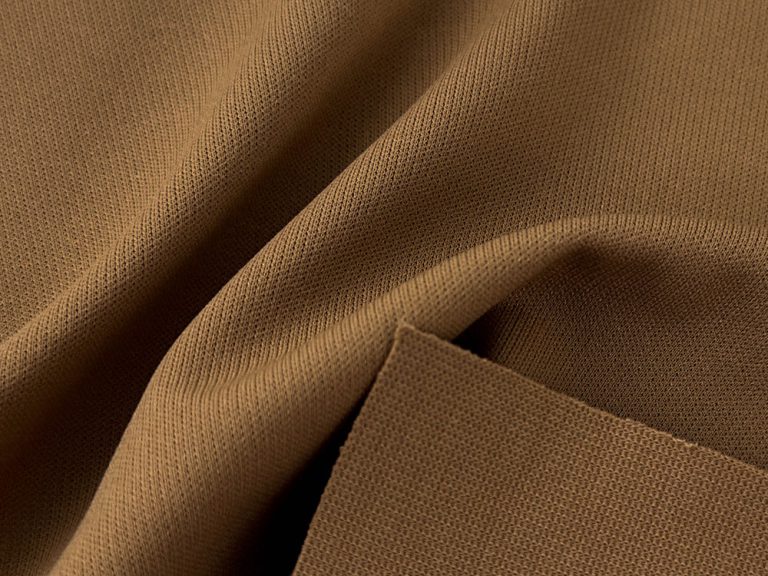
Item No.
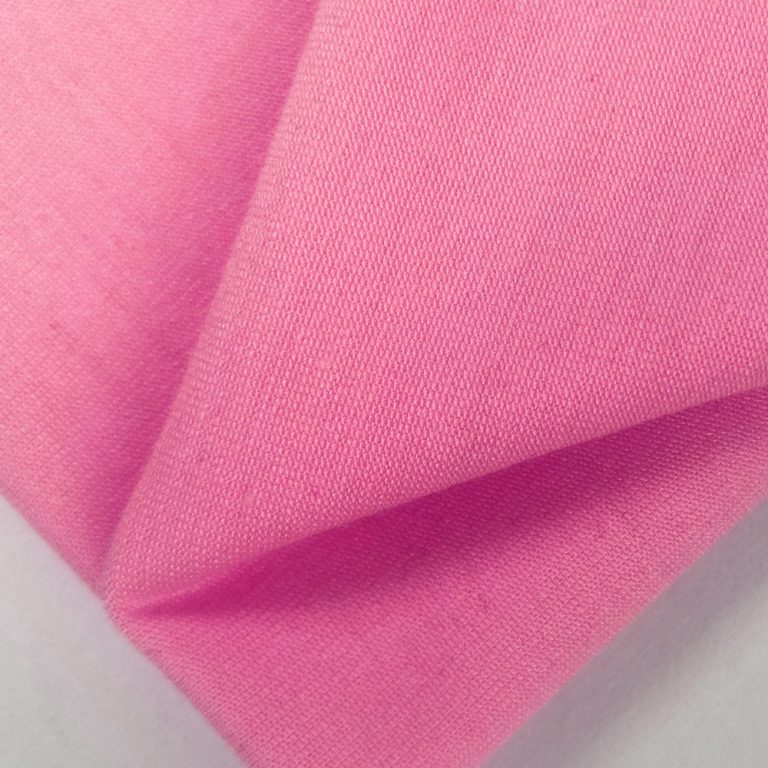
Item No.
| Item | Composition | Weight | Width | Details |
|---|---|---|---|---|
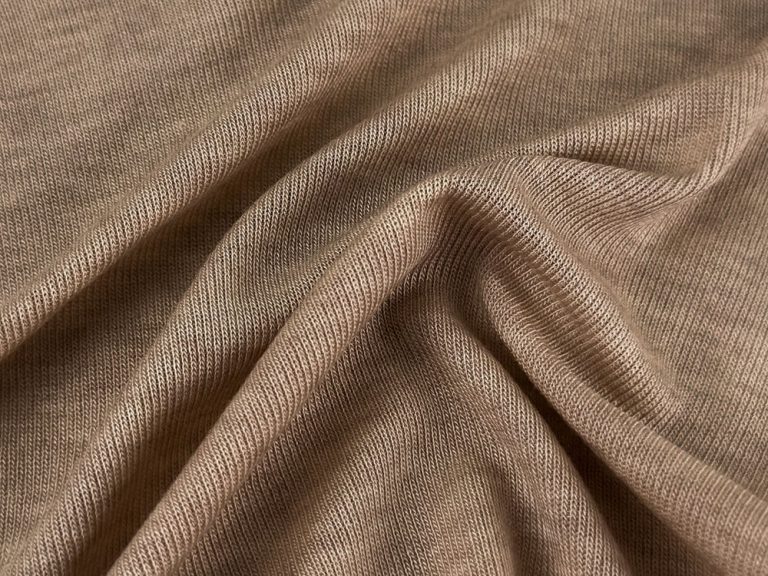
| KF3258 | 100% Lyocell | 105 GSM | 64/66″ (163/168 cm) | View specifications |
| LW26036 | 76% Lyocell / 19% wool / 5% spandex | 150 GSM | 57.1″ (145 cm) | View specifications |
| KF3274 | 47.5% Lyocell / 47.5% polyester / 5% spandex | 200 GSM | 66/68″ (168/173 cm) | View specifications |
| SM2223 | 31% cotton / 29% Lyocell / 32% polyester / 8% spandex | 250 GSM | 61″ (155 cm) | View specifications |
| KF3256 | 27.5% Lyocell / 67.5% polyester / 5% spandex | 180 GSM | 67/69″ (170/175 cm) | View specifications |
Our fabric library includes 374 lyocell and lyocell-blend knit options. Contact us for more compositions, weights and colours for your collection.
Lyocell is a regenerated cellulose fibre spun from wood pulp dissolved in a solvent, rather than through the chemical route used for viscose. In a knit it feels smooth and cool, drapes softly and keeps more of its strength when wet than viscose. Our library holds 374 lyocell and lyocell-blend qualities, mostly 160–230 GSM, knitted mainly as rib, single jersey and double knit. Lyocell is the main fibre in about four in ten of them. Its most common partner is wool: a lyocell/wool/spandex rib, roughly three-quarters lyocell, is our largest single lyocell blend. Lyocell surfaces can fibrillate, showing a light, frosted look where they rub, so check the finish and any garment wash on a sample.
Lyocell/wool rib is our largest lyocell group; pure lyocell stays light, and cotton blends add a drier hand.
| Fabric type | Fabric examples | Apparel applications |
|---|---|---|
| Lyocell/wool and lyocell/wool/spandex | 120–230 GSM, such as LW26042 (76.5% lyocell / 19% wool / 4.5% spandex) at 200 GSM | Base layers, thermal tops and knit dresses |
| 100% lyocell and lyocell/spandex | 100–215 GSM, such as DS42237 (93% lyocell / 7% spandex) at 170 GSM | Camisoles, T-shirts and light layers |
| Lyocell/cotton and cotton/lyocell | 160–225 GSM, such as LW26189 (49% lyocell / 49% cotton / 2% spandex) at 210 GSM | T-shirts, tank tops and underwear |
| Lyocell with linen or acetate | 120–215 GSM, such as D328 (67% lyocell / 28% linen / 5% spandex) at 210 GSM | Summer dresses and loungewear |
Choose 140–215 GSM lyocell for camisoles and tanks, 150–215 GSM for T-shirts, 150–220 GSM for loungewear, 160–230 GSM for base layers and dresses, and 225–310 GSM cotton/lyocell blends for relaxed trousers.
All three are regenerated cellulose fibres from wood pulp; they differ in how they are spun and how they behave in wear.
| Feature | Lyocell Knit | Viscose Knit | Modal Knit |
|---|---|---|---|
| How the fibre is made | Pulp dissolved in a solvent and spun | Viscose process | Modified viscose process |
| Strength when wet | High | Lower | Higher than viscose |
| Hand feel | Smooth, cool and fluid | Soft, with a heavy drape | Very soft and silky |
| Typical weights in our library | 160–230 GSM | 220–300 GSM | 180–300 GSM |
| Typical garments | Tees, base layers and camisoles | Draped dresses and tops | Underwear and loungewear |
Xiwen Zhang, our co-founder and CEO, recommends these lyocell weights and blends for the smooth, cool-touch pieces our customers develop most often, drawing on our knit fabric experience since 2009.
HALF OF OUR LYOCELL QUALITIES
Choose 150–215 GSM lyocell/cotton or lyocell/spandex for T-shirts with a cooler, smoother hand than cotton. T-shirts are the most common use for lyocell in our library, and a cotton blend keeps the tee from clinging.
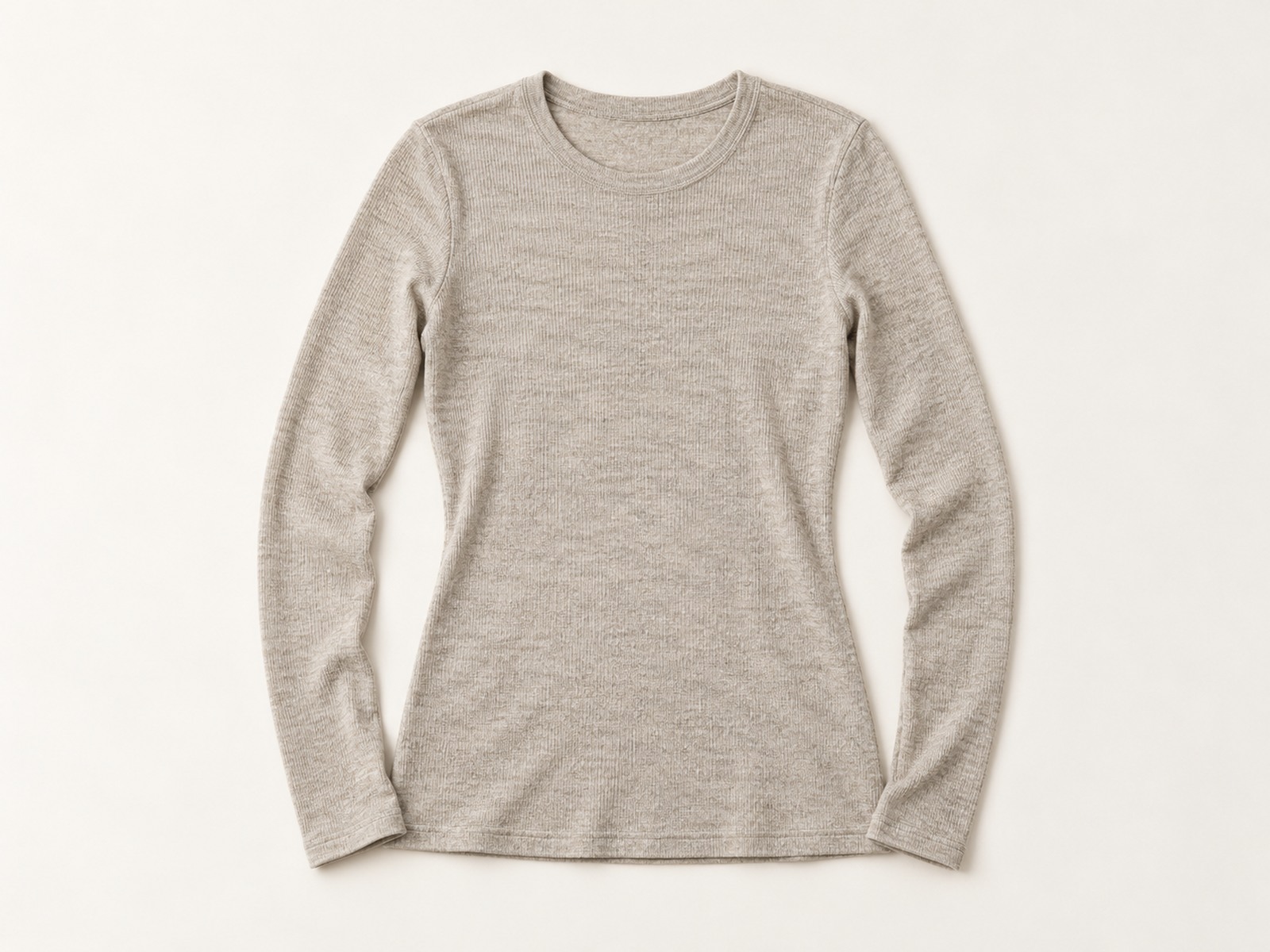
WOOL WARMTH, SMOOTH TOUCH
160–230 GSM lyocell/wool rib works well for long-sleeve base layers and thermal tops. Lyocell keeps the face smooth against the skin, while around a fifth of wool adds warmth without itch.
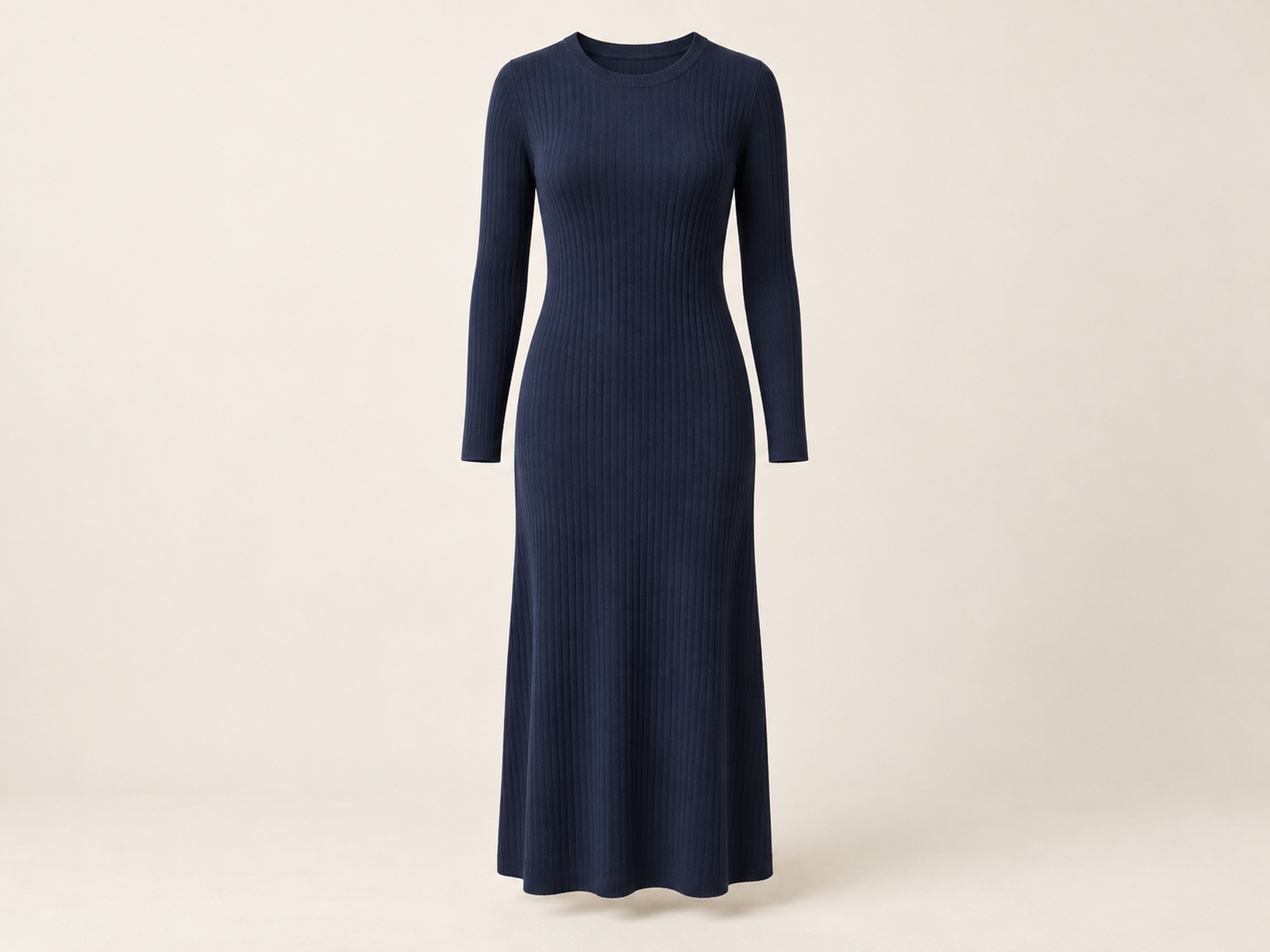
DRAPE THAT MOVES
For slip, T-shirt and midi dresses, start with 160–230 GSM lyocell rib or jersey. The fibre gives a dress a soft, liquid drape, and a little spandex helps fitted styles keep their shape.
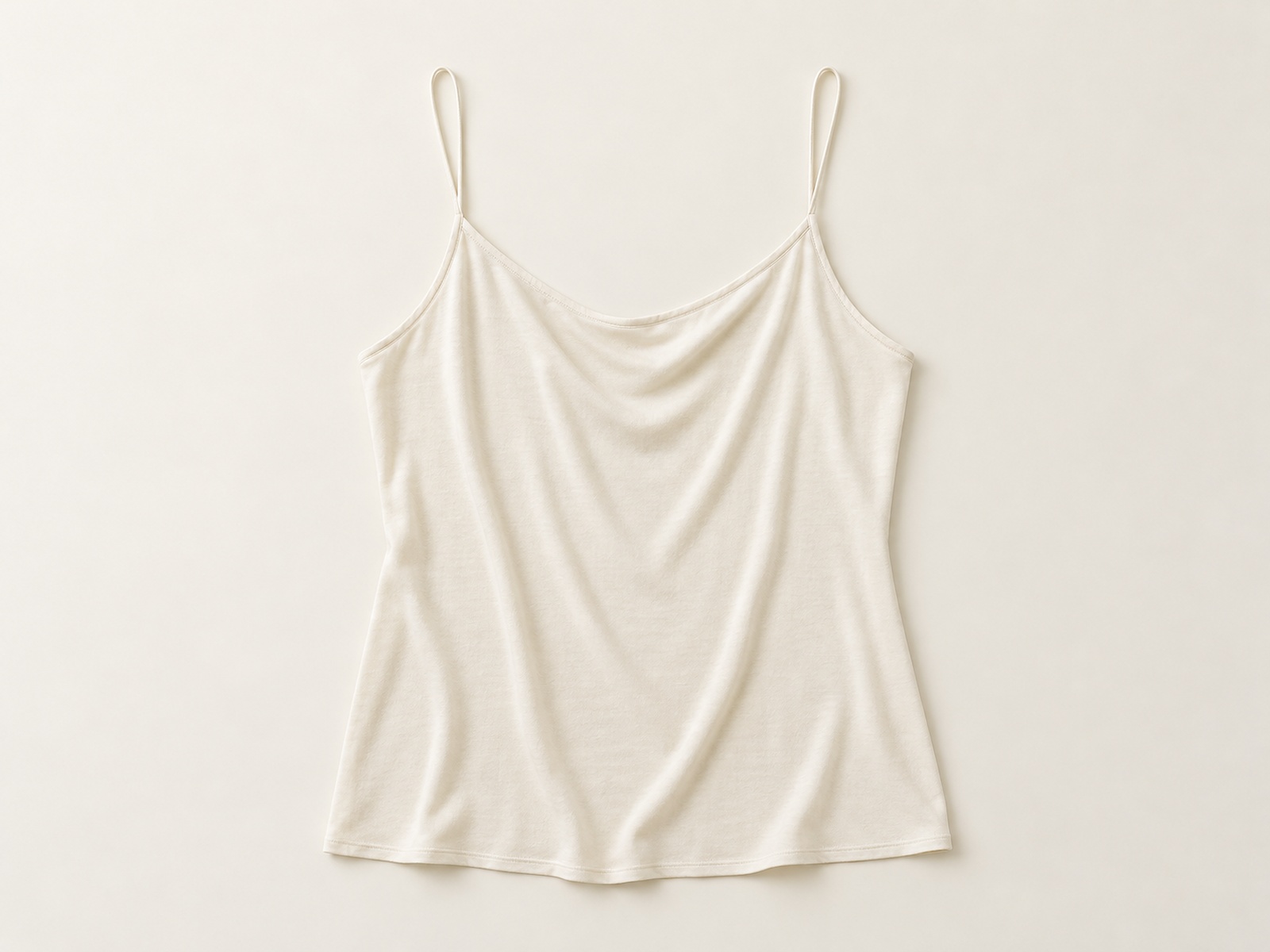
LIGHT AND COOL
Choose 140–215 GSM pure lyocell or lyocell/spandex for camisoles and tanks. Lighter pure-lyocell qualities feel almost silky, which suits layering and summer pieces.
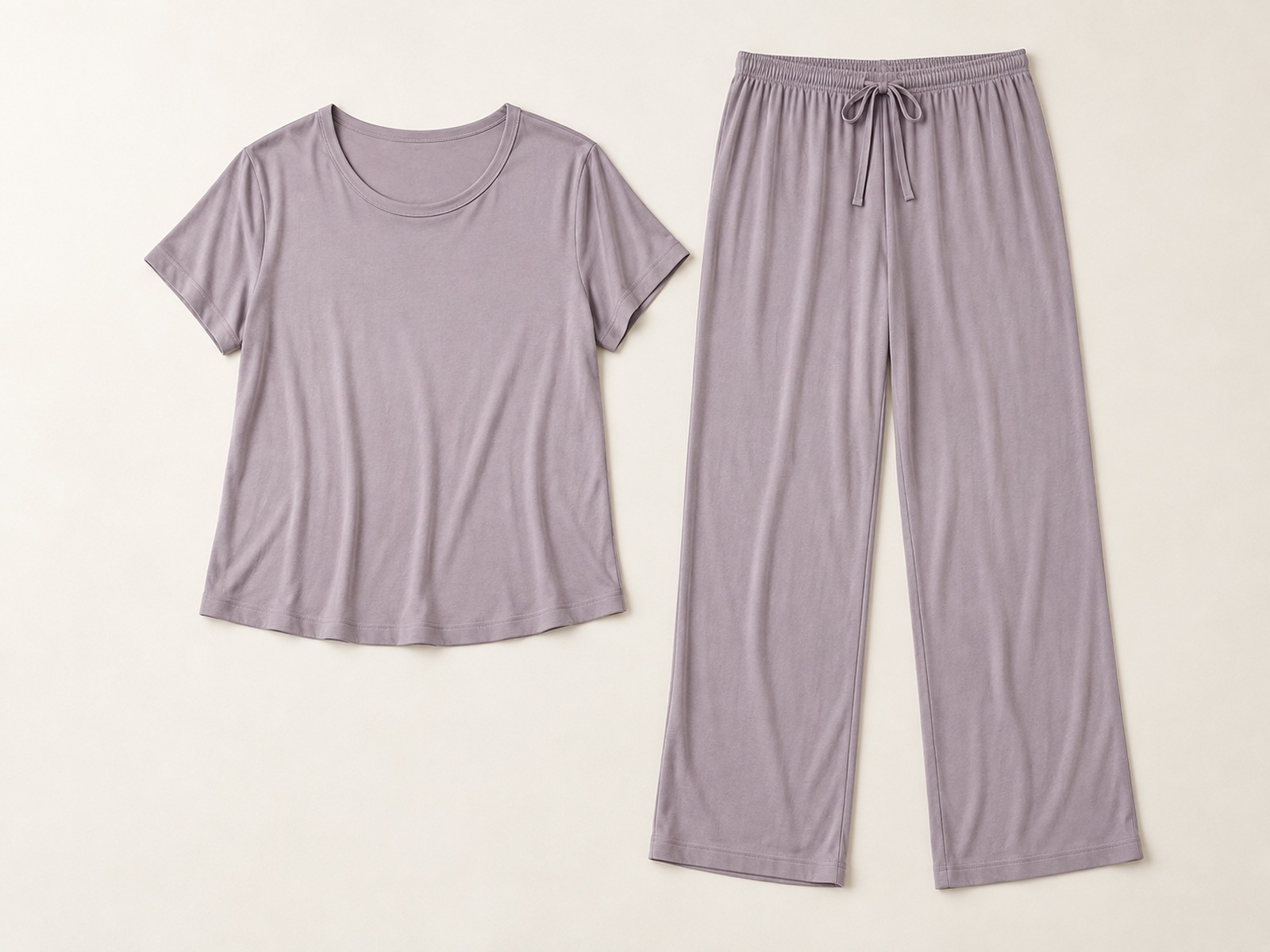
COOL FOR WARM NIGHTS
150–220 GSM lyocell suits pyjama sets and lounge pieces. The smooth, cool hand makes it comfortable for sleep in warmer months, and spandex keeps waistbands and cuffs neat.
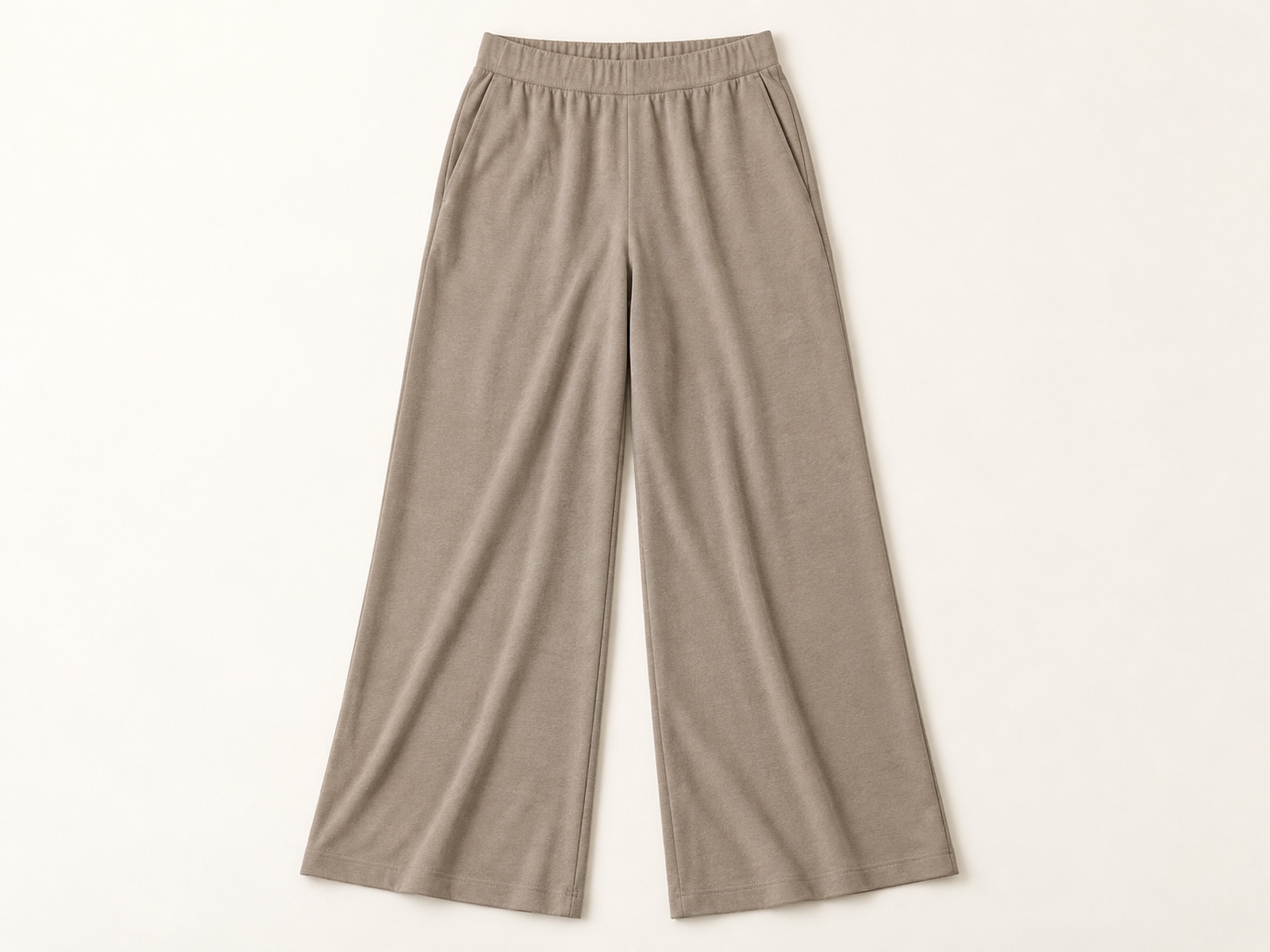
HEAVIER LYOCELL BLENDS
For relaxed and wide-leg trousers, choose the heavier cotton/lyocell blends in our range, around 225–310 GSM. Lyocell gives the leg a soft, swinging drape that pure cotton knits lack.

No. Lyocell is the generic fibre name. TENCEL™ is a brand of lyocell, and a brand name should only be used on hangtags when the yarn is supplied and documented under that brand. Ask us which qualities can carry it.
Lyocell/wool rib is our largest lyocell group. Lyocell gives a smooth, cool face and fluid drape, and around 20% wool adds warmth, which makes the blend popular for base layers, dresses and T-shirts.
Most lyocell T-shirt qualities in our library weigh 150–215 GSM. Go lighter for summer and layering tees, and toward 200 GSM, ideally with cotton, for a tee that hangs without clinging.
Lyocell can fibrillate, showing a pale, fuzzy surface after washing, so check the appearance after washing as well as shrinkage. For lyocell/wool base layers at 160–230 GSM, agree the care method first, because the wool decides whether machine washing is possible. Add pilling for lyocell/cotton T-shirts.
Stock fabric orders start at 1 roll (~23 kg) per colour. Custom-colour orders start at 200 kg per colour.
Compare complementary fibres and knit constructions for your next apparel collection.
Read practical guides to fibre blends, garment selection and knit construction.