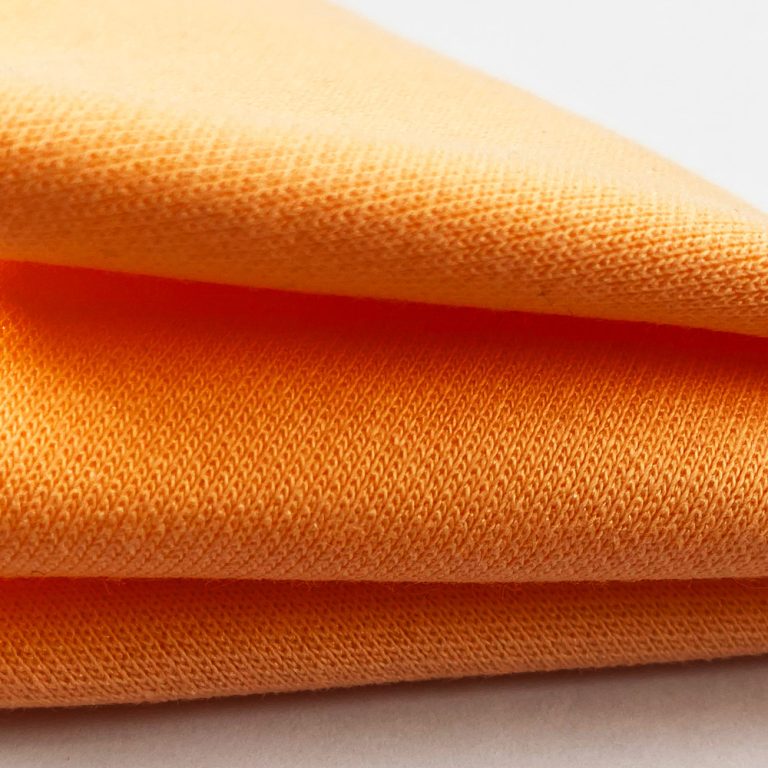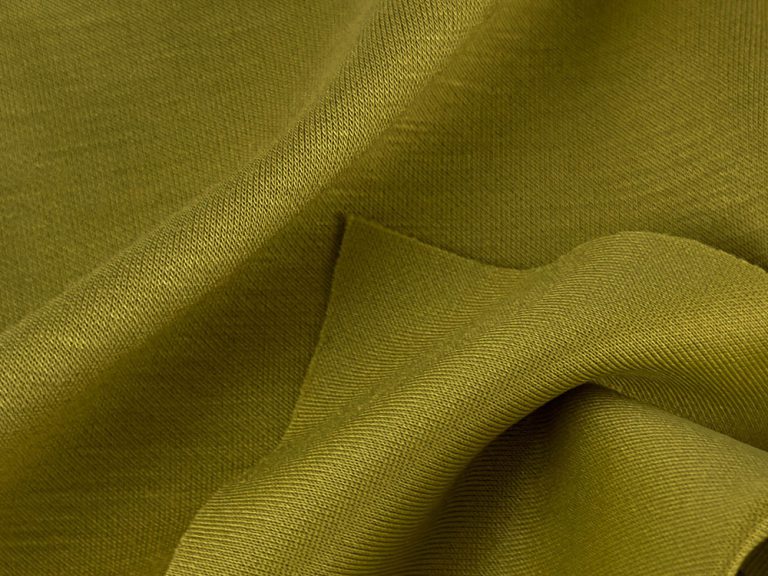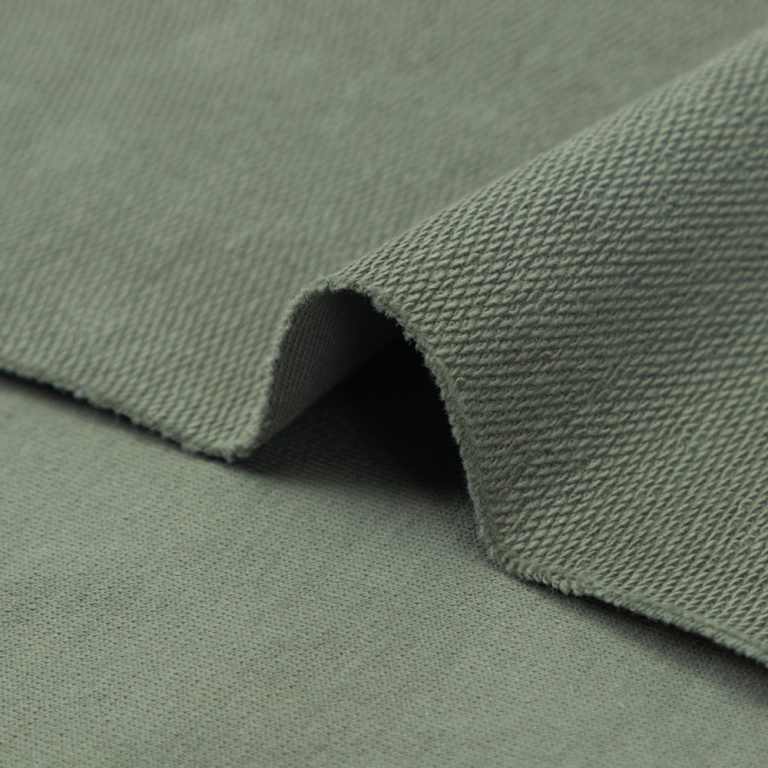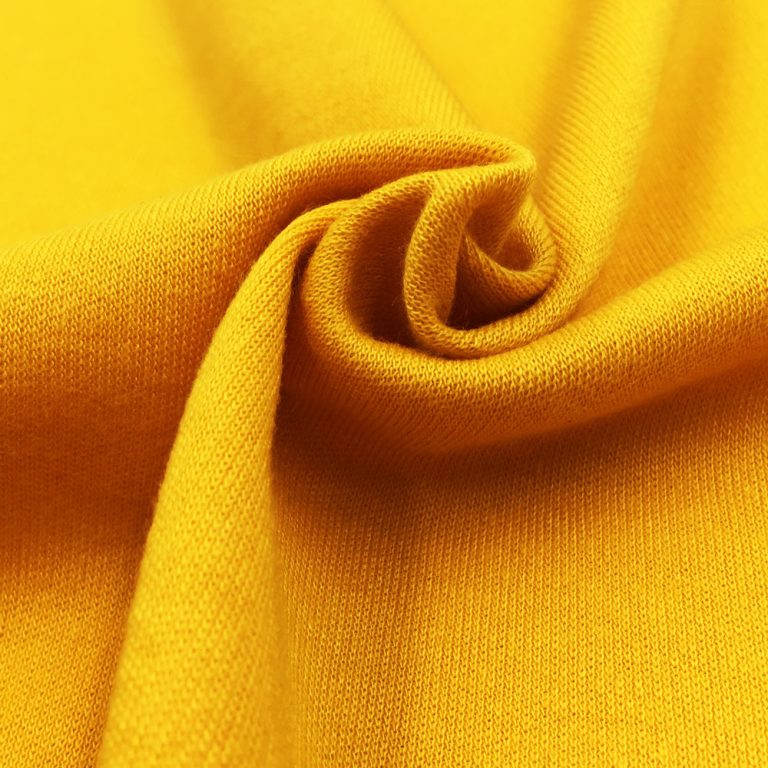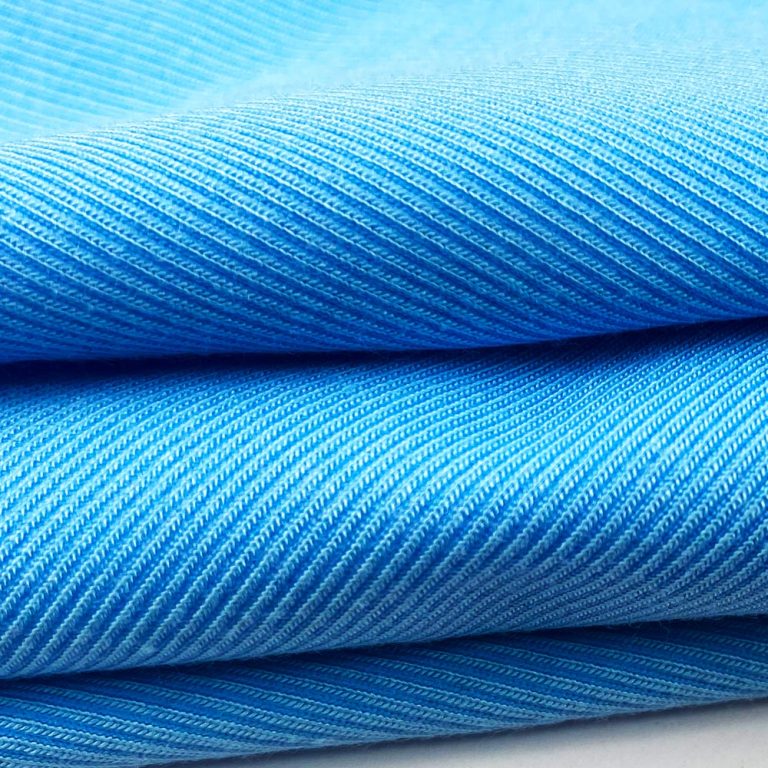
Item No.
KF2091
- Composition
- 63.5% cotton / 36.5% polyester
- Weight
- 290 GSM
- Width
- 72.8″ (185 cm)
Knit Fabric Manufacturer Since 2009 · China

BONDED KNIT · FABRIC SOURCING
Runtang Textile manufactures bonded knit fabrics for structured sweatshirts, knit jackets, joggers and fleece-lined leggings. Choose a cotton/polyester or nylon/spandex face bonded to a polyester/spandex back. Stock orders start at 1 roll (~23 kg) per colour; custom colours start at 200 kg per colour.

Bonded Knit Fabric for apparel brands, garment manufacturers and fabric sourcing teams.
Explore our online bonded knit range, backed by a library of 74 options.
Item No.
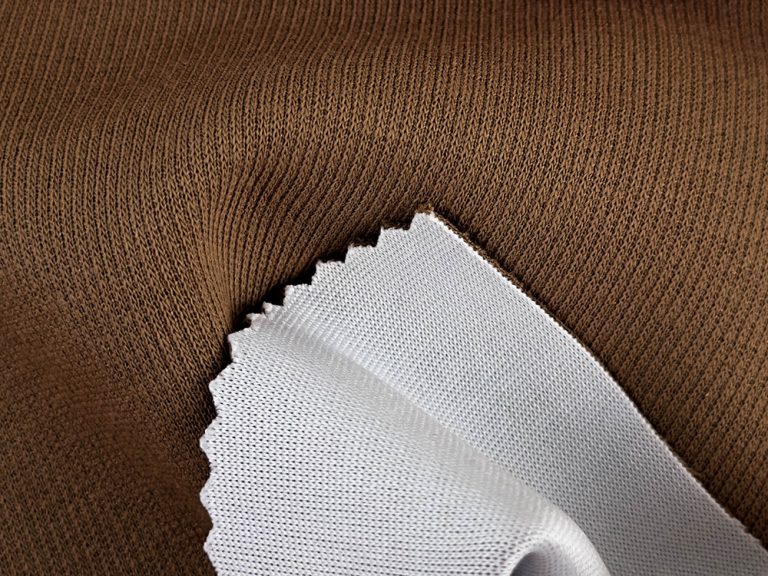
Item No.
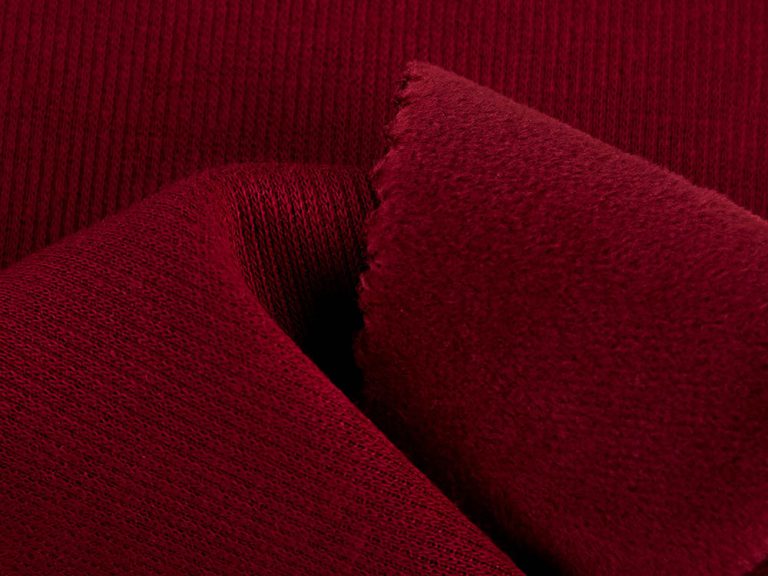
Item No.
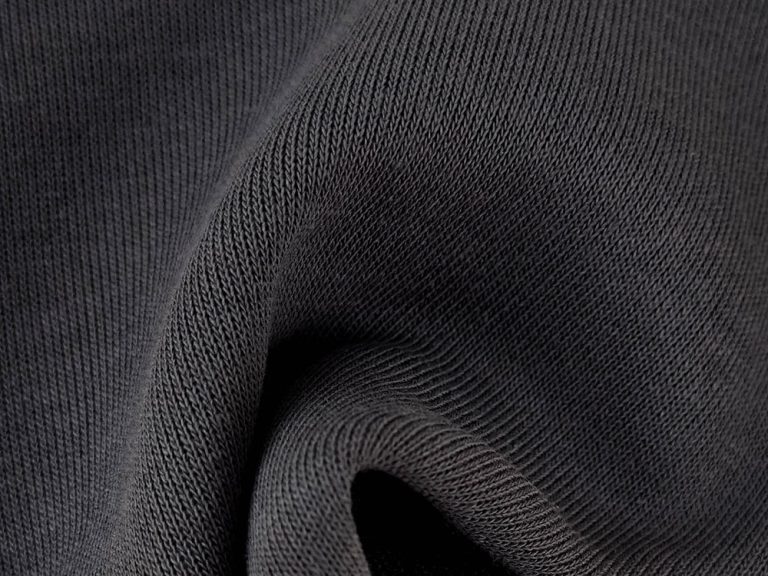
Item No.
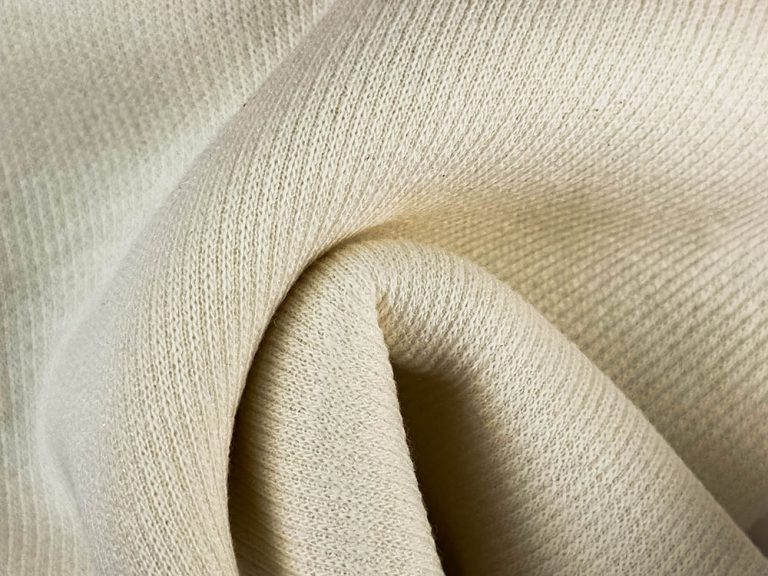
Item No.
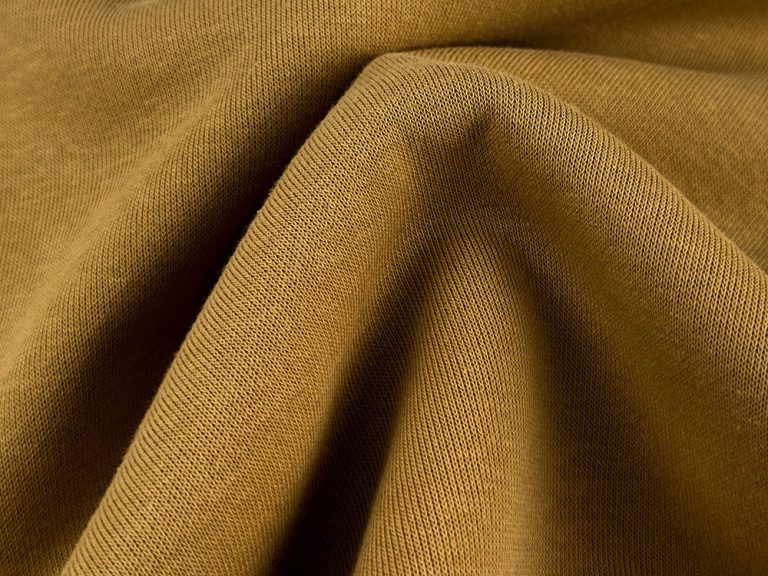
Item No.
| Item | Composition | Weight | Width | Details |
|---|---|---|---|---|
| KF2091 | 63.5% cotton / 36.5% polyester | 290 GSM | 72.8″ (185 cm) | View specifications |
| KF2081 | 55% cotton / 45% polyester | 310 GSM | 72.8″ (185 cm) | View specifications |
| KF2080 | 55% cotton / 45% polyester | 400 GSM | 72.8″ (185 cm) | View specifications |
| KF2090 | 63.5% cotton / 36.5% polyester | 400 GSM | 72.8″ (185 cm) | View specifications |
| KF2083 | 55% cotton / 45% polyester | 420 GSM | 72.8″ (185 cm) | View specifications |
| KF2093 | 63.5% cotton / 36.5% polyester | 420 GSM | 72.8″ (185 cm) | View specifications |
Our fabric library includes 74 bonded knit options. Contact us for more compositions, weights and colours for your collection.
Bonded knit fabric is made by laminating two knit fabrics together so they cut, sew and wear as a single material. The face and back can be completely different: a common build in our library is a cotton/polyester face for a natural hand, bonded to a polyester/spandex back for stretch and body. Bonding builds weight and stability that a single knit layer would struggle to reach. Almost all of our 74 bonded qualities weigh over 300 GSM, most of them 350–480 GSM, so they suit structured sweatwear, jackets and fleece-lined leggings rather than tops. Bonded knits drape less and breathe less than a single fabric of similar weight, and seams are bulkier, so plan flat or bound seams. Check the bond after washing on a sample before bulk.
We list bonded composition layer by layer; a cotton/polyester face on a polyester/spandex back is our most common build.
| Fabric type | Fabric examples | Apparel applications |
|---|---|---|
| Cotton/polyester face, polyester/spandex back | 280–610 GSM, such as H9627-1# (face 65% cotton / 35% polyester; back 94.5% polyester / 5.5% spandex) at 460 GSM | Sweatshirts, hoodies, joggers and knit jackets |
| Viscose-blend face, polyester/spandex back | Around 480 GSM, such as F2501-1 (face 60% viscose / 35% polyester / 5% spandex; back 94.5% polyester / 5.5% spandex) | Smooth, drapier sweatshirts and trousers |
| Nylon/spandex face, polyester/spandex back | 370–490 GSM, such as JL12067 (face 80% nylon / 20% spandex; back 95% polyester / 5% spandex) at 370 GSM | Fleece-lined leggings and thermal base layers |
| Bonded polyester fleece | 310–550 GSM, such as YL40004 (95% polyester / 5% spandex) at 520 GSM | Fleece jackets, sweatshirts and streetwear |
Choose 340–420 GSM bonded knit for joggers and casual trousers, 345–475 GSM for sweatshirts and hoodies, 350–420 GSM for bomber and varsity jackets, and 370–490 GSM nylon/spandex bonded fabric for fleece-lined leggings.
All three give a fuller, more stable body than single jersey; the difference is whether the thickness comes from bonding or from the knit structure.
| Feature | Bonded Knit | Double Knit | Scuba Knit |
|---|---|---|---|
| How the thickness is built | Two fabrics laminated into one | Two needle sets knitting one fabric | Two knitted faces joined by a linking yarn |
| Face and back | Can be different fibres and textures | Knitted together, usually from the same yarns | Smooth on both sides |
| Body | Firm and heavy | Soft to firm, depending on structure | Springy and smooth |
| Typical weights in our library | 350–480 GSM | 220–310 GSM | 260–350 GSM |
| Typical garments | Structured sweatshirts, jackets and lined leggings | Tops, dresses, trousers and sweatwear | Sweatshirts, structured trousers and dresses |
Xiwen Zhang, our co-founder and CEO, recommends these bonded builds and weights for the cold-weather and structured pieces our customers develop most often, drawing on our knit fabric experience since 2009.
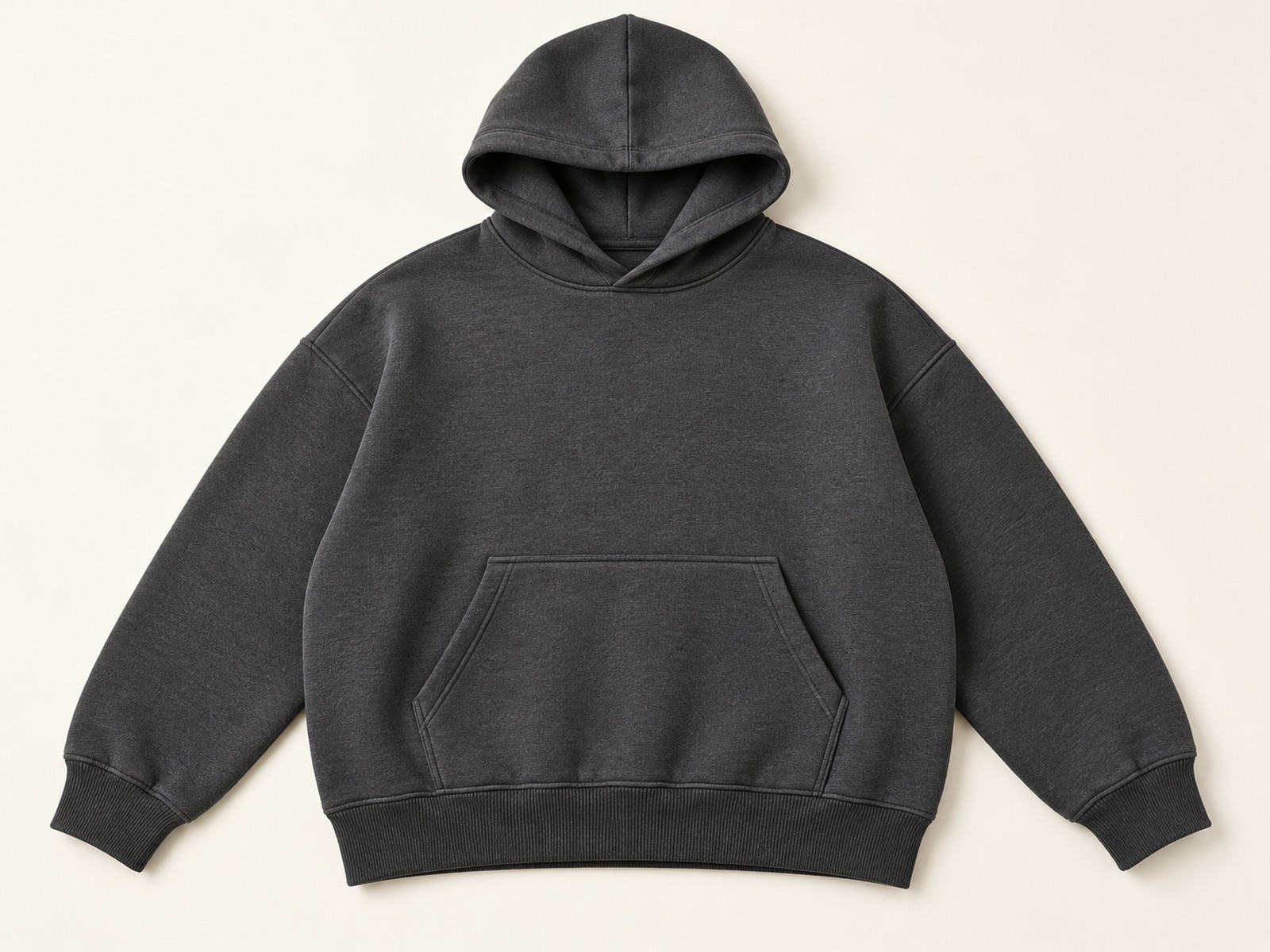
BODY THAT HOLDS ITS SHAPE
Choose 345–475 GSM bonded knit with a cotton/polyester face for sweatshirts and hoodies that should keep a boxy shape. Sweatwear is the most common use for bonded fabric in our library, and the stable face keeps large prints and embroidery flat.
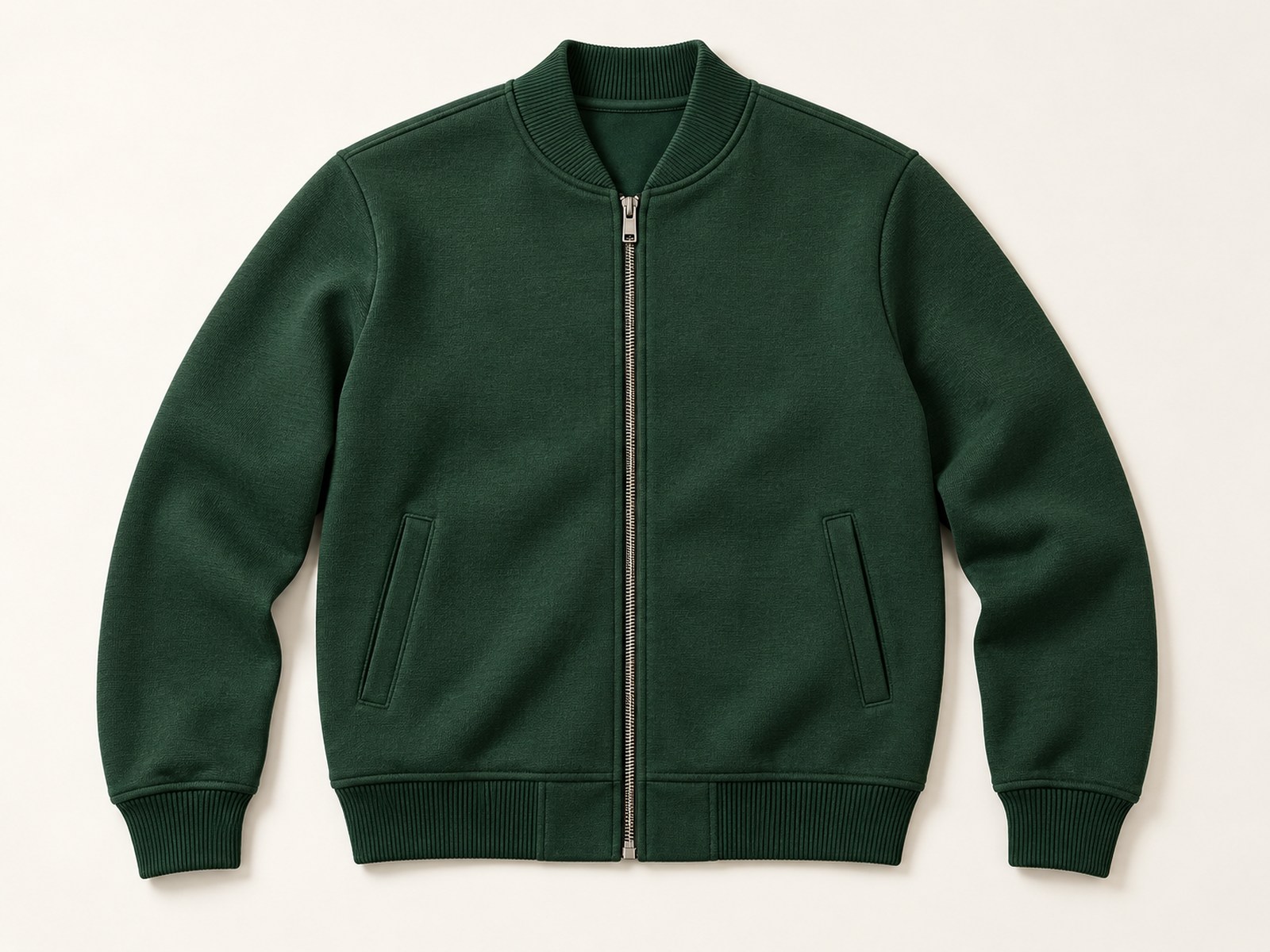
A KNIT THAT WEARS LIKE A JACKET
350–420 GSM bonded knit works well for bombers, varsity jackets and zip-up layers. The two layers give collars, plackets and pocket openings enough body to stay crisp, while the knit back keeps the jacket comfortable to move in.
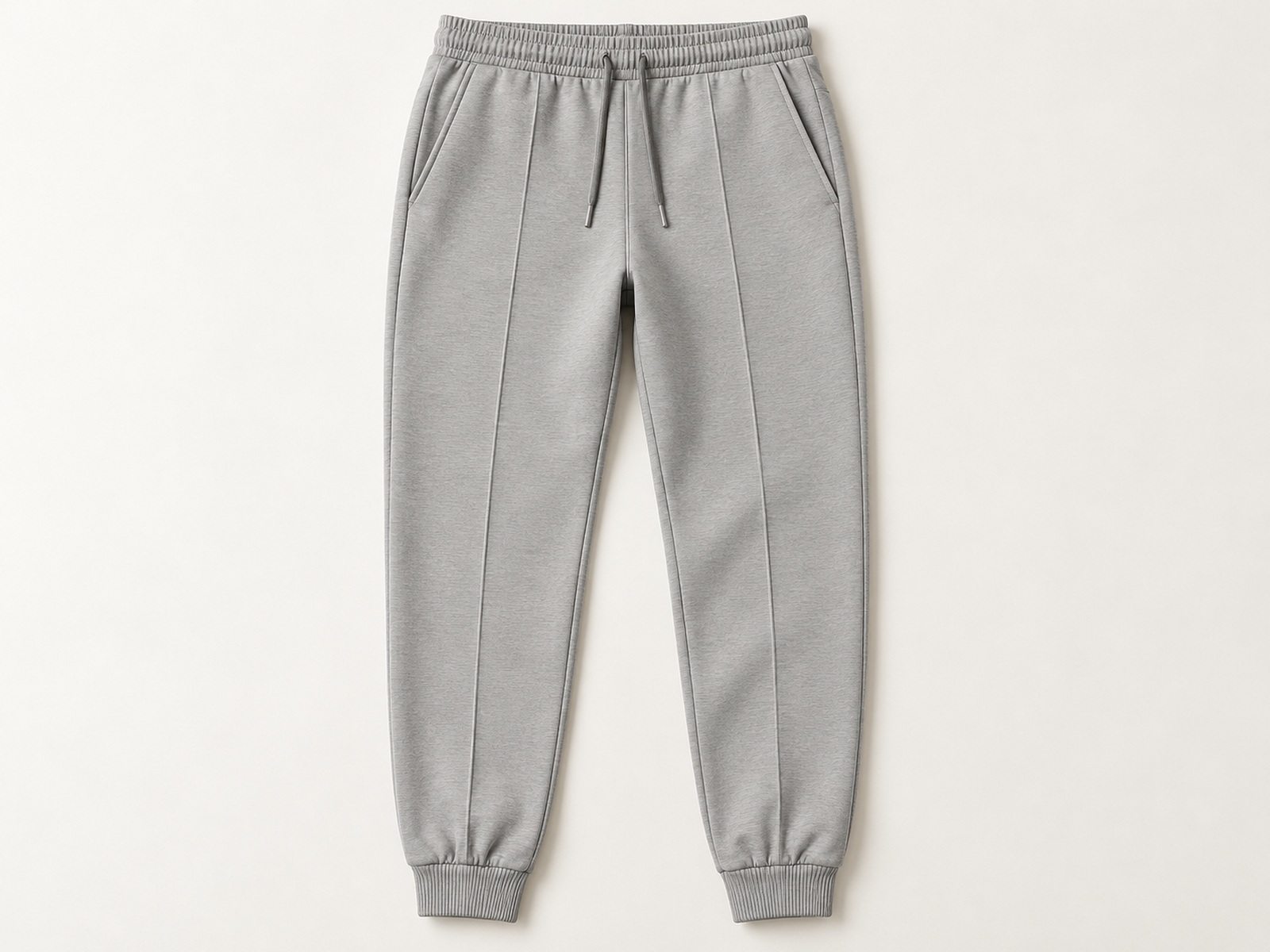
CLEAN LEGS, NO BAGGING
For joggers and casual trousers with a sharper line, start with 340–420 GSM bonded knit. The polyester/spandex back adds recovery through the seat and knees, so the legs keep their shape between wears.
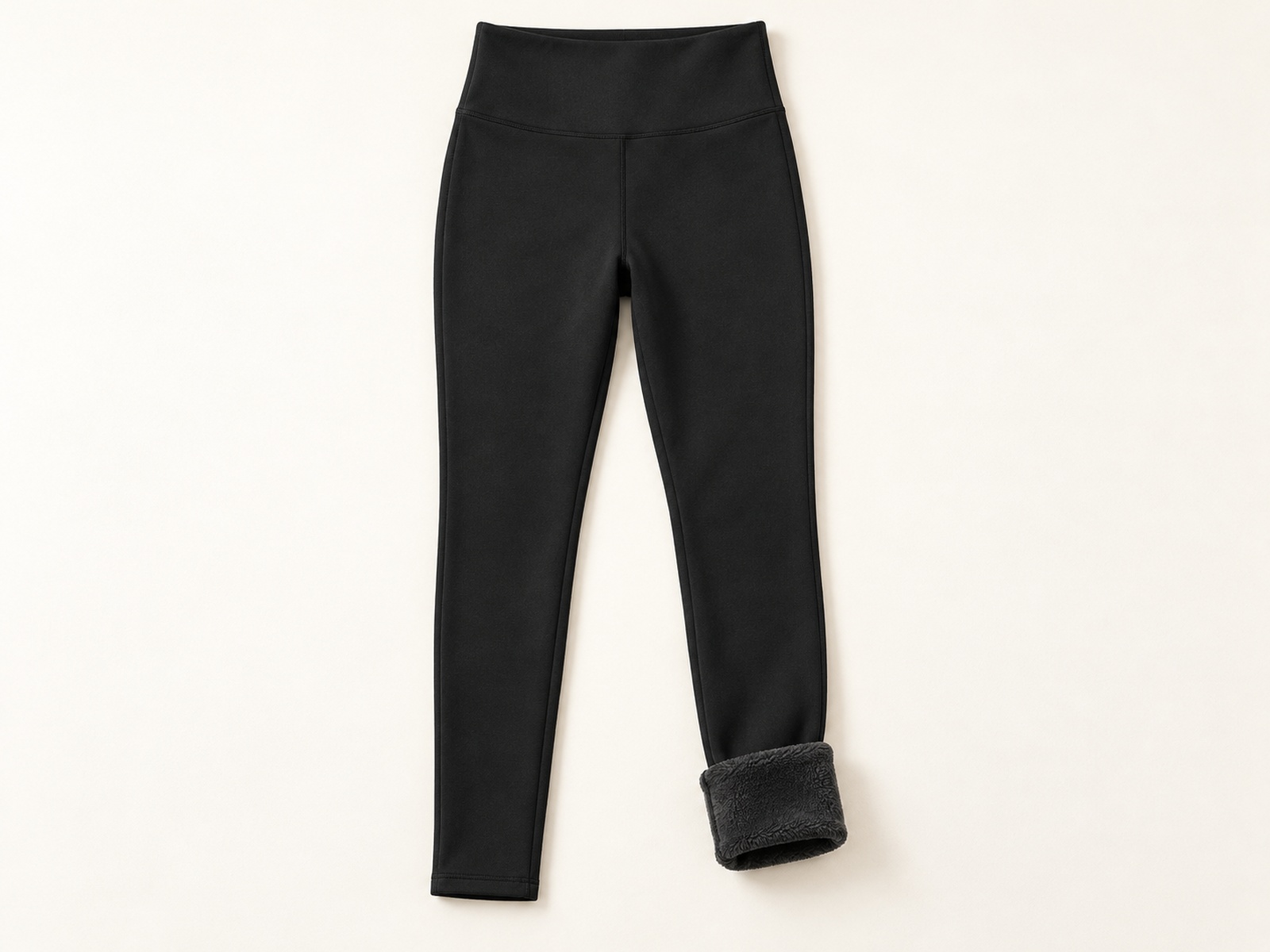
WARMTH UNDER A SMOOTH FACE
For winter leggings, choose 370–490 GSM bonded fabric with a nylon/spandex face on a polyester/spandex back. The face stays smooth and opaque for outdoor wear, and the back holds warmth against the skin. Check stretch on a sample against your size chart.
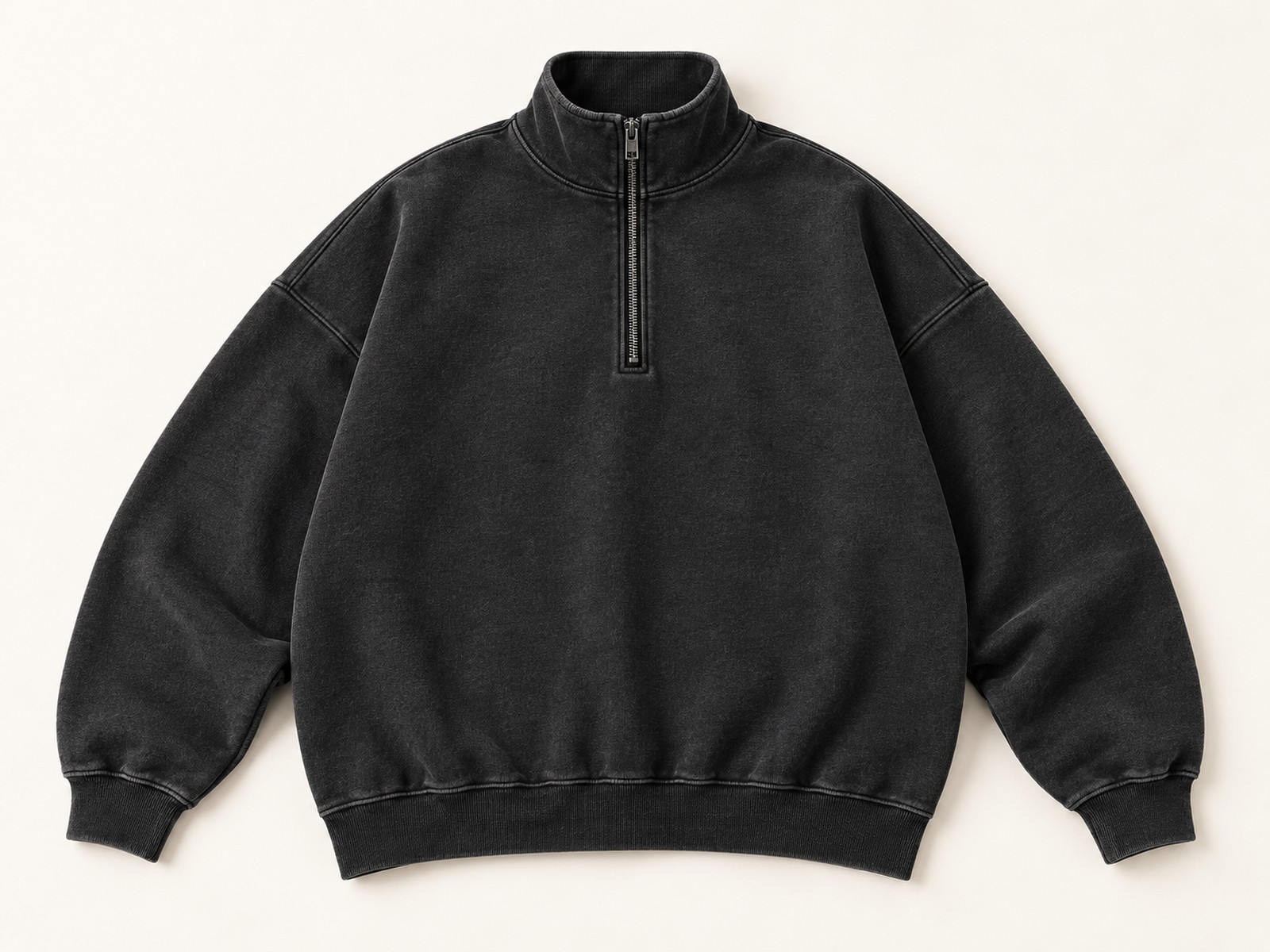
WEIGHT YOU CAN SEE
330–420 GSM bonded knit suits oversized crewnecks, half-zips and boxy long-sleeve tops. It gives a streetwear piece a heavy, deliberate drape and a smooth surface for prints, without moving up to the weight of a jacket.

We list each layer separately. For example, H9627-1# has a face of 65% cotton / 35% polyester and a back of 94.5% polyester / 5.5% spandex. Each layer adds up to 100% on its own, so check both when you compare care and stretch.
No. Bonding joins two fabrics to add body and warmth; it does not make a fabric waterproof. Our bonded knits are developed for sweatwear, knit jackets, trousers and fleece-lined leggings.
Most bonded sweatshirt qualities in our library weigh 345–475 GSM. Choose the lighter end for a crewneck that still moves easily, and the heavier end for a structured, boxy hoodie.
Test the bonded fabric as a whole, not only each layer: the face and back can shrink differently and pucker, so shrinkage after washing is checked on the laminate. Add pilling on the face and, for the nylon/spandex-faced fleece-lined leggings, perspiration fastness. Where face and back colours differ, staining is graded for both.
Stock fabric orders start at 1 roll (~23 kg) per colour. Custom-colour orders start at 200 kg per colour.
Compare complementary fibres and knit constructions for your next apparel collection.
Read practical guides to fibre blends, garment selection and knit construction.