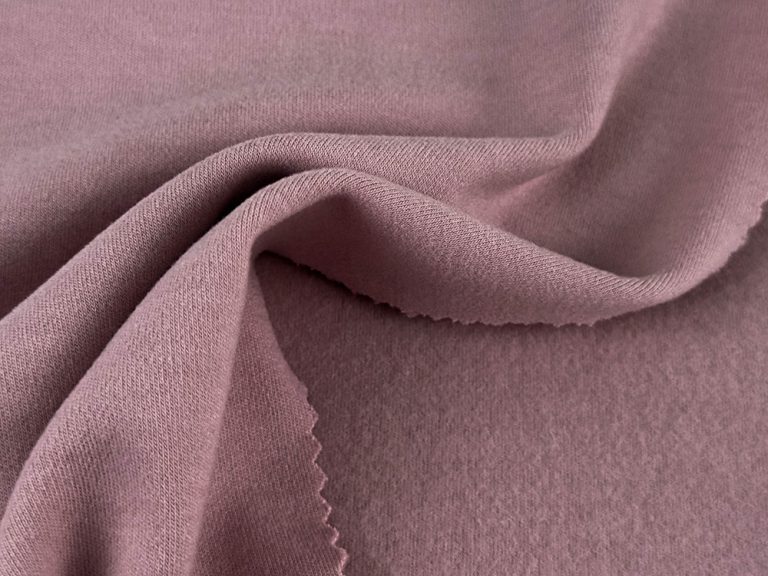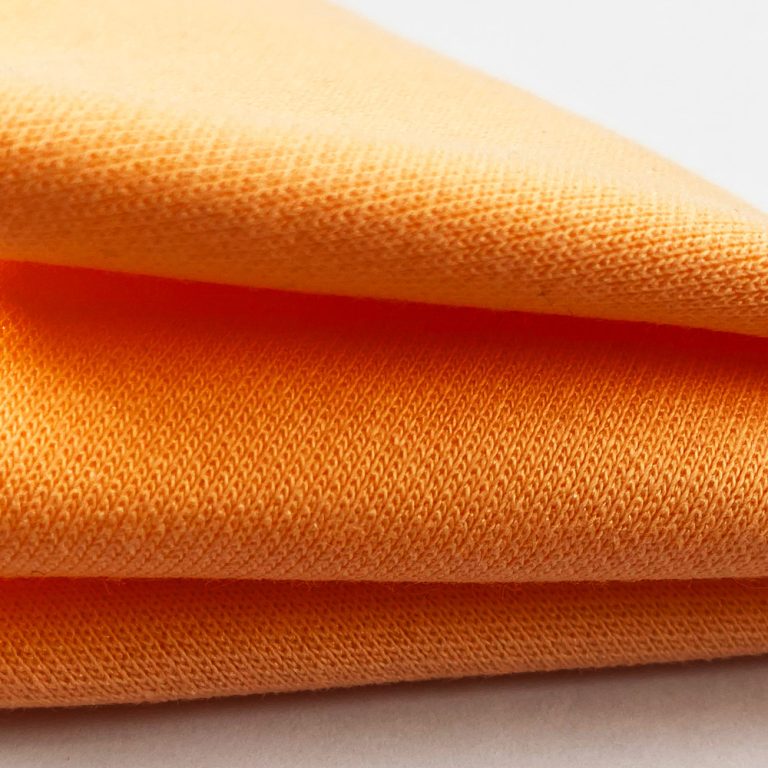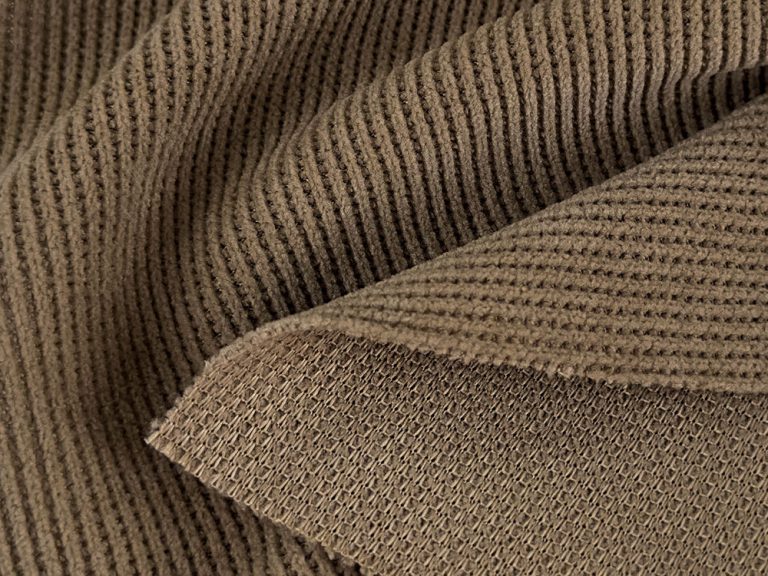
Item No.
LW2138
- Composition
- 65% tencel / 28% wool / 7% spandex
- Weight
- 195 GSM
- Width
- 53.1″ (135 cm)
Knit Fabric Manufacturer Since 2009 · China

WOOL BLEND KNIT · FABRIC SOURCING
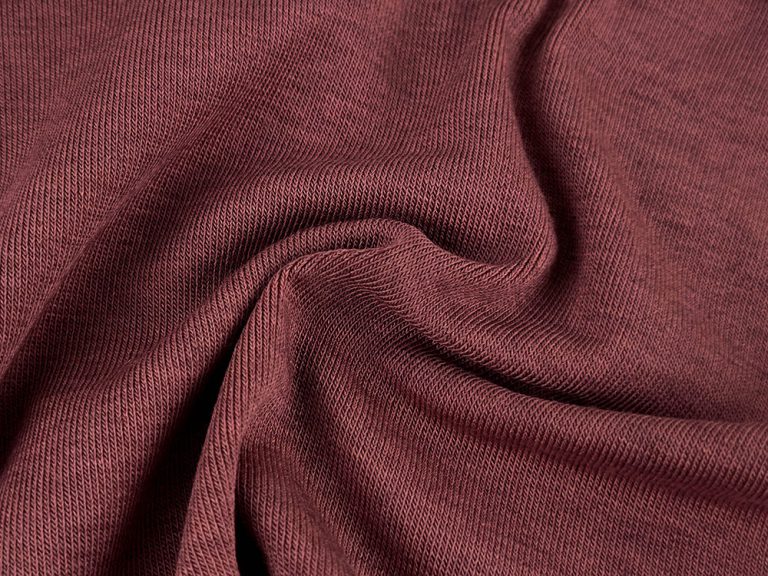
Runtang Textile manufactures wool-blend knit fabrics for base layers, fine T-shirts, knit dresses, thermal underwear and sweatshirts. Choose 100% wool jersey, lyocell/wool rib or thermal blends with a smaller share of wool. Stock orders start at 1 roll (~23 kg) per colour; custom colours start at 200 kg per colour.
Wool Blend Knit Fabric for apparel brands, garment manufacturers and fabric sourcing teams.
Explore our online wool-blend knit range, backed by a library of 357 options.
Item No.
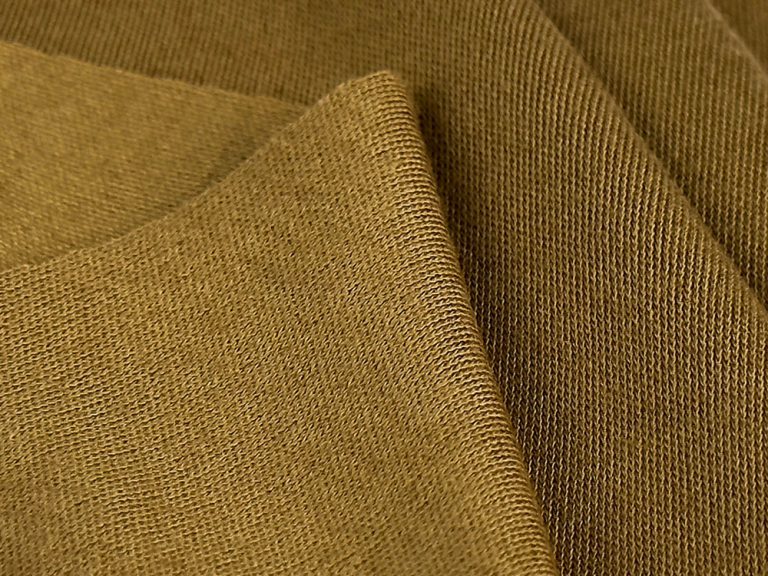
Item No.
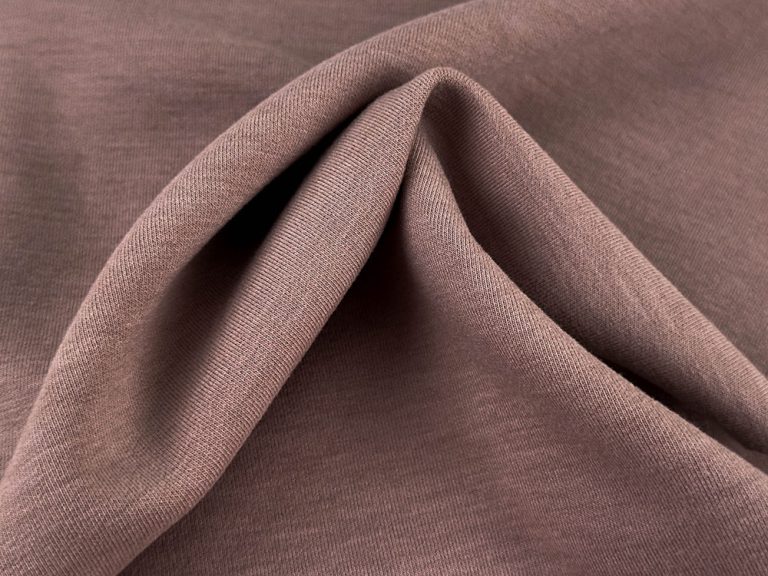
Item No.
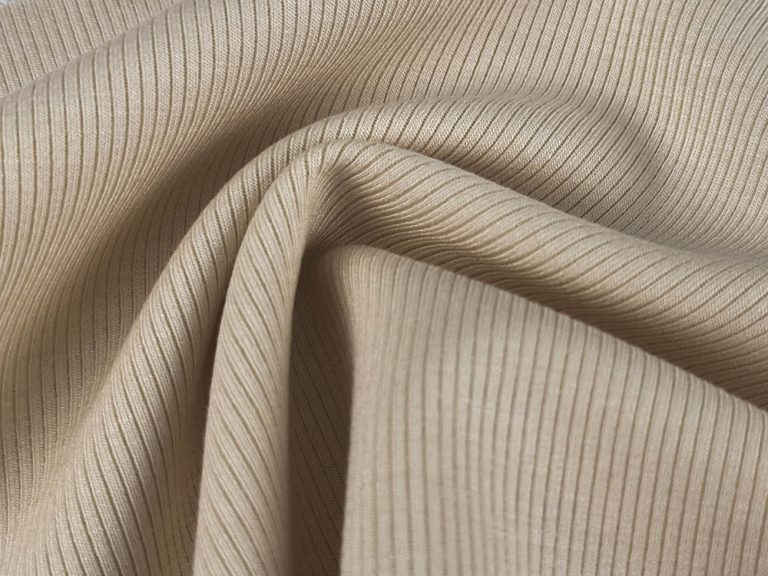
Item No.
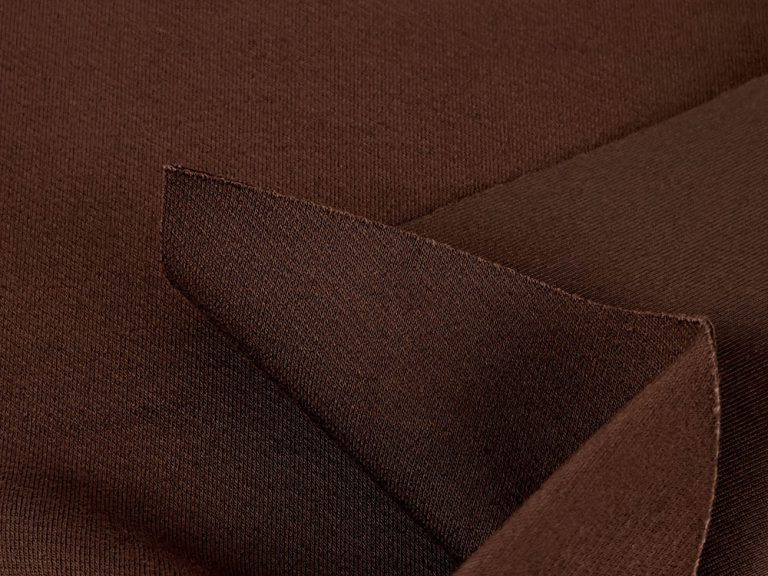
Item No.
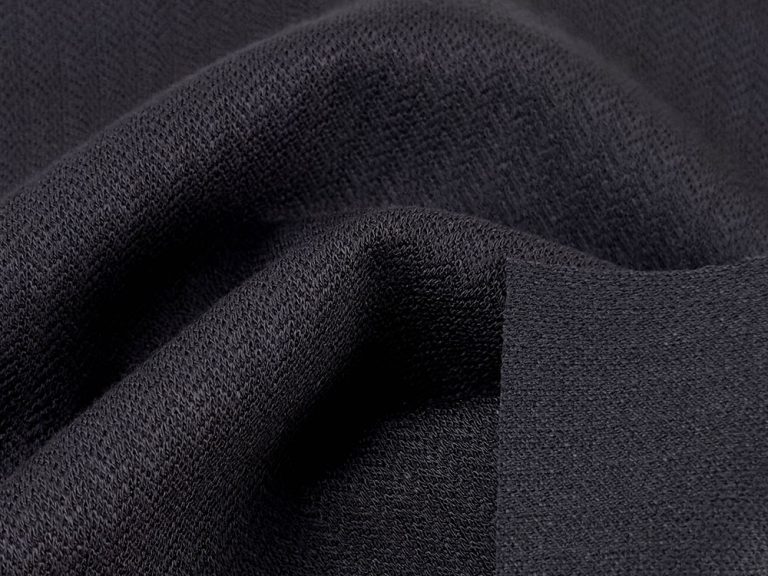
Item No.
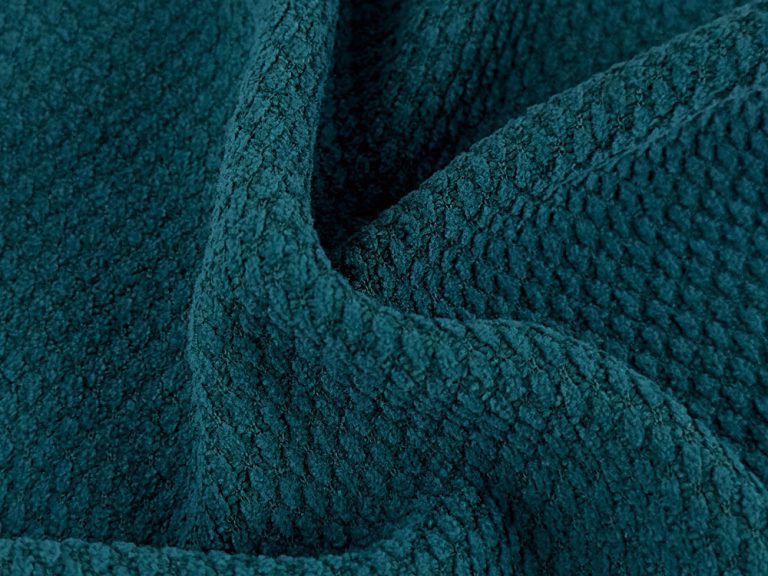
Item No.
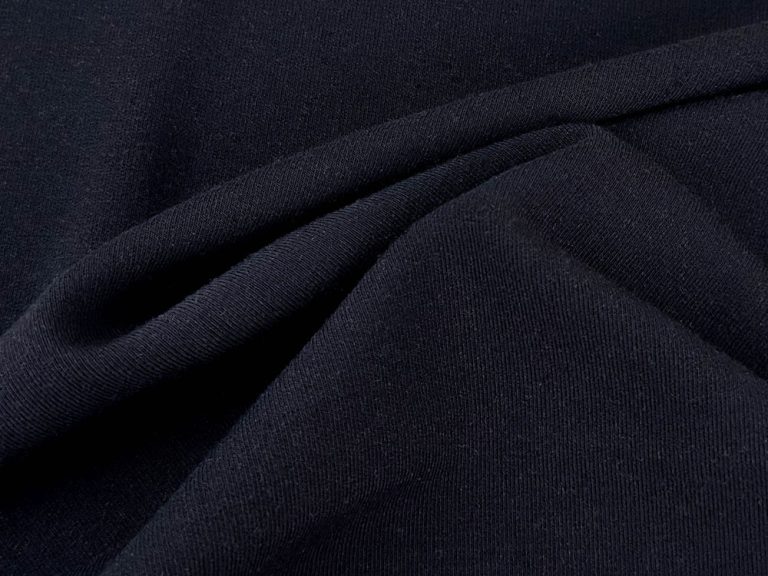
Item No.
| Item | Composition | Weight | Width | Details |
|---|---|---|---|---|
| LW2138 | 65% tencel / 28% wool / 7% spandex | 195 GSM | 53.1″ (135 cm) | View specifications |
| SS36005 | 40% acrylic / 39% modal / 12% viscose / 6% wool / 3% spandex | 250 GSM | 65″ (165 cm) | View specifications |
| YM0418 | 49% viscose / 38% acrylic / 8% spandex / 5% wool | 360 GSM | 65″ (165 cm) | View specifications |
| LW26010 | 5% wool / 31% modal / 58% polyester / 6% spandex | 400 GSM | 61″ (155 cm) | View specifications |
| KQ32006 | 5% wool / 31% modal / 58% polyester / 6% spandex | 400 GSM | 58.3″ (148 cm) | View specifications |
| SM21013 | 5% wool / 31% tencel / 49% polyester / 15% spandex | 400 GSM | 58.3″ (148 cm) | View specifications |
| XN24007 | 92% polyester / 4% wool / 4% spandex | 430 GSM | 59.1″ (150 cm) | View specifications |
| YM0308 | 38% polyester / 32.5% acrylic / 14% modal / 3.5% wool / 12% spandex | 260 GSM | 68.9″ (175 cm) | View specifications |
Our fabric library includes 357 wool-blend knit options. Contact us for more compositions, weights and colours for your collection.
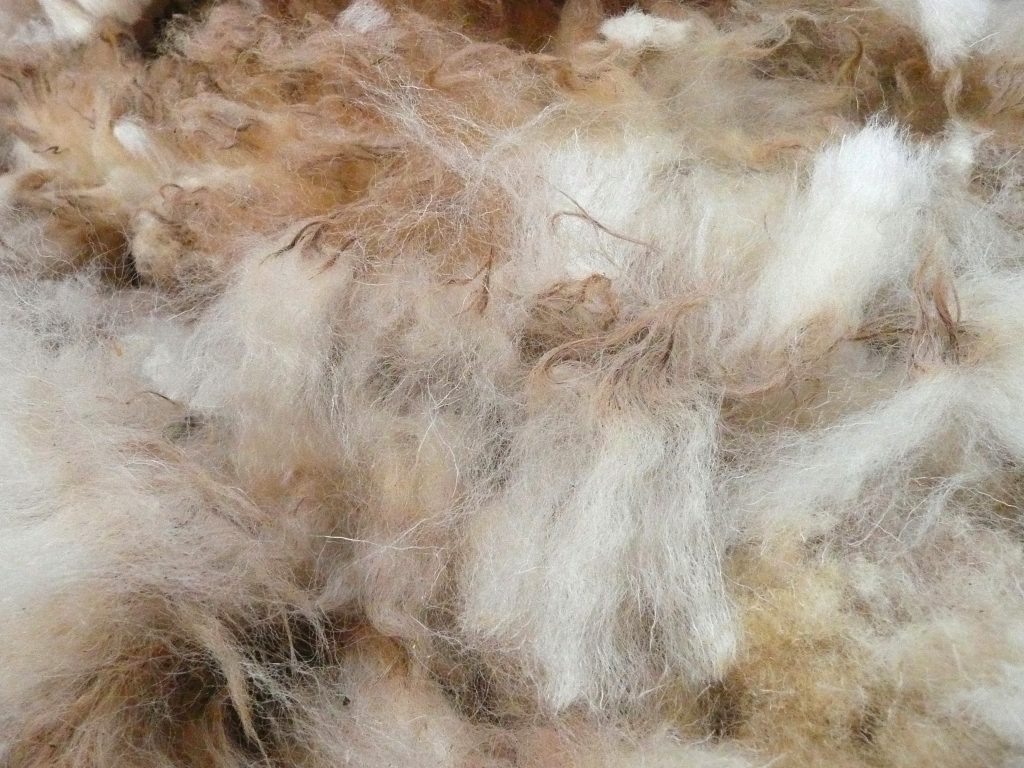
Wool-blend knit fabric combines wool, a natural protein fibre, with other fibres. Wool brings warmth for its weight and handles moisture vapour well, while the partner fibre adds smoothness, stretch or lower cost. In our library, 357 knit qualities contain wool, but the share varies widely. Only 11 are 100% wool, mostly fine 140–180 GSM jersey; in about half, wool makes up 10% or less. Our largest group is lyocell/wool rib with around 20% wool. Most wool-blend qualities weigh 170–305 GSM. Always check the exact wool percentage on the product, because a 3% wool thermal blend behaves very differently from pure wool jersey. Wool is sensitive to heat and agitation in washing, so test shrinkage on a sample.
Lyocell/wool rib is our largest wool group; pure wool jersey is a small, light range for fine layers.
| Fabric type | Fabric examples | Apparel applications |
|---|---|---|
| Lyocell/wool and lyocell/wool/spandex | 120–230 GSM, such as AS2556# (77% lyocell / 19% wool / 4% spandex) at 180 GSM | T-shirts, dresses and base layers |
| 100% wool jersey | 140–180 GSM, such as DS42024 at 150 GSM | Fine base layers and T-shirts |
| Thermal blends with a small share of wool | 220–320 GSM, such as P5545 (63% viscose / 27% acrylic / 7% spandex / 3% wool) at 260 GSM | Thermal tops and base layers |
| Heavier polyester/wool blends | 300–430 GSM, such as P4363 (51.2% polyester / 26% wool / 22.8% viscose) at 420 GSM | Sweatshirts, knit jackets and streetwear |
Choose 140–180 GSM pure wool jersey for fine base layers, 150–220 GSM lyocell/wool for T-shirts and camisoles, 170–290 GSM for dresses, 245–320 GSM thermal blends for underwear, and 300–430 GSM blends for sweatshirts.
Below 200 GSM
1 qualities
200–299 GSM
2 qualities
300 GSM and above
5 qualities
These three are the usual choices for warm knit layers; the difference is where the warmth comes from and how the fabric handles moisture and care.
| Feature | Wool Blend Knit | Acrylic Blend Knit | Cotton Knit |
|---|---|---|---|
| Source of warmth | Wool fibre, even in small shares | Bulky acrylic fibre | Fabric weight and structure |
| Moisture | Absorbs vapour and stays warm | Absorbs little | Absorbs well, slow to dry |
| Care | Gentle washing; test shrinkage | Easy care; watch pilling | Easy care |
| Typical weights in our library | 170–305 GSM | 220–300 GSM | 200–320 GSM |
| Typical garments | Base layers, fine tees and dresses | Thermal tops and underwear | Tees, sweatshirts and dresses |
Xiwen Zhang, our co-founder and CEO, recommends these wool blends and weights for the warm, close-to-skin layers our customers develop most often, drawing on our knit fabric experience since 2009.
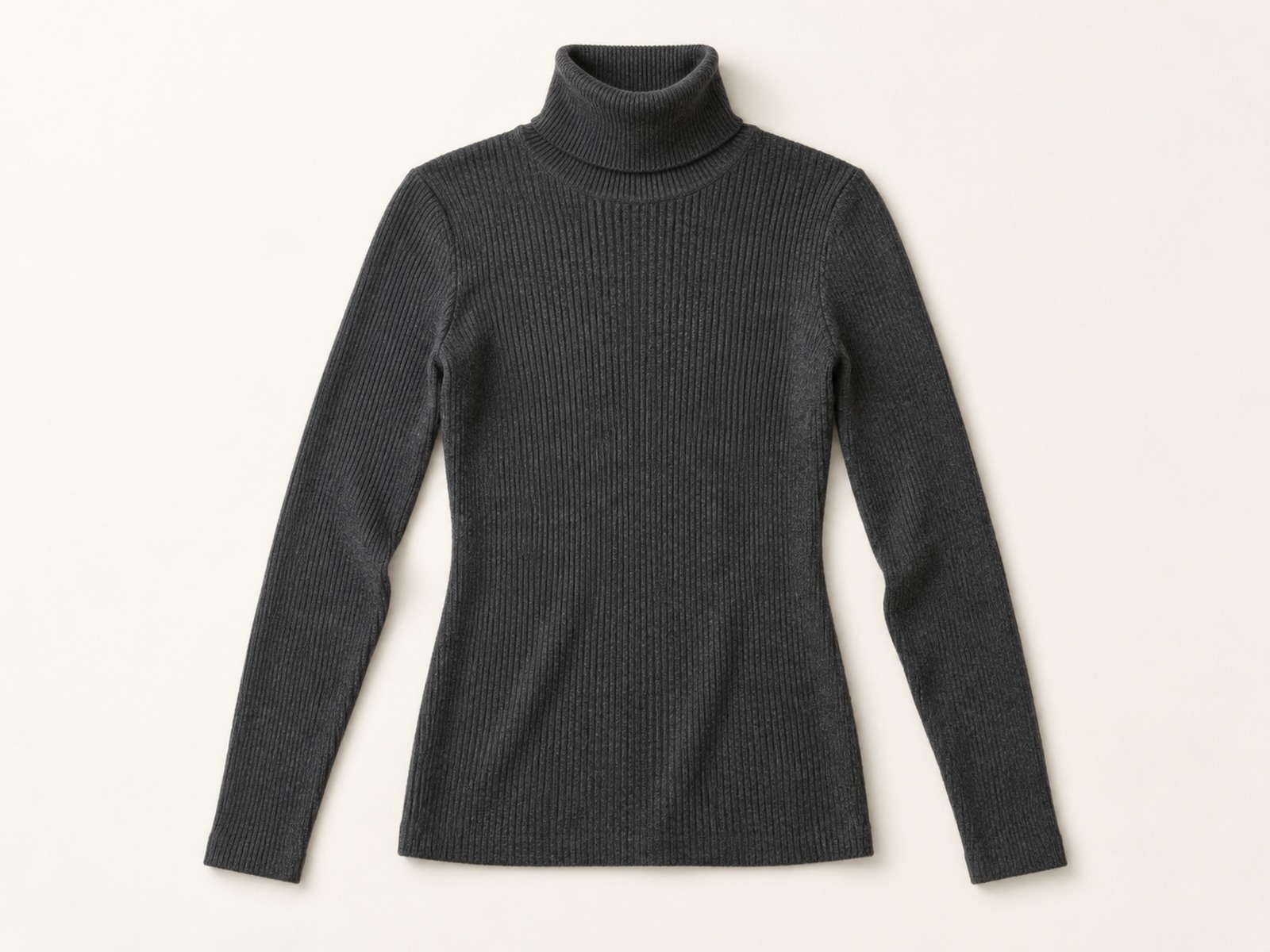
OUR LARGEST WOOL USE
Choose 180–280 GSM lyocell/wool rib for long-sleeve base layers. Base layers are the most common use for wool in our library, and the lyocell face keeps the fabric smooth next to the skin.
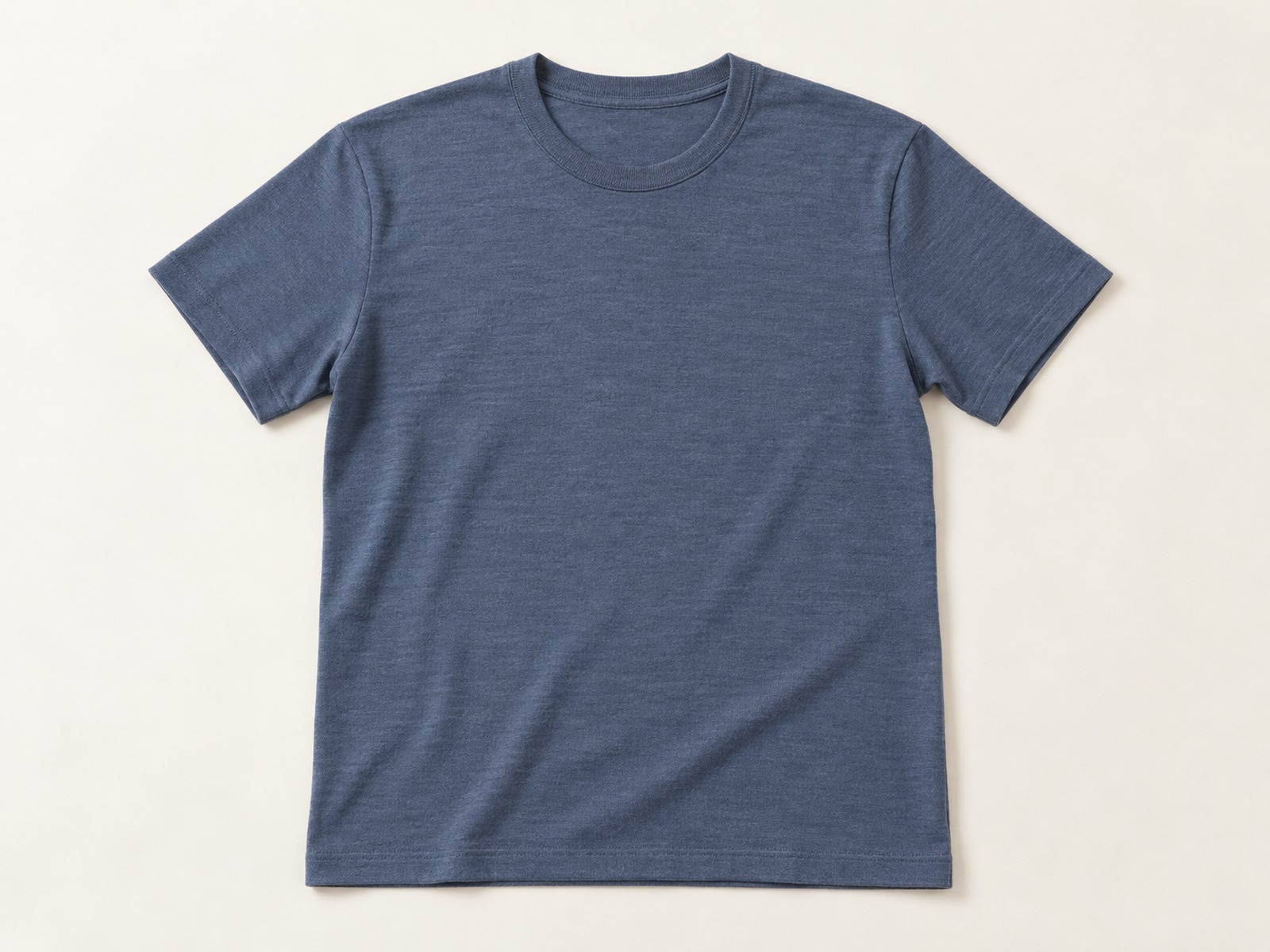
PURE WOOL, LIGHT WEIGHT
For travel and outdoor T-shirts, start with 140–180 GSM pure wool jersey, or a lyocell/wool blend up to 220 GSM for a smoother hand. Wool tees stay comfortable across a wide range of temperatures.
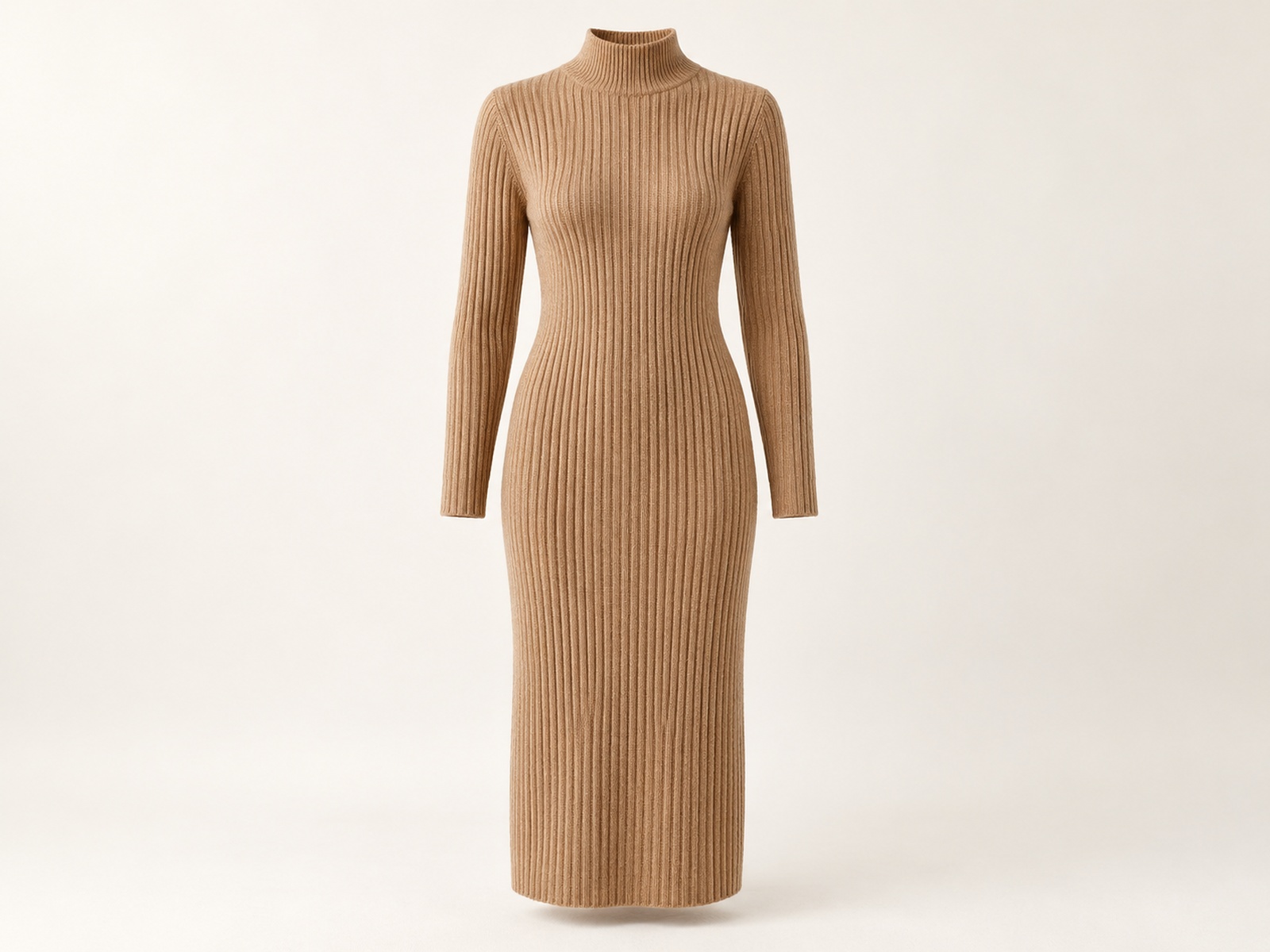
WINTER DRAPE
170–290 GSM wool-blend rib or jersey works well for long-sleeve knit dresses. A lyocell/wool blend drapes softly over the body, and the wool keeps a winter dress warm without bulk.
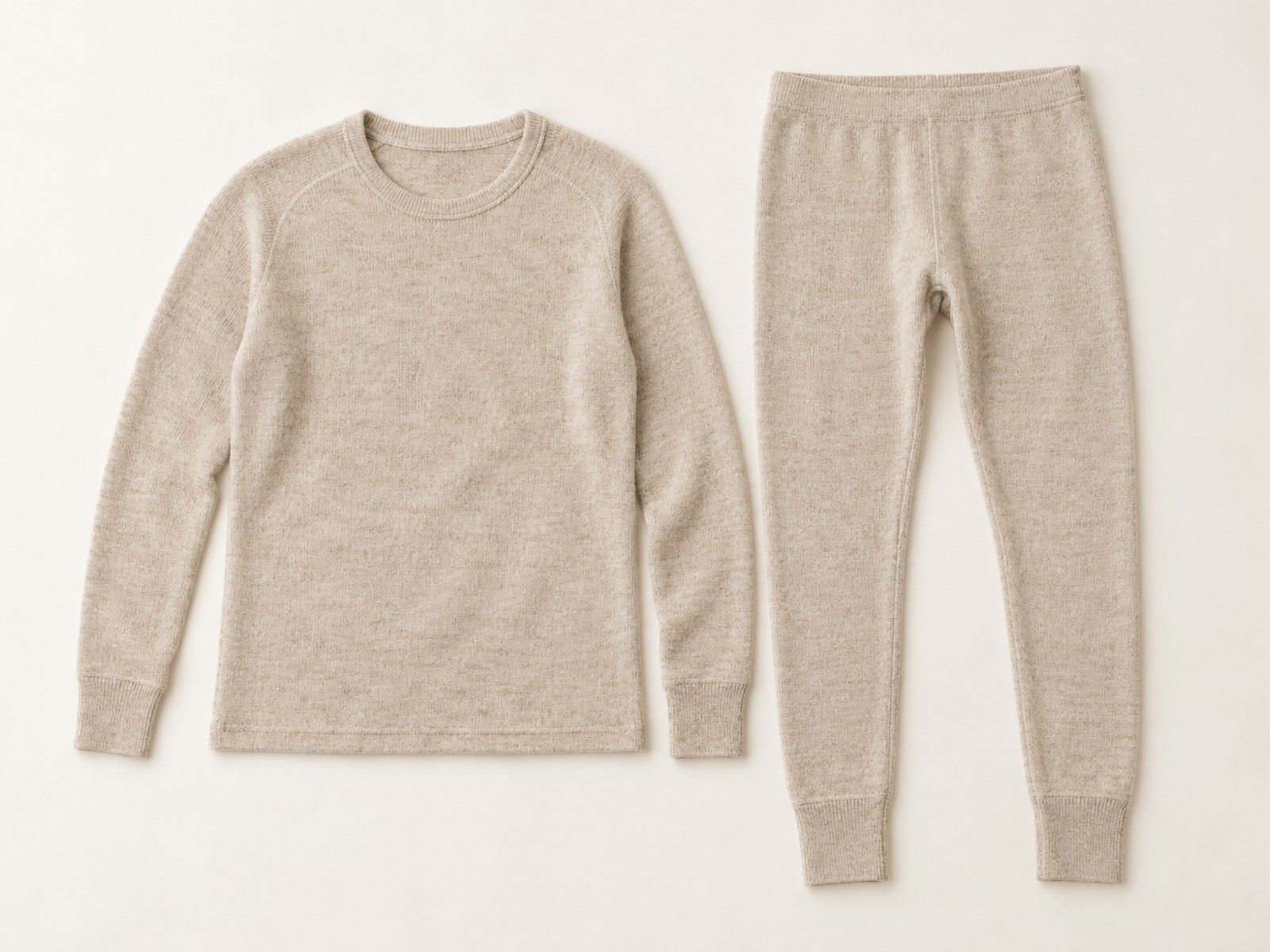
A LITTLE WOOL GOES FAR
Choose 245–320 GSM thermal blends for underwear sets. These usually contain 3–5% wool alongside viscose and acrylic, which keeps the price close to a standard thermal while adding wool to the composition.
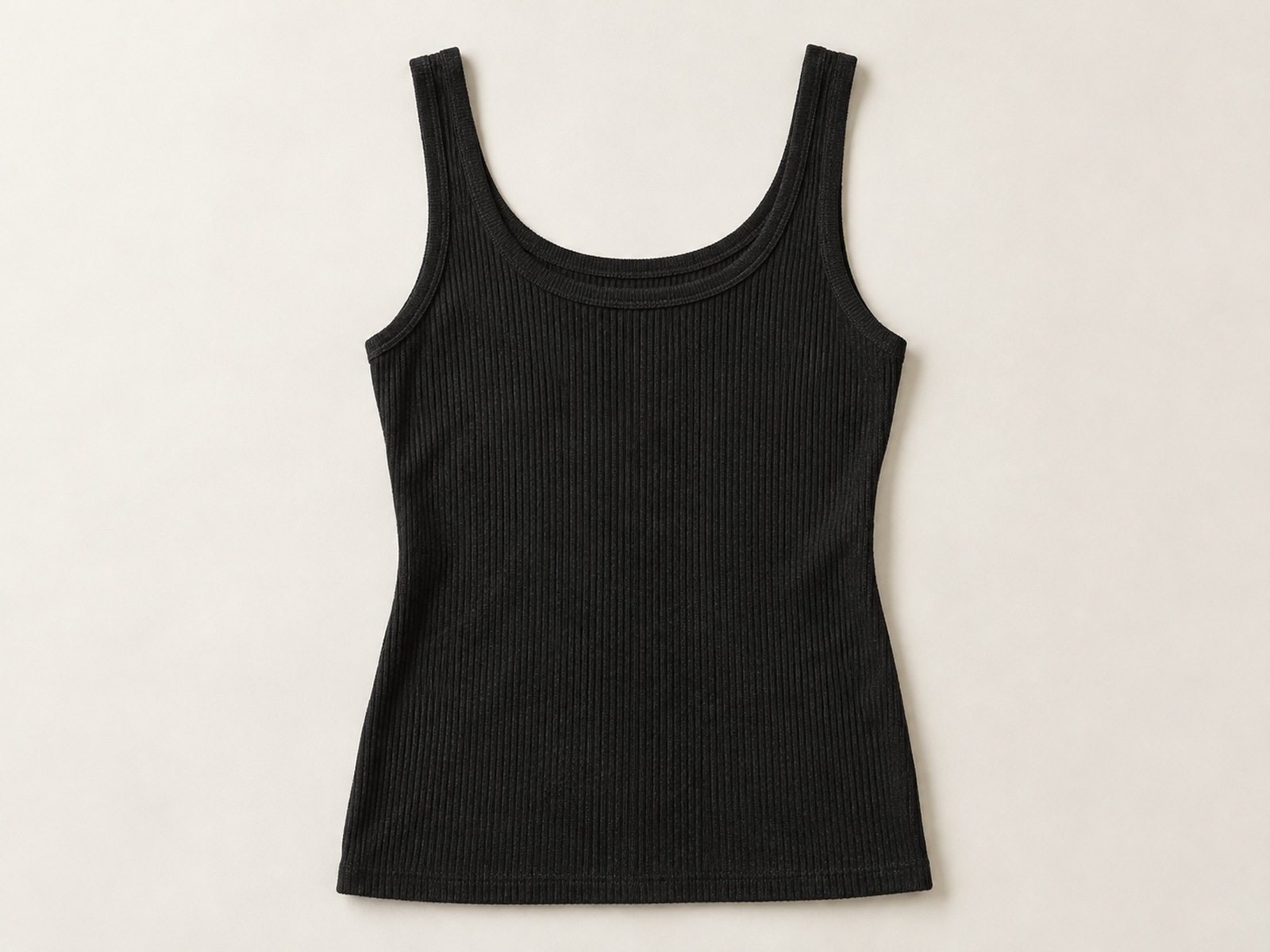
WOOL FOR THE FIRST LAYER
For camisoles and sleeveless layering tops, start with 150–230 GSM lyocell/wool. It gives a thin first layer real warmth for winter wardrobes while staying light under knitwear.
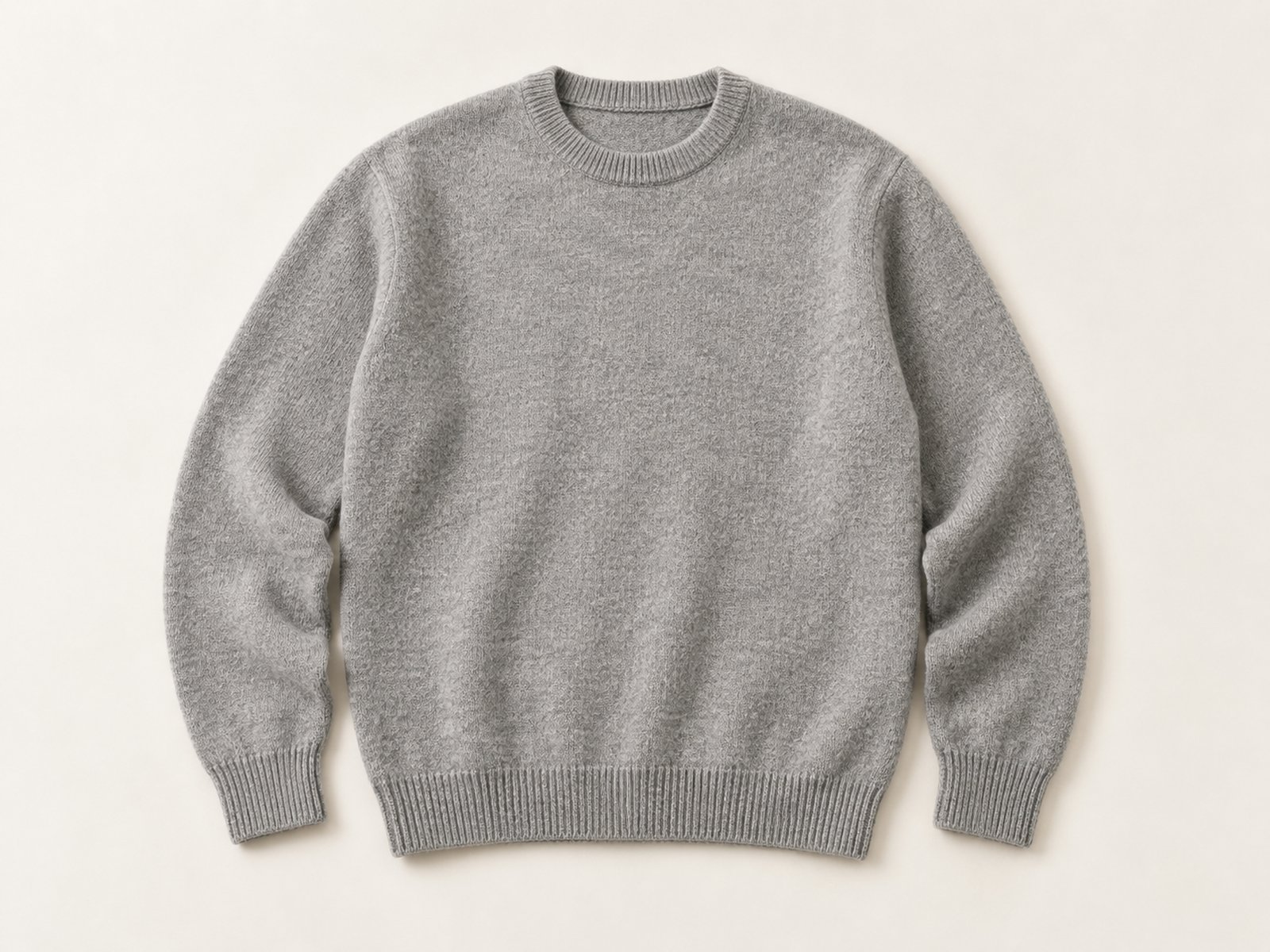
WARMTH FOR HEAVIER PIECES
300–430 GSM wool-blend knits suit sweatshirts, knit jackets and streetwear. Polyester carries the structure and wool adds warmth and a drier hand. Check the exact wool share, which ranges from under 5% to over 25% in this group.

It varies from about 3% to 100%. Only 11 of our wool qualities are 100% wool; in about half, wool is 10% or less, and the large lyocell/wool group is around 20% wool. We state the exact percentage for every quality.
Not automatically. Washability depends on the wool share, any shrink-resist treatment and the garment construction. Test shrinkage and appearance after washing on a sample before you set care instructions.
Yes, a small range: 11 pure wool qualities, mostly 140–180 GSM single jersey, used for fine base layers and T-shirts.
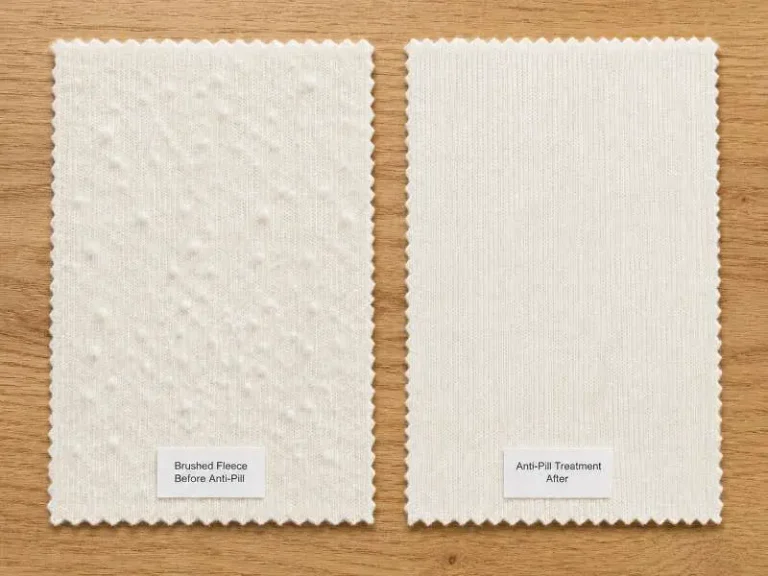
Once the care label is set, it decides whether an ISO 6330 shrinkage test applies at all; a dry-clean label removes that line. Wool pills readily, so add pilling for 100% wool jersey and for the polyester/wool blends at 300–430 GSM, and for lyocell/wool base layers worn next to the skin add perspiration fastness.
Stock fabric orders start at 1 roll (~23 kg) per colour. Custom-colour orders start at 200 kg per colour.
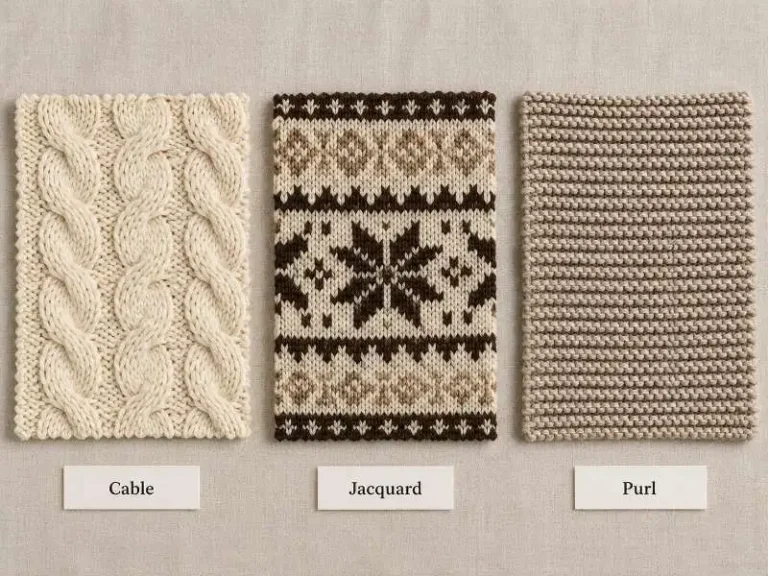
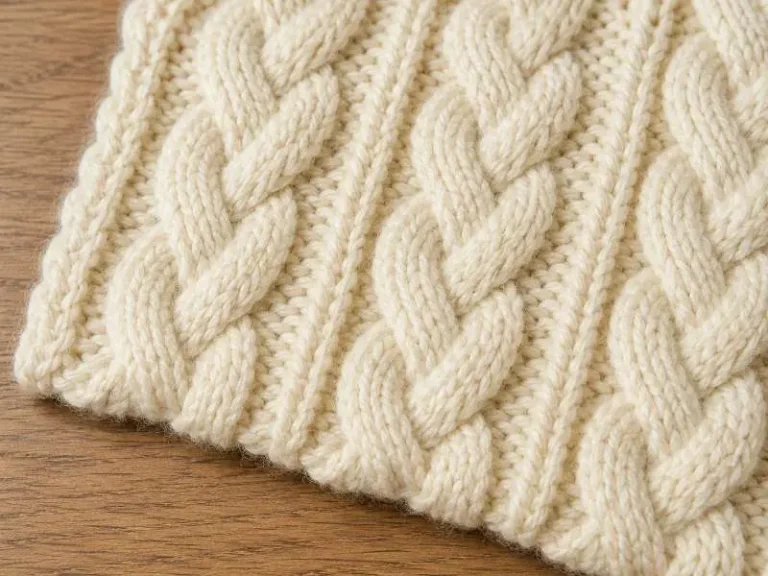
Compare complementary fibres and knit constructions for your next apparel collection.
Read practical guides to fibre blends, garment selection and knit construction.