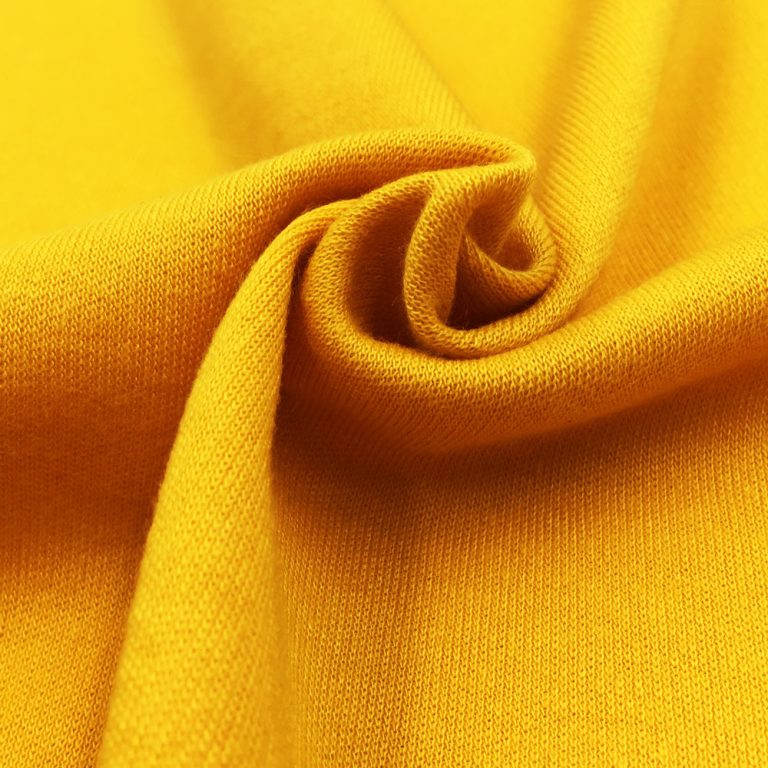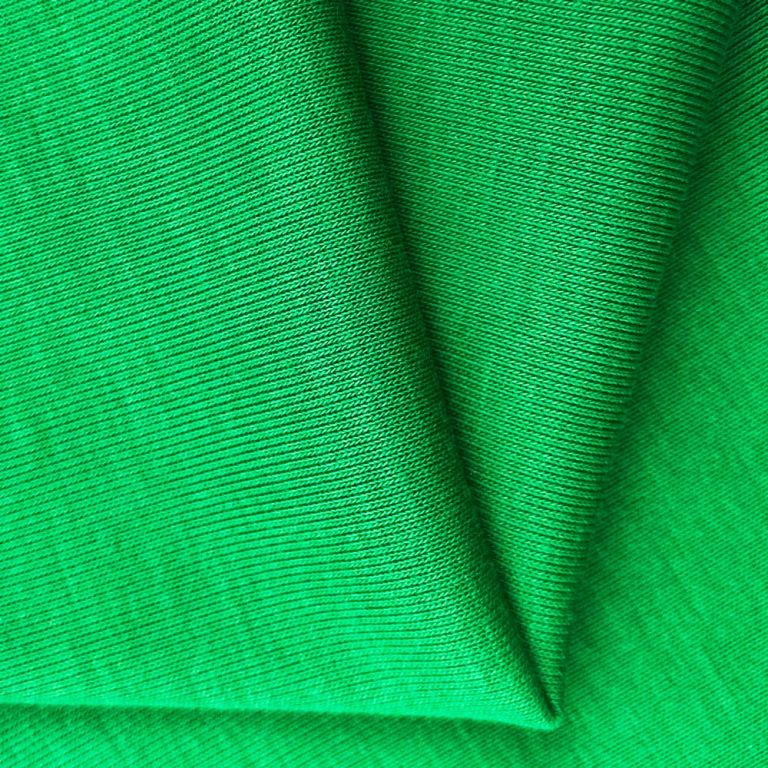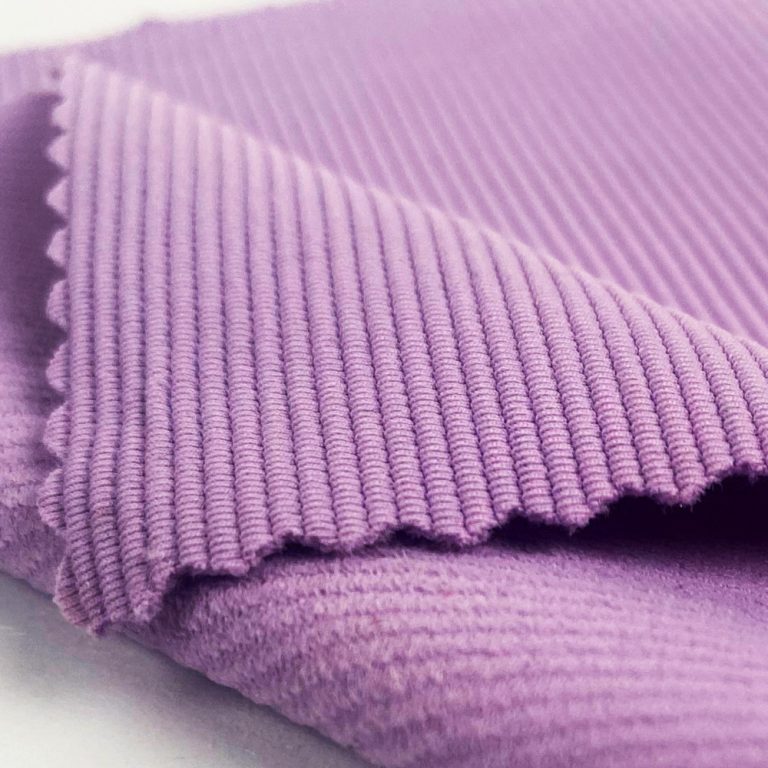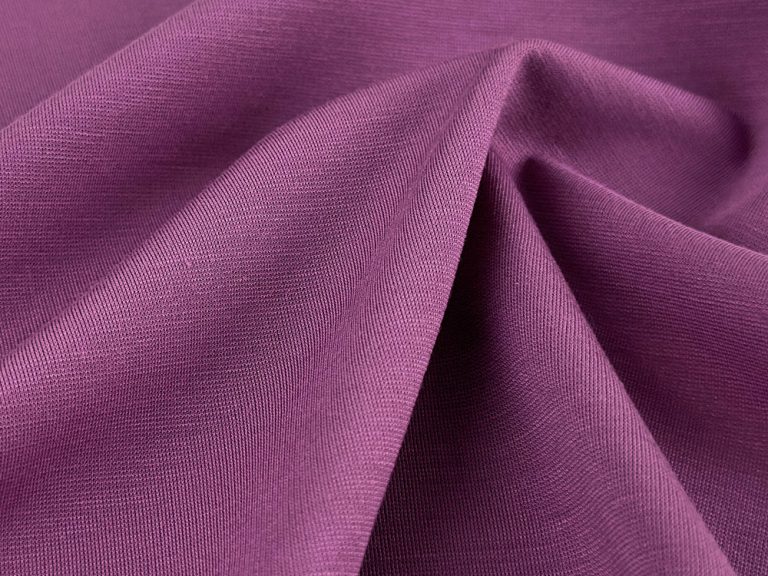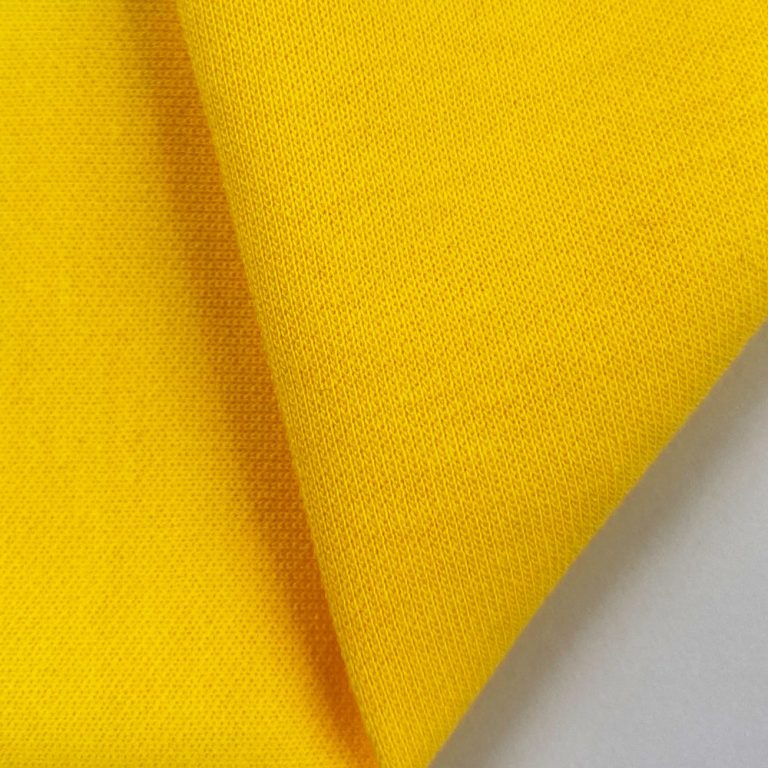
Item No.
KF966
- Composition
- 75% cotton / 25% polyester
- Weight
- 260 GSM
- Width
- 66/68″ (168/173 cm)
Knit Fabric Manufacturer Since 2009 · China

RIB KNIT · FABRIC SOURCING
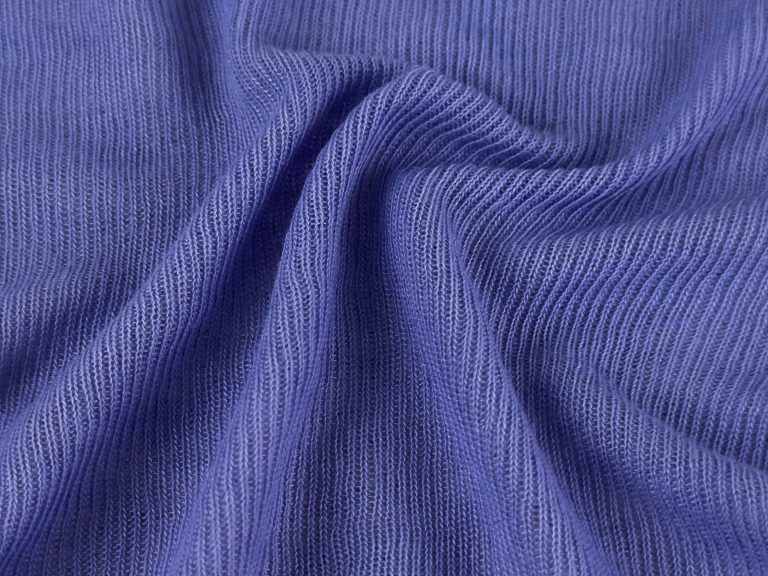
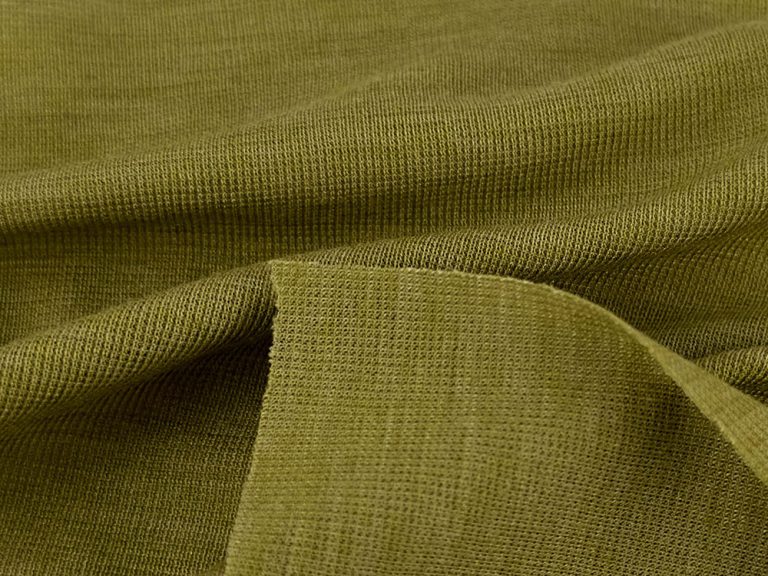
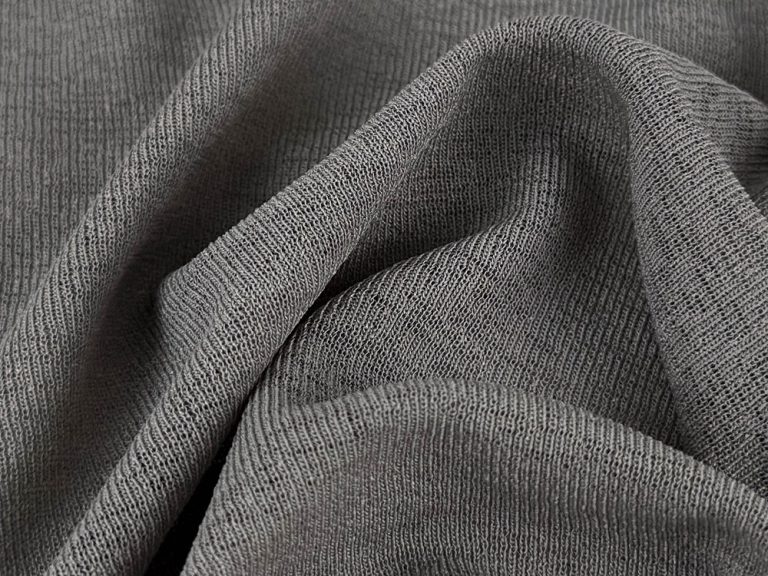
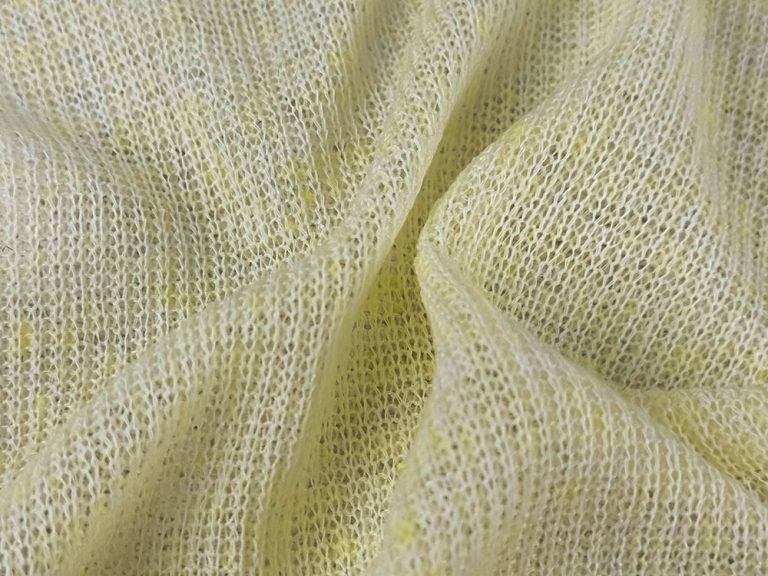
Runtang Textile manufactures rib knit fabrics for fitted tops, dresses, camisoles, loungewear and neckband, cuff and waistband trims. Choose cotton/spandex, polyester/spandex, viscose/spandex or cotton/polyester rib in fine and wide ribs. Stock orders start at 1 roll (~23 kg) per colour; custom colours start at 200 kg per colour.

Rib Knit Fabric for apparel brands, garment manufacturers and fabric sourcing teams.
Explore our online rib knit range, backed by a library of 757 options.
Item No.
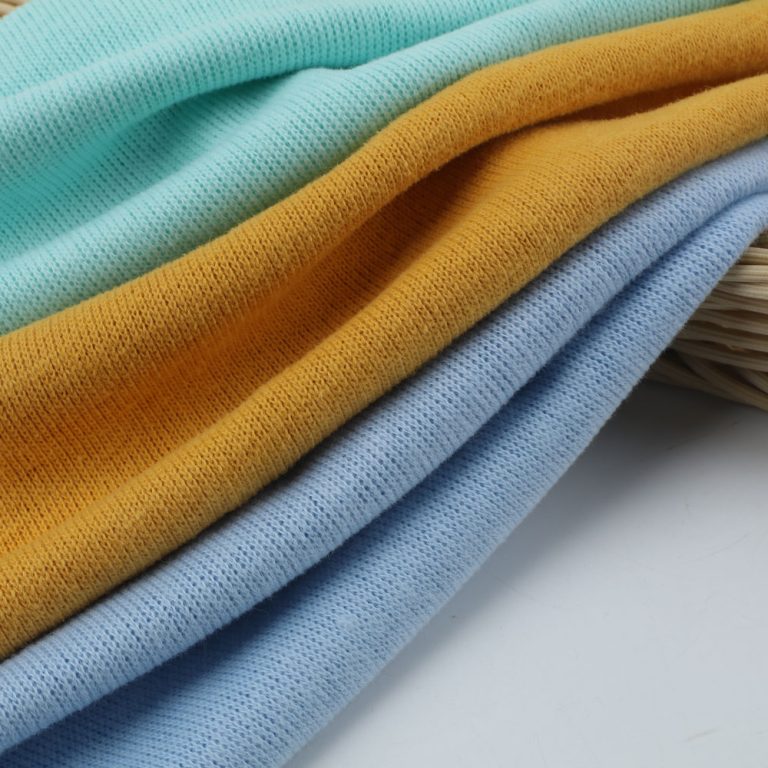
Item No.
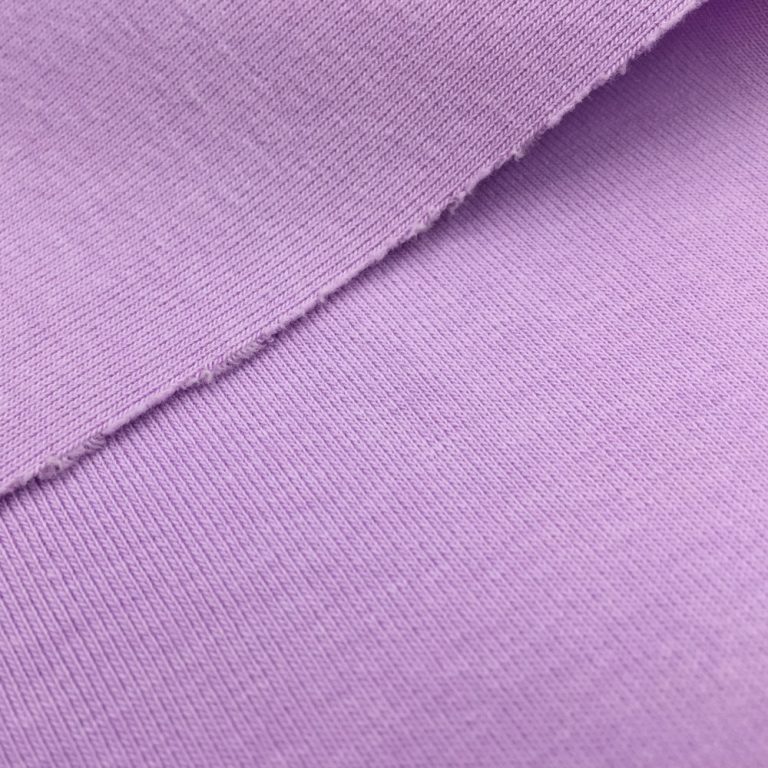
Item No.
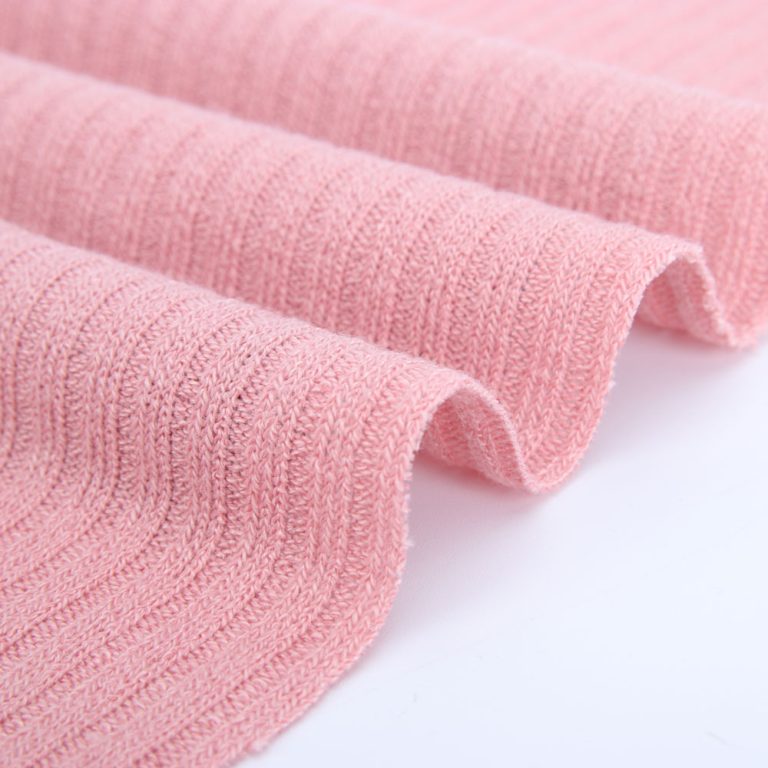
Item No.
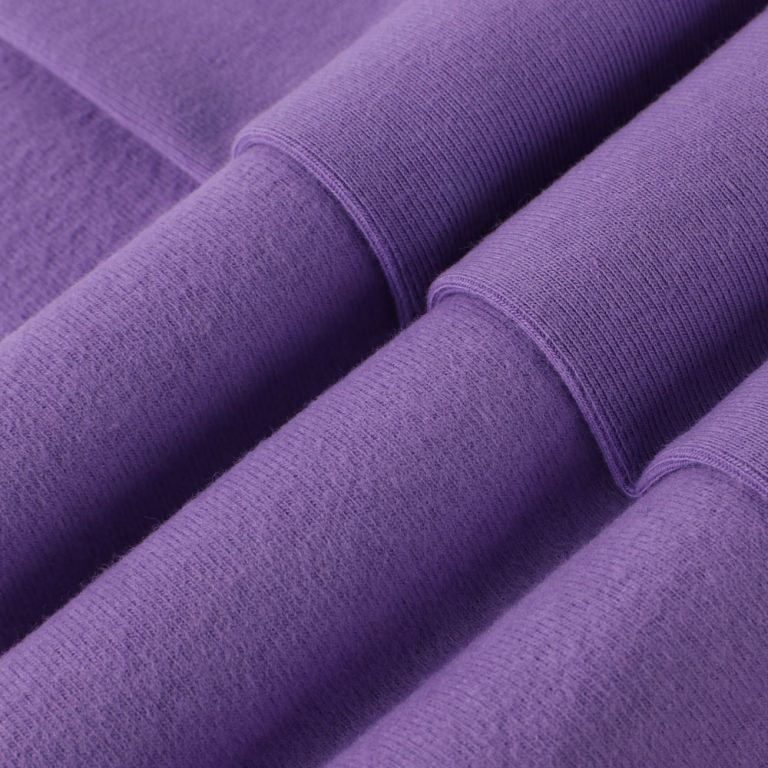
Item No.
Item No.
Item No.
Item No.
Item No.
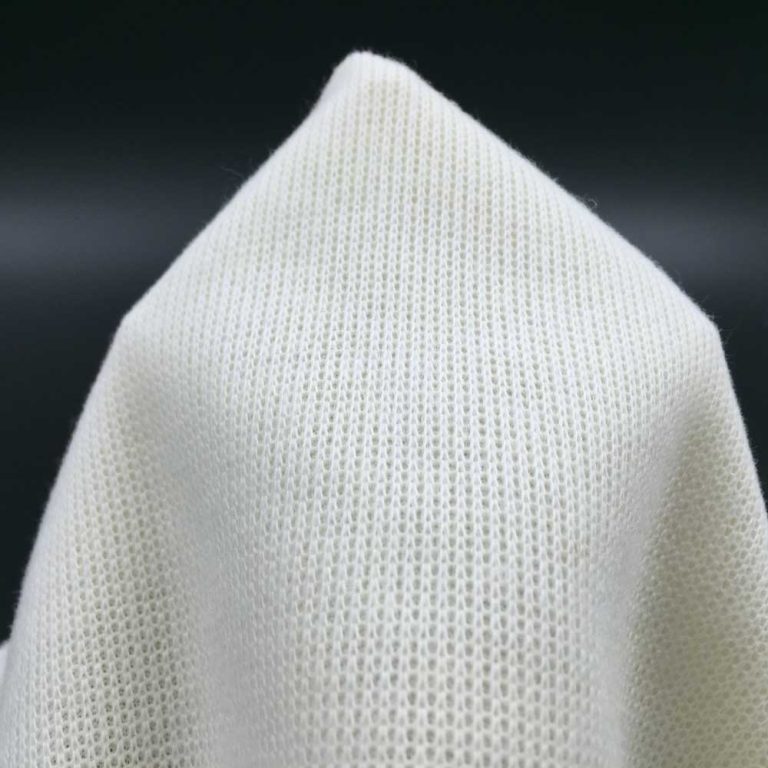
Item No.
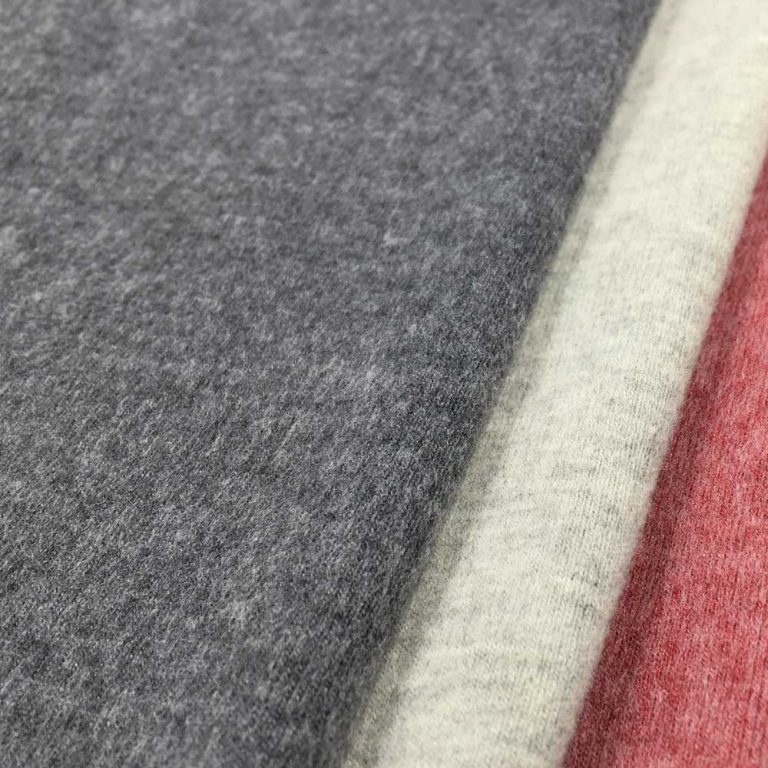
Item No.
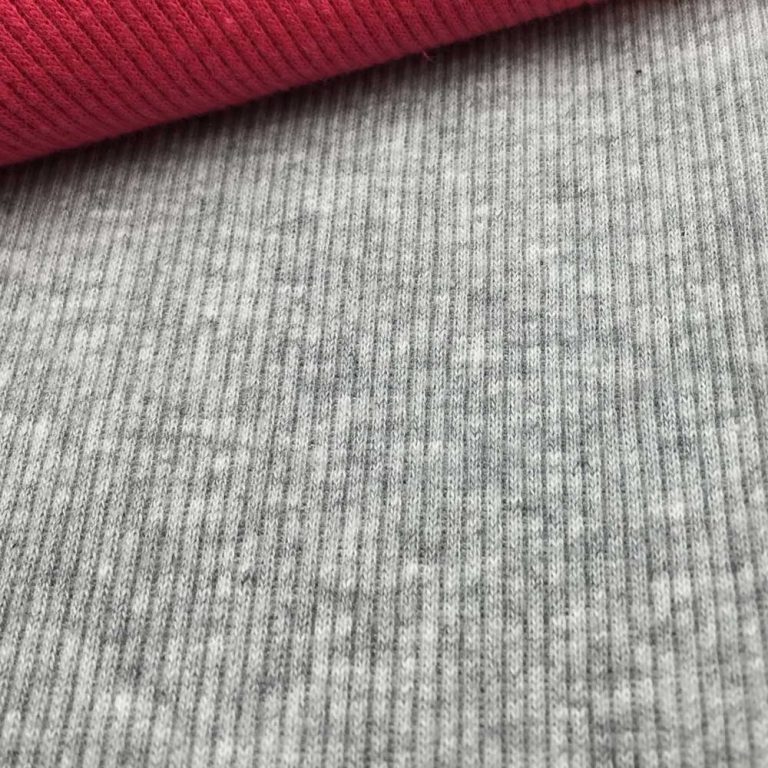
Item No.
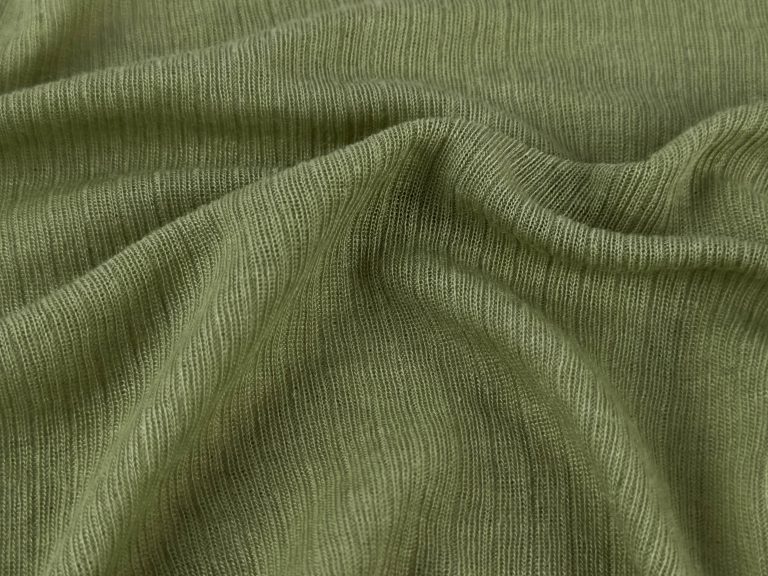
Item No.
Item No.
Item No.
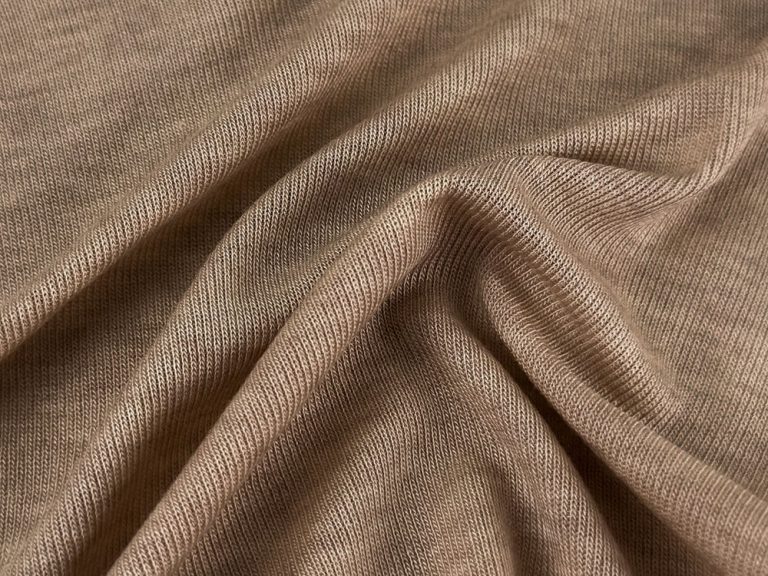
Item No.
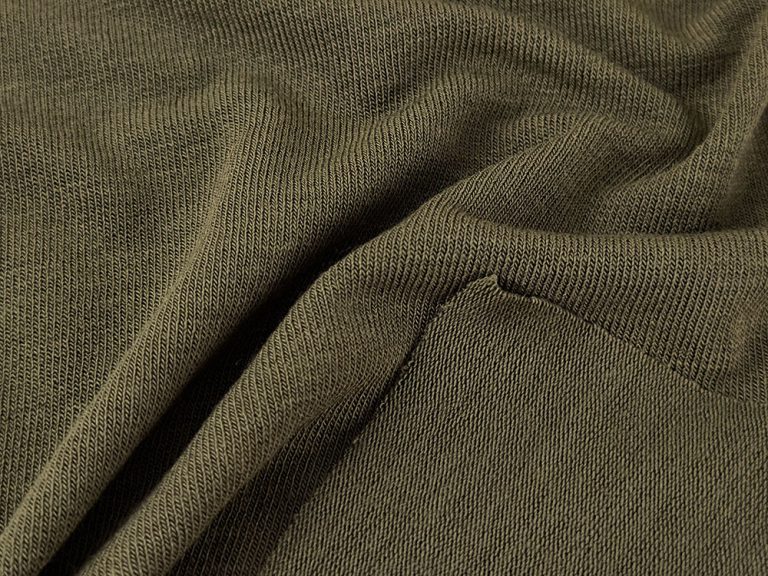
Item No.
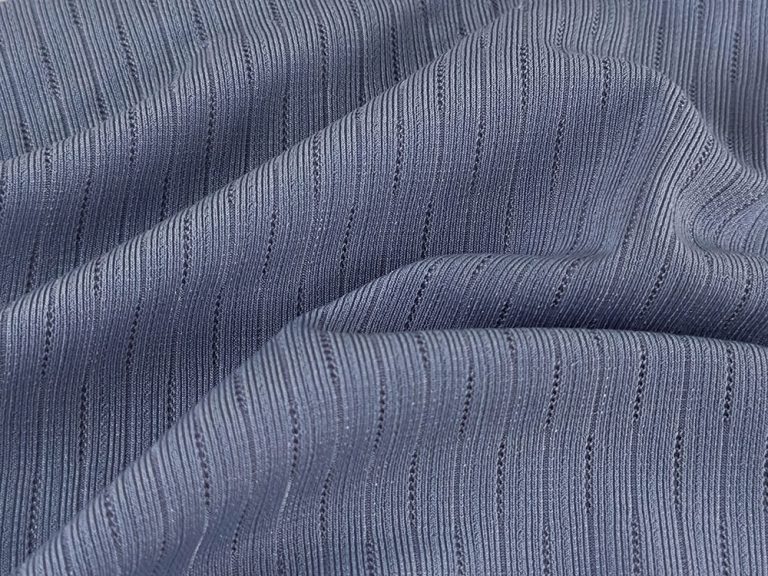
Item No.
| Item | Composition | Weight | Width | Details |
|---|---|---|---|---|
| KF966 | 75% cotton / 25% polyester | 260 GSM | 66/68″ (168/173 cm) | View specifications |
| KF967 | 75% cotton / 25% polyester | 310 GSM | 66/68″ (168/173 cm) | View specifications |
| KF949 | 95% cotton / 5% spandex | 210 GSM | 68/70″ (173/178 cm) | View specifications |
| KF759 | 95% polyester / 5% spandex | 210 GSM | 66/68″ (168/173 cm) | View specifications |
| KF745 | 95% cotton / 5% spandex | 260 GSM | 68/70″ (173/178 cm) | View specifications |
| KF761 | 75% cotton / 25% polyester | 260 GSM | 66/68″ (168/173 cm) | View specifications |
| KF736 | 95% cotton / 5% spandex | 250 GSM | 68/70″ (173/178 cm) | View specifications |
| KF627 | 35% cotton / 65% polyester | 270 GSM | 68/70″ (173/178 cm) | View specifications |
| KF630 | 35% cotton / 60% polyester / 5% spandex | 230 GSM | 53/55″ (135/140 cm) | View specifications |
| KF628 | 65% cotton / 35% polyester | 280 GSM | 68/70″ (173/178 cm) | View specifications |
| KF679 | 35% cotton / 60% polyester / 5% spandex | 270 GSM | 68/70″ (173/178 cm) | View specifications |
| KF629 | 95% polyester / 5% spandex | 240 GSM | 45/47″ (114/119 cm) | View specifications |
| LW2157 | 80% polyester / 20% cotton | 110 GSM | 59.1″ (150 cm) | View specifications |
| LW2146 | 15% viscose / 85% polyester | 120 GSM | 53.1″ (135 cm) | View specifications |
| LW2143 | 85% polyester / 15% spandex | 120 GSM | 63″ (160 cm) | View specifications |
| LW26007 | 100% polyester | 140 GSM | 63″ (160 cm) | View specifications |
| LW26009 | 5% linen / 95% polyester | 140 GSM | 63″ (160 cm) | View specifications |
| LW26036 | 76% Lyocell / 19% wool / 5% spandex | 150 GSM | 57.1″ (145 cm) | View specifications |
| LW26013 | 65% viscose / 27% acrylic / 8% spandex | 160 GSM | 55.1″ (140 cm) | View specifications |
| LW2235 | 98% polyester / 2% spandex | 160 GSM | 63″ (160 cm) | View specifications |
Our fabric library includes 757 rib knit options. Contact us for more compositions, weights and colours for your collection.
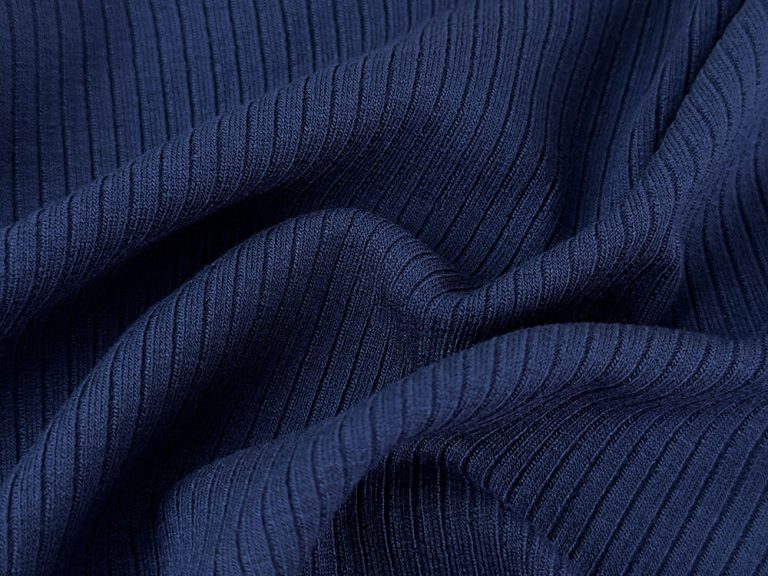
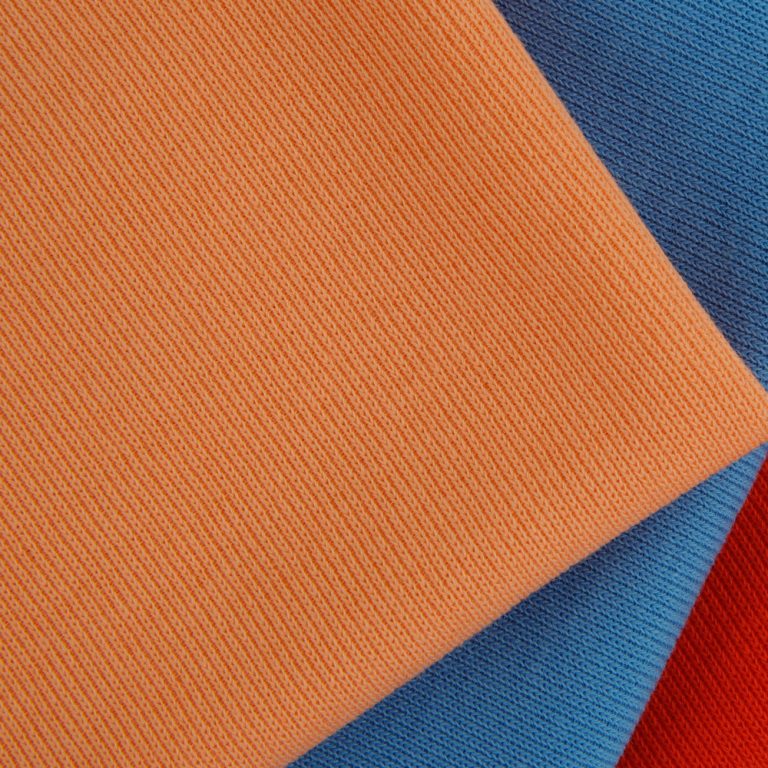
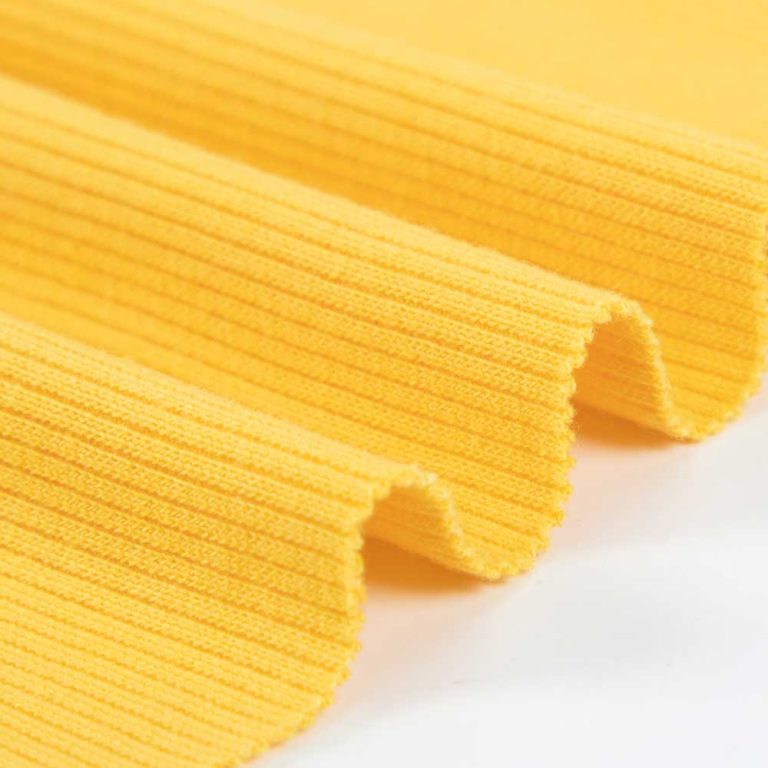
Rib knit fabric alternates knit and purl columns, so vertical ribs appear on both sides. This structure stretches far more across the width than jersey or interlock and recovers well, which is why rib is used both for close-fitting garments and for neckbands, cuffs and waistbands. Rib is named by its column pattern: 1x1 rib is fine and smooth, while 2x2 and wider ribs look bolder and open up more when stretched. In our library, rib is one of the largest collections, and most rib weighs 210–280 GSM. Cotton/spandex is the largest blend, followed by cotton/polyester, polyester/spandex and viscose blends. Rib lies flat at cut edges, but without spandex it can lose shape on loose silhouettes, and wide ribs show the reverse columns when stretched over the body.
Cotton/spandex rib covers most fitted tops and trims in our library; synthetic and viscose blends add drape and sheen for dresses and camisoles.
| Fabric type | Fabric examples | Apparel applications |
|---|---|---|
| Cotton/spandex rib | 220–320 GSM, such as KF957 (94% cotton / 6% spandex) at 260 GSM and KF868 at 180 GSM | Fitted tops, T-shirts, dresses and collar and cuff trims |
| Polyester/spandex and viscose/spandex rib | 200–300 GSM | Bodycon dresses, camisoles, skirts and base layers |
| Cotton/polyester and cotton/polyester/spandex rib | 240–345 GSM, such as KF912 (65% cotton / 30% polyester / 5% spandex) at 340 GSM | Wide-leg trousers, sweatshirts and heavier trims |
| Nylon/spandex and specialty-fibre rib | 155–220 GSM, such as KF3243 (81% nylon / 19% spandex) at 155 GSM | Activewear, shapewear-style tops and fine layering |
Choose 180–230 GSM for camisoles and light layering tops, 210–260 GSM for fitted tops and T-shirts, 210–280 GSM for dresses and skirts, and 250 GSM and above for trousers and collar, cuff and waistband trims. Most rib in our library weighs 200–299 GSM.
Below 200 GSM
23 qualities
200–299 GSM
63 qualities
300 GSM and above
16 qualities
Rib, interlock and single jersey are the three base knits for tops. Rib gives the most stretch; interlock the most stability; jersey the lightest drape.
| Feature | Rib Knit | Interlock Knit | Single Jersey |
|---|---|---|---|
| Surface | Vertical ribs on both sides | Smooth on both sides | Smooth face, looped reverse |
| Stretch across the width | High, with good recovery | Moderate | Moderate |
| Cut edges | Lie flat | Lie flat | Tend to curl |
| Typical weights in our library | 210–280 GSM | 180–300 GSM | 165–230 GSM |
| Typical garments | Fitted tops, dresses and trims | Premium tees, dresses and base layers | T-shirts, tops and loungewear |
Xiwen Zhang, our co-founder and CEO, recommends these rib weights and blends for the close-fitting garments and trims our customers develop most often, drawing on our knit fabric experience since 2009.
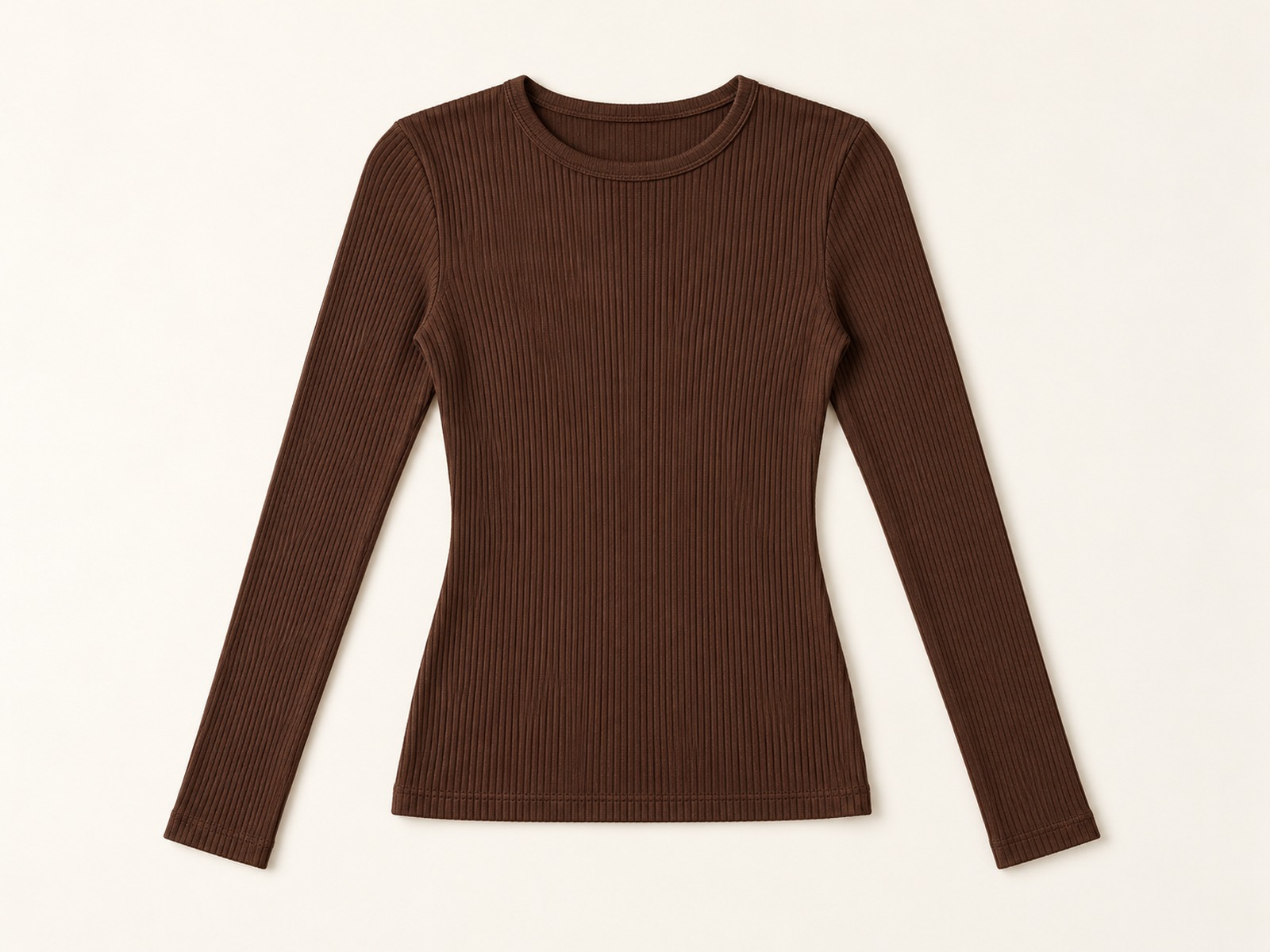
CLOSE FIT, ALL DAY
Choose 210–260 GSM rib in cotton/spandex or polyester/spandex/viscose for fitted long-sleeve and base-layer tops. Base layers are the largest use for rib in our library. The rib stretch follows the body, and the spandex helps the top keep its fit through the day.
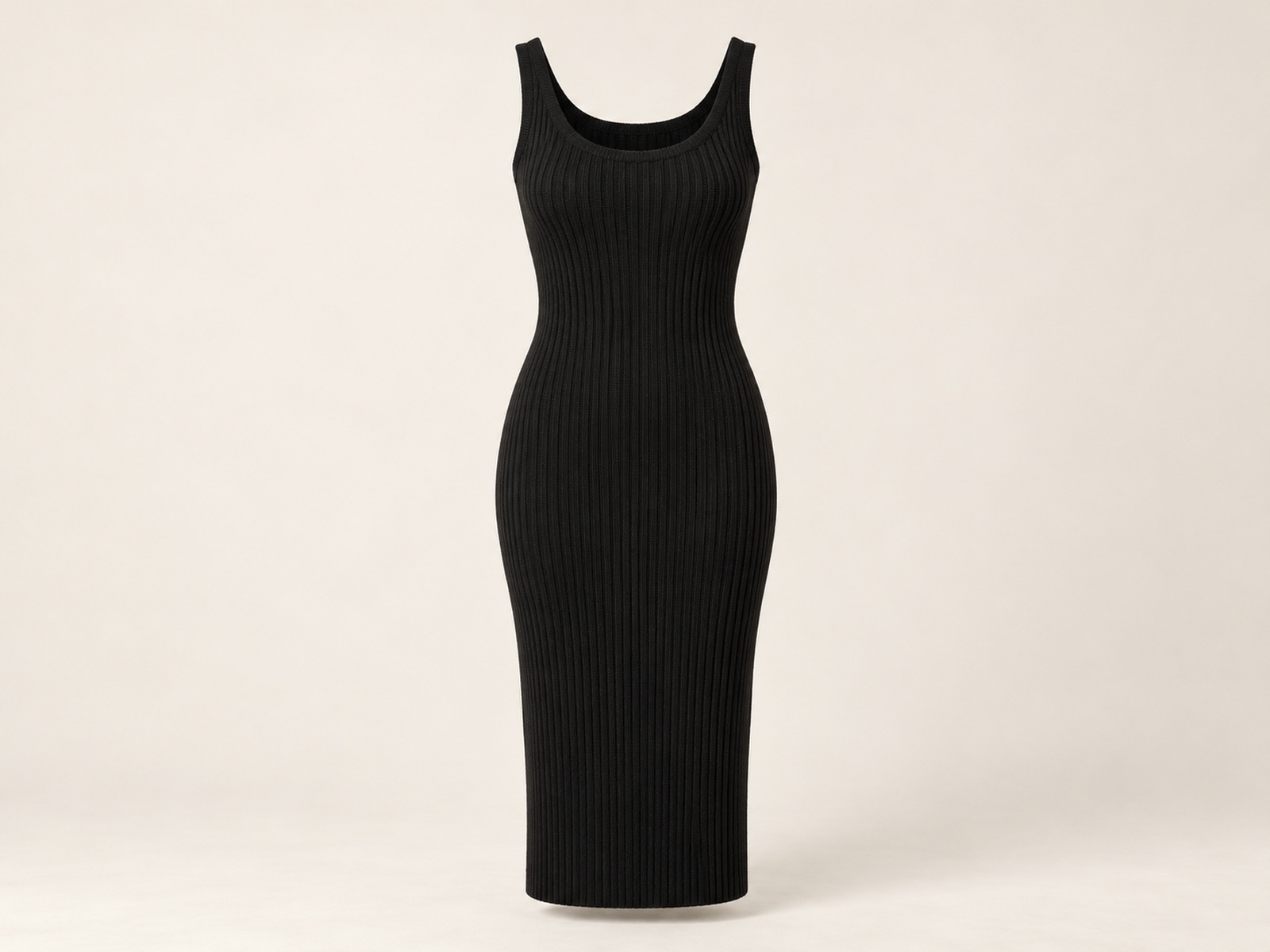
SHAPE THAT FOLLOWS THE BODY
210–280 GSM rib in cotton/spandex or polyester/spandex works well for bodycon and midi dresses. The heavier end of this range keeps a long, close-fitting dress opaque and stops it from clinging at the hips.
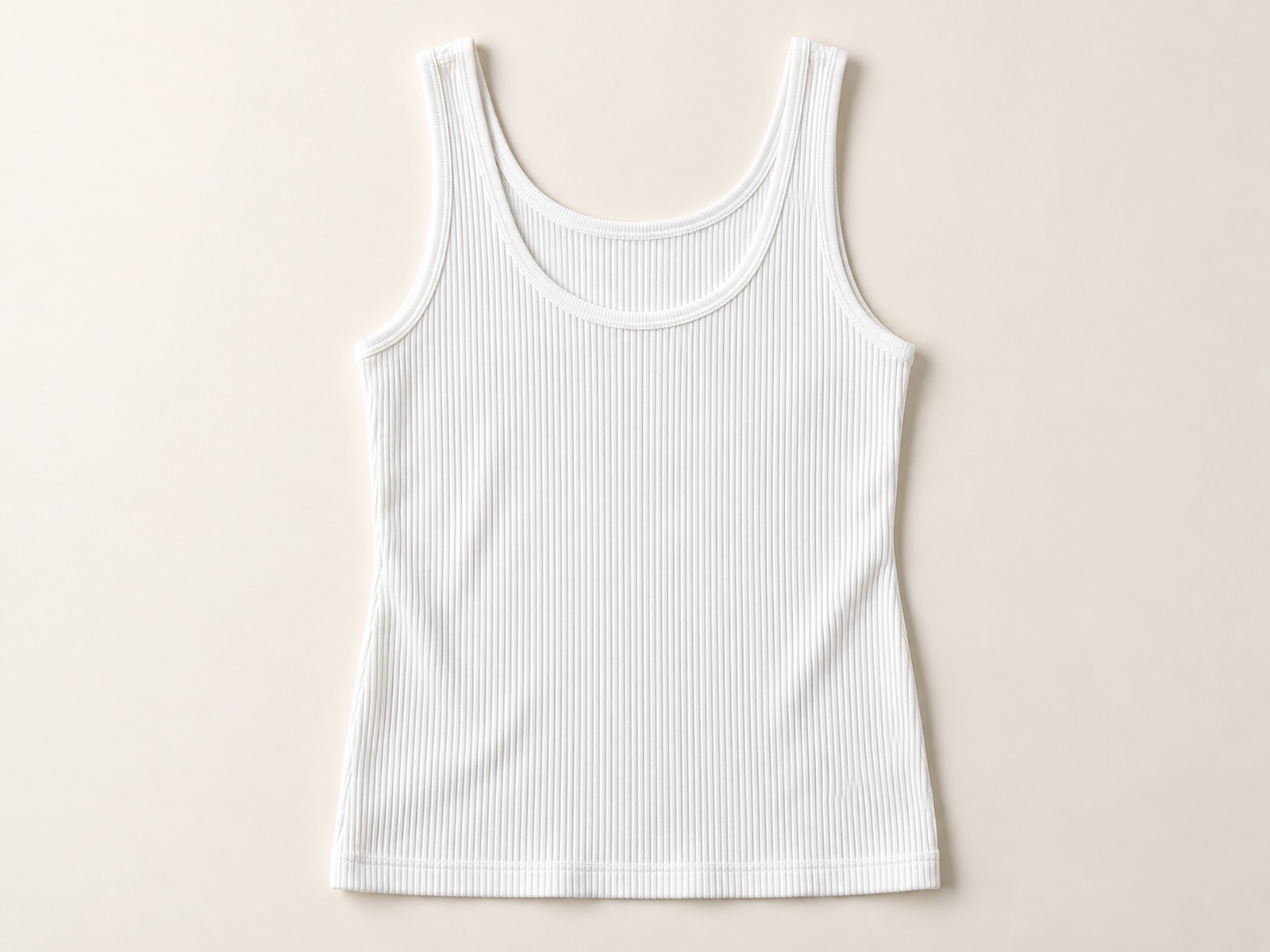
THE EVERYDAY LAYER
For camisoles and tank tops, start with 200–260 GSM cotton/spandex or viscose/spandex rib. Viscose/spandex gives a smoother, cooler hand for layering, while cotton/spandex suits everyday tanks.
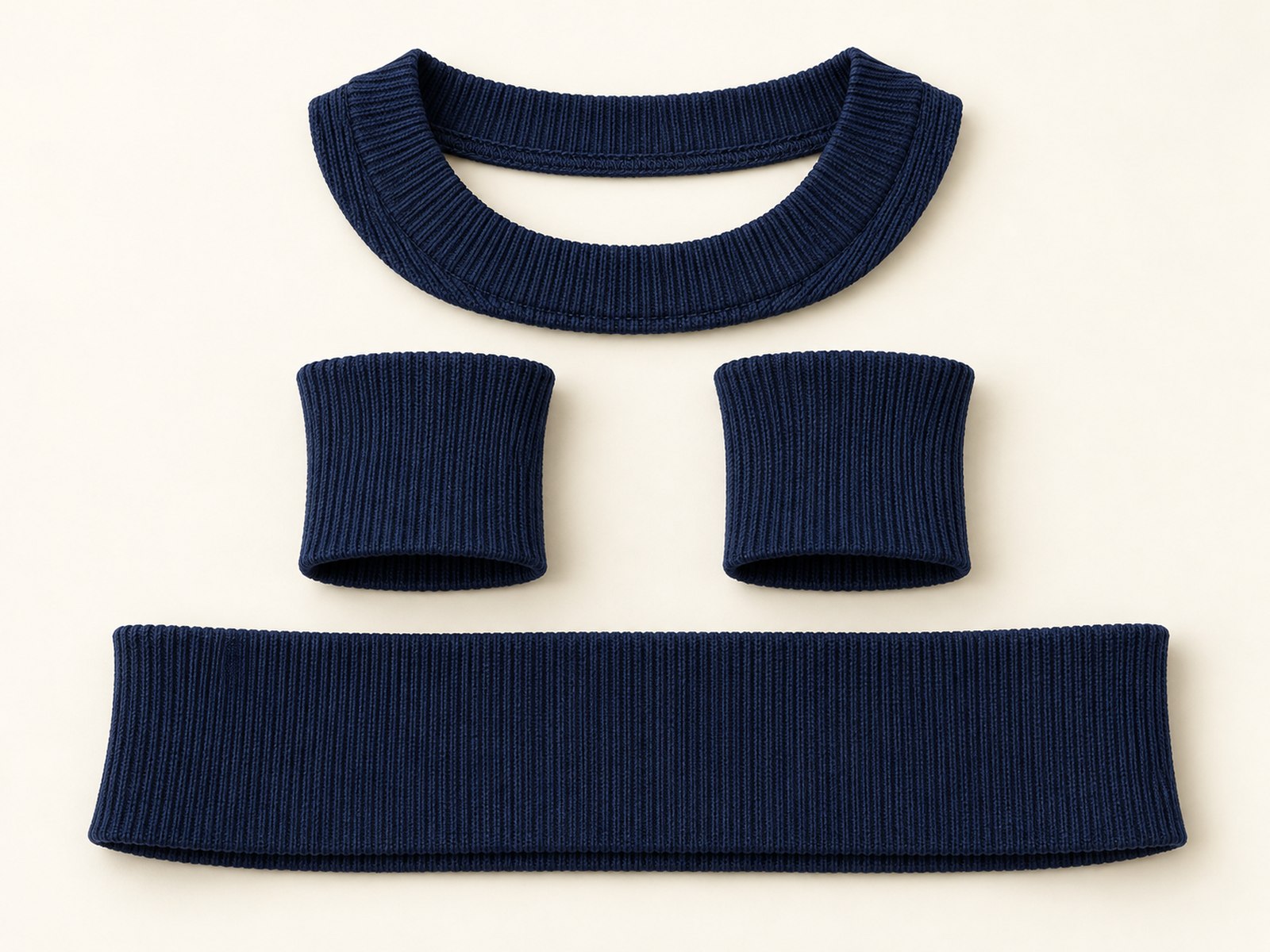
FINISH THE GARMENT RIGHT
For collars, cuffs and waistbands, choose 225–345 GSM cotton/spandex or cotton/polyester rib, matched in colour to the body fabric. Trims are one of the main uses for rib in our library; choose a heavier rib for sweatshirts and a lighter one for T-shirt necklines.
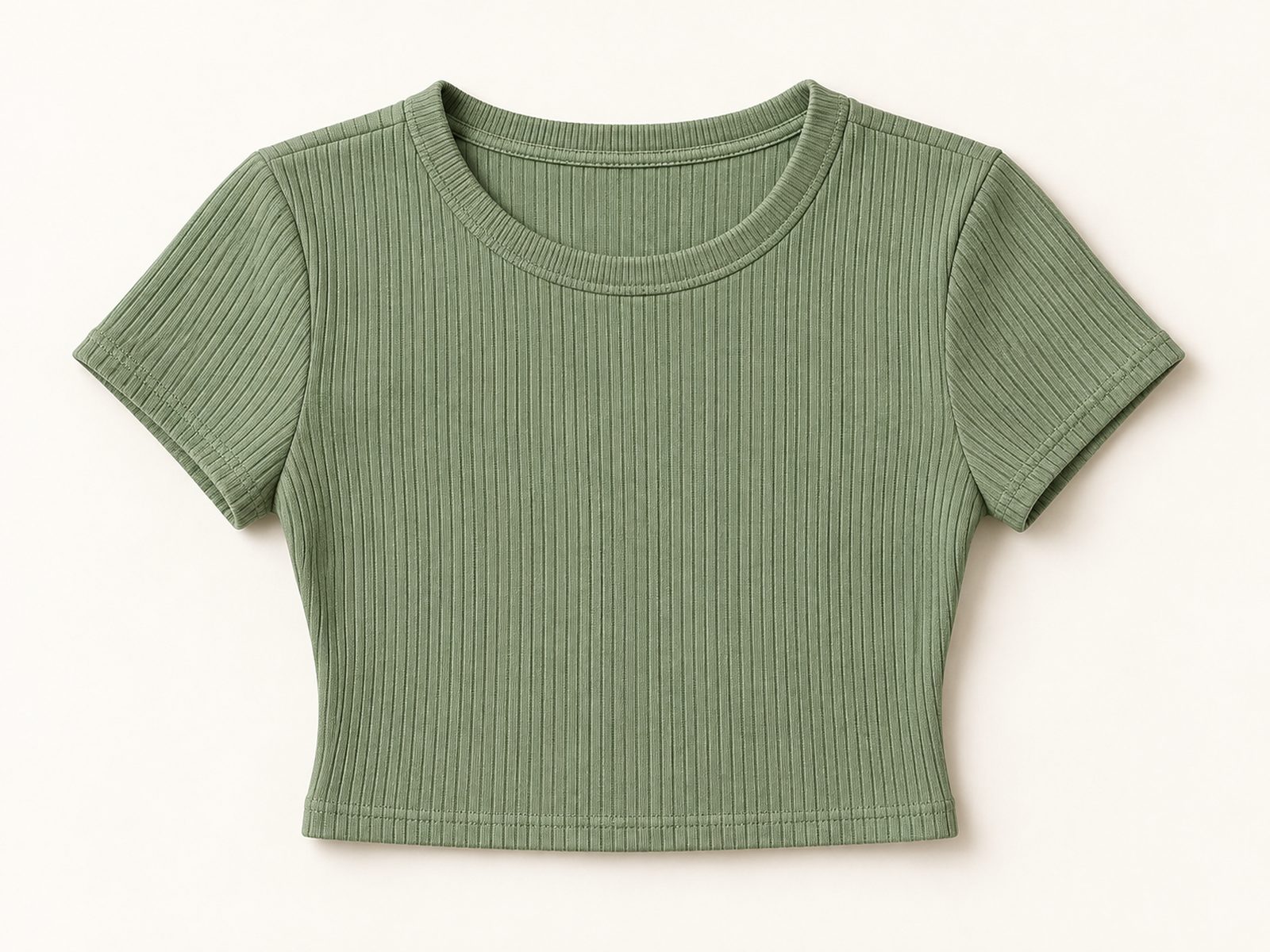
A SOFTER FITTED TEE
185–260 GSM cotton/spandex rib works well for fitted and cropped T-shirts. Cotton/spandex is the most common blend for rib tees in our library. A fine 1x1 rib keeps the look clean, while a 2x2 rib adds texture.
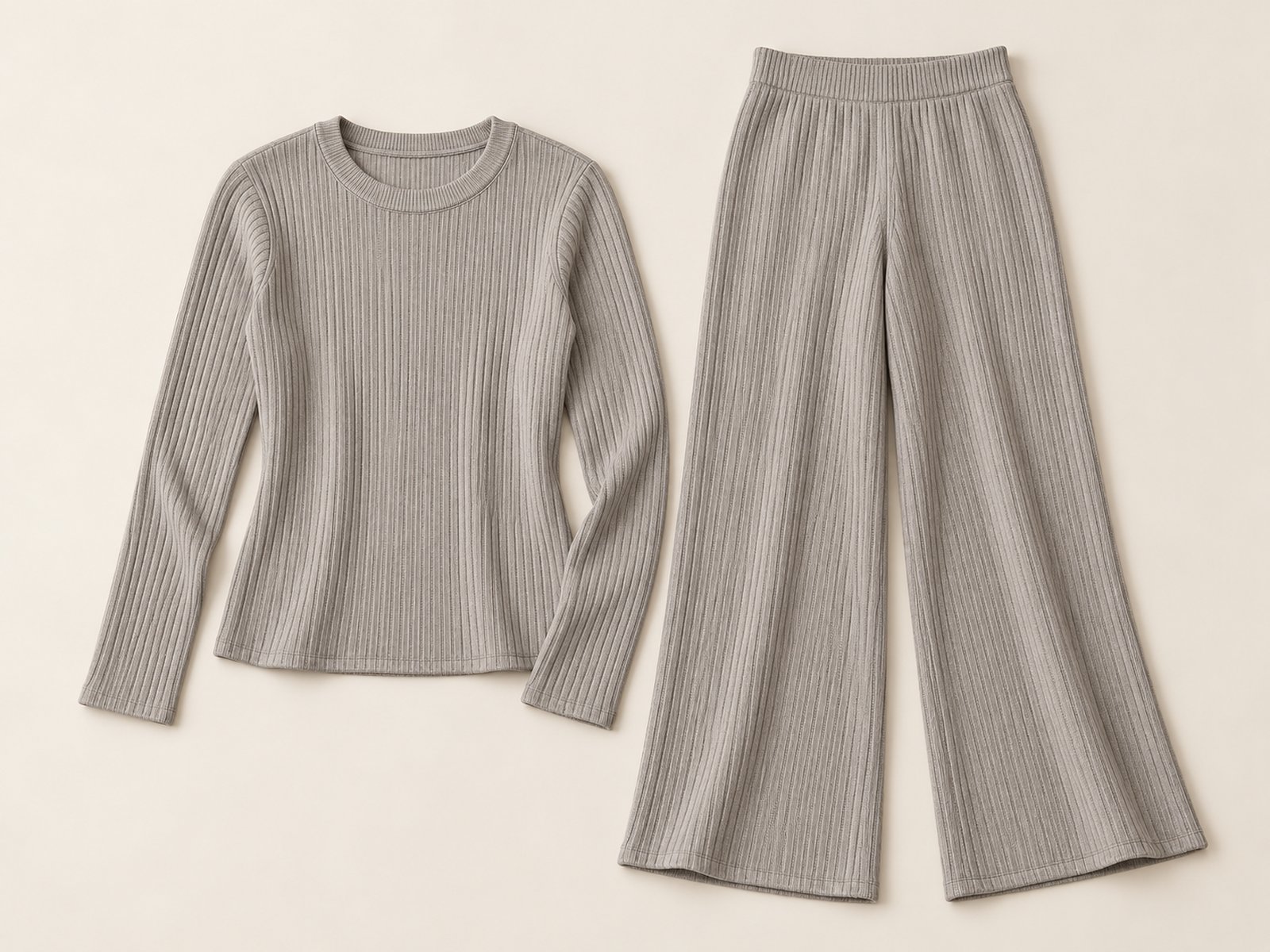
COMFORT AT HOME
For lounge sets and sleepwear, start with 190–250 GSM rib in polyester/spandex/viscose or cotton/spandex. The rib stretch makes tops and wide trousers comfortable without extra ease, and a viscose blend adds a soft drape.
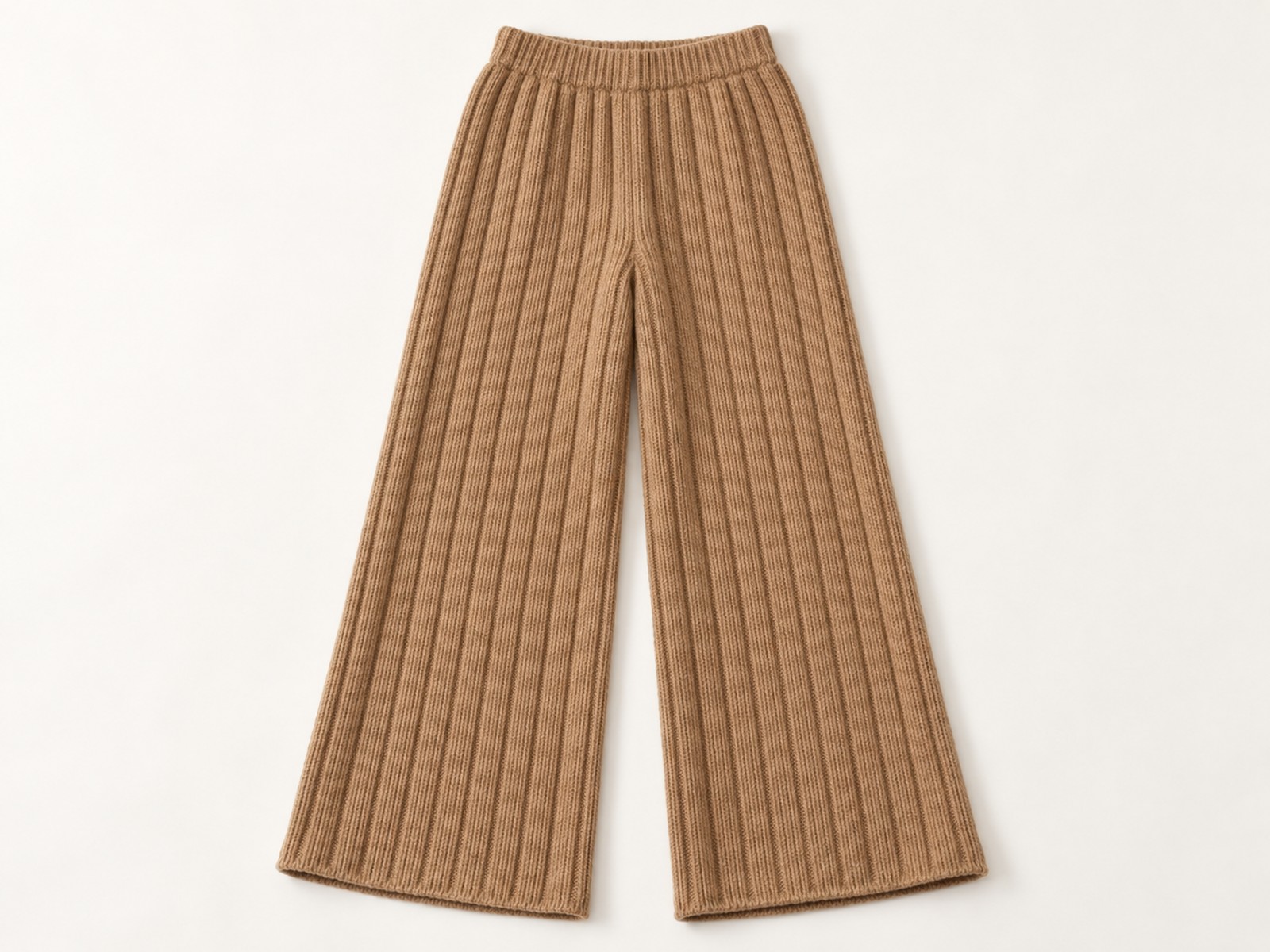
WIDE RIB, RELAXED LEG
Choose 250–320 GSM cotton/polyester or polyester/cotton/spandex rib for wide-leg and flared knit trousers. The vertical ribs lengthen the leg visually, and the heavier weight helps the trousers hang straight.

Choose 1x1 rib for fine, smooth fitted tops and T-shirt necklines. Choose 2x2 or wider rib when you want a more visible texture and a bit more stretch, for example on cuffs, waistbands or statement tops.
Use cotton/spandex or cotton/polyester rib, usually 225–345 GSM in our library, matched in colour to the body fabric. A lighter rib suits T-shirt necklines; a heavier rib suits sweatshirt cuffs and waistbands.
Not always. Tubular rib is knitted as a tube, and its width is often given as the flat tube measurement, which opens to about twice that width. Check whether a quality is tubular or open-width before calculating fabric usage.
Stretch and recovery come first, because neckbands, cuffs and fitted tops must return to size; state the direction and extension in the specification. Then shrinkage, set separately for length and width, and wet rubbing for dark cotton/spandex rib. Test trims from the same lot as the body fabric so that colour and shrinkage match.
Stock fabric orders start at 1 roll (~23 kg) per colour. Custom-colour orders start at 200 kg per colour.
Compare complementary fibres and knit constructions for your next apparel collection.
Read practical guides to fibre blends, garment selection and knit construction.