Knit Fabric Manufacturer Since 2009 · China
Knit Fabric Manufacturer Since 2009 · China

SINGLE JERSEY · FABRIC SOURCING
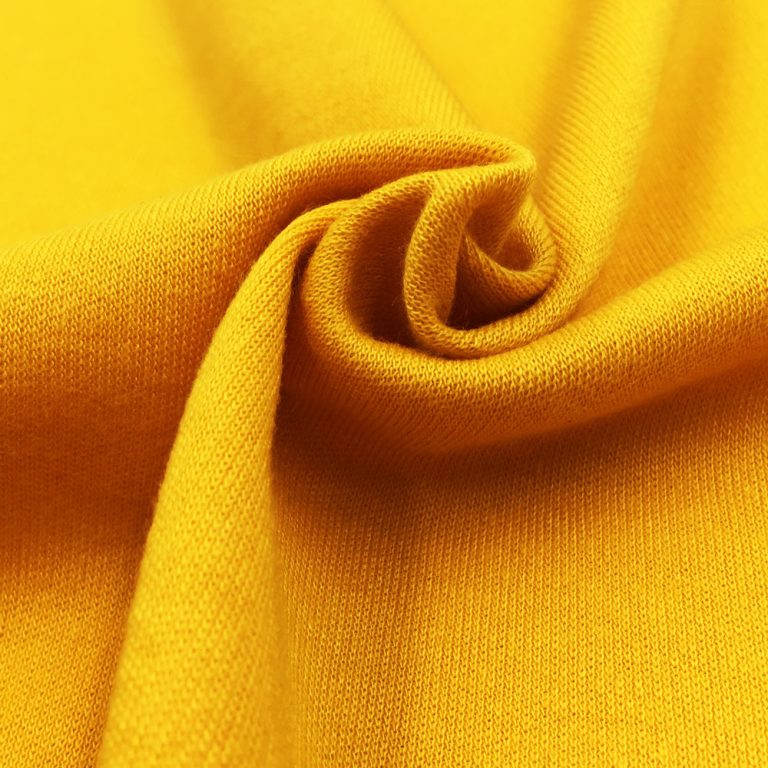
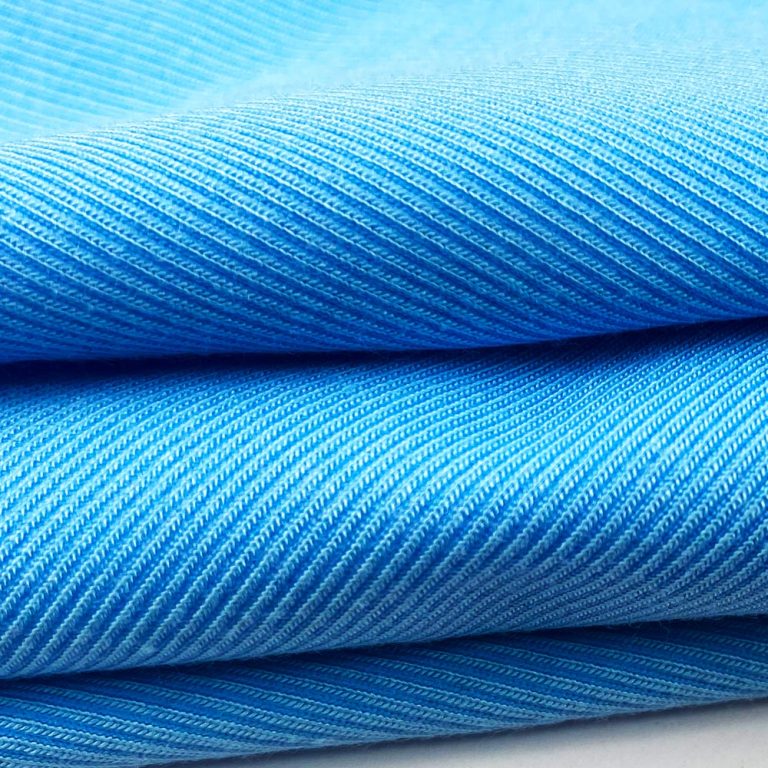
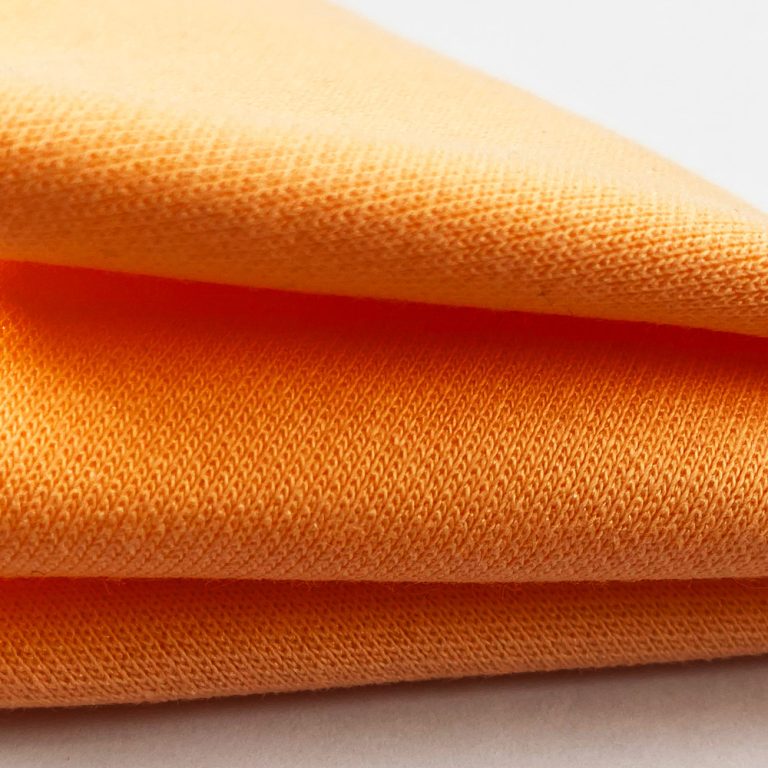
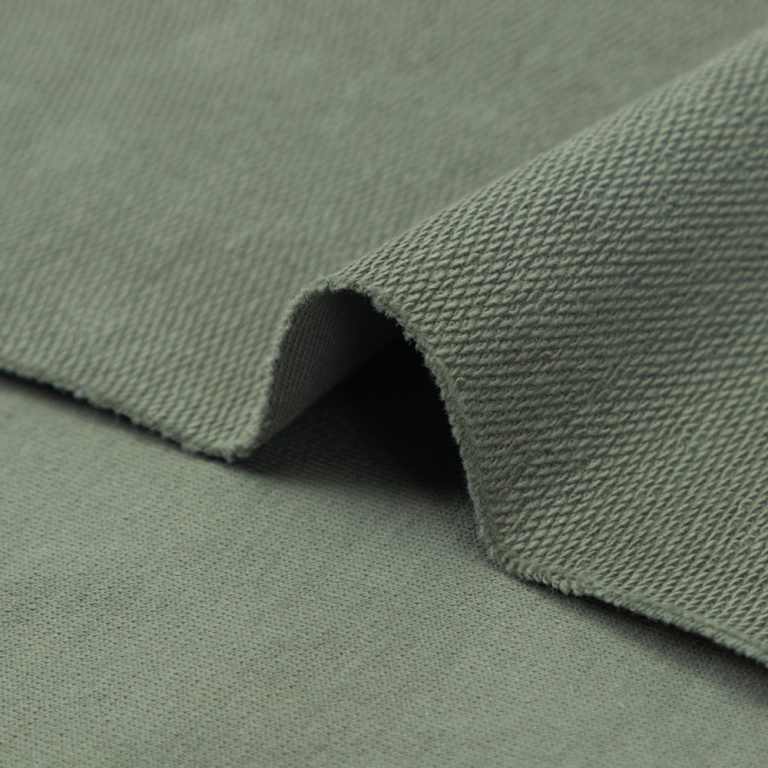
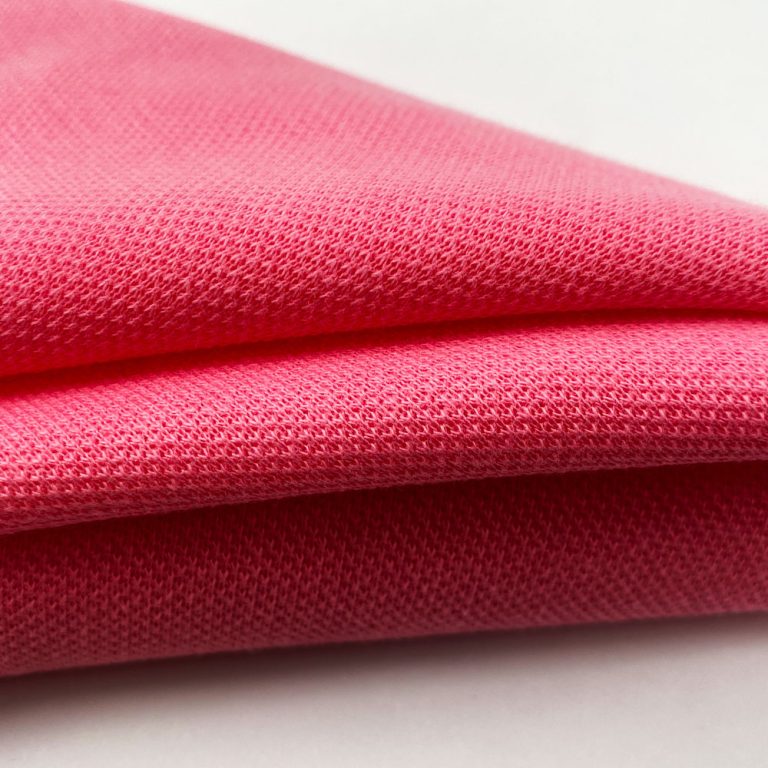
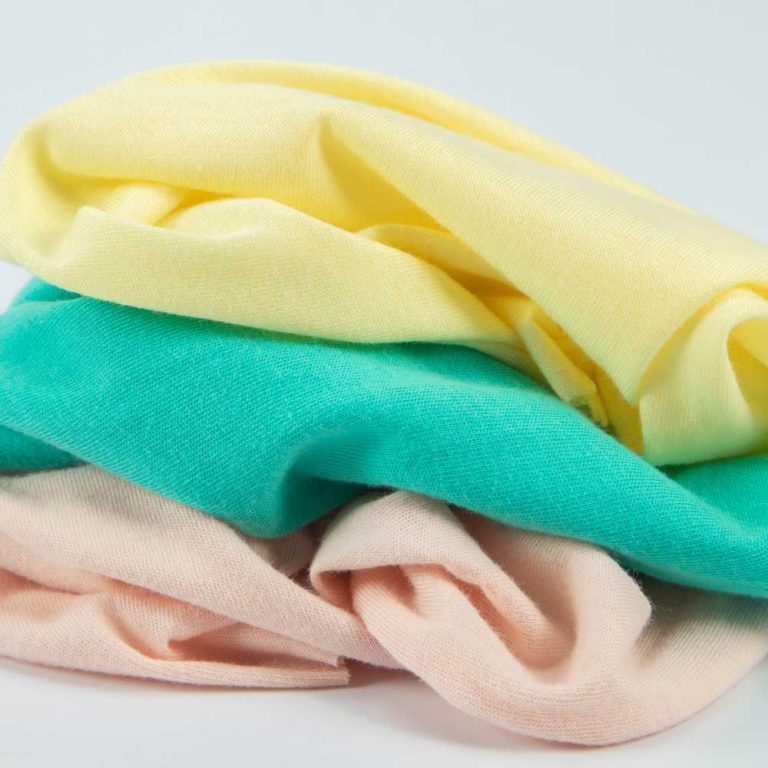
Runtang Textile manufactures single jersey (jersey knit) fabrics for T-shirts, streetwear, tops and loungewear. Choose from pure cotton, cotton-spandex, viscose-spandex, modal and other blends. Stock orders start at 1 roll (~23 kg) per colour; custom colours start at 200 kg per colour.
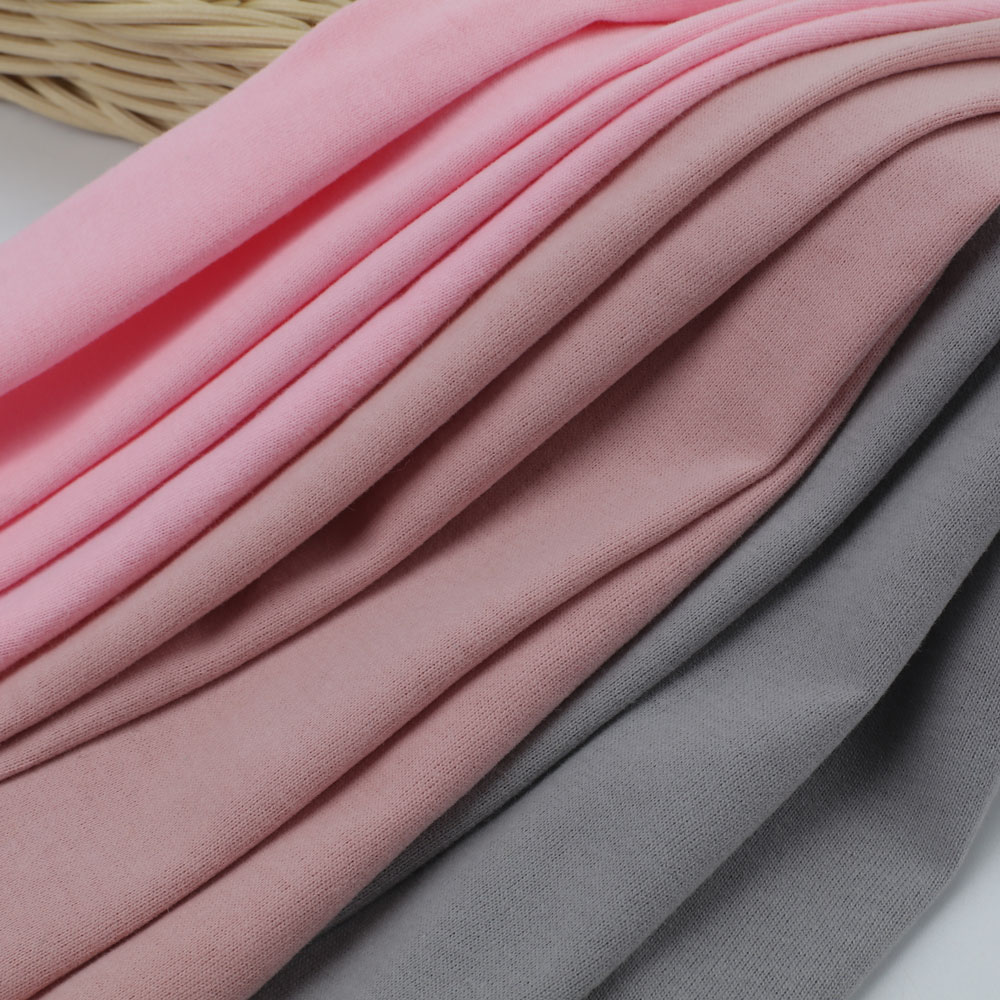
Single jersey fabrics for apparel brands, garment manufacturers and fabric sourcing teams.
Explore our online single jersey range, backed by a library of 1,294 options.
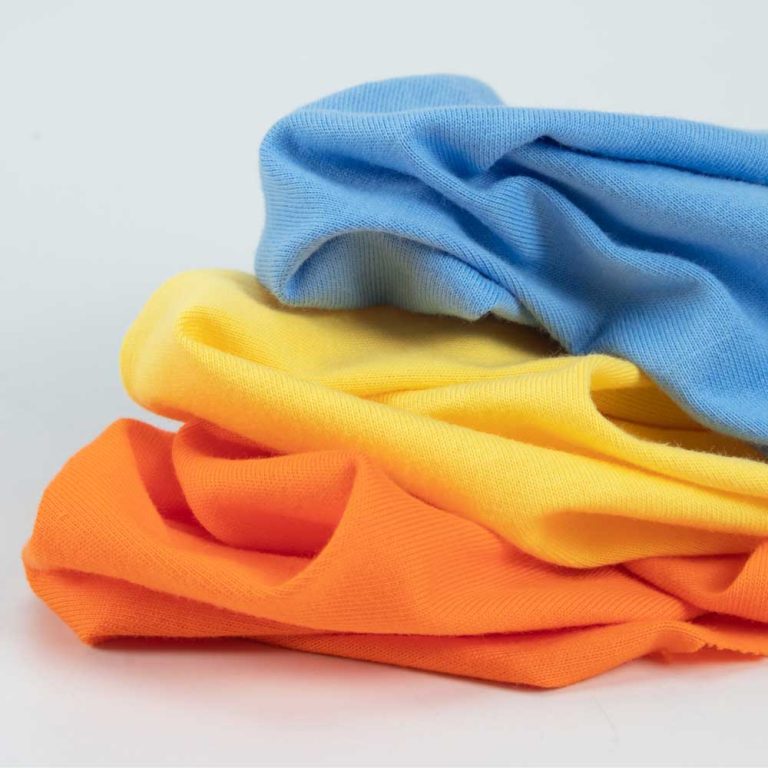
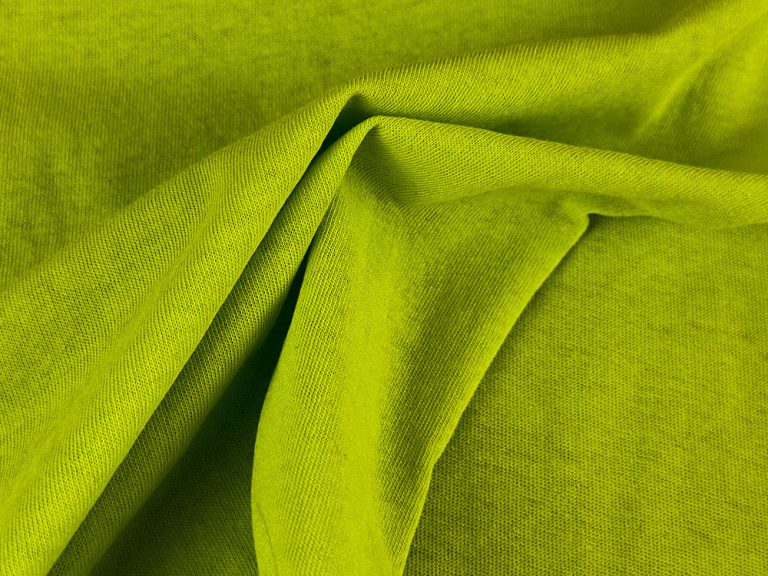
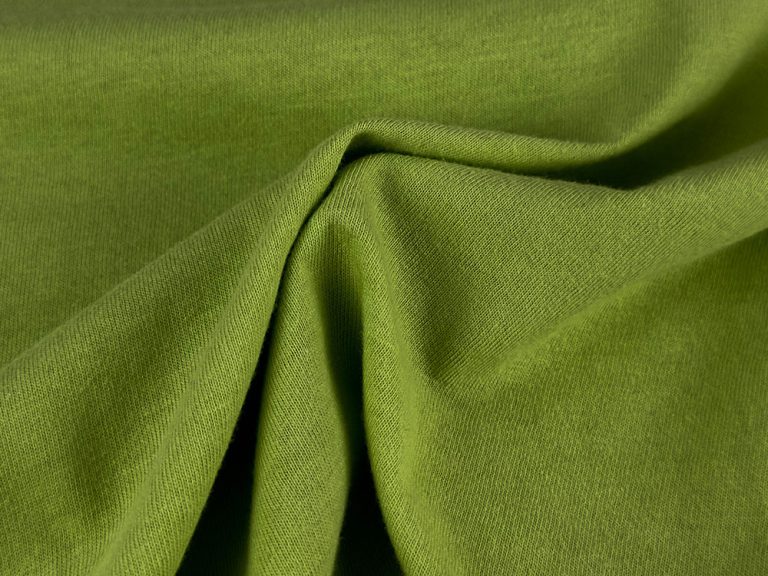
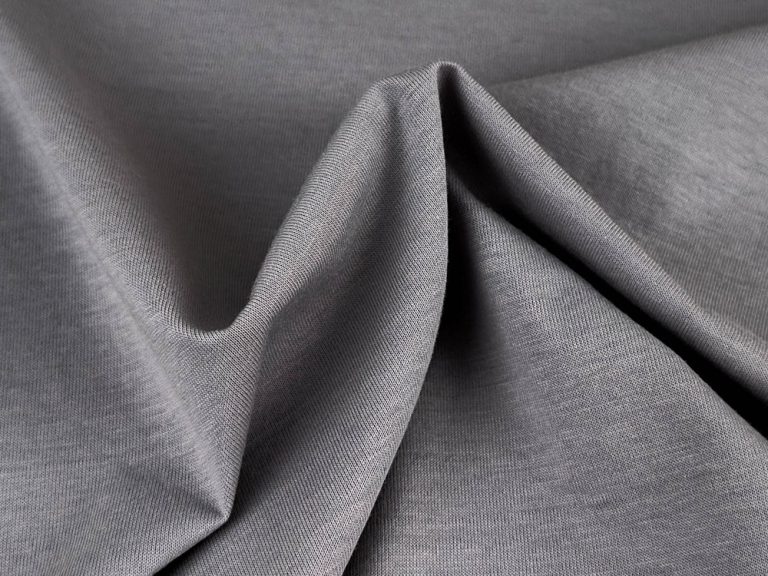
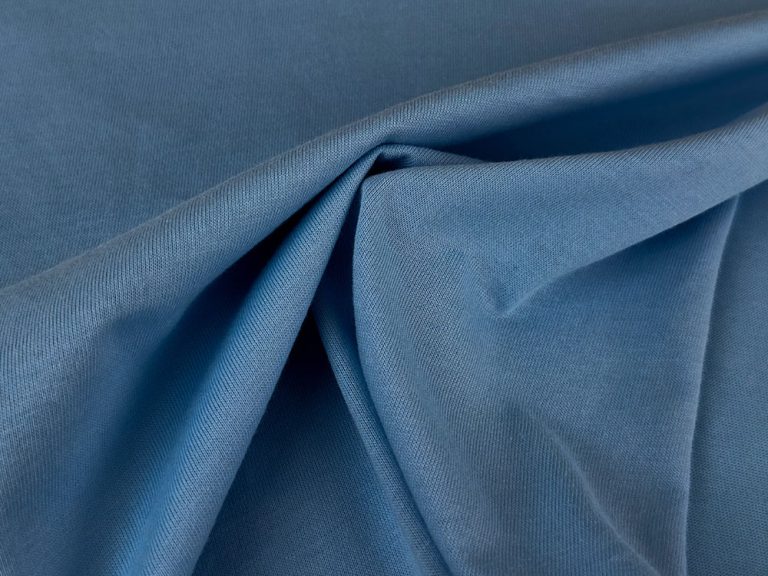
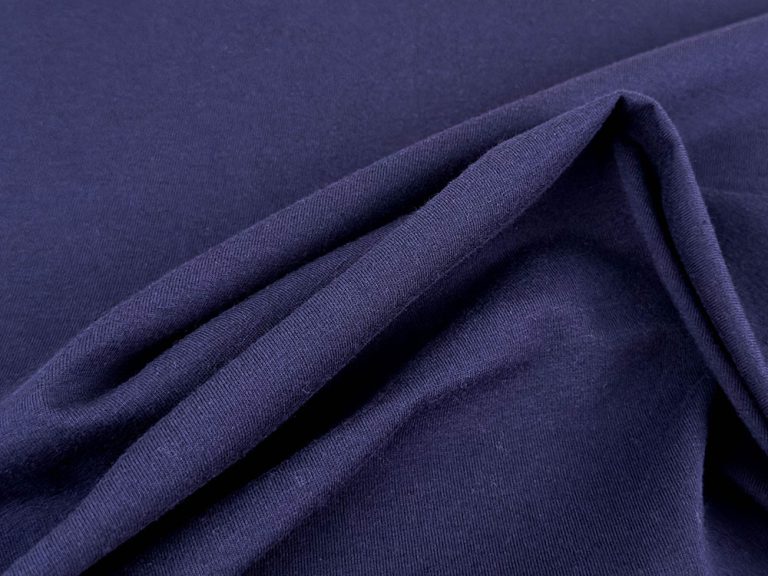
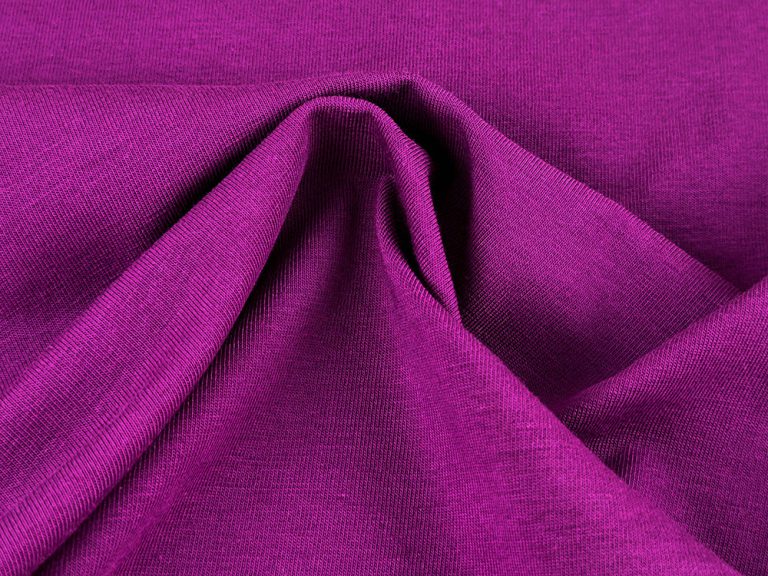
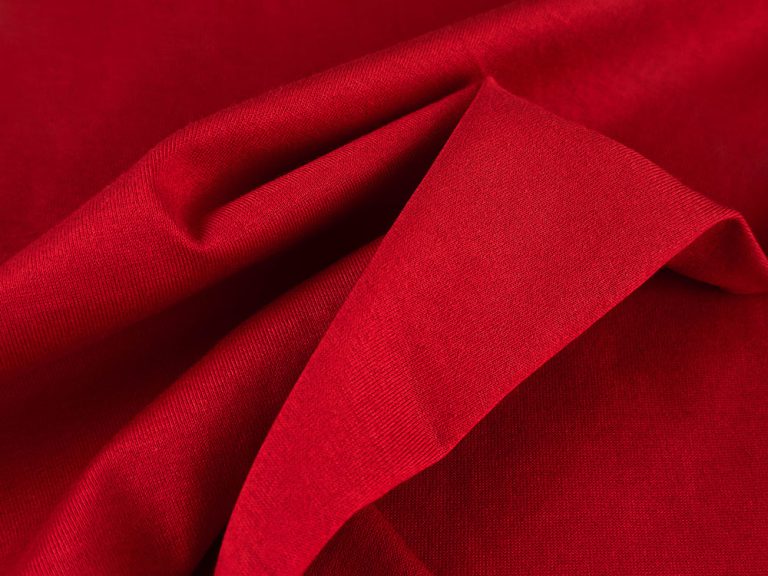
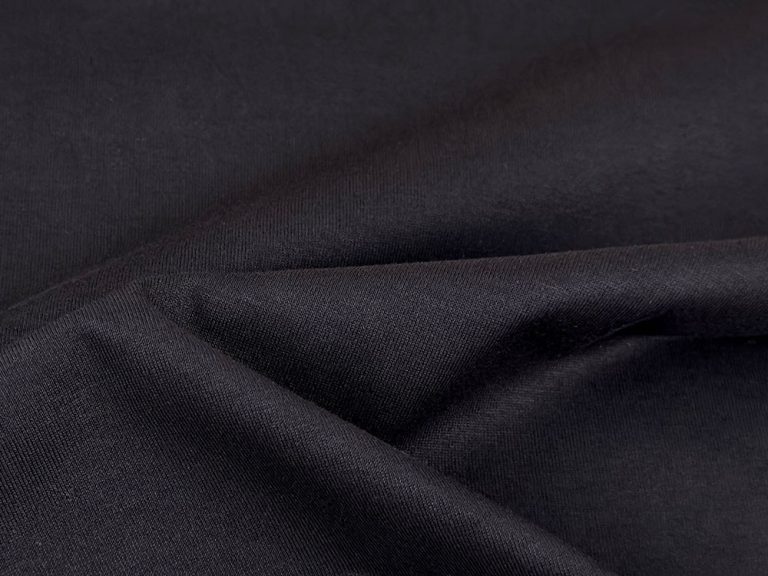
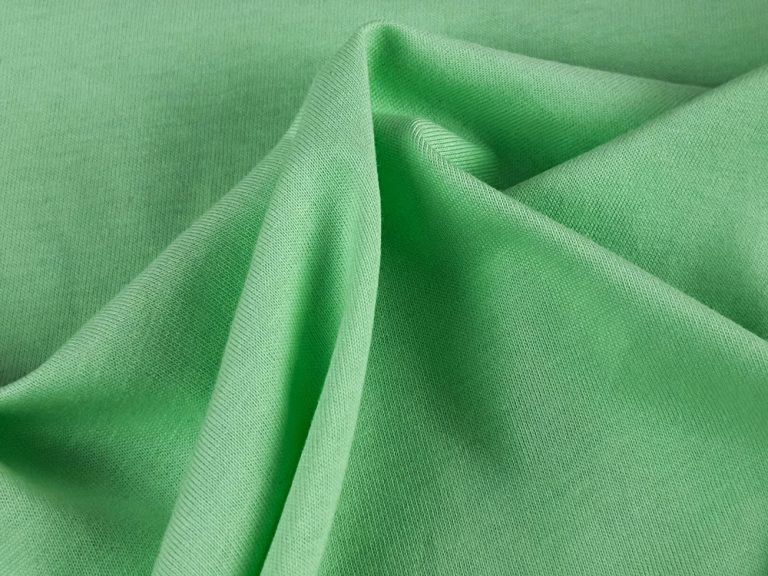
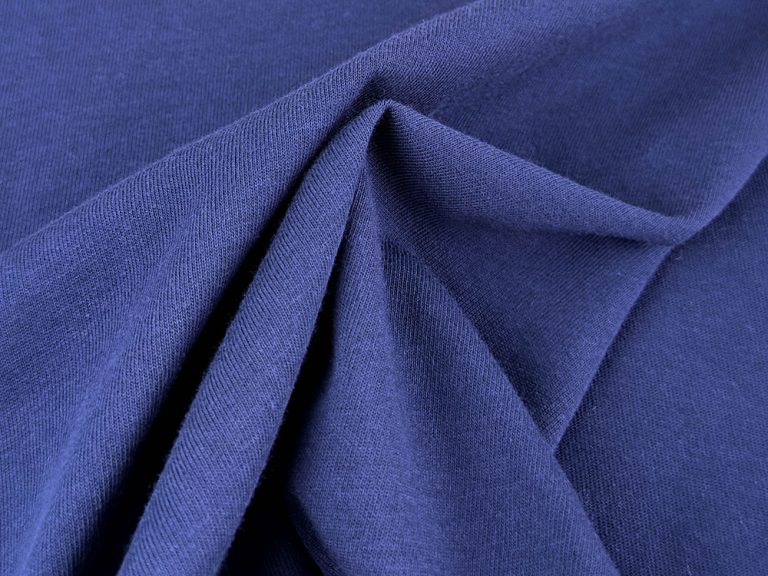
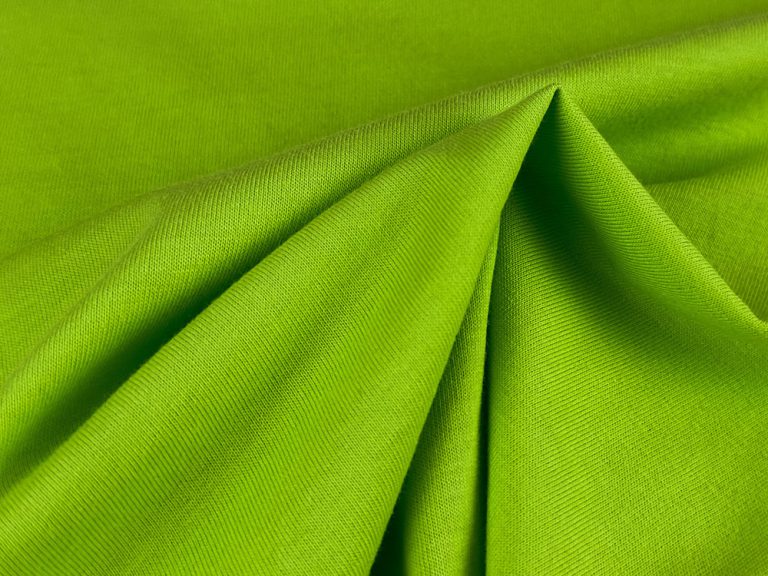
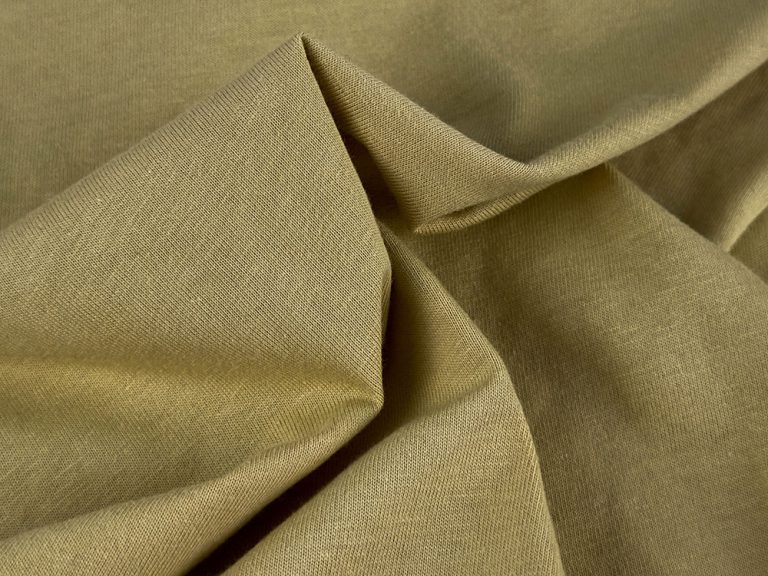
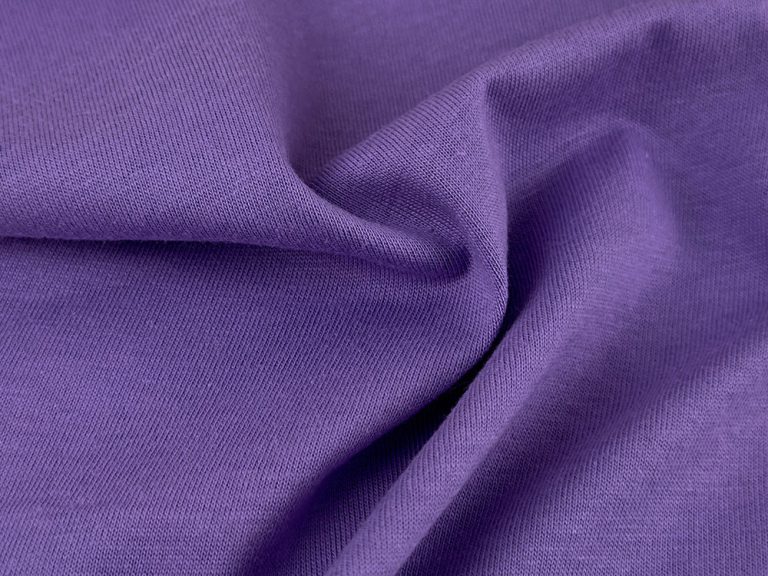
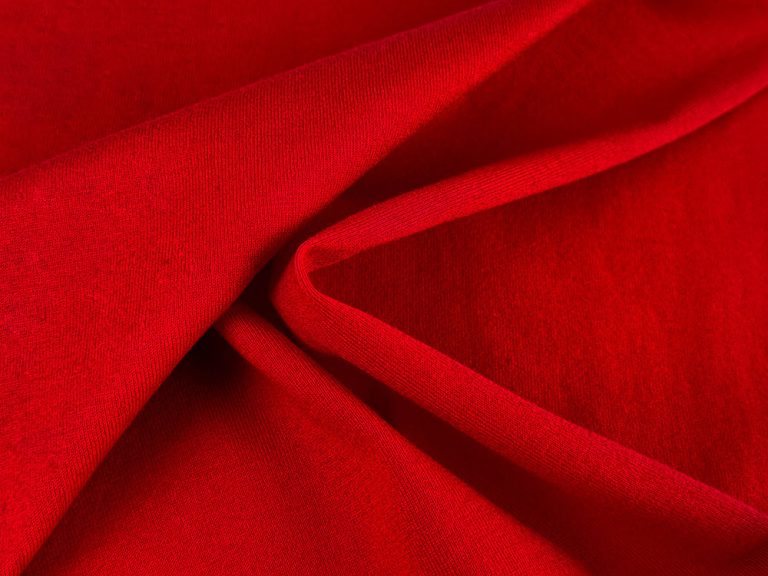
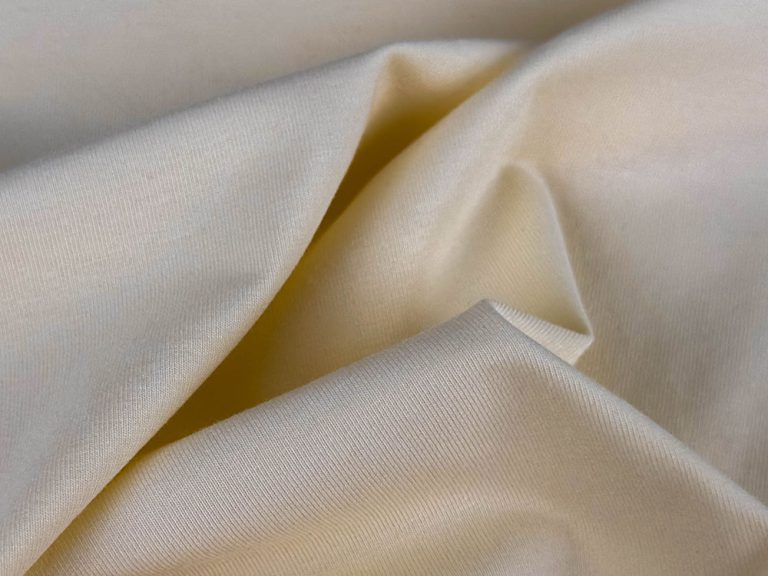
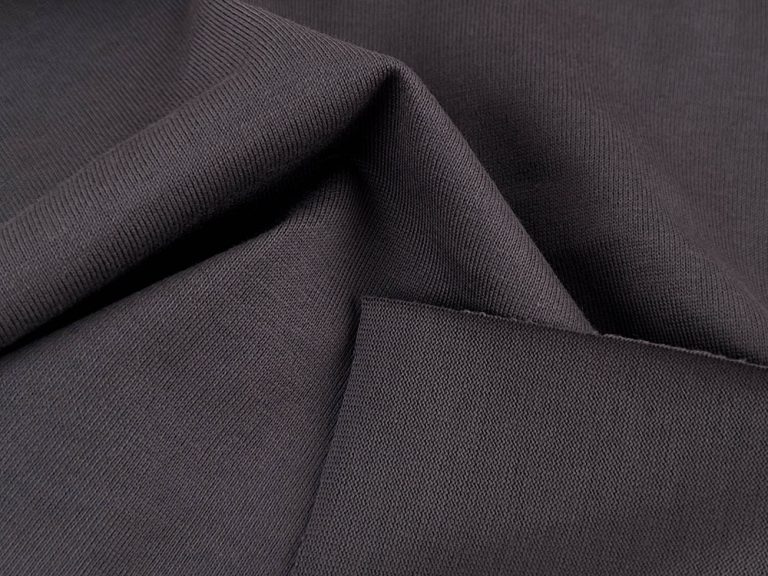
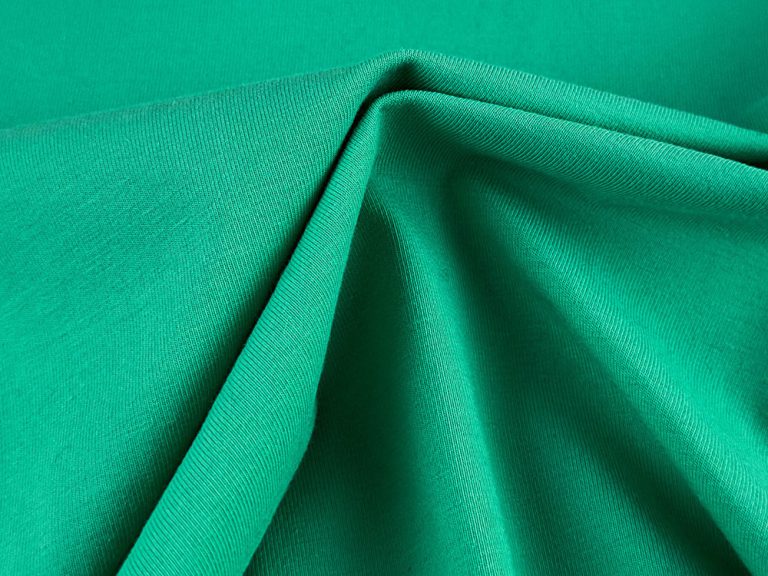
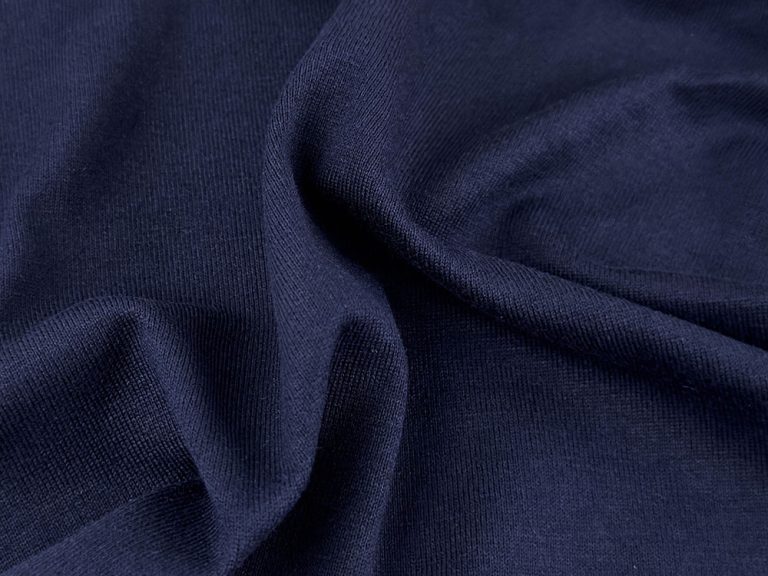
| Item | Composition | Weight | Width | Details |
|---|---|---|---|---|
| KF689 | 100% cotton | 100 GSM | 73/75″ (185/191 cm) | View specifications |
| KF648 | 100% cotton | On request | 73/75″ (185/191 cm) | View specifications |
| 660# | 100% cotton | 130 GSM | 66.9″ (170 cm) | View specifications |
| KF688 | 100% cotton | 130 GSM | 74.8″ (190 cm) | View specifications |
| 1023 | 100% cotton | 140 GSM | 66.9″ (170 cm) | View specifications |
| KF2034 | 100% cotton | 150 GSM | 72.8″ (185 cm) | View specifications |
| KF632 | 95% cotton / 5% spandex | 150 GSM | 68.1″ (173 cm) | View specifications |
| KF631 | 95% cotton / 5% spandex | 155 GSM | 68.9″ (175 cm) | View specifications |
| R1650 | 100% cotton | 160 GSM | 68.9″ (175 cm) | View specifications |
| DS42011 | 100% cotton | 160 GSM | 68.9″ (175 cm) | View specifications |
| KF1325 | 100% cotton | 160 GSM | 74.8″ (190 cm) | View specifications |
| KF920 | 100% cotton | 160 GSM | 72.8″ (185 cm) | View specifications |
| KF670 | 100% cotton | 160 GSM | 74.8″ (190 cm) | View specifications |
| KF671 | 100% cotton | 160 GSM | 74.8″ (190 cm) | View specifications |
| DS42033 | 100% cotton | 165 GSM | 72.8″ (185 cm) | View specifications |
| KF1125 | 100% cotton | 170 GSM | 68.9″ (175 cm) | View specifications |
| KF1364 | 95% cotton / 5% spandex | 170 GSM | 68.9″ (175 cm) | View specifications |
| RH44002 | 100% cotton | 175 GSM | 66.9″ (170 cm) | View specifications |
| KF649 | 95% cotton / 5% spandex | 175 GSM | 68.1″ (173 cm) | View specifications |
| DG-0135X | 100% cotton | 180 GSM | 66.9″ (170 cm) | View specifications |
Our fabric library includes 1,294 single jersey options. Contact us for more compositions, weights and colours for your collection.
Single jersey is a weft-knit fabric made on one set of needles, with V-shaped stitch columns on the face and looped stitches on the reverse. Its loop structure generally gives more stretch across the width than along the length, while cut edges tend to curl. Cotton T-shirt jerseys commonly use yarns such as 30s or 40s, with combed and compact-spun options. Around 140–220 GSM is a practical starting range for T-shirts, with lighter choices for summer and heavier constructions for a fuller silhouette. Single jersey offers flexible movement, a smooth face and versatile drape for T-shirts, tops and loungewear. Its limitations include edge curl and less structural stability than interlock; recovery, opacity and shrinkage depend on fibre blend, knit density and finishing.
From cotton T-shirts to stretch tops and loungewear, our single jersey range brings together different fibre blends and fabric weights.
| Fabric type | Fabric examples | Apparel applications |
|---|---|---|
| 100% cotton | 140–300 GSM, including lighter, everyday and heavyweight options | T-shirts, heavyweight tees and streetwear |
| Cotton-spandex | 95% cotton / 5% spandex, including 175 GSM and 180 cm options | Fitted T-shirts, skirts and loungewear |
| Viscose and modal blends | Modal-spandex at 175 GSM; viscose-spandex at 260 GSM | Tops, camisoles and loungewear |
Choose 140 GSM cotton for lighter T-shirts, 175 GSM cotton-spandex for tops and loungewear, 220–260 GSM cotton or viscose blends for heavier apparel, and 300 GSM cotton for heavyweight tees. Explore the weights represented in our online collection below.
Below 200 GSM
120 qualities
200–299 GSM
53 qualities
300 GSM and above
6 qualities
Choosing between single and double jersey? Compare single jersey with interlock and rib—two double-knit constructions used for different garment needs.
| Feature | Single jersey | Interlock (double knit) | Rib knit |
|---|---|---|---|
| Construction | Single knit with a distinct face and reverse | Interlocking double-knit structure | Alternating knit and purl columns |
| Appearance | Smooth V-stitch face; looped reverse | Smooth appearance on both sides | Visible vertical ribs |
| Cut edges | Tend to curl when cut | Balanced structure that lies flat | Balanced structure that lies flat |
| Fabric character | Flexible and draping; fibre and GSM shape the hand | Fuller structure with greater stability | Pronounced natural widthwise stretch |
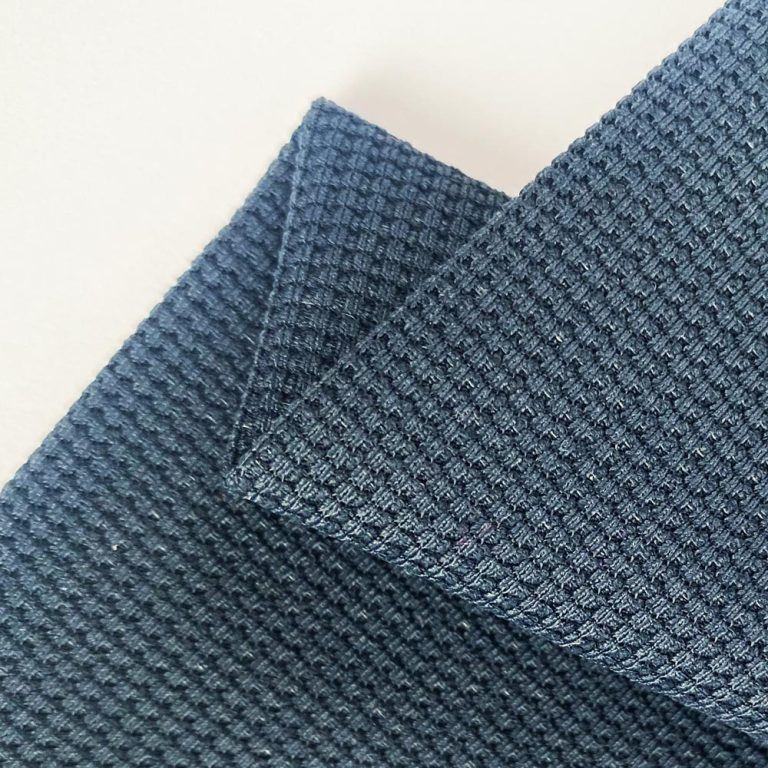
| Common uses | T-shirts, tops, dresses and loungewear | Premium tees, babywear and structured tops | Neckbands, cuffs, fitted tops and dresses |
Xiwen Zhang, our co-founder and CEO, recommends these single jersey weights and blends for the everyday tops, dresses and loungewear our customers develop most often, drawing on our knit fabric experience since 2009.
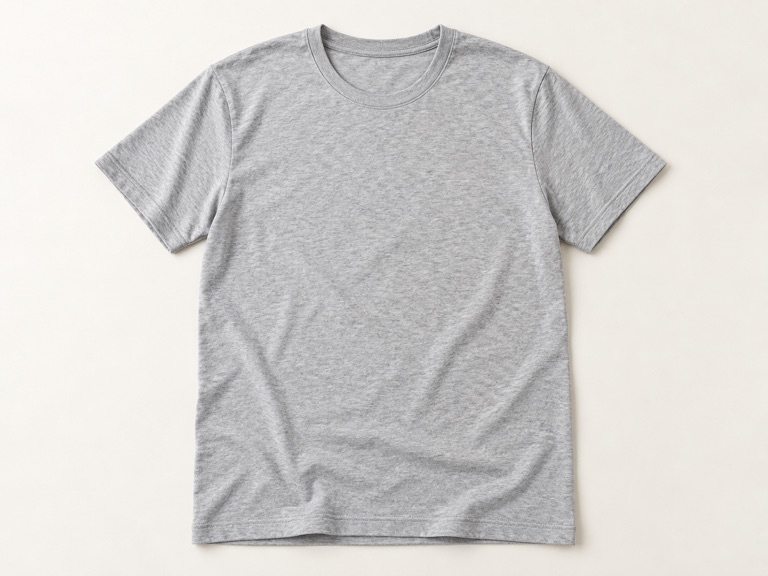
A considered everyday essential
For an everyday premium T-shirt, choose 180–220 GSM cotton with a smooth, substantial touch. Cotton/elastane suits a closer fit, while pure cotton keeps the silhouette relaxed. Give the neckline rib as much attention as the body fabric.
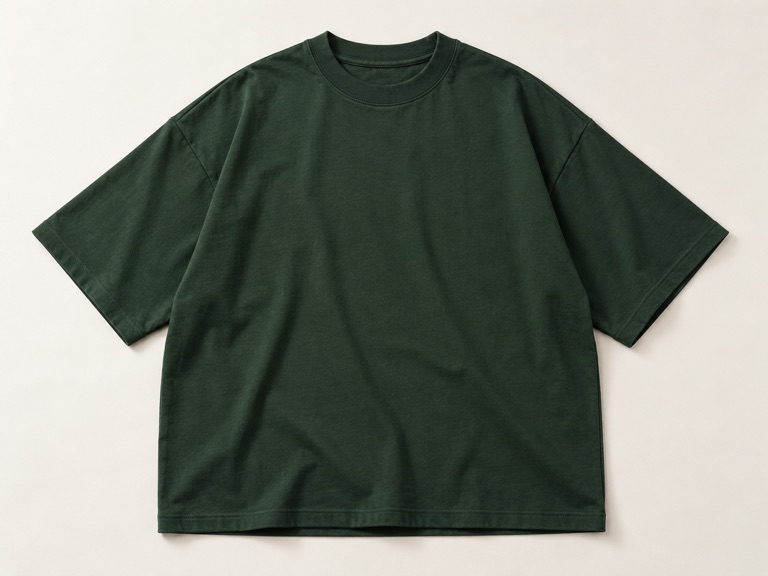
Build around the silhouette
An oversized streetwear tee works well in 240–300 GSM cotton with a fuller, more substantial hand. Build the fabric choice around the intended shoulder, sleeve and hem shape, then develop the wash colour alongside the garment silhouette.
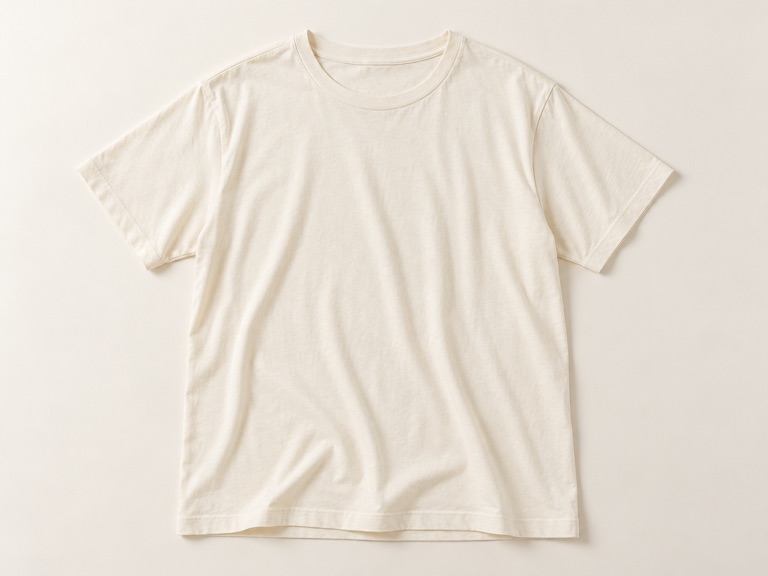
Keep the design light and easy
For summer T-shirts, start with 140–170 GSM cotton or cotton/polyester jersey with a light, smooth touch. Keep the silhouette easy and decide how much coverage the design needs, especially in white and pale colours, before moving into bulk production.
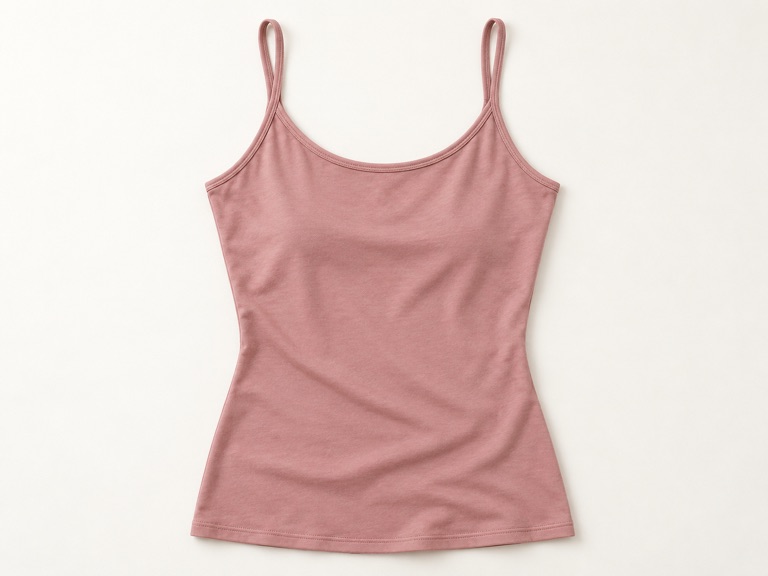
Choose for a close, comfortable fit
Modal/elastane, cotton/elastane or viscose/elastane at around 170–200 GSM suits fitted tops and camisoles, with a smooth, supple feel and comfortable movement. Balance the stretch with the neckline and strap design for a garment worn close to the body.
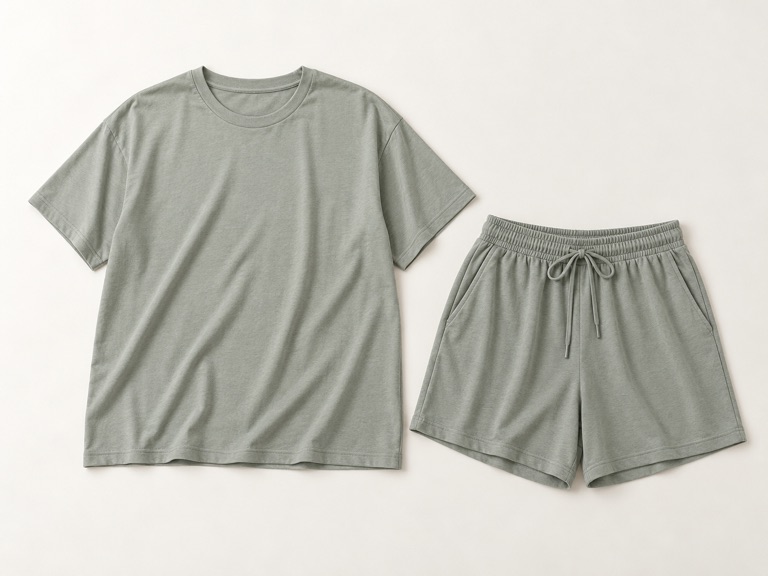
Put everyday comfort first
Loungewear and sleepwear sit comfortably in 160–200 GSM cotton, cotton/elastane or modal/elastane with a soft, relaxed touch. Choose the weight around the season and the fit, and give the waistband and seams the same attention as the fabric against the skin.
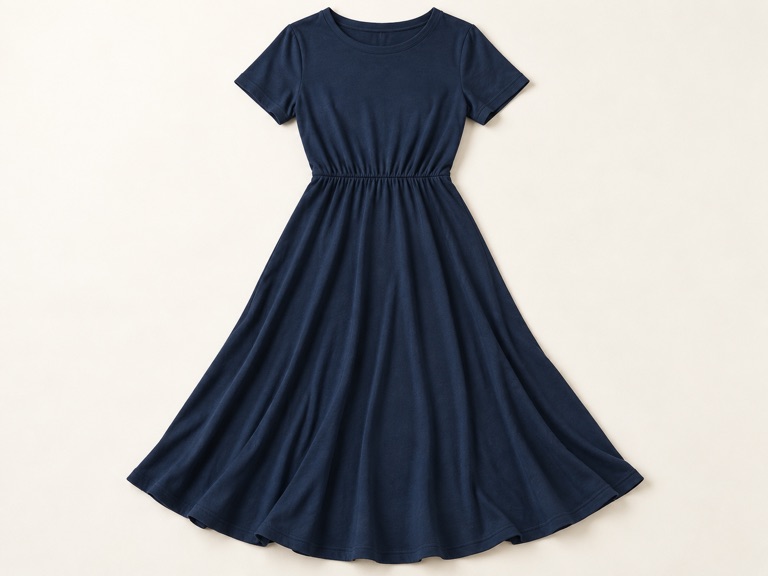
Balance movement and coverage
For jersey dresses, choose 200–240 GSM viscose/elastane or cotton/lyocell to suit the silhouette: fluid movement for a flowing dress, more substance for a straight cut. The right balance of drape and coverage matters more than GSM alone.
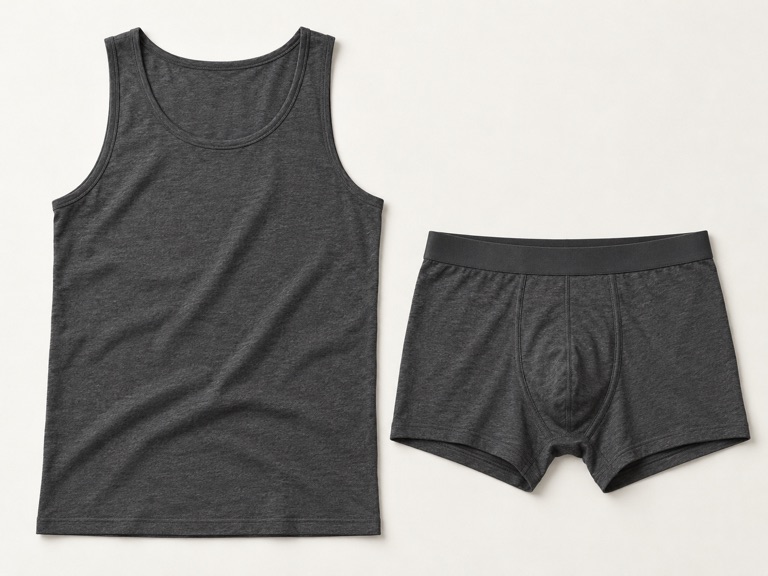
Consider every point of contact
Underwear and base layers call for 170–190 GSM modal/elastane or cotton/modal/elastane with a smooth, gentle touch and comfortable stretch. Select the fabric alongside the waistband and seam design, because each affects how the finished garment feels against the skin.
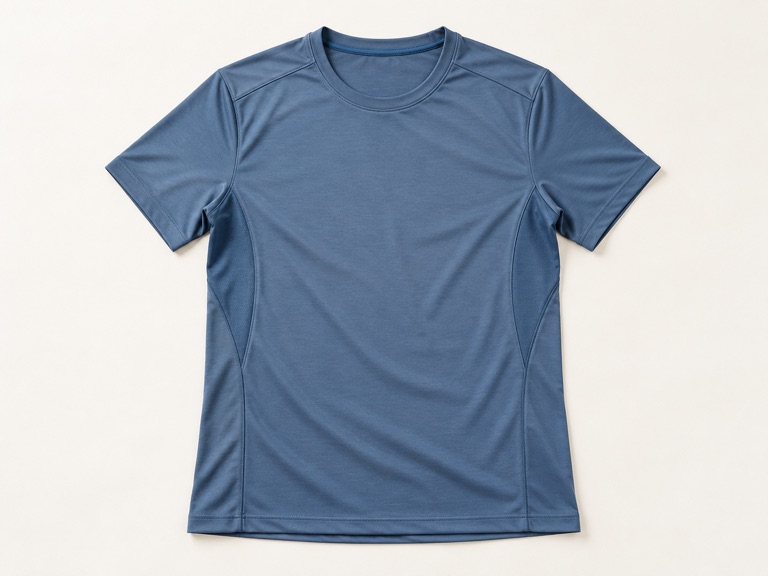
Select around the activity
Sports and training T-shirts work well in 160–180 GSM polyester or polyester/elastane, chosen around the activity and fit. Prioritise a smooth touch and freedom of movement, and set moisture-management requirements during development so the fabric suits the intended training conditions.

Our single jersey range includes lightweight cotton from 140 GSM, cotton-spandex around 175 GSM, cotton at 220–300 GSM, modal-spandex around 175 GSM and viscose-spandex at 260 GSM. This gives apparel collections a choice from lighter T-shirts to heavier tees and stretch garments.
For everyday cotton T-shirts, I recommend 180–220 GSM; for heavyweight streetwear, 240–300 GSM cotton. Modal-spandex or cotton-spandex around 170–200 GSM suits fitted tops and camisoles, while 160–200 GSM cotton or modal blends are my starting point for loungewear.
A 1×1 cotton/elastane rib is a starting point for cotton jersey T-shirts. Select the rib alongside the body fabric, then compare the colour, neckline recovery and wash results together. The rib has its own weight and construction, so it should be approved as a separate fabric.
Spirality and shrinkage, because single jersey twists and relaxes in the wash; agree the ISO 6330 procedure and the drying method. Our jersey measures grade 4 to 4-5 for colour change in washing, while dark 100% cotton usually reaches grade 3 in wet rubbing, so set a separate value for dark shades.
Stock fabric orders start at 1 roll (~23 kg) per colour. Custom-colour orders start at 200 kg per colour.
Explore complementary knit structures for your next apparel collection.
Read practical guides to T-shirt fabrics, fibre blends and knit construction.