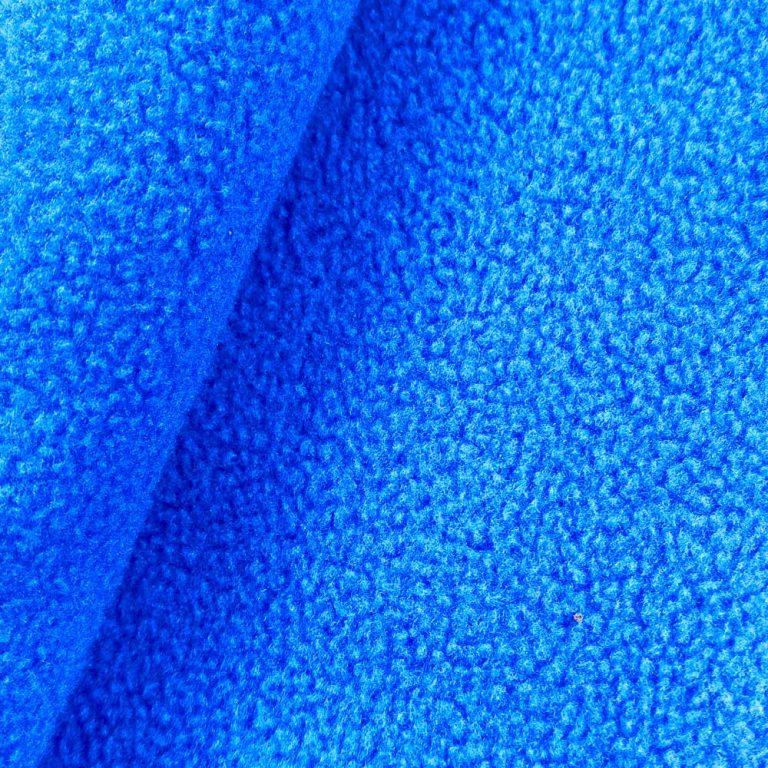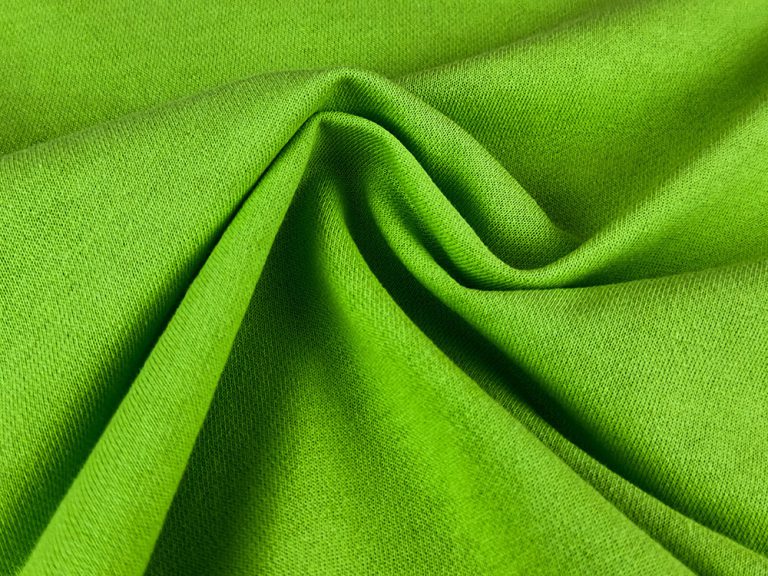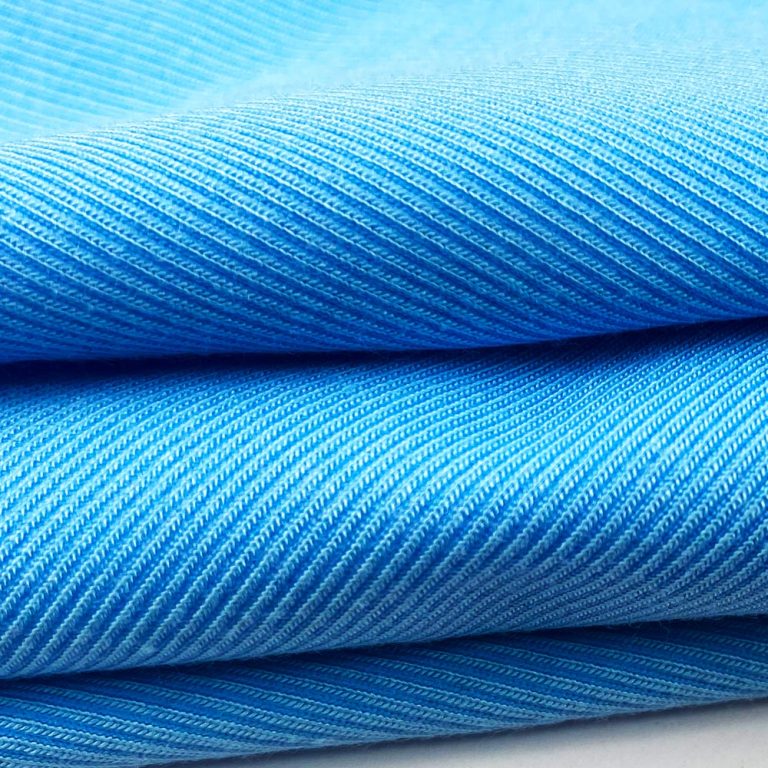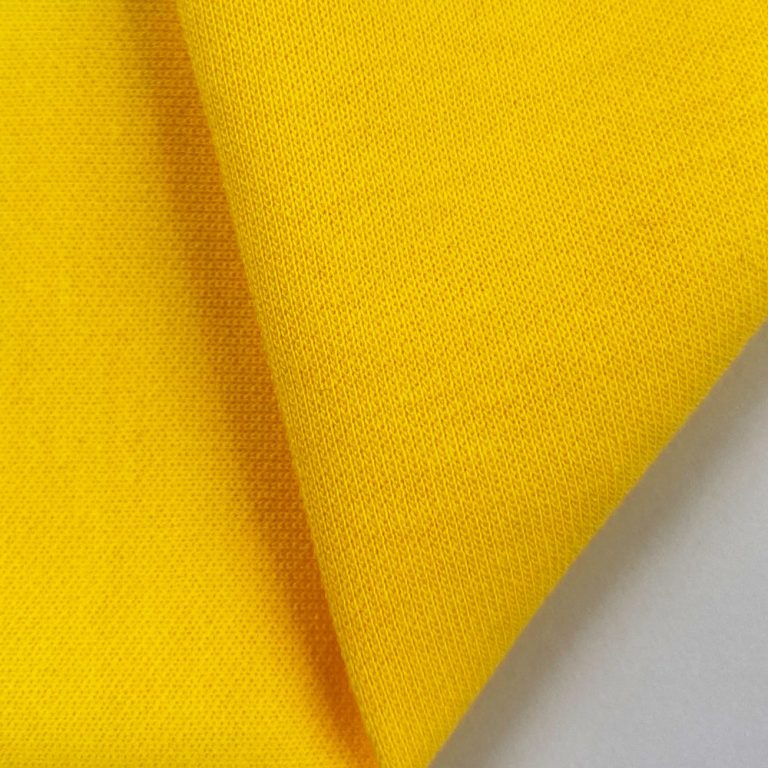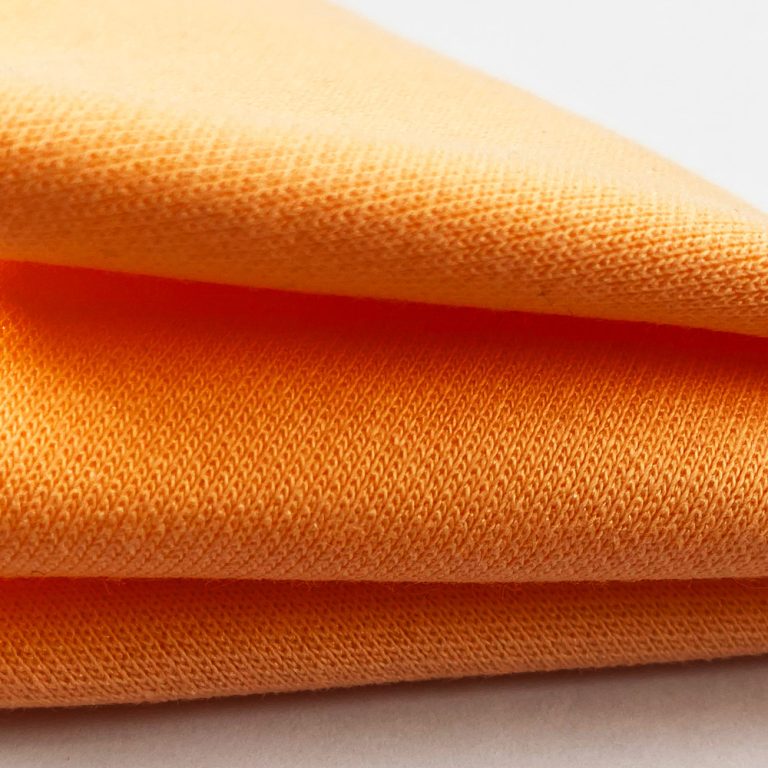
Item No.
KF620
- Composition
- 65% polyester / 35% cotton
- Weight
- 230 GSM
- Width
- 73/75″ (185/191 cm)
Knit Fabric Manufacturer Since 2009 · China

FRENCH TERRY · FABRIC SOURCING
Runtang Textile manufactures French terry fabrics for hoodies, sweatshirts, joggers, shorts and knit jackets. Choose pure cotton, cotton/polyester or cotton/spandex loopback, from lighter summer weights to heavyweight streetwear. Stock orders start at 1 roll (~23 kg) per colour; custom colours start at 200 kg per colour.
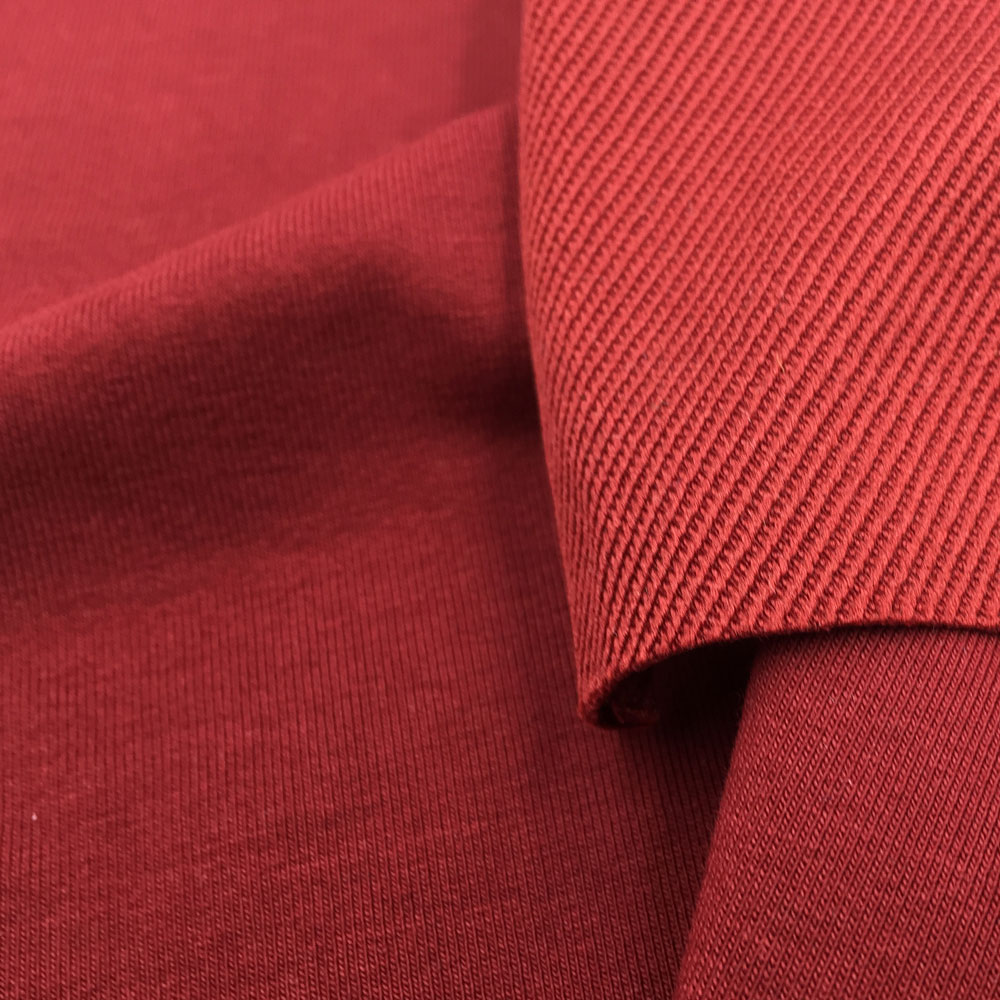
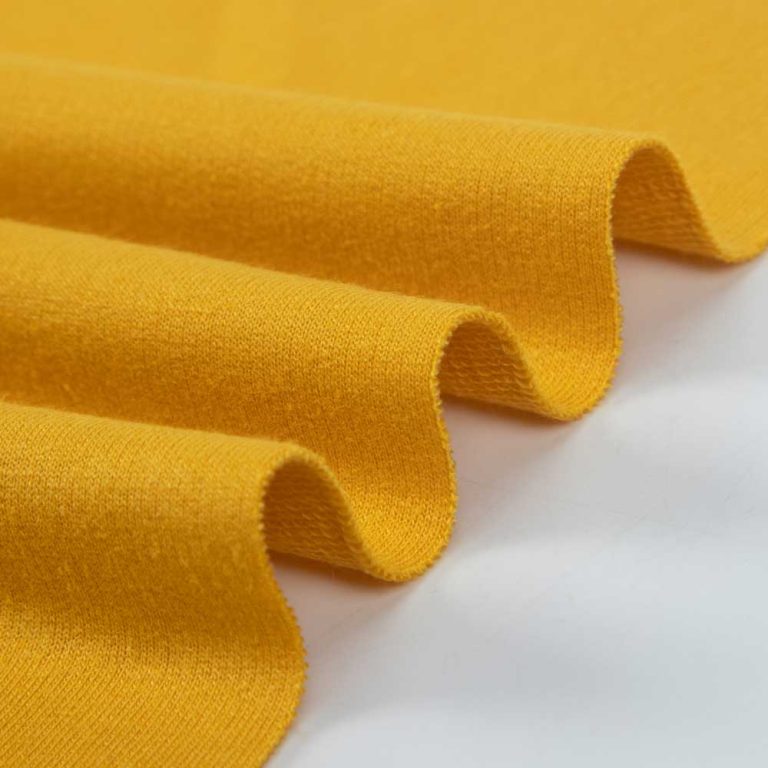
French Terry Knit Fabric for apparel brands, garment manufacturers and fabric sourcing teams.
Explore our online French terry range, backed by a library of 476 options.
Item No.
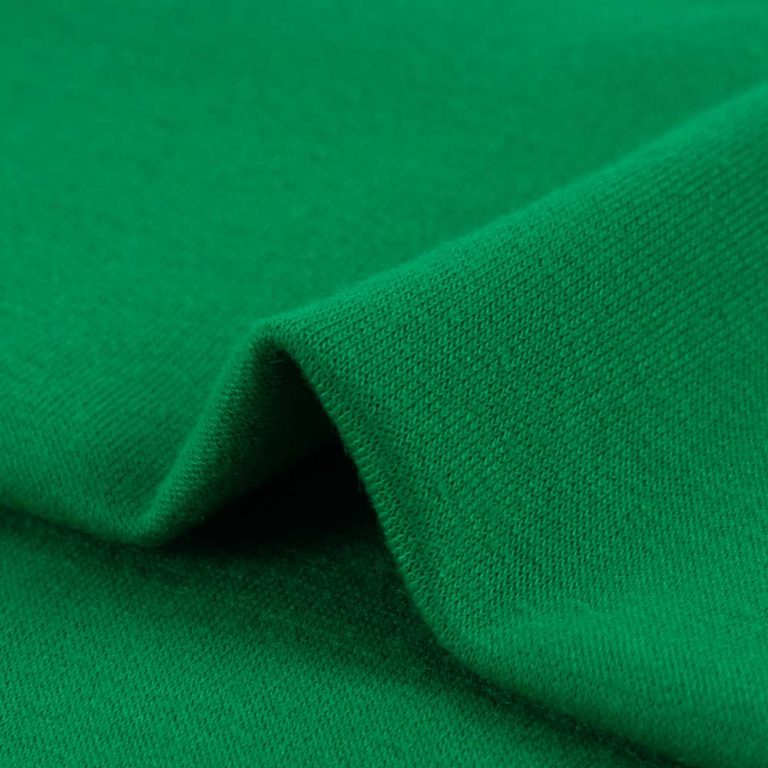
Item No.
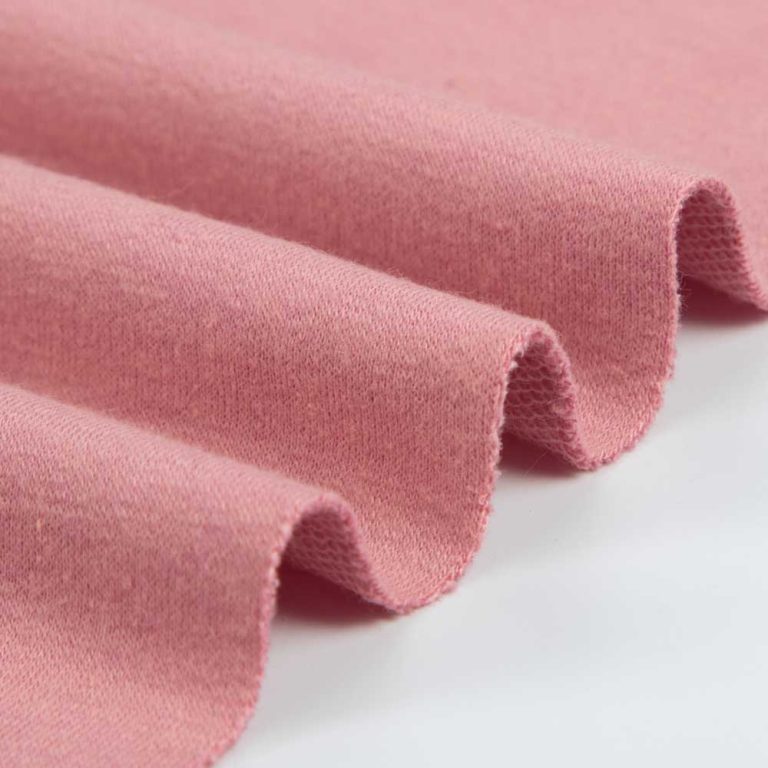
Item No.
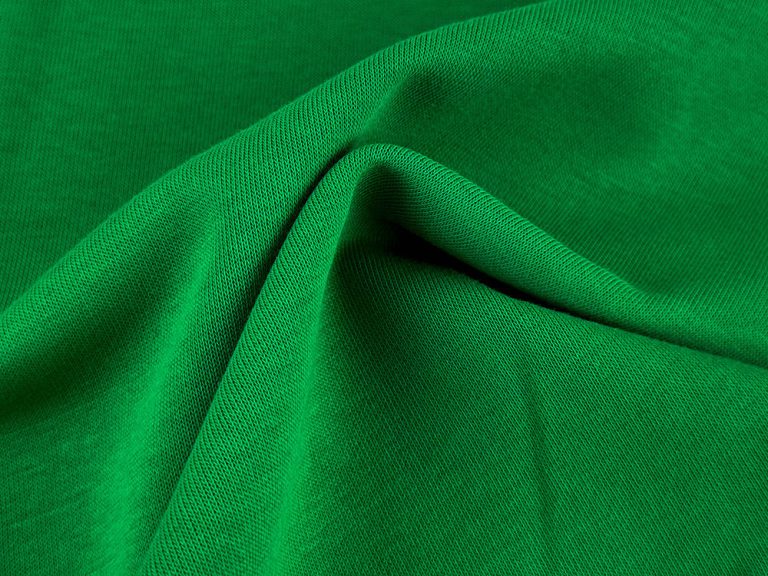
Item No.
| Item | Composition | Weight | Width | Details |
|---|---|---|---|---|
| KF620 | 65% polyester / 35% cotton | 230 GSM | 73/75″ (185/191 cm) | View specifications |
| KF621 | 95% polyester / 5% spandex | 240 GSM | 65/67″ (165/170 cm) | View specifications |
| KF619 | 62% polyester / 33% cotton / 5% spandex | 240 GSM | 65/67″ (165/170 cm) | View specifications |
| KF2091 | 63.5% cotton / 36.5% polyester | 290 GSM | 72.8″ (185 cm) | View specifications |
Our fabric library includes 476 French terry options. Contact us for more compositions, weights and colours for your collection.
French terry is a weft-knitted loopback fabric. The face is smooth like jersey, while the reverse carries rows of unbrushed loops formed by an extra backing yarn. These loops give the fabric body and a soft inner surface without the bulk of brushed fleece, which makes French terry a common choice for year-round sweatshirts and joggers. In our library, most French terry weighs between 270 and 400 GSM; pure cotton leads the heavier weights, and cotton/polyester the mid weights. French terry offers a clean face for printing, enough structure for relaxed silhouettes, and better breathability than fleece. Its limitations: the loops on the reverse can snag on rough surfaces, pure cotton qualities need a shrinkage check before cutting, and lighter weights are less warm than fleece.
Pure cotton covers most heavy sweatwear in our library, while blends bring the weight, stretch and cost into line with the garment.
| Fabric type | Fabric examples | Apparel applications |
|---|---|---|
| 100% cotton French terry | 320–420 GSM in most qualities, such as KF1337 at 320 GSM and KF779 at 360 GSM | Hoodies, sweatshirts, heavyweight streetwear and knit jackets |
| Cotton/polyester French terry | 250–330 GSM, such as KF784 (83% cotton / 17% polyester) at 250 GSM | Sweatsuits, joggers and shorts |
| Cotton/spandex and cotton/polyester/spandex | 220–320 GSM, such as KF1350 (95% cotton / 5% spandex) at 260 GSM | Fitted joggers, shorts and sweat dresses |
Choose 220–300 GSM for shorts, T-shirts and lighter joggers, 280–360 GSM for year-round hoodies and sweatpants, and 360 GSM and above for heavyweight streetwear and knit jackets. About two-thirds of the French terry in our library weighs 300 GSM or more.
Below 200 GSM
1 qualities
200–299 GSM
15 qualities
300 GSM and above
8 qualities
All three have a loop or pile reverse, but they wear very differently. Compare the reverse surface and season before you sample.
| Feature | French Terry | Fleece Knit | Terry Knit |
|---|---|---|---|
| Reverse surface | Flat, unbrushed loops | Loops brushed into a soft, raised nap | Fuller loop pile, closer to towelling |
| Feel and warmth | Breathable, mid-warmth | Softer and warmer | Absorbent, with a textured hand |
| Typical weights in our library | 270–400 GSM | 280–380 GSM | 240–300 GSM |
| Season | Year-round | Autumn and winter | Spring and summer |
| Typical garments | Hoodies, joggers, shorts and sweatsuits | Hoodies, sweatshirts and knit jackets | Towelling-look tees, shorts and lounge sets |
Xiwen Zhang, our co-founder and CEO, recommends these French terry weights and blends for the sweatwear and casual pieces our customers develop most often, drawing on our knit fabric experience since 2009.
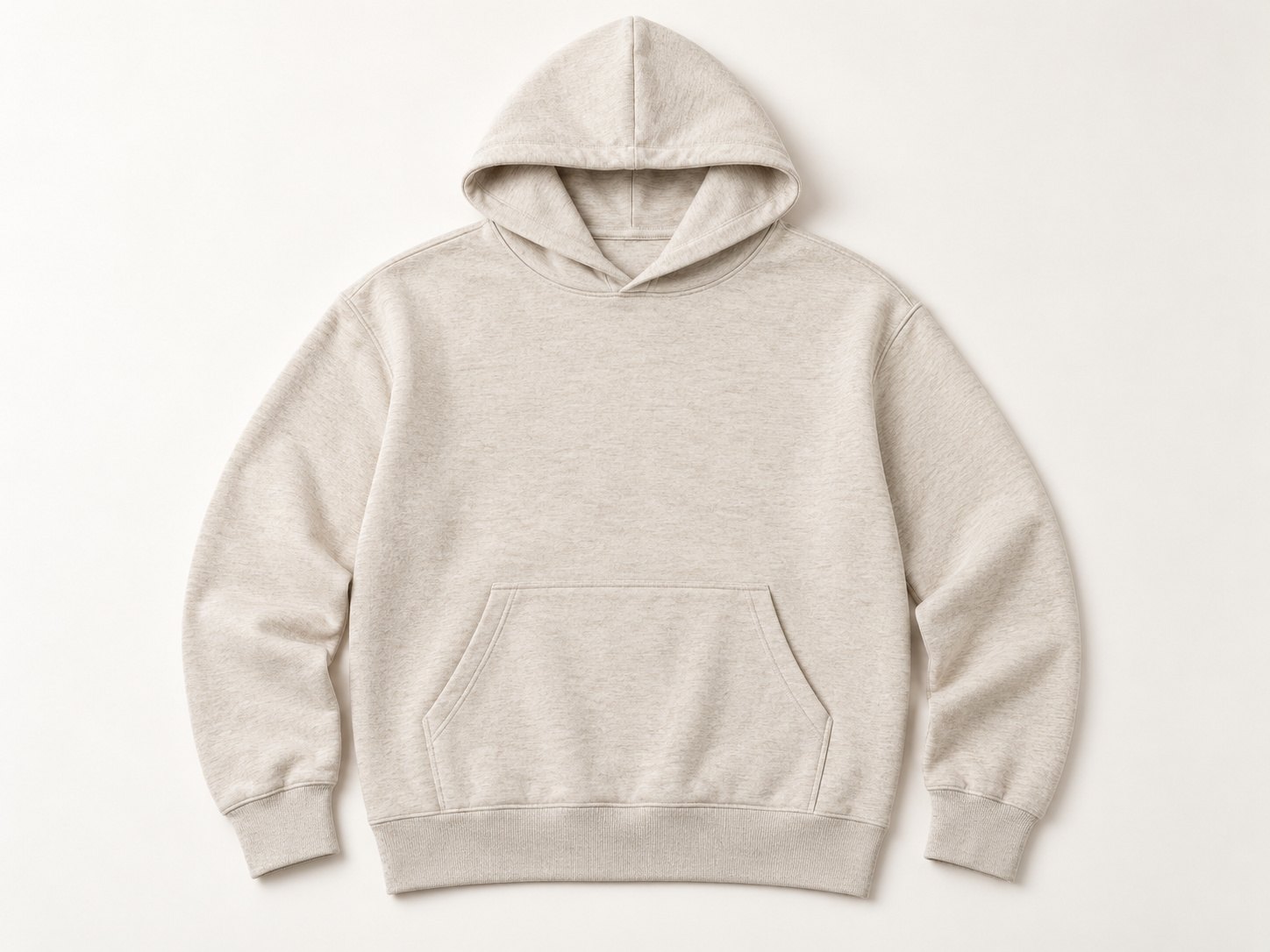
THE CORE OF A SWEAT COLLECTION
Choose 280–360 GSM French terry in pure cotton or cotton/polyester for hoodies and crewneck sweatshirts worn across seasons. This is where most of the sweatwear in our library sits. Choose cotton for a dry, natural hand, and a cotton/polyester blend when shrinkage control and cost matter more.
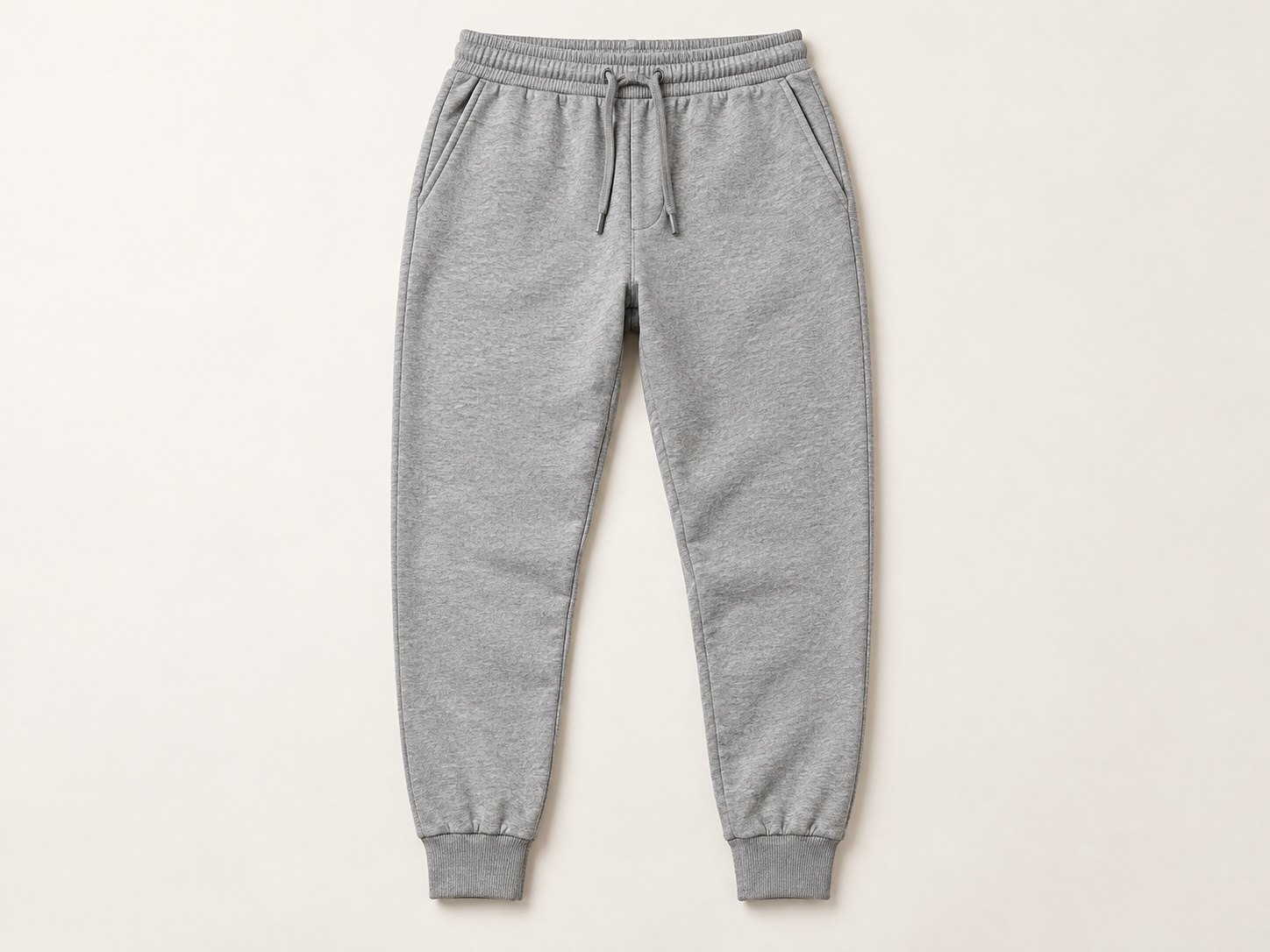
BUILT FOR MOVEMENT
For joggers and sweatpants, start with 240–340 GSM cotton/polyester French terry, adding spandex when the leg is slim or tapered. Matching the jogger weight to the hoodie keeps a sweatsuit consistent, and the lighter end of this range suits warmer climates.
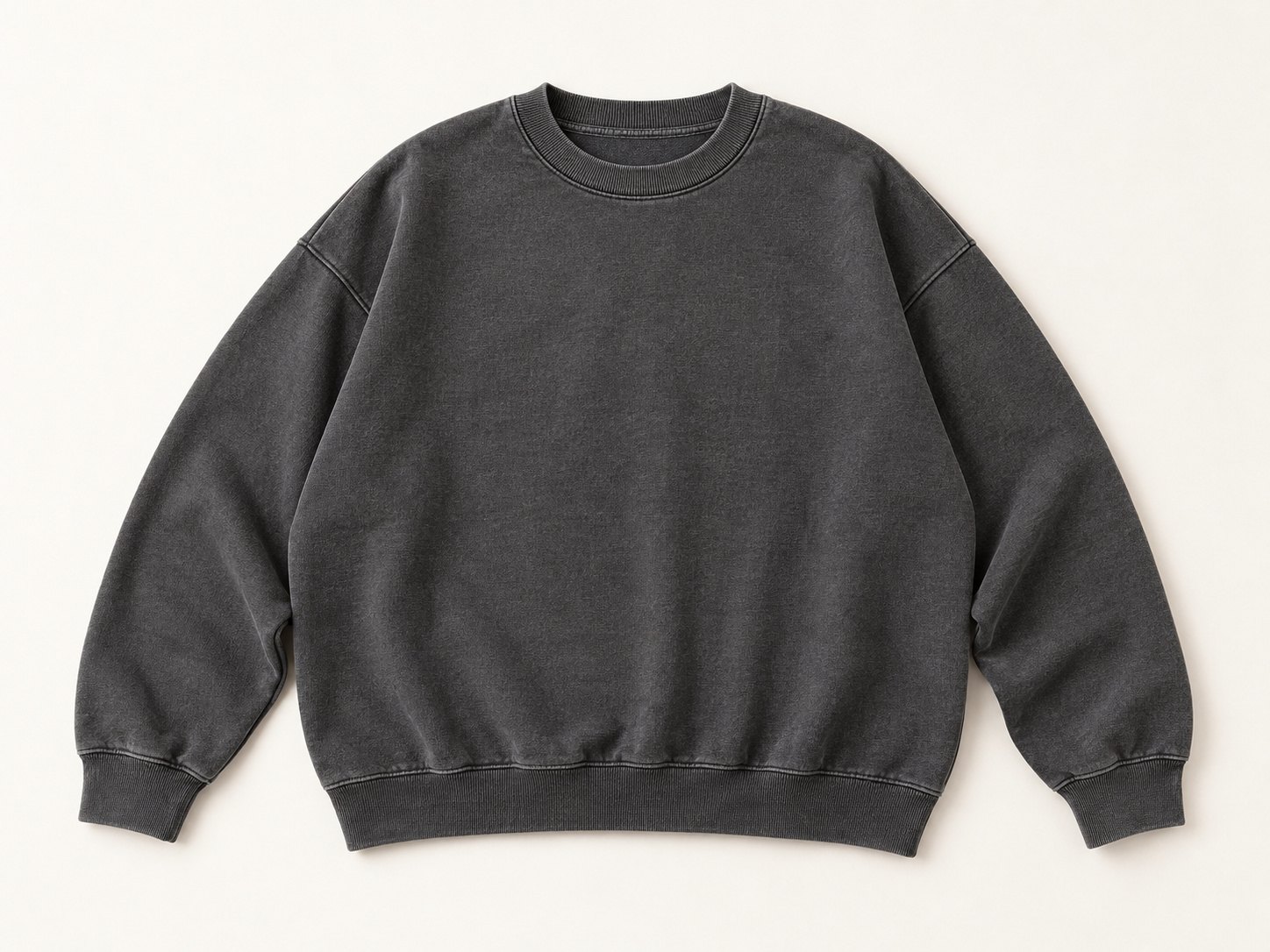
STRUCTURE FOR OVERSIZED CUTS
For oversized hoodies and boxy crewnecks, start with 320–400 GSM pure cotton French terry. The weight holds a dropped shoulder and a wide body, and the smooth face suits screen prints and embroidery. Plan garment washing early, as pure cotton at this weight needs a shrinkage check.
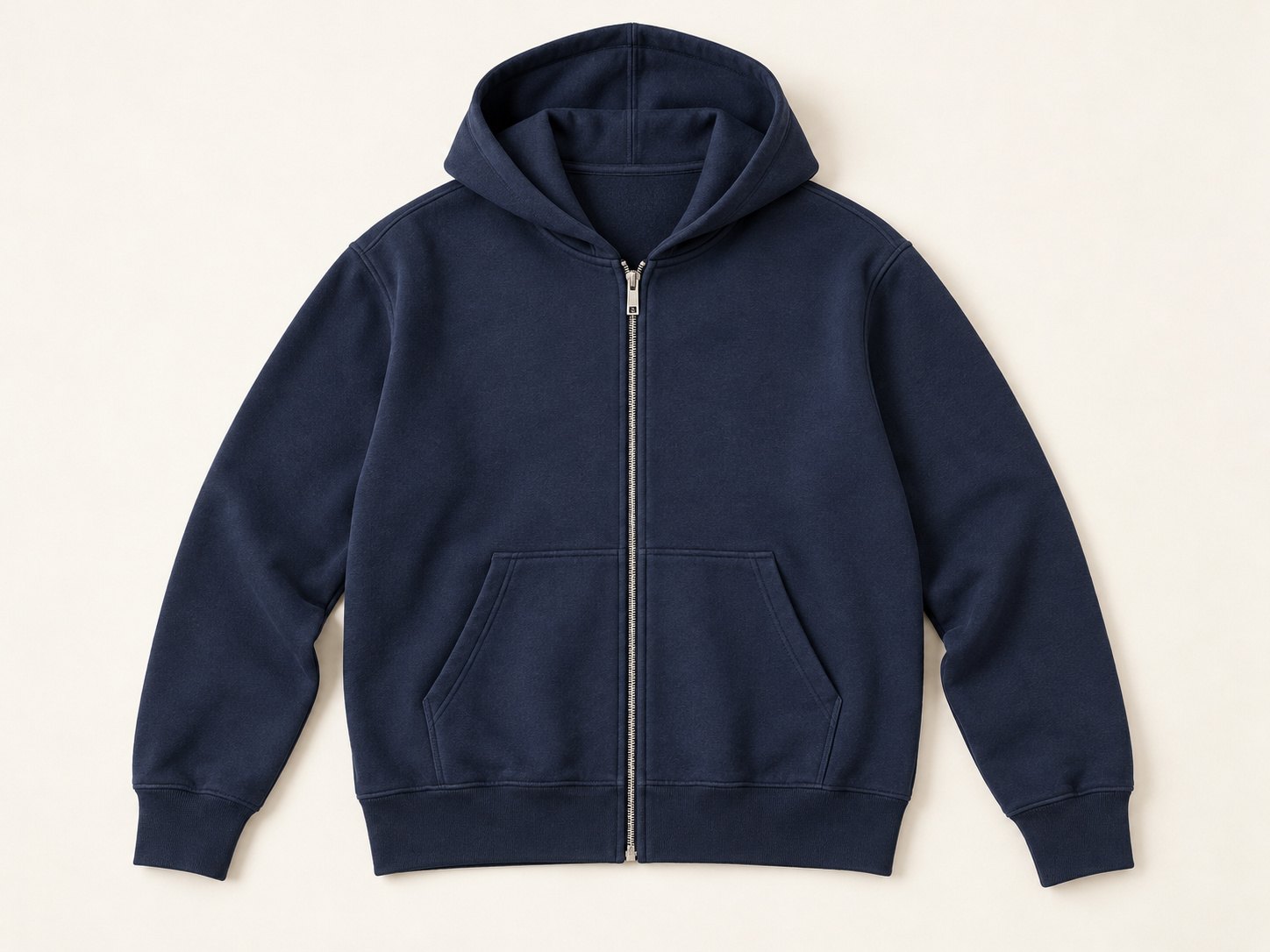
A KNIT OUTER LAYER
Choose 320–420 GSM French terry for zip-through hoodies, sweat jackets and knit overshirts. The heavier weight gives zips and front edges enough support, and cotton/polyester is a practical choice for jackets that see frequent wear and washing.
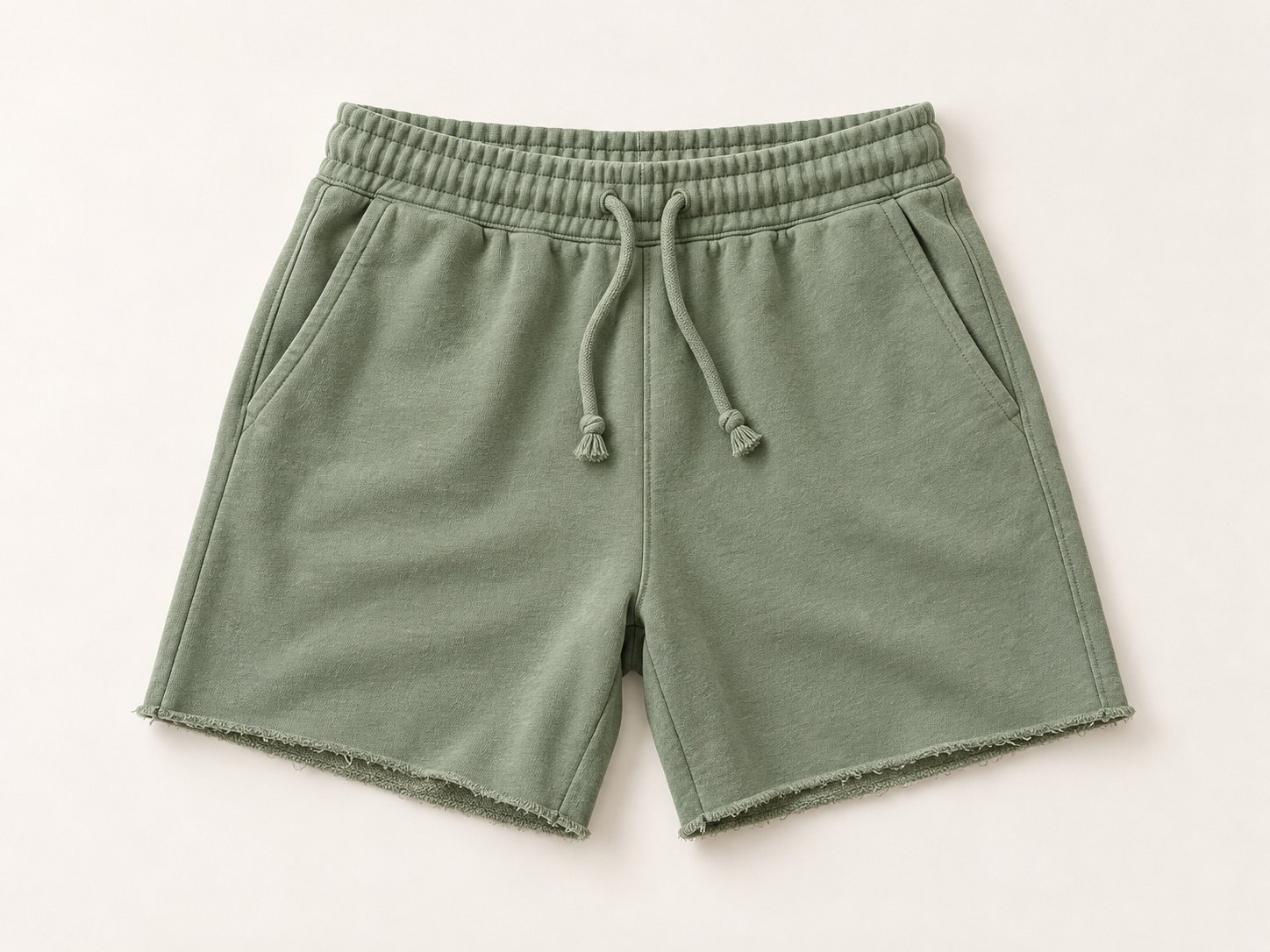
LIGHTER LOOPBACK FOR SUMMER
For sweat shorts, start with 220–300 GSM French terry, lighter than the matching hoodie but in the same colour family. Cotton/polyester is the most common choice for shorts in our library; add spandex if the shorts are fitted or made for training.
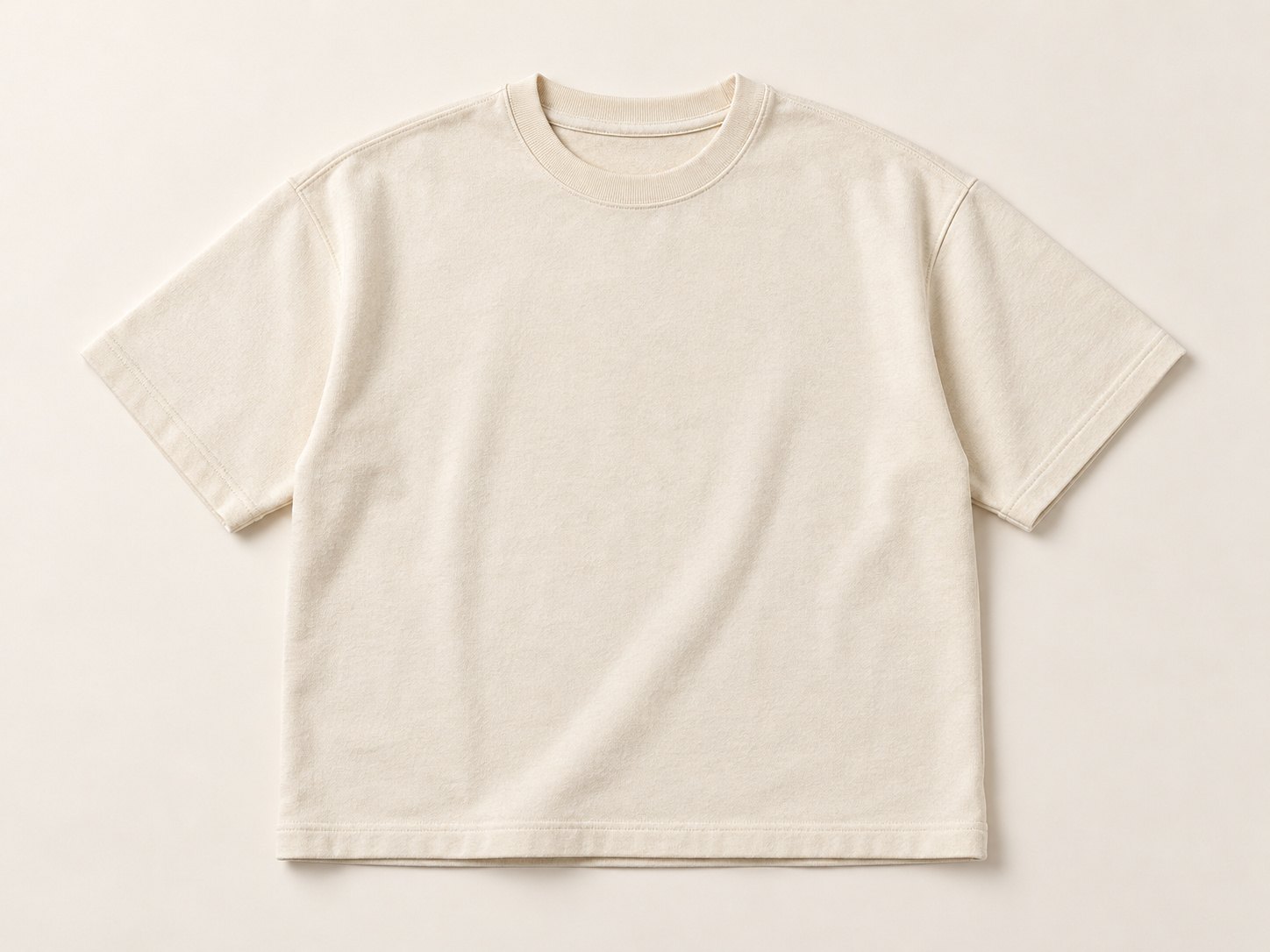
A TEE WITH SWEATSHIRT WEIGHT
For a heavyweight tee with a soft inner surface, start with 220–280 GSM French terry. It gives a T-shirt more body than jersey and suits boxy, cropped and layered styles. Use a matching or slightly lighter rib for the neckline so it lies flat.
COMFORT IN ONE PIECE
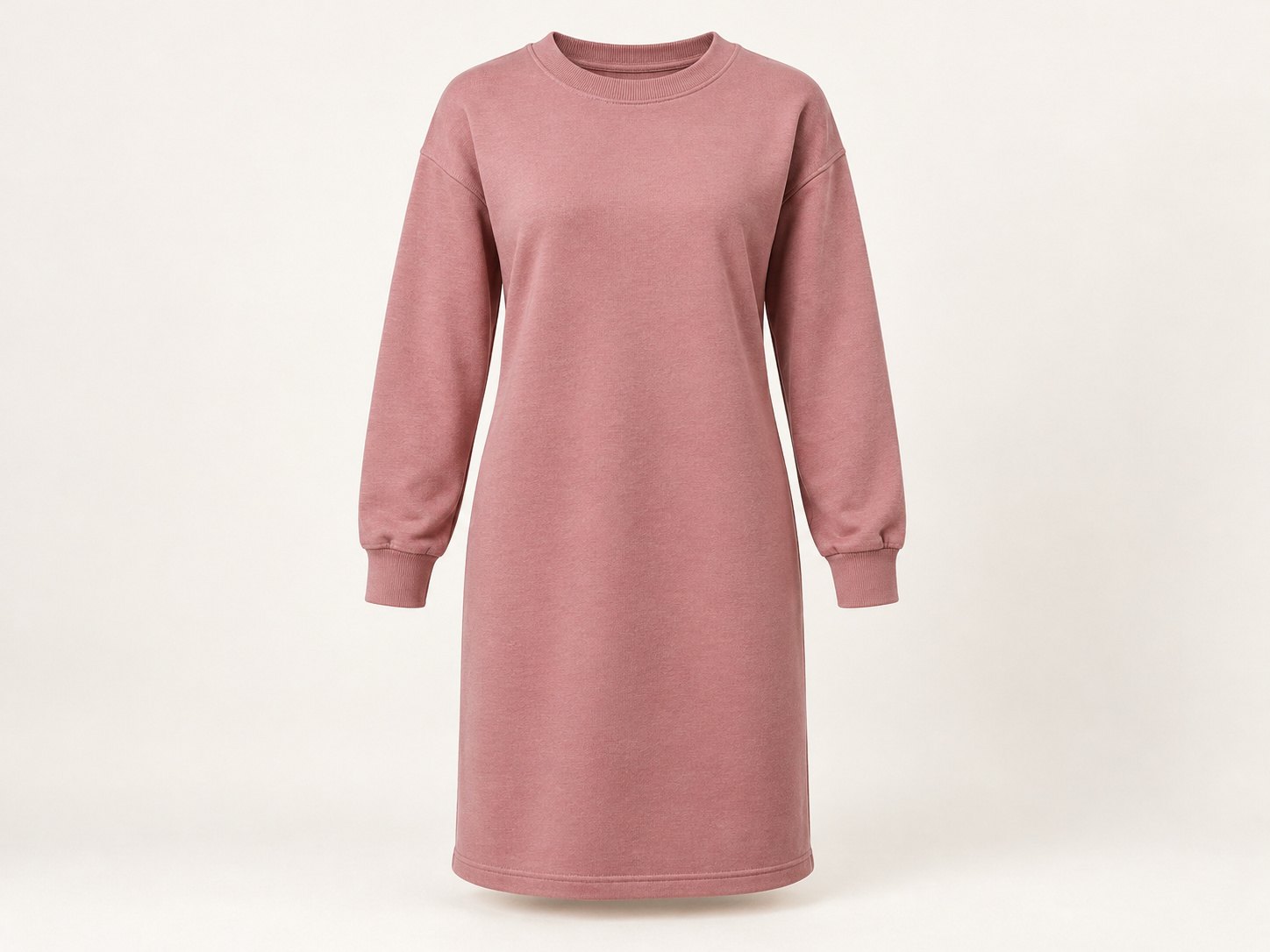
Choose 220–250 GSM French terry with spandex for sweatshirt dresses and casual knit dresses. The lighter weight lets the skirt fall rather than flare, and the stretch keeps a fitted waist or cuff comfortable.

French terry keeps the loops on its reverse unbrushed, so it feels lighter and breathes better. Fleece is brushed on the reverse to raise a soft nap, which adds warmth. Both are common at around 280–380 GSM in our library, so choose by feel and season rather than weight alone.
For year-round hoodies, most customers choose 280–360 GSM. Go to 320–400 GSM for heavyweight or oversized streetwear, and 220–300 GSM for shorts, tees and summer sets.
Yes. The smooth face is the usual side for screen printing, DTF transfers and embroidery. Results depend on the fibre blend and colour, so test the print or embroidery on a sample of the selected fabric before bulk.
Shrinkage first: loopback French terry relaxes in the wash, so agree an ISO 6330 procedure, the drying method and length and width limits. Then pilling on the face, with the revolutions stated, and wet rubbing on dark 100% cotton qualities. Compacting during finishing is the usual route when a shrinkage limit is tight.
Stock fabric orders start at 1 roll (~23 kg) per colour. Custom-colour orders start at 200 kg per colour.
Compare complementary fibres and knit constructions for your next apparel collection.
Read practical guides to fibre blends, garment selection and knit construction.