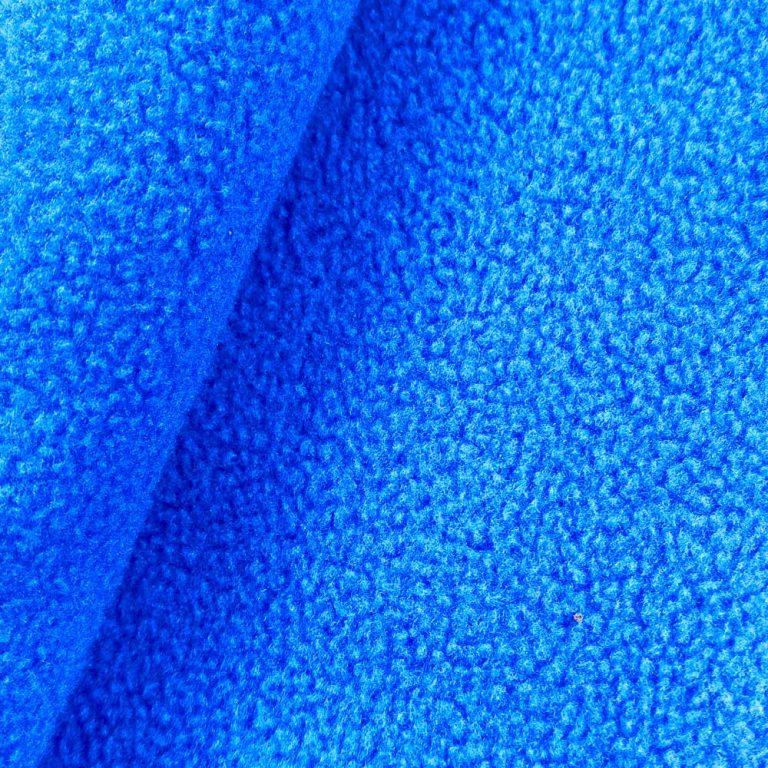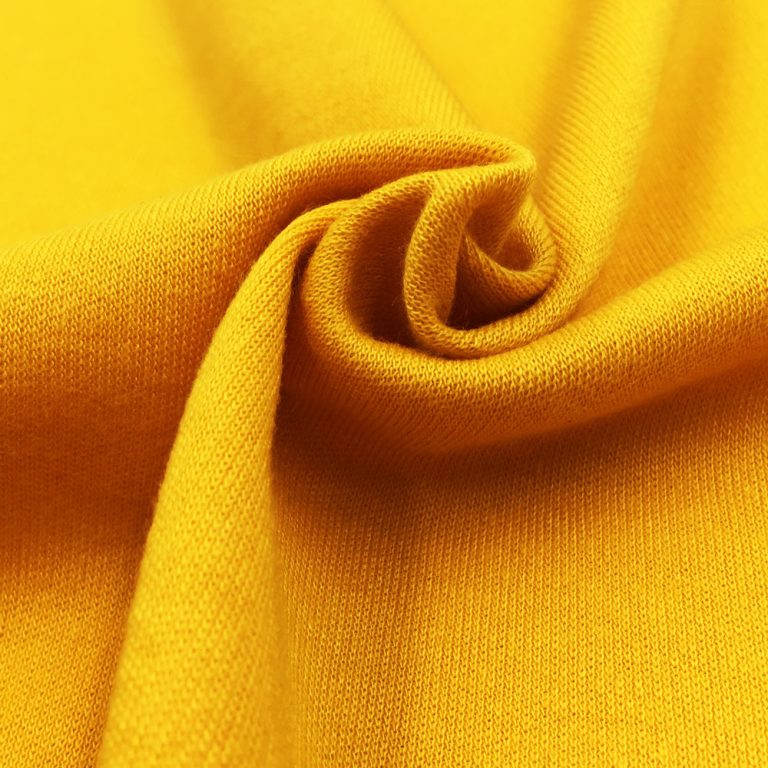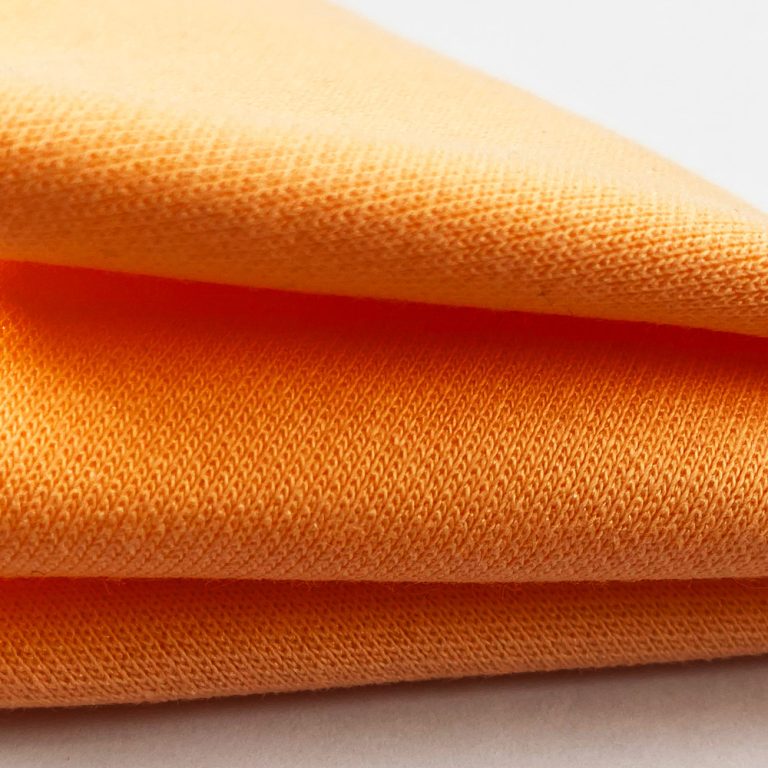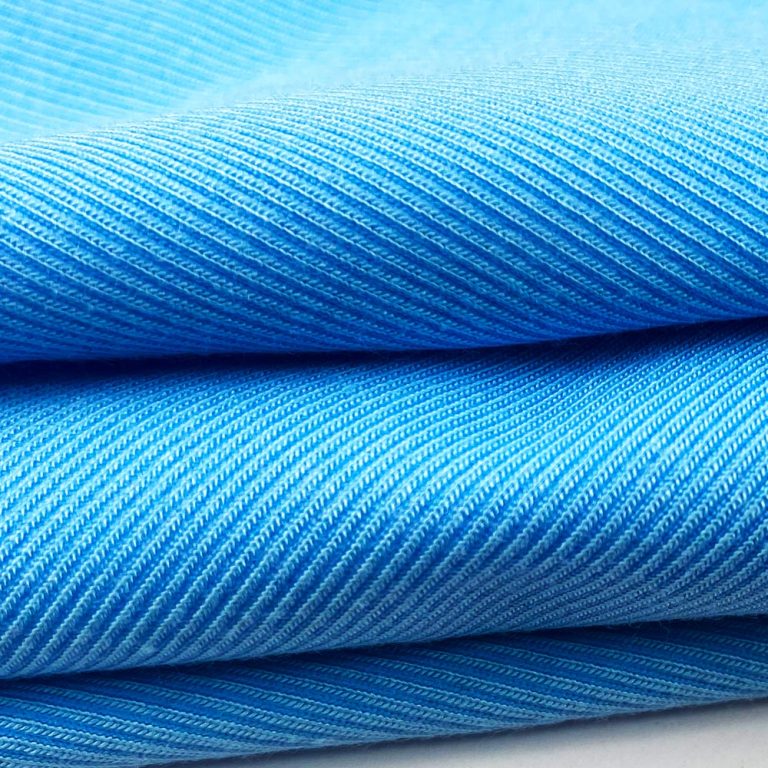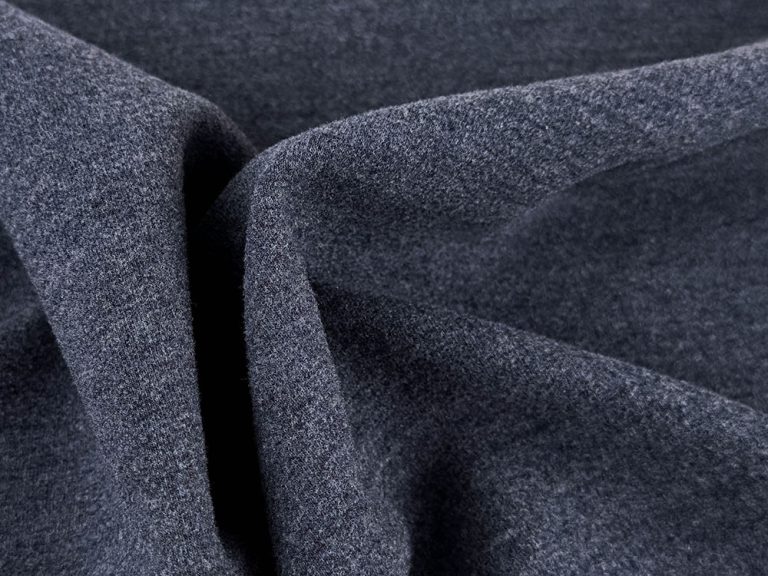
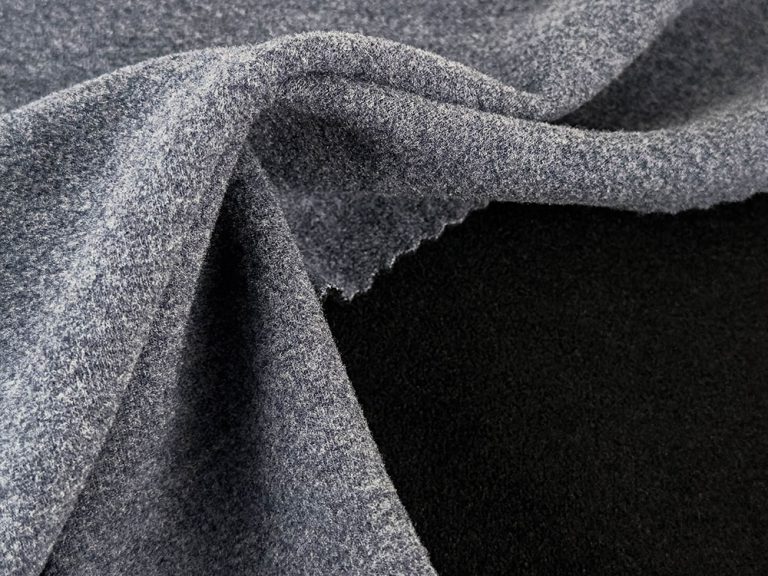
Item No.
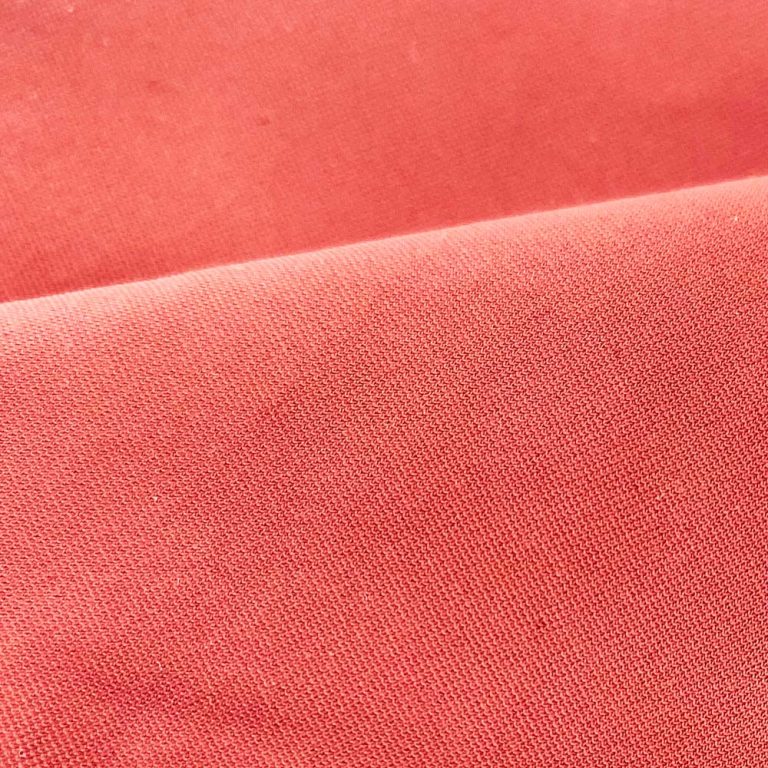
YM0523
- Composition
- 25% viscose / 25% acrylic / 11% spandex / 39% polyester
- Weight
- 360 GSM
- Width
- 63″ (160 cm)
Knit Fabric Manufacturer Since 2009 · China

BRUSHED KNIT · FABRIC SOURCING
Runtang Textile manufactures brushed knit fabrics for thermal base layers, sweatshirts, knit dresses, trousers and loungewear. Choose viscose/acrylic thermal blends, cotton and cotton/polyester, or polyester/spandex with a soft brushed face or back. Stock orders start at 1 roll (~23 kg) per colour; custom colours start at 200 kg per colour.

Brushed Knit Fabric for apparel brands, garment manufacturers and fabric sourcing teams.
Explore our online brushed knit range, backed by a library of 275 options.
Item No.
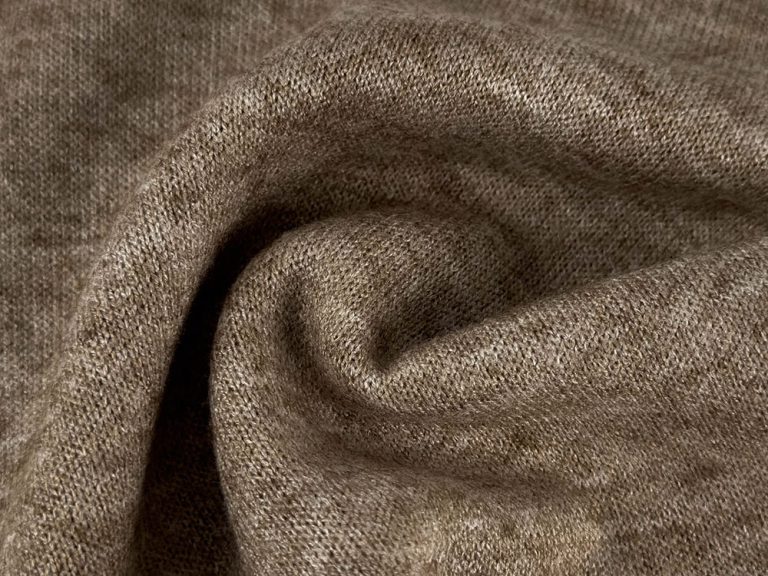
Item No.
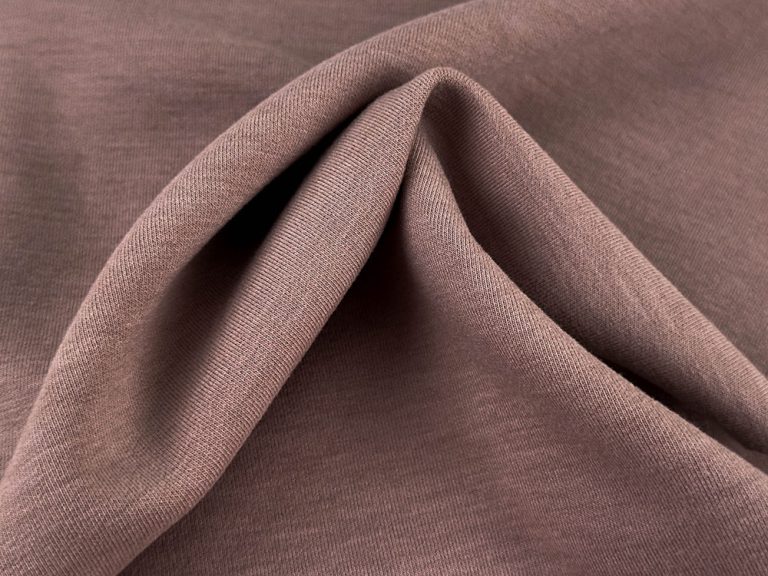
Item No.
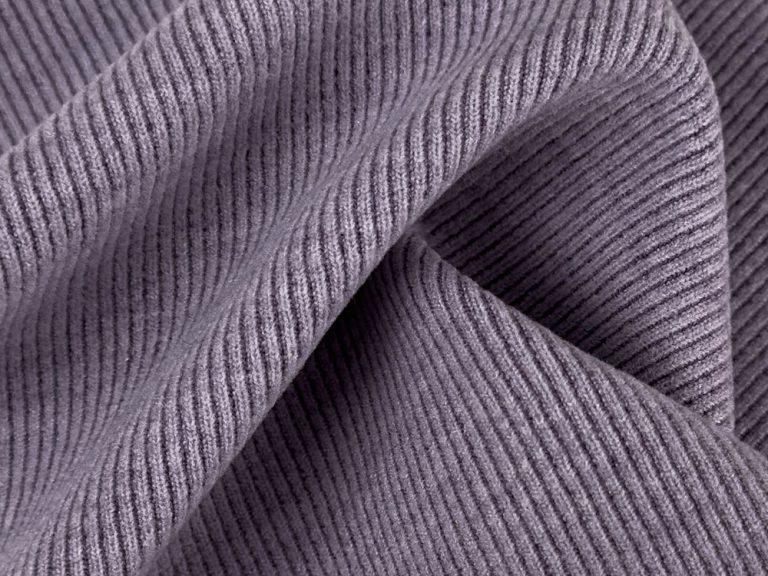
Item No.
Item No.
| Item | Composition | Weight | Width | Details |
|---|---|---|---|---|
| YM0523 | 25% viscose / 25% acrylic / 11% spandex / 39% polyester | 360 GSM | 63″ (160 cm) | View specifications |
| SM21025 | 45% viscose / 28% nylon / 22% polyester / 5% spandex | 360 GSM | 59.1″ (150 cm) | View specifications |
| YM0418 | 49% viscose / 38% acrylic / 8% spandex / 5% wool | 360 GSM | 65″ (165 cm) | View specifications |
| SM21027 | 38% viscose / 35% nylon / 23% polyester / 4% spandex | 380 GSM | 61″ (155 cm) | View specifications |
| YM0525 | 19.5% viscose / 17.5% acrylic / 2% silk / 12% spandex / 49% polyester | 400 GSM | 65″ (165 cm) | View specifications |
Our fabric library includes 275 brushed knit options. Contact us for more compositions, weights and colours for your collection.
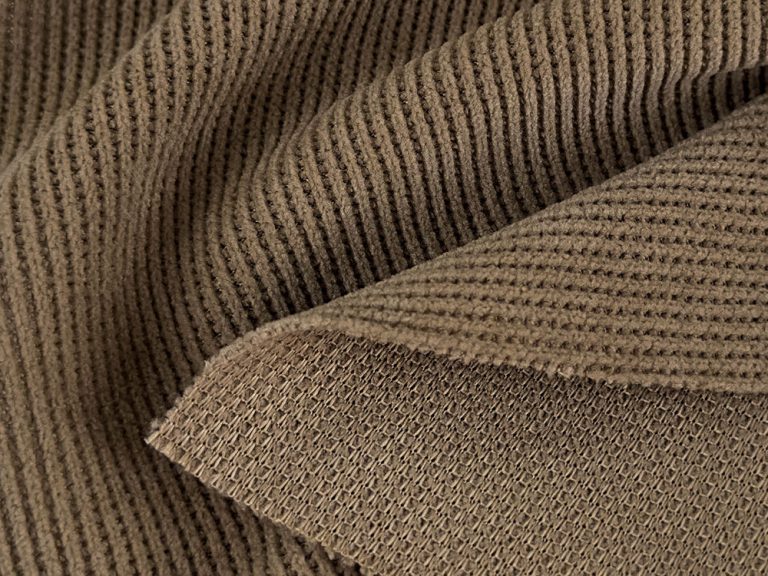
Brushed knit fabric is a knit whose surface has been brushed or sanded after knitting to lift the fibre ends into a short, soft nap. Brushing is a finish, not a structure: in our library it is applied to double knits, rib, single jersey and interlock, on the face, the back or both. The raised fibres trap a little air, so a brushed knit feels warmer and softer than the same fabric unbrushed. Our 275 brushed qualities mostly weigh 260–340 GSM. Thermal base layers and underwear are the largest use, usually in viscose/acrylic/spandex blends, some with a little wool. Brushing loosens fibres at the surface, so these fabrics are more prone to pilling than smooth knits, and a heavy nap can show pressure marks. Check pilling and hand on a sample.
Viscose/acrylic thermal blends and cotton-rich sweatwear make up most of our brushed range.
| Fabric type | Fabric examples | Apparel applications |
|---|---|---|
| Viscose/acrylic thermal blends | 260–350 GSM, such as P4385-300G (60% viscose / 28% acrylic / 7% spandex / 5% wool) at 300 GSM | Thermal tops, base layers and knit dresses |
| Viscose/polyester/spandex | 220–300 GSM, such as P4371 (58% viscose / 30% polyester / 12% spandex) at 270 GSM | Thermal underwear and loungewear |
| Cotton and cotton/polyester | 260–360 GSM, such as P4462 (75% cotton / 25% polyester) at 280 GSM | Sweatshirts, trousers and knit jackets |
| Polyester/spandex | 220–285 GSM, such as P4394 (87% polyester / 13% spandex) at 230 GSM | Fitted base layers, dresses and skirts |
Choose 260–310 GSM brushed knit for thermal base layers and underwear, 250–300 GSM for dresses and loungewear, 280–350 GSM for casual trousers and knit jackets, and 280–395 GSM for sweatshirts.
Below 200 GSM
0 qualities
200–299 GSM
14 qualities
300 GSM and above
11 qualities
Buyers often weigh these three for warmth and softness; the difference is how much of the surface is raised.
| Feature | Brushed Knit | Fleece Knit | French Terry |
|---|---|---|---|
| Surface | Short, fine nap on a flat knit | Back loops brushed into a deep nap | Flat loops on the reverse, not brushed |
| Base structure | Jersey, rib, interlock or double knit | Loopback knit | Loopback knit |
| Warmth for its weight | Moderate | High | Light to moderate |
| Typical weights in our library | 260–340 GSM | 280–380 GSM | 270–400 GSM |
| Typical garments | Thermal tops, dresses and loungewear | Hoodies, sweatpants and jackets | Hoodies, joggers and shorts |
Xiwen Zhang, our co-founder and CEO, recommends these brushed weights and blends for the warm, close-to-skin pieces our customers develop most often, drawing on our knit fabric experience since 2009.
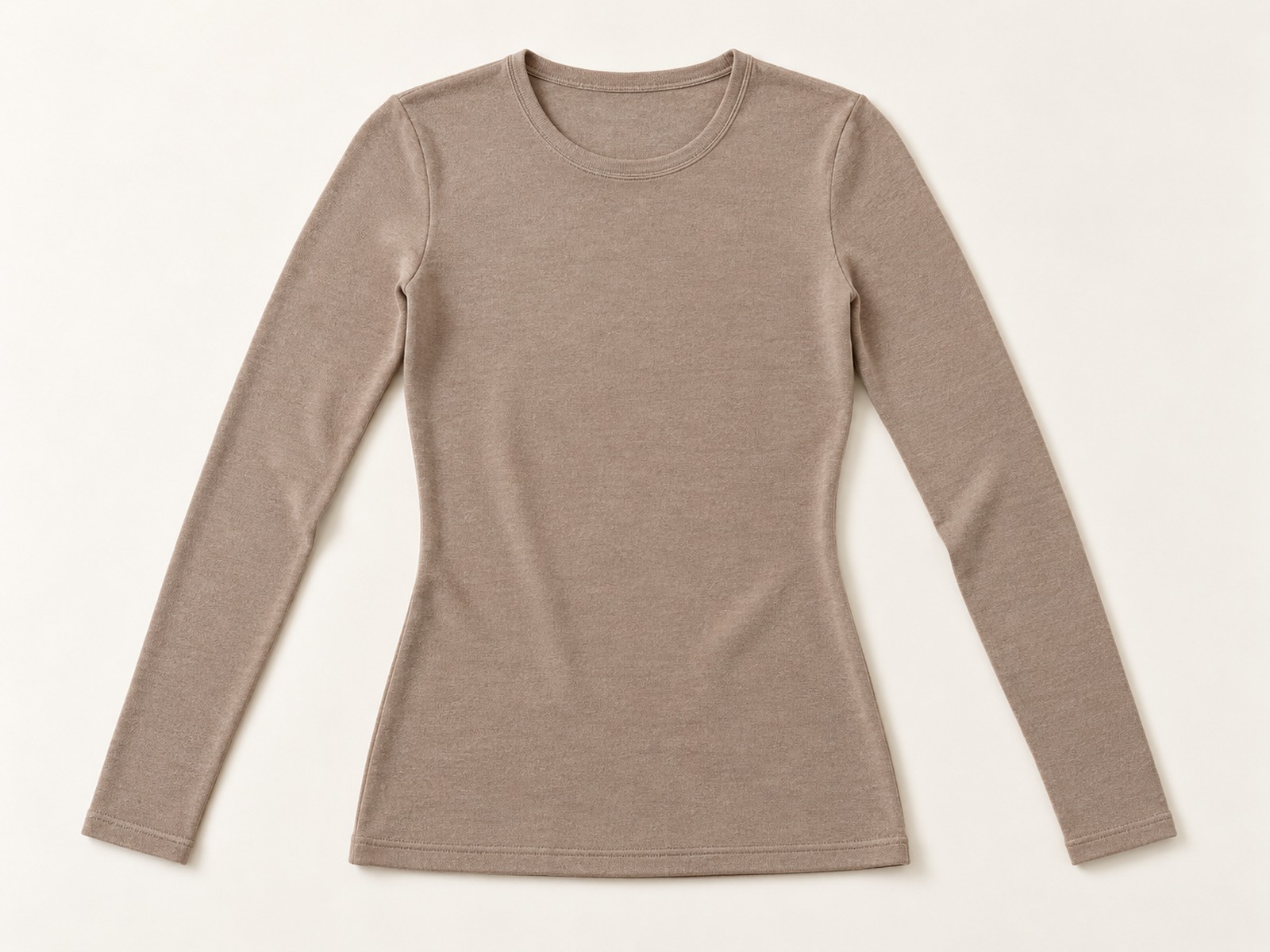
WARMTH IN A THIN LAYER
Choose 260–310 GSM brushed knit in a viscose/acrylic/spandex blend for long-sleeve thermal tops. Base layers are the most common use for brushed fabric in our library, and the brushed inside holds warmth while staying thin enough to layer.
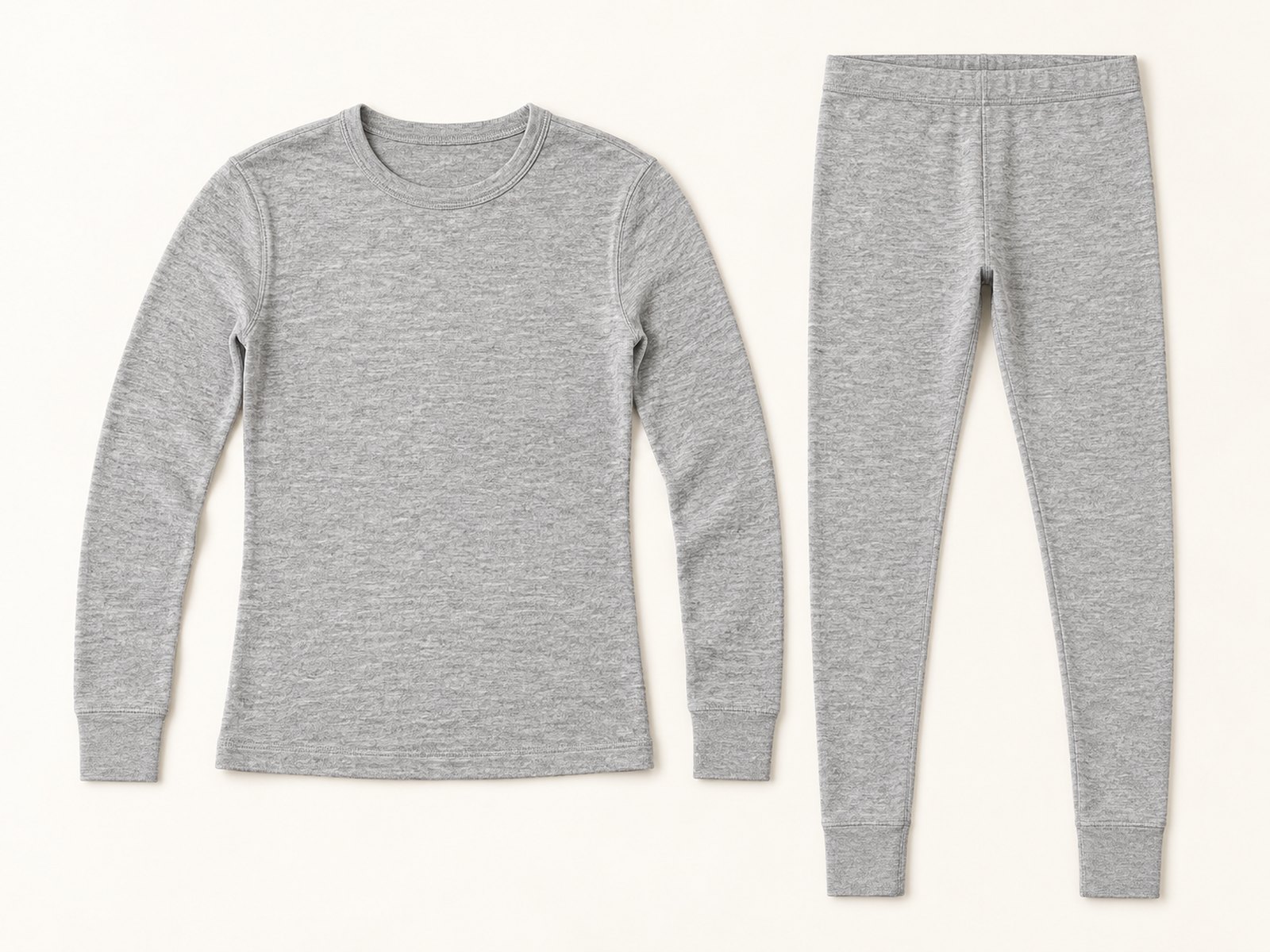
WARMTH NEXT TO THE SKIN
270–310 GSM brushed viscose blends work well for thermal underwear sets. The spandex keeps tops and leggings close to the body, and a brushed back adds warmth without the bulk of fleece.
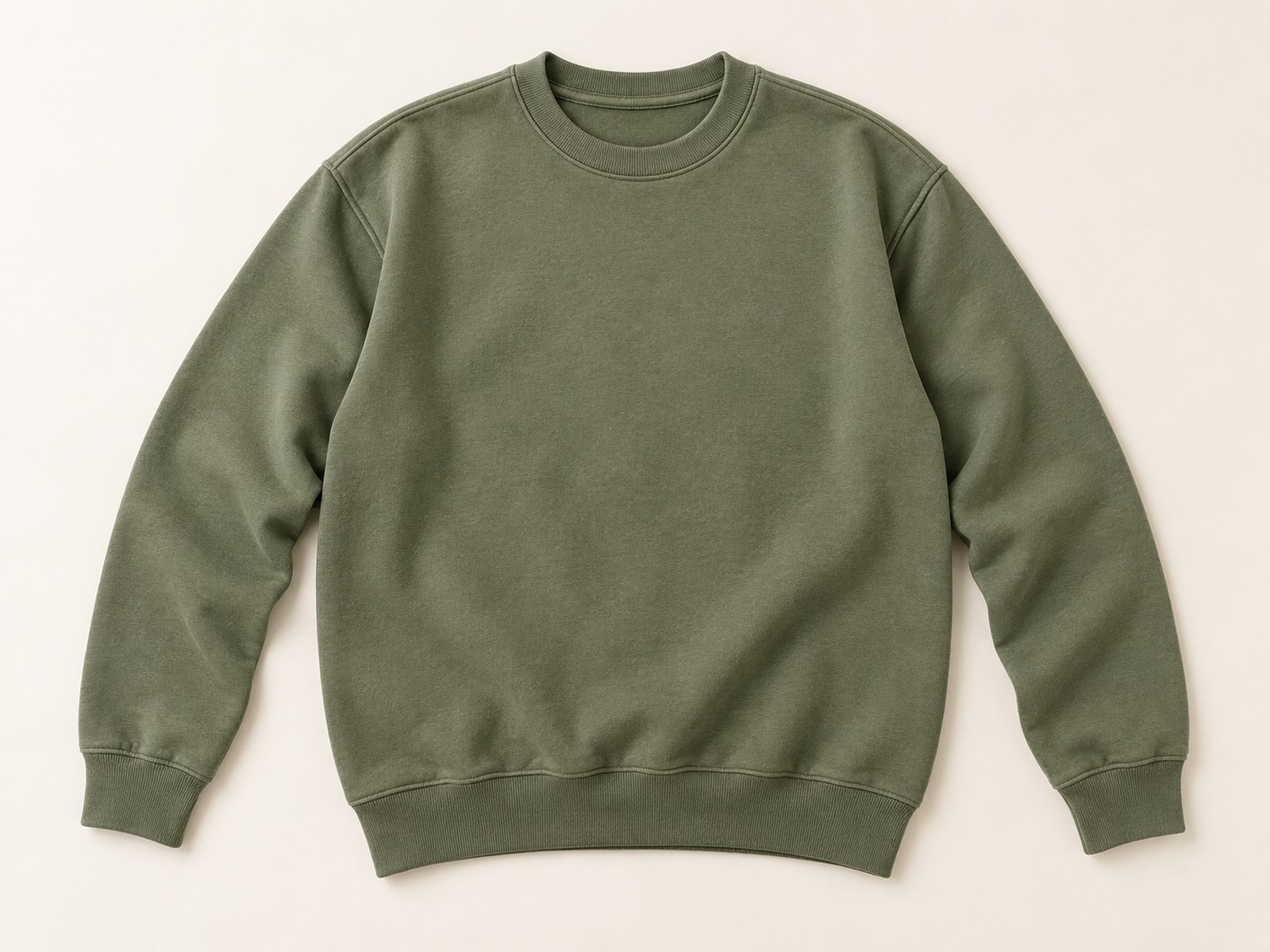
SOFT HAND, LIGHTER THAN FLEECE
For crewnecks and hoodies with a peached feel, start with 280–395 GSM cotton/polyester or pure cotton brushed knit. A brushed face gives the sweatshirt a soft, matte look that differs from the smooth face of standard sweatshirt fleece.
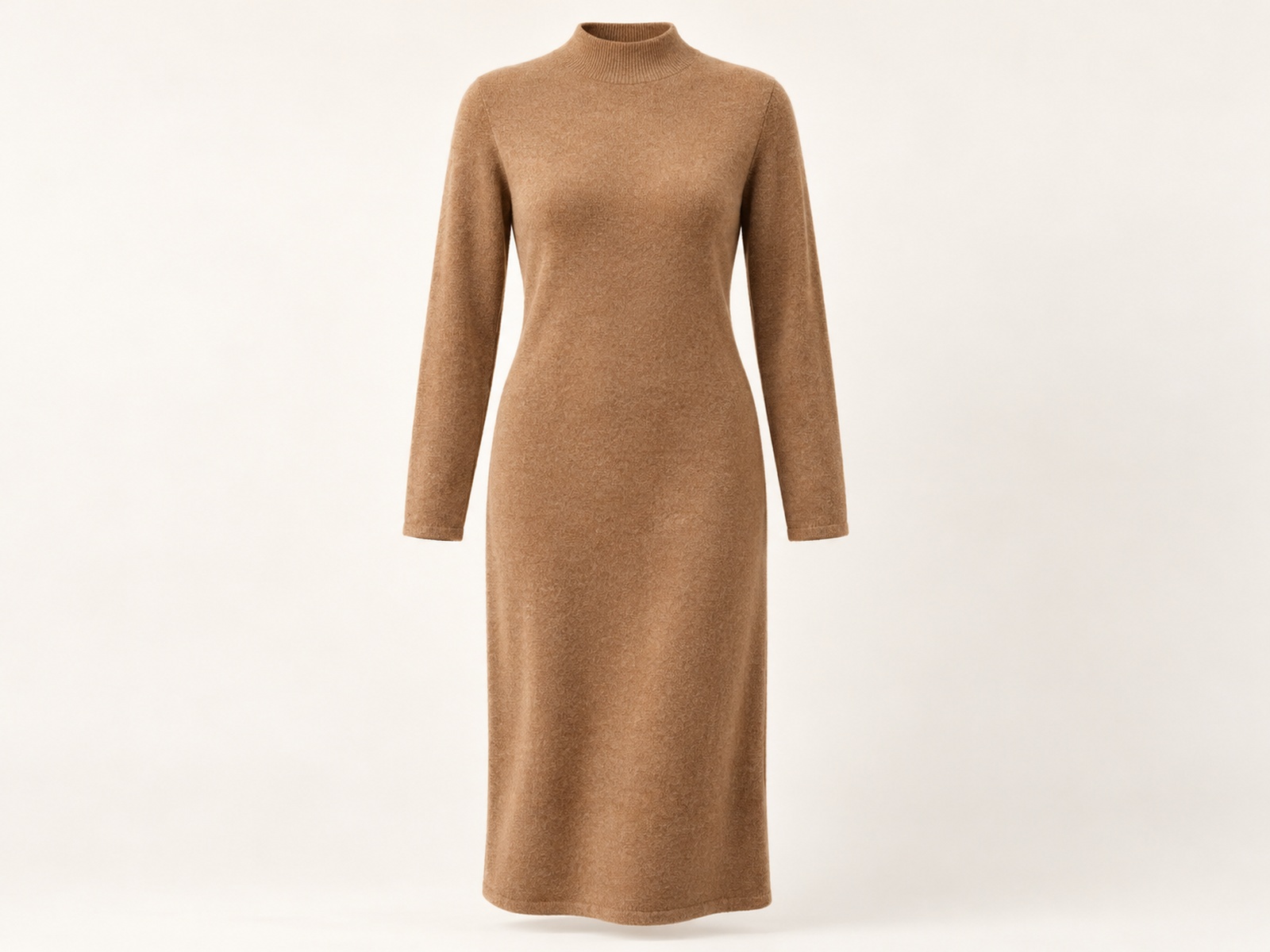
WARM DRAPE FOR WINTER
Choose 250–300 GSM brushed polyester/spandex or cotton/spandex for long-sleeve knit dresses. The nap makes a winter dress feel warm and soft, and the spandex keeps a fitted shape comfortable.
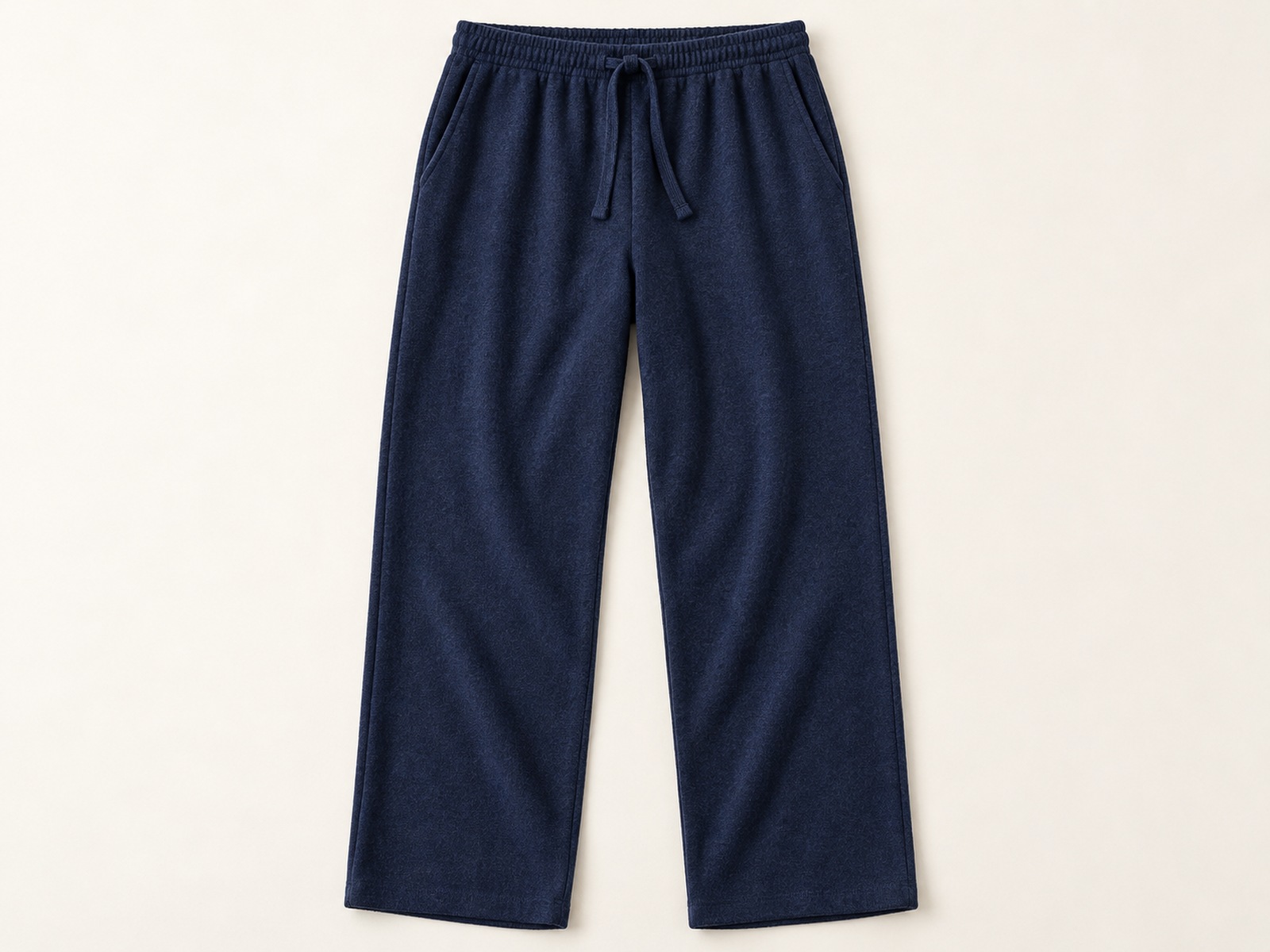
SOFT INSIDE, NEAT OUTSIDE
280–350 GSM cotton/polyester brushed knit suits relaxed trousers and joggers for autumn and winter. A brushed back keeps the inside soft against the legs, while the smooth face stays neat for everyday wear.
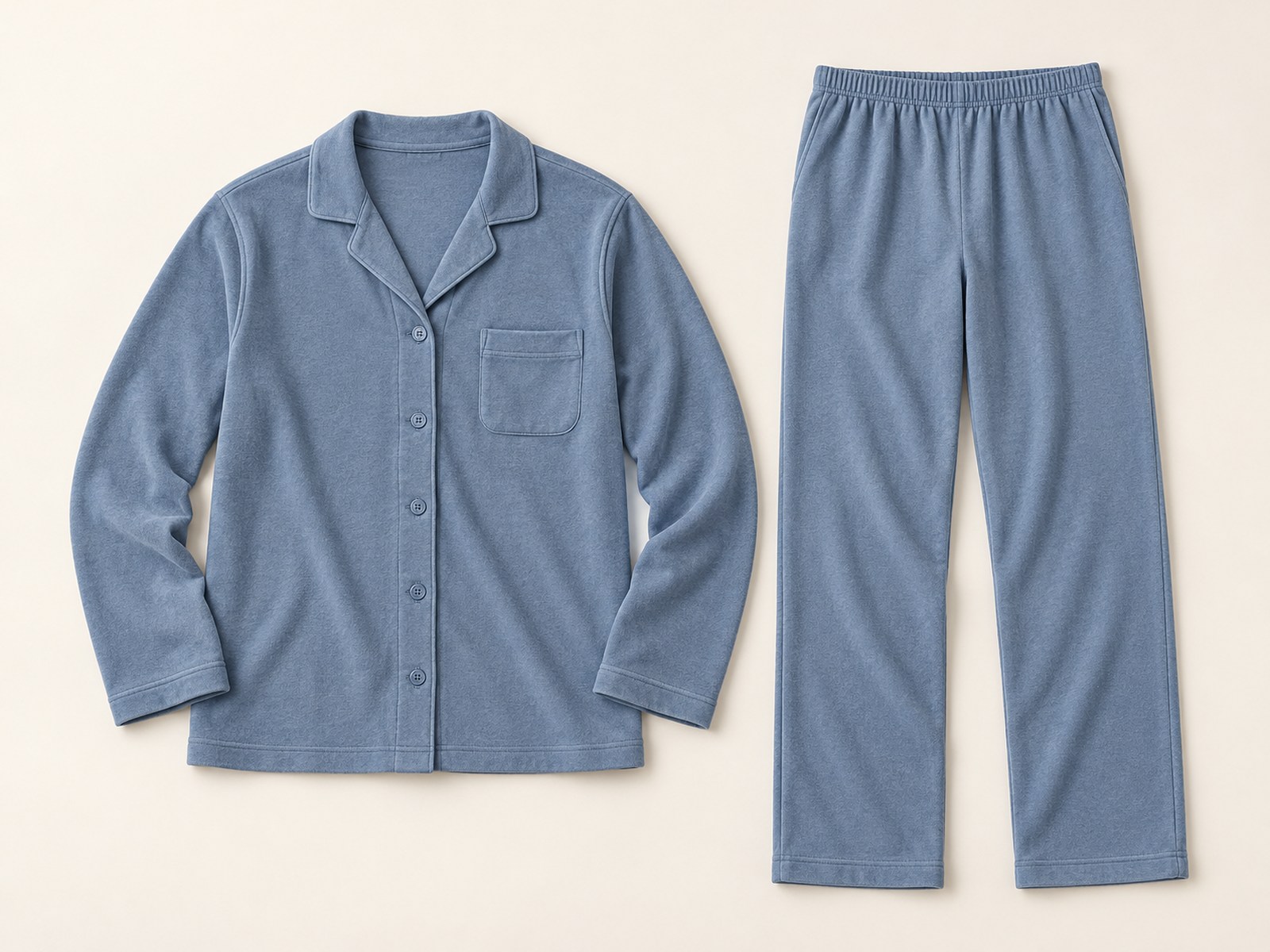
COMFORT FOR COLD NIGHTS
For pyjama sets and winter loungewear, start with 250–300 GSM brushed knit in a viscose or polyester blend. Brushing gives both a softer hand and extra warmth, which suits sleepwear for colder markets.
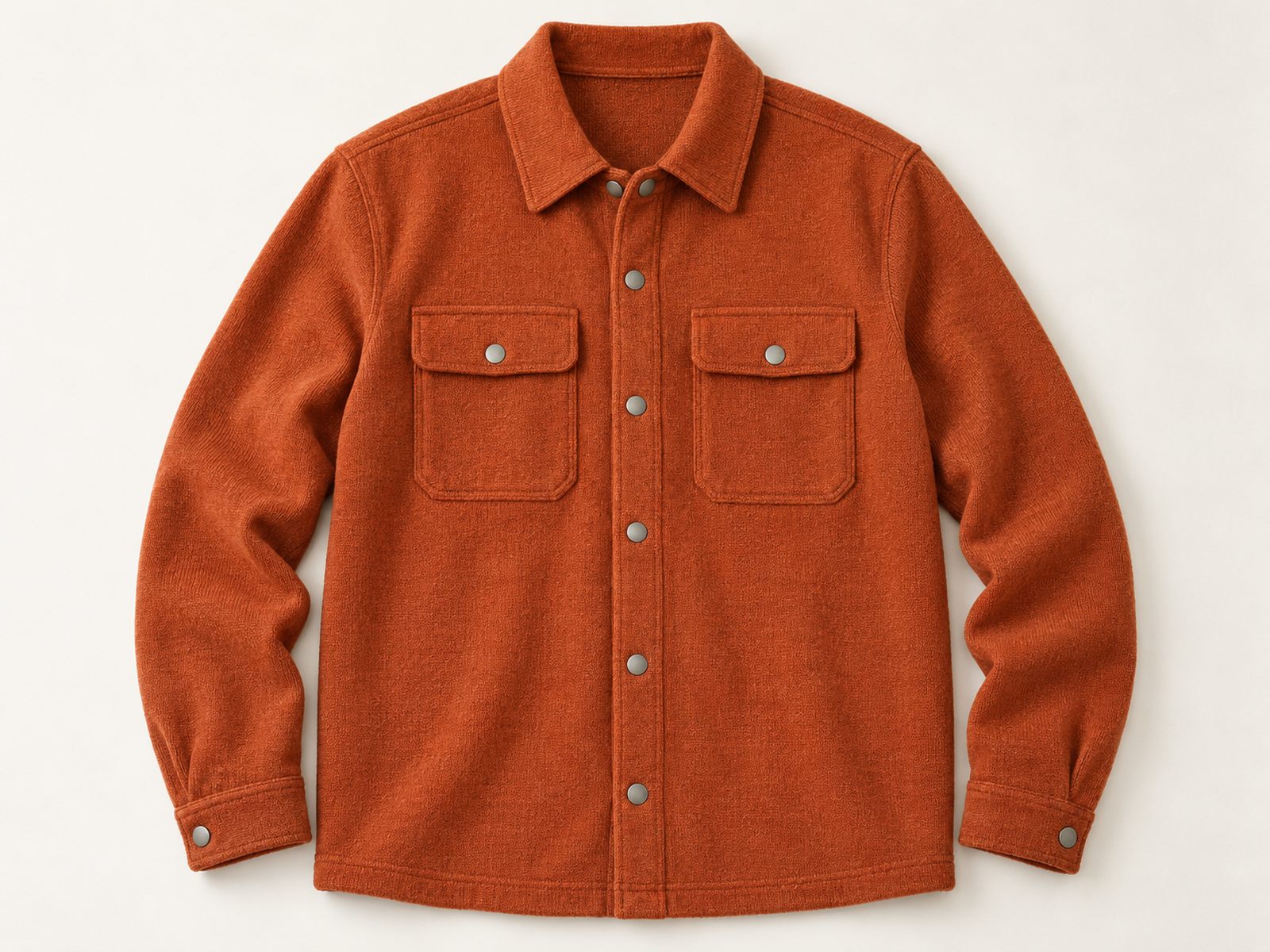
A SOFT-HANDLE OUTER LAYER
For knit jackets and overshirts, choose 280–370 GSM brushed cotton/polyester. The brushed surface softens the look of a structured jacket and gives it a worn-in hand from the first wear.

A finish. Brushing or sanding raises fibres on a jersey, rib, interlock or double knit after knitting. The same base fabric can be supplied brushed on the face, the back or both.
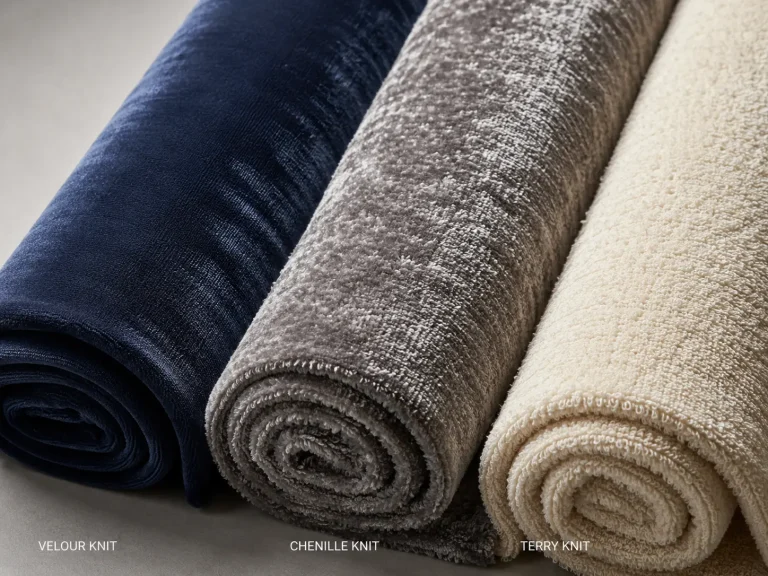
Brushed knit has a short, fine nap on a flat knit and suits close-fitting thermal tops and dresses. Fleece is a loopback knit whose back loops are brushed into a deeper nap; it is warmer and bulkier, and most of ours weigh 280–380 GSM.
Choose 260–310 GSM in a viscose/acrylic/spandex or viscose/polyester/spandex blend. These are the main thermal blends in our library; some add a small share of wool for extra warmth.
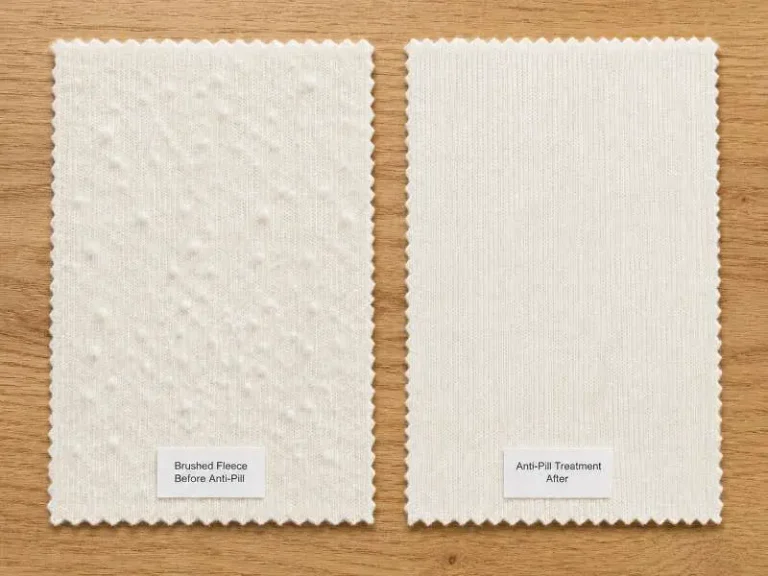
Pilling, because brushing raises fibre ends on the surface. The viscose/acrylic thermal blends at 260–350 GSM need the revolutions stated, and an anti-pilling finish is the usual option when a grade falls short. Add shrinkage after washing and, for thermal underwear worn next to the skin, perspiration fastness and pH.
Stock fabric orders start at 1 roll (~23 kg) per colour. Custom-colour orders start at 200 kg per colour.
Compare complementary fibres and knit constructions for your next apparel collection.
Read practical guides to fibre blends, garment selection and knit construction.