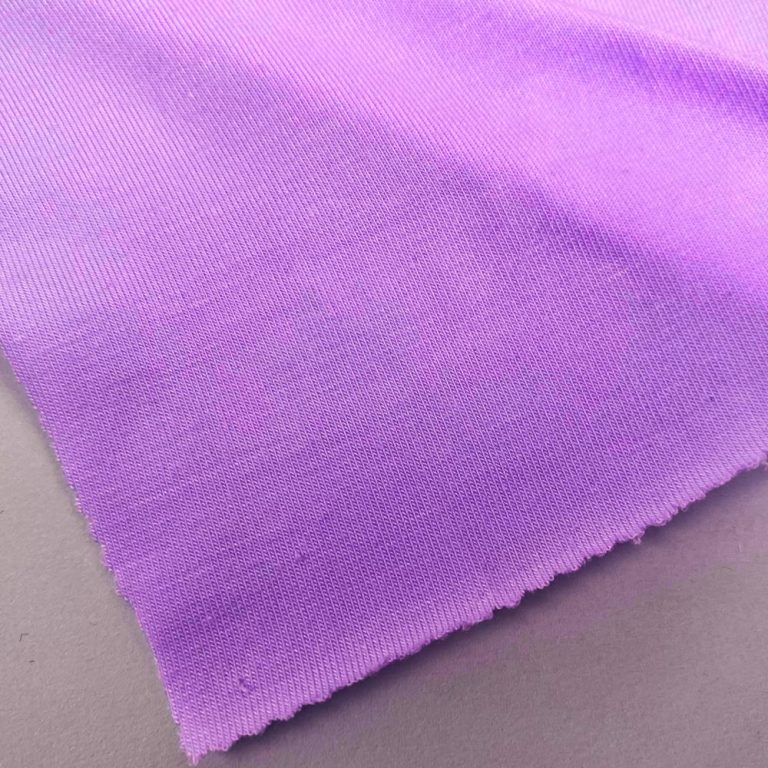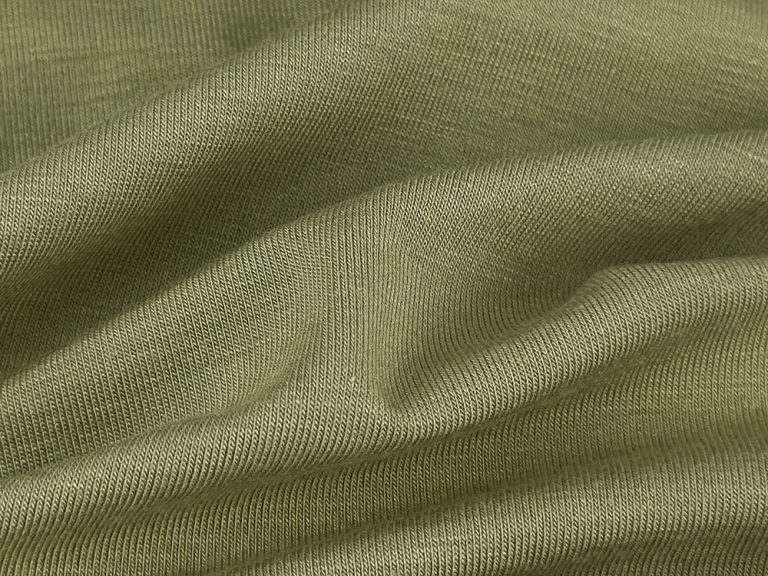
Item No.
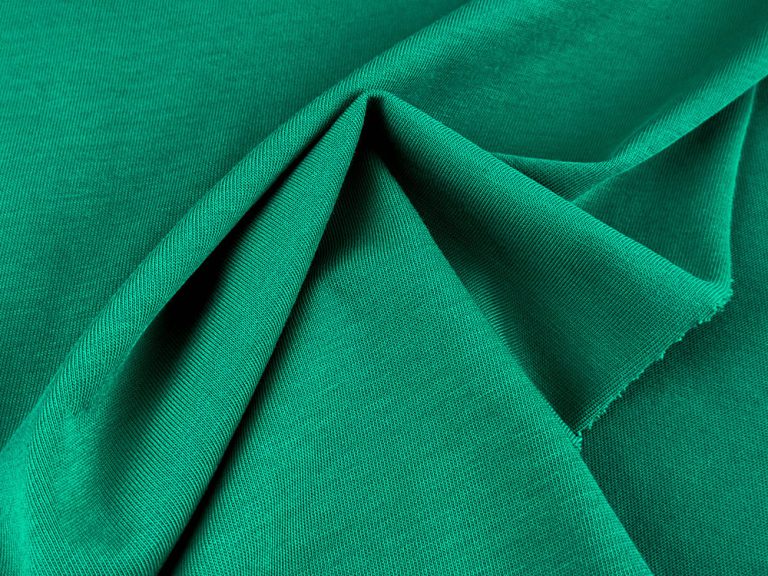
DS42006
- Composition
- 65% viscose / 28% acrylic / 7% spandex
- Weight
- 190 GSM
- Width
- 65″ (165 cm)
Knit Fabric Manufacturer Since 2009 · China

VISCOSE KNIT · FABRIC SOURCING
Runtang Textile manufactures viscose knit fabrics for draped dresses, base layers, T-shirts, camisoles, thermal tops and wide-leg trousers. Choose viscose/spandex, polyester/viscose/spandex, nylon/viscose/spandex or cotton/viscose blends in jersey, rib, double knit and brushed knits. Stock orders start at 1 roll (~23 kg) per colour; custom colours start at 200 kg per colour.
Viscose Knit Fabric for apparel brands, garment manufacturers and fabric sourcing teams.
Explore our online viscose and viscose-blend knit range, backed by a library of 875 options.
Item No.
Item No.
Item No.
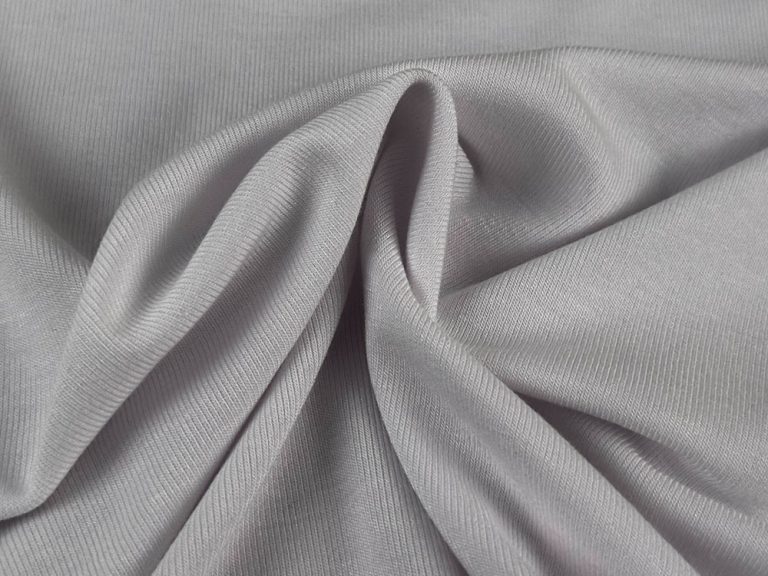
Item No.
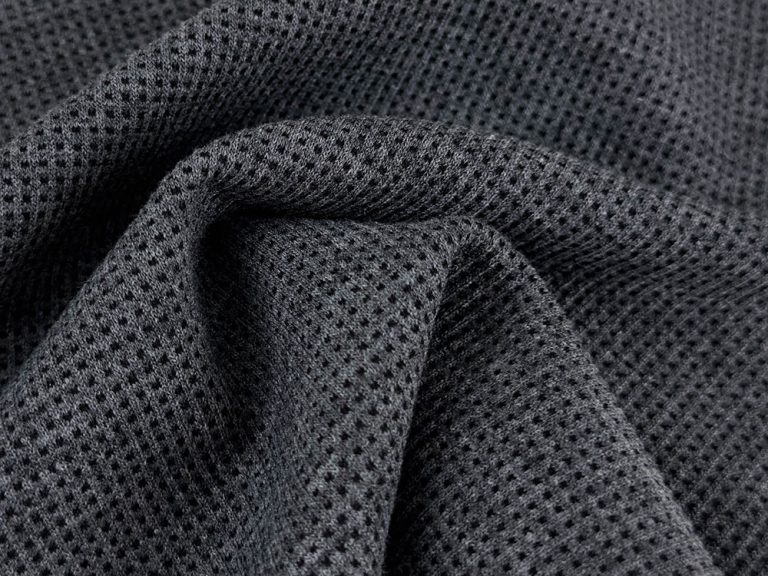
Item No.
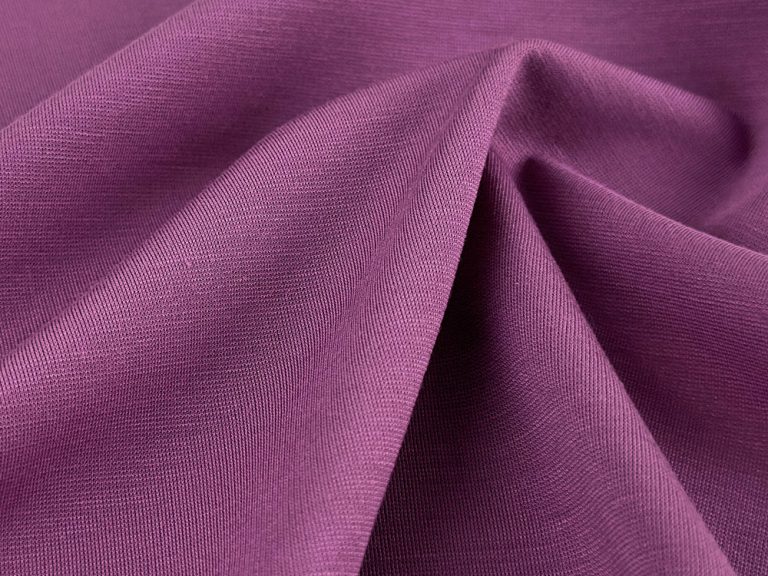
Item No.
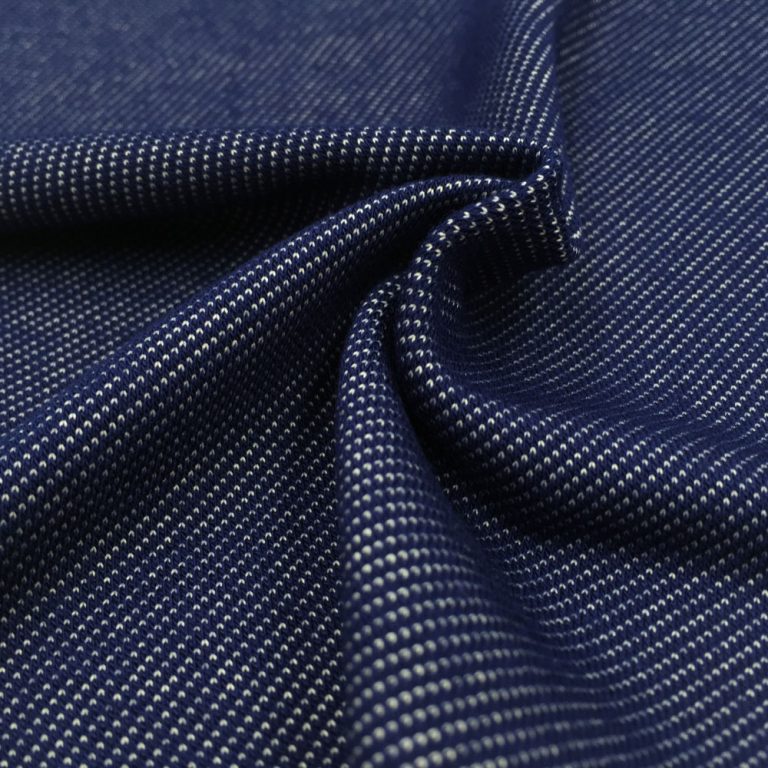
Item No.
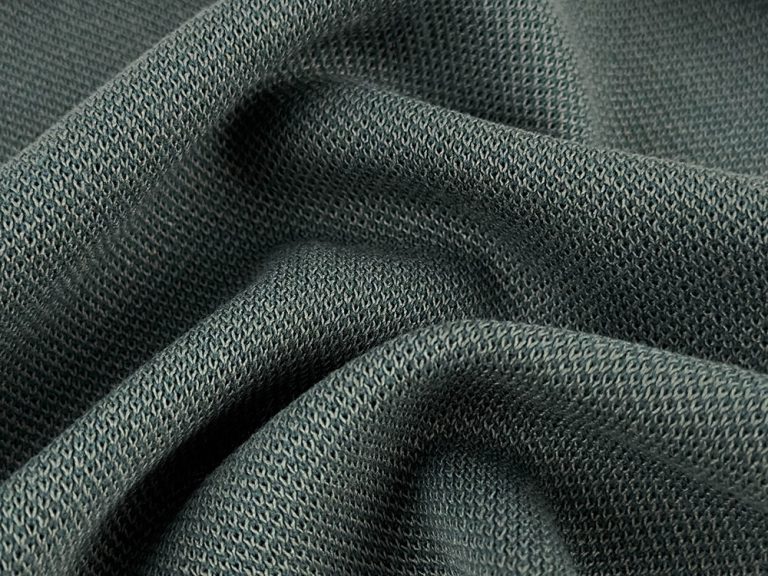
Item No.
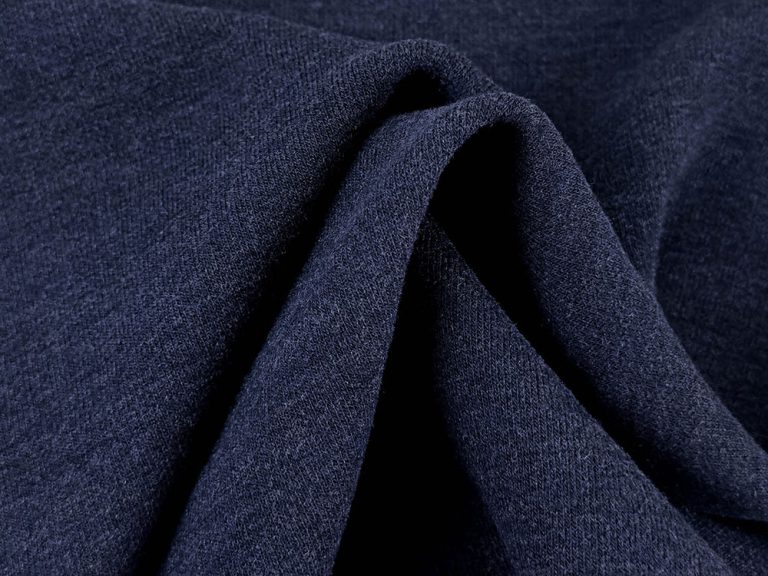
Item No.
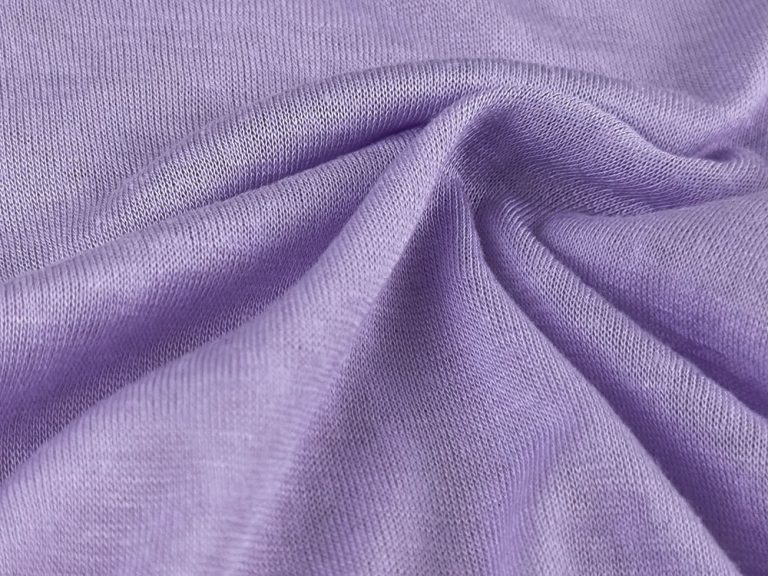
Item No.
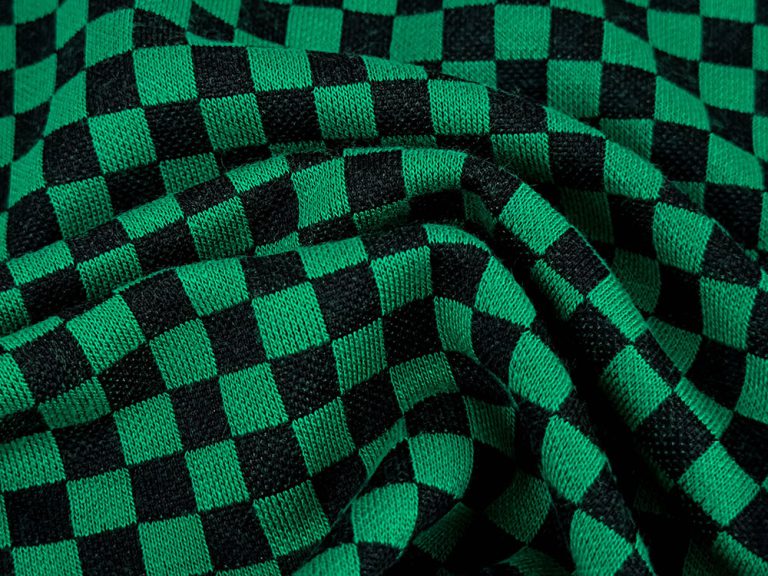
Item No.
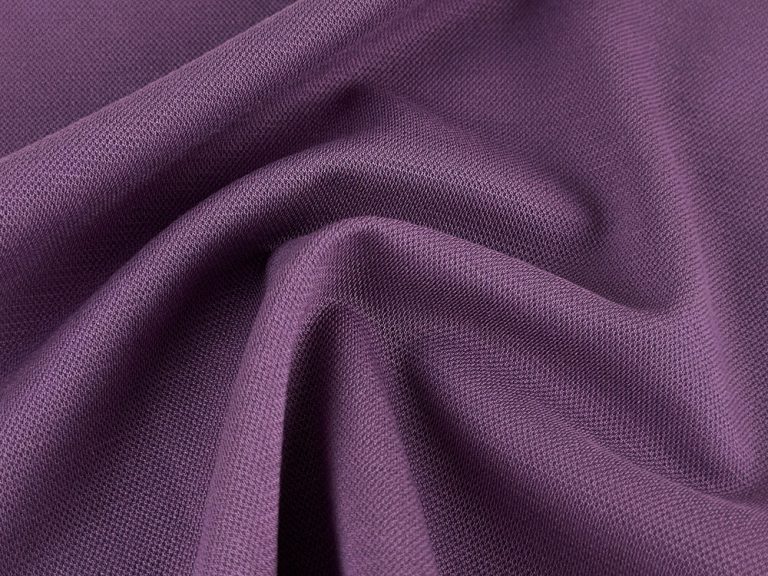
Item No.
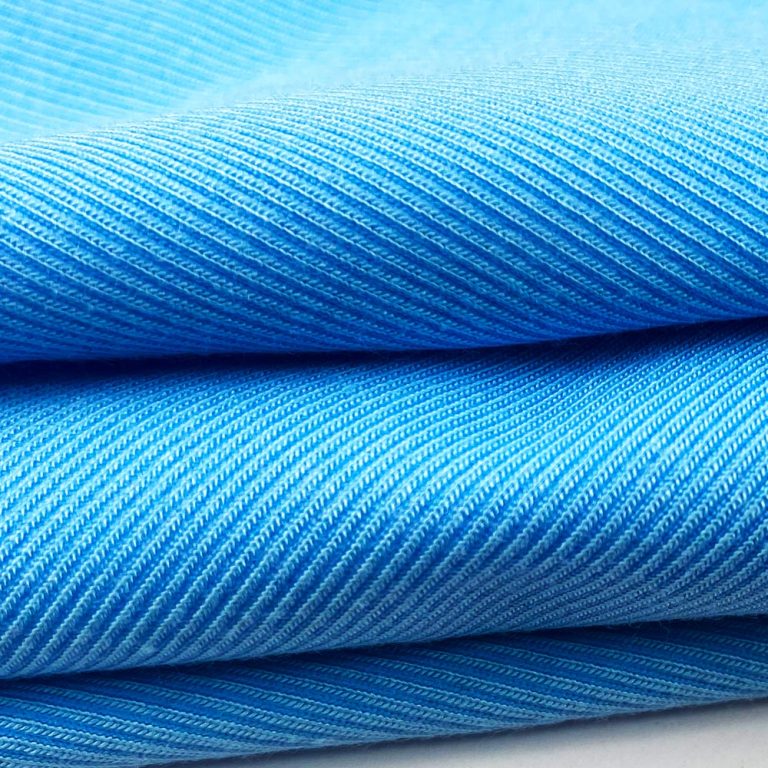
Item No.
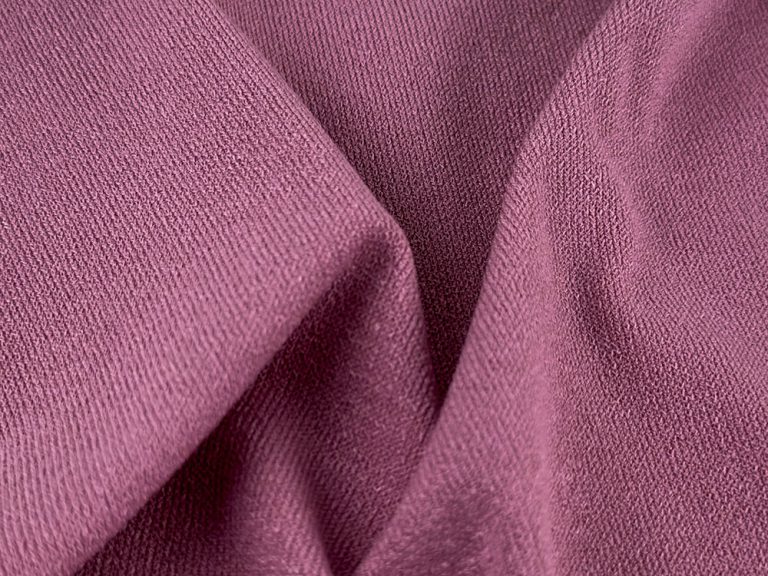
Item No.
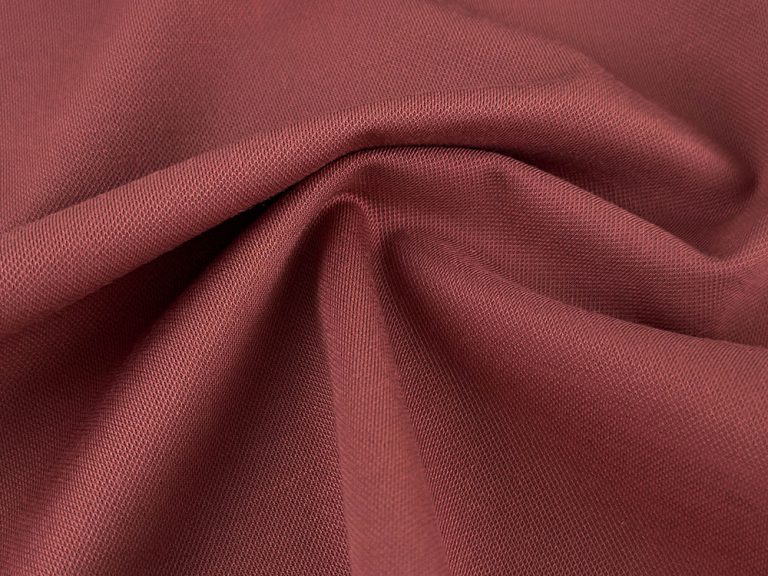
Item No.
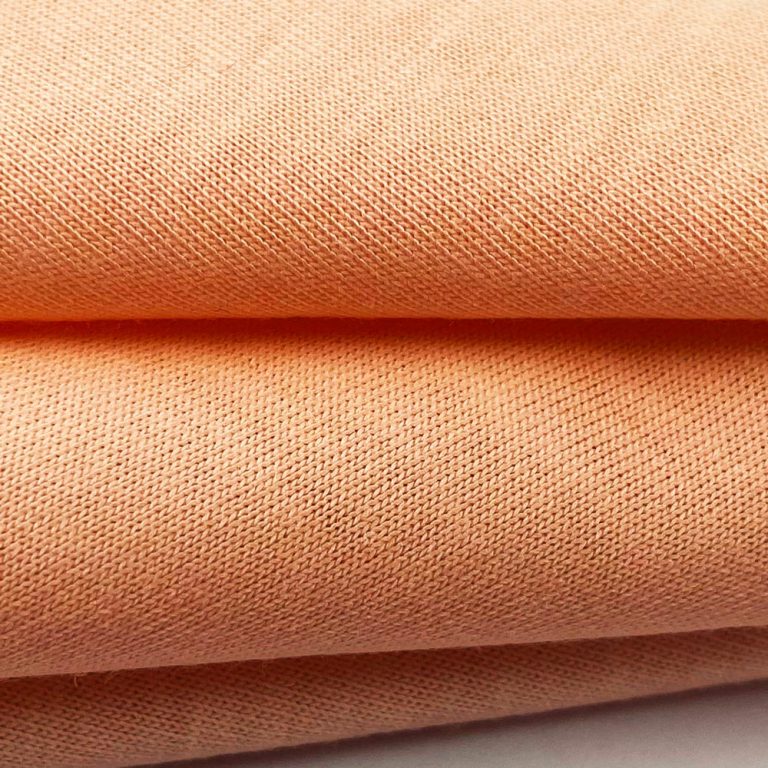
Item No.
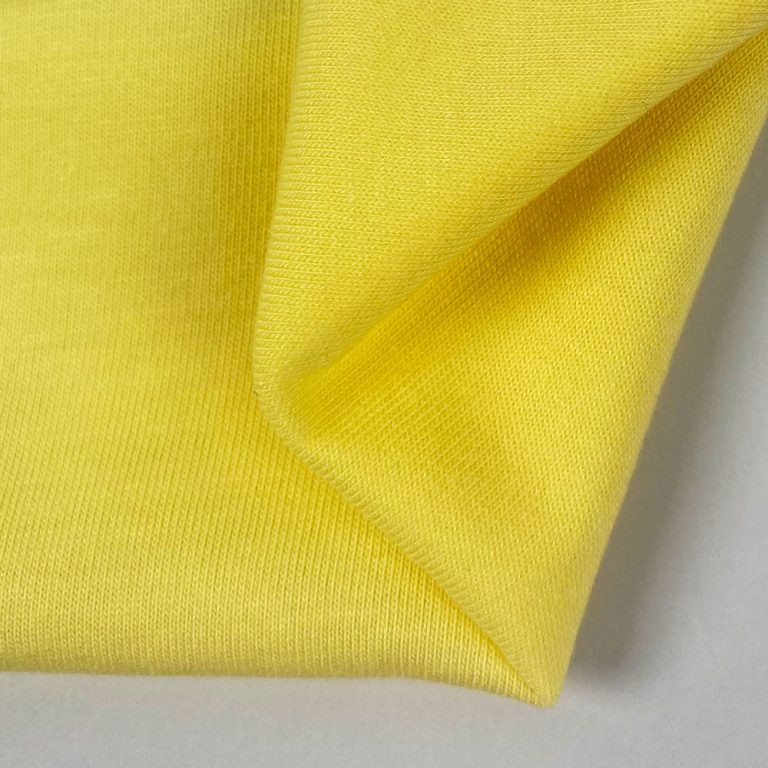
Item No.
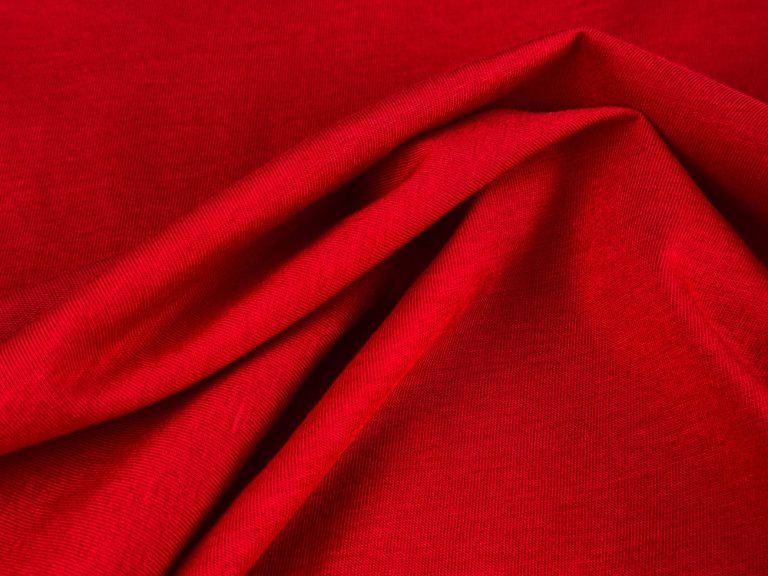
Item No.
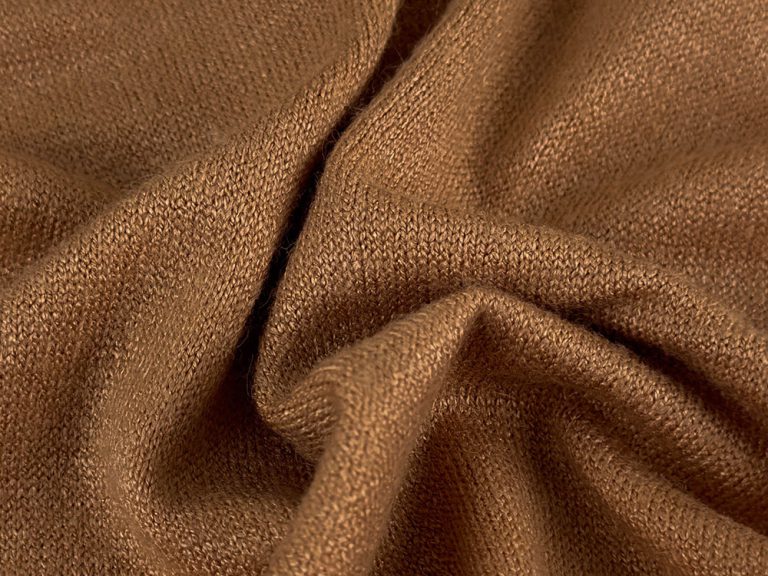
Item No.
Item No.
| Item | Composition | Weight | Width | Details |
|---|---|---|---|---|
| DS42006 | 65% viscose / 28% acrylic / 7% spandex | 190 GSM | 65″ (165 cm) | View specifications |
| DS42014 | 65% viscose / 27% polyester / 8% spandex | 220 GSM | 68.9″ (175 cm) | View specifications |
| LM18001 | 65% viscose / 29% nylon / 6% spandex | 220 GSM | 63″ (160 cm) | View specifications |
| KF1193 | 65% viscose / 30% polyester / 5% spandex | 260 GSM | 68.9″ (175 cm) | View specifications |
| GG14007 | 65% viscose / 28% nylon / 7% spandex | 380 GSM | 61″ (155 cm) | View specifications |
| LM18004 | 63.2% viscose 29.2% nylon 7.2% spandex | 210 GSM | 59.1″ (150 cm) | View specifications |
| KF774 | 60% viscose / 35% polyester / 5% spandex | 190 GSM | 66/68″ (168/173 cm) | View specifications |
| ZD37003 | 60% viscose / 40% polyester | 320 GSM | 59.1″ (150 cm) | View specifications |
| KF2027 | 59.6% viscose / 22.7% acrylic / 3% silk / 14.7% spandex | 320 GSM | 65″ (165 cm) | View specifications |
| ZJ2144 | 59% viscose / 41% polyester | 120 GSM | 68.9″ (175 cm) | View specifications |
| GG14009 | 58% viscose / 42% polyester | 220 GSM | 70.9″ (180 cm) | View specifications |
| ZD2224 | 34% nylon / 57% viscose / 9% spandex | 230 GSM | 61″ (155 cm) | View specifications |
| KF3267 | 54% viscose / 40% nylon / 6% spandex | 210 GSM | 62/64″ (157/163 cm) | View specifications |
| LW26039 | 53% viscose / 42% polyester / 5% spandex | 260 GSM | 68.9″ (175 cm) | View specifications |
| ZD37001 | 41% cotton / 51% viscose / 8% spandex | 210 GSM | 61″ (155 cm) | View specifications |
| KF3271 | 50% Lenzing viscose / 50% cotton | 130 GSM | 67/69″ (170/175 cm) | View specifications |
| KF3273 | 50% viscose / 50% cotton | 150 GSM | 76/78″ (193/198 cm) | View specifications |
| KF2004 | 50% viscose / 50% cotton | 130 GSM | 66.9″ (170 cm) | View specifications |
| DS2192 | 31% polyester / 19% nylon / 50% viscose | 200 GSM | 57.1″ (145 cm) | View specifications |
| KF2006 | 50% viscose / 50% cotton | 200 GSM | 72.8″ (185 cm) | View specifications |
Our fabric library includes 875 viscose and viscose-blend knit options. Contact us for more compositions, weights and colours for your collection.
Viscose knit fabric is made wholly or partly from viscose, a regenerated cellulose fibre produced from wood pulp and also called rayon. Viscose has a soft, cool hand, a slight sheen and a fluid drape, and it absorbs moisture and takes dye well, so colours look rich. That makes it a favourite for dresses, camisoles and soft base layers. In our library, viscose is most often knitted as double knit, rib and brushed knit, and most viscose qualities weigh 220–300 GSM. Polyester/viscose/spandex is the largest blend; our online collection is led by 95% viscose / 5% spandex jersey. Viscose is weaker when wet and can shrink more than cotton, so blends with polyester or nylon are used where shape and durability matter, and a shrinkage check on the selected fabric is important.
Viscose/spandex gives the softest drape; polyester and nylon blends add stability for trousers and structured dresses.
| Fabric type | Fabric examples | Apparel applications |
|---|---|---|
| Viscose/spandex | 150–260 GSM, such as KF636 (95% viscose / 5% spandex) at 160 GSM and SS36006 at 260 GSM | Camisoles, base layers, dresses and loungewear |
| Polyester/viscose/spandex | 220–300 GSM | Dresses, base layers, trousers and sweat tops |
| Nylon/viscose/spandex | 230–350 GSM | Smart trousers, dresses and ponte separates |
| Viscose/cotton/acrylic/spandex blends | 260–300 GSM, often brushed | Thermal tops and warm base layers |
Choose 150–200 GSM viscose/spandex for camisoles and light T-shirts, 200–270 GSM for dresses, 220–300 GSM for base layers, 260–300 GSM brushed blends for thermal tops, and 250–340 GSM for trousers.
Below 200 GSM
34 qualities
200–299 GSM
68 qualities
300 GSM and above
32 qualities
Viscose, modal and lyocell are all regenerated cellulose fibres. Compare drape, strength and feel before choosing.
| Feature | Viscose Knit | Modal Knit | Lyocell Knit |
|---|---|---|---|
| Fibre | Regenerated cellulose from wood pulp | Regenerated cellulose with higher wet strength | Regenerated cellulose made by solvent spinning |
| Hand and drape | Soft, cool and very fluid | Very soft and smooth | Smooth, cool and slightly crisp |
| Wet strength and shrinkage | Lower; check shrinkage | Higher than viscose | Higher than viscose |
| Typical weights in our library | 220–300 GSM | 180–300 GSM | 160–230 GSM |
| Typical garments | Dresses, camisoles and base layers | Underwear, tees and loungewear | Tees, dresses and shirts |
Xiwen Zhang, our co-founder and CEO, recommends these viscose weights and blends for the soft, fluid garments our customers develop most often, drawing on our knit fabric experience since 2009.
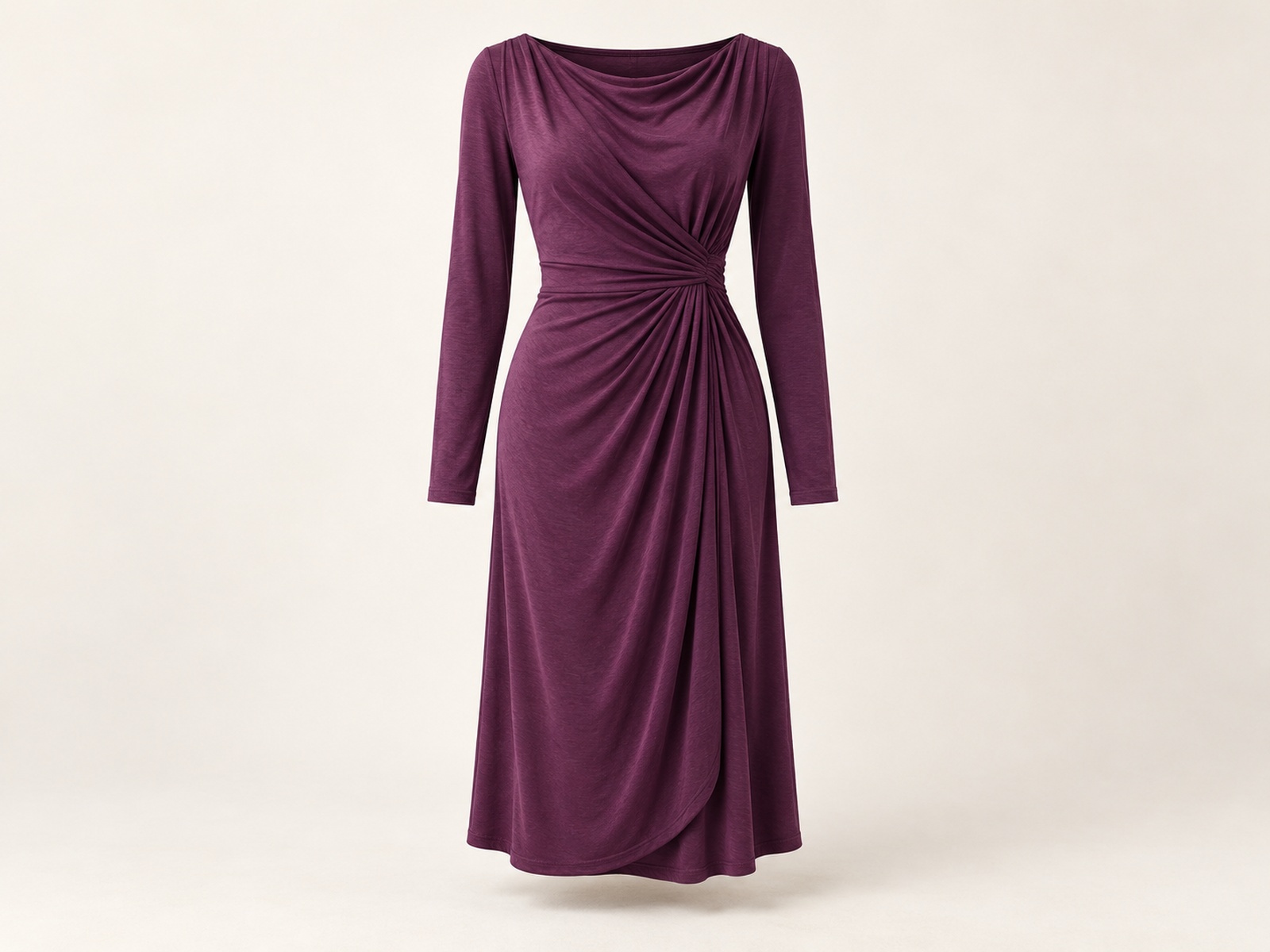
FLUID AND FLATTERING
Choose 207–272 GSM viscose blends for draped and fitted dresses. Viscose gives the fluid fall and rich colour that dresses need, and polyester in the blend helps the dress keep its length and shape after washing.
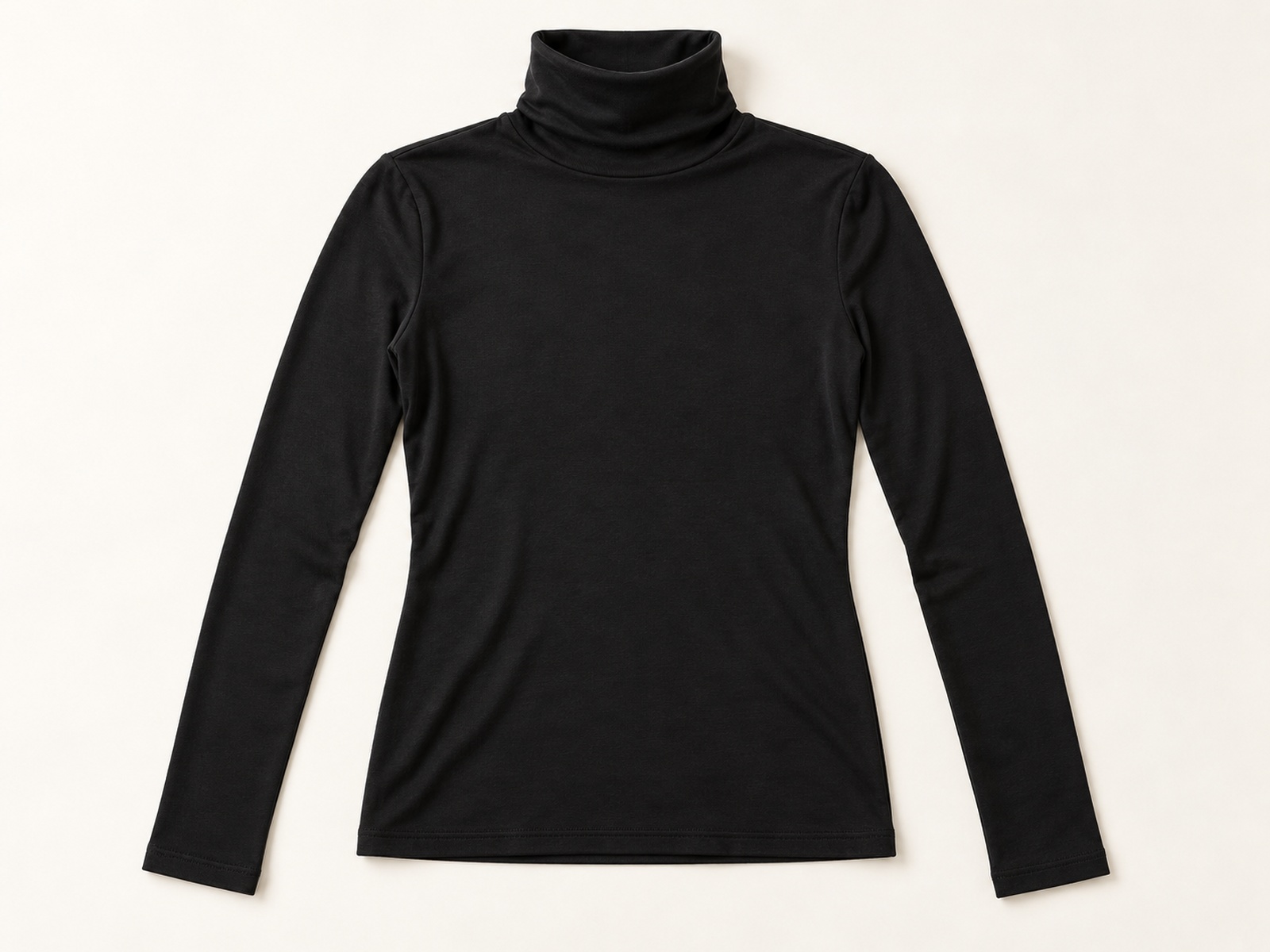
SOFTNESS AGAINST THE SKIN
220–300 GSM viscose blends work well for base layers and fitted long-sleeve tops. Base layers are the largest use for viscose in our library; the viscose keeps the fabric soft and cool, and spandex keeps the fit close.
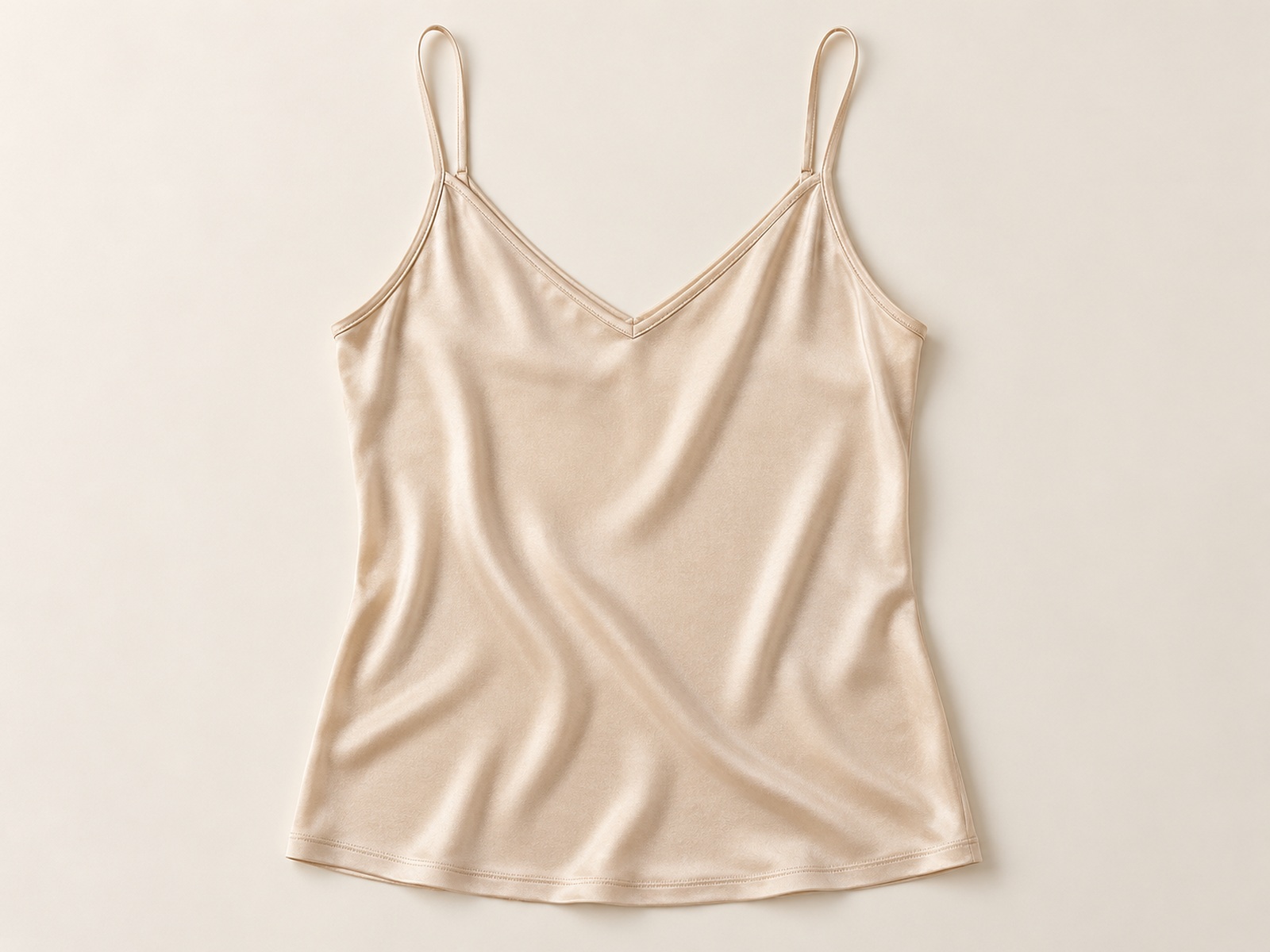
THE CLASSIC VISCOSE LAYER
For camisoles and tank tops, look for 180–260 GSM viscose/spandex, typically 95% viscose and 5% spandex. It has a slight sheen and a soft drape that make simple camisoles look refined.
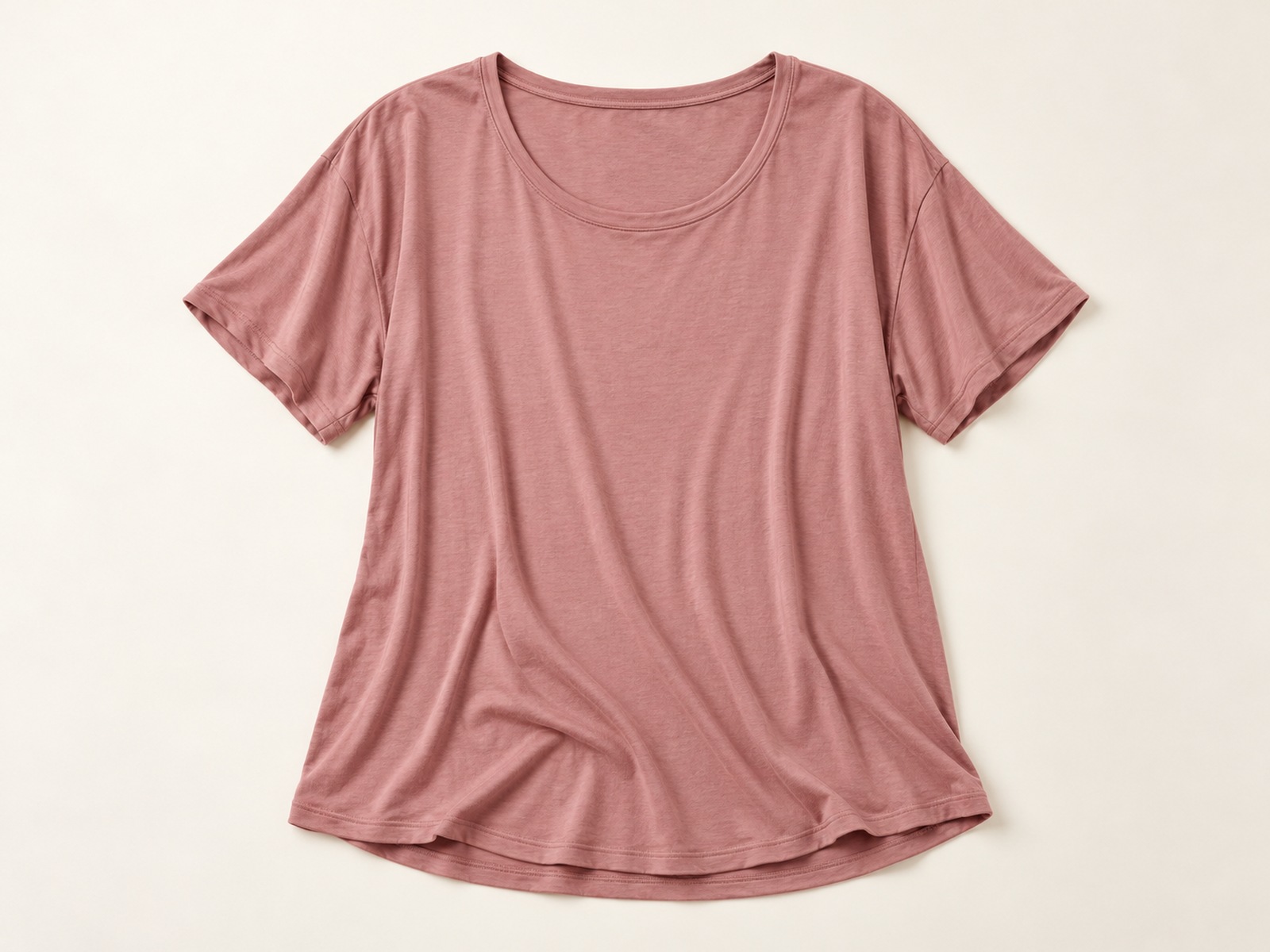
A SOFTER DRAPE FOR TEES
Choose 170–257 GSM viscose/spandex or polyester/viscose for relaxed and drapey T-shirts. Viscose gives a cooler, more fluid tee than cotton, which suits loose and boxy shapes for warm weather.
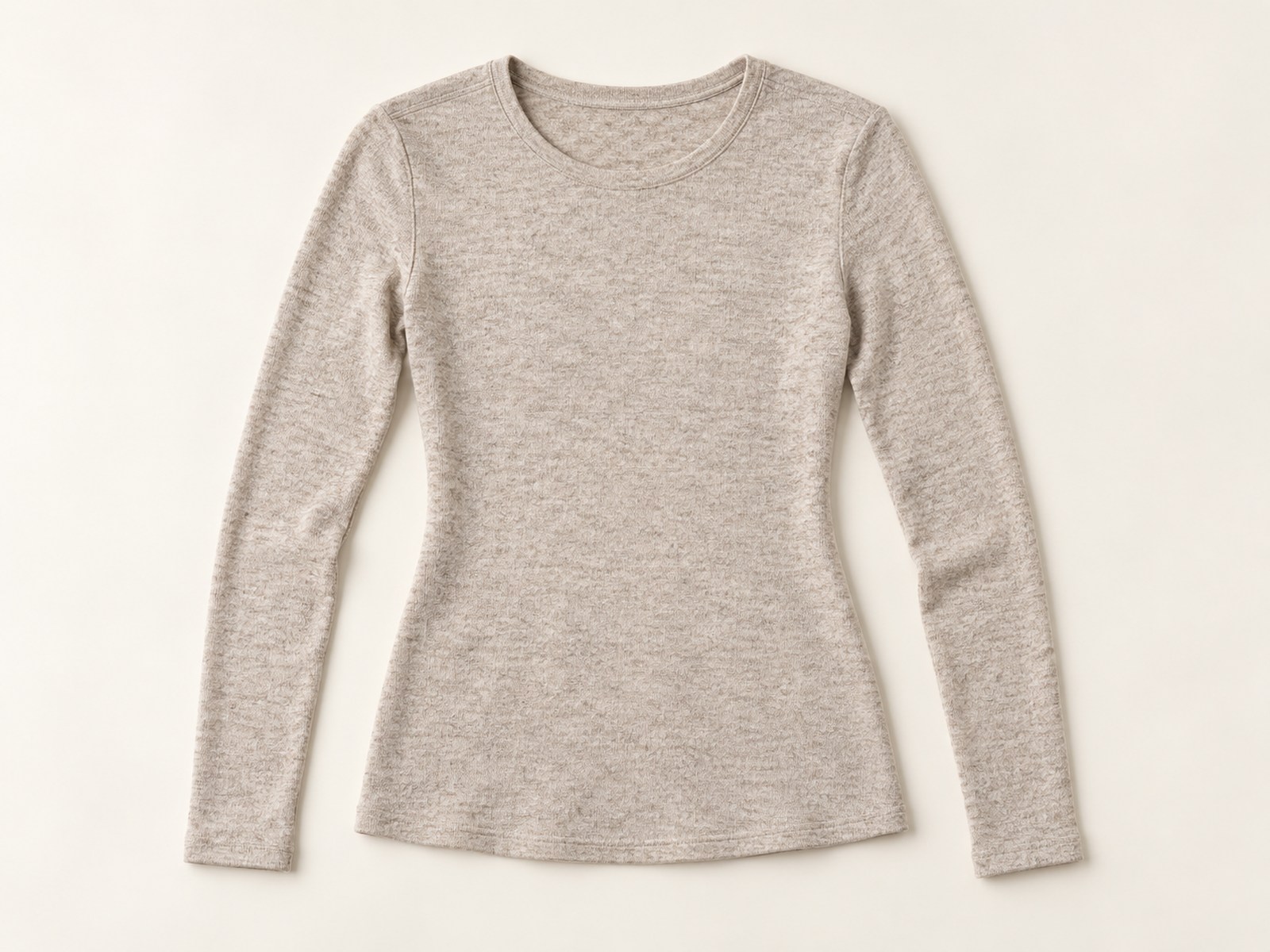
WARMTH WITHOUT BULK
260–300 GSM brushed viscose blends work well for thermal tops and warm base layers. Brushing raises a soft inner surface that holds warmth, while viscose keeps the face smooth and slim under other layers.
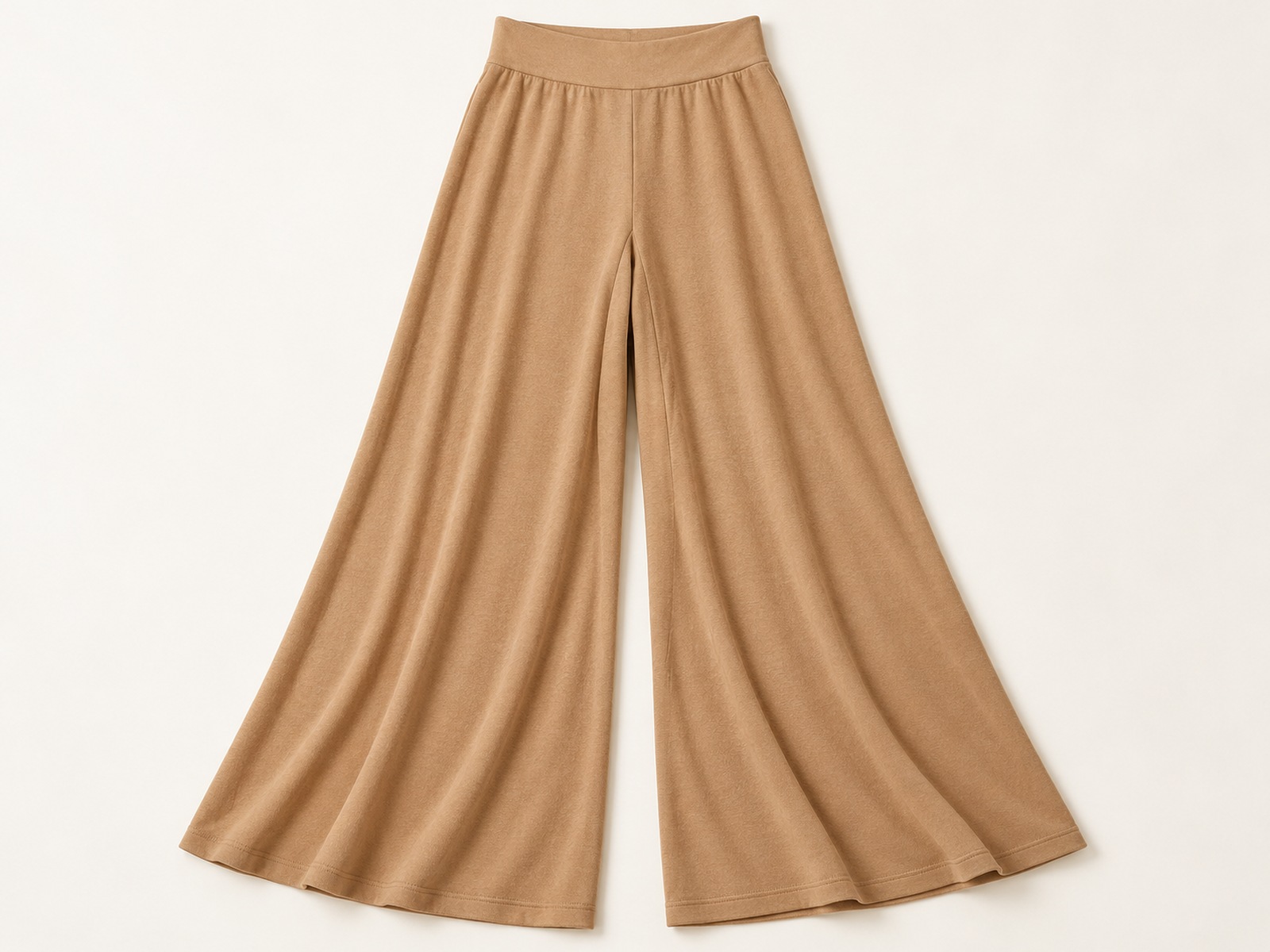
FLUID WIDTH, STEADY SHAPE
For wide-leg and palazzo trousers, start with 250–340 GSM viscose blends with polyester or nylon. The viscose gives movement, and the synthetic share keeps the trousers from growing in length during wear.
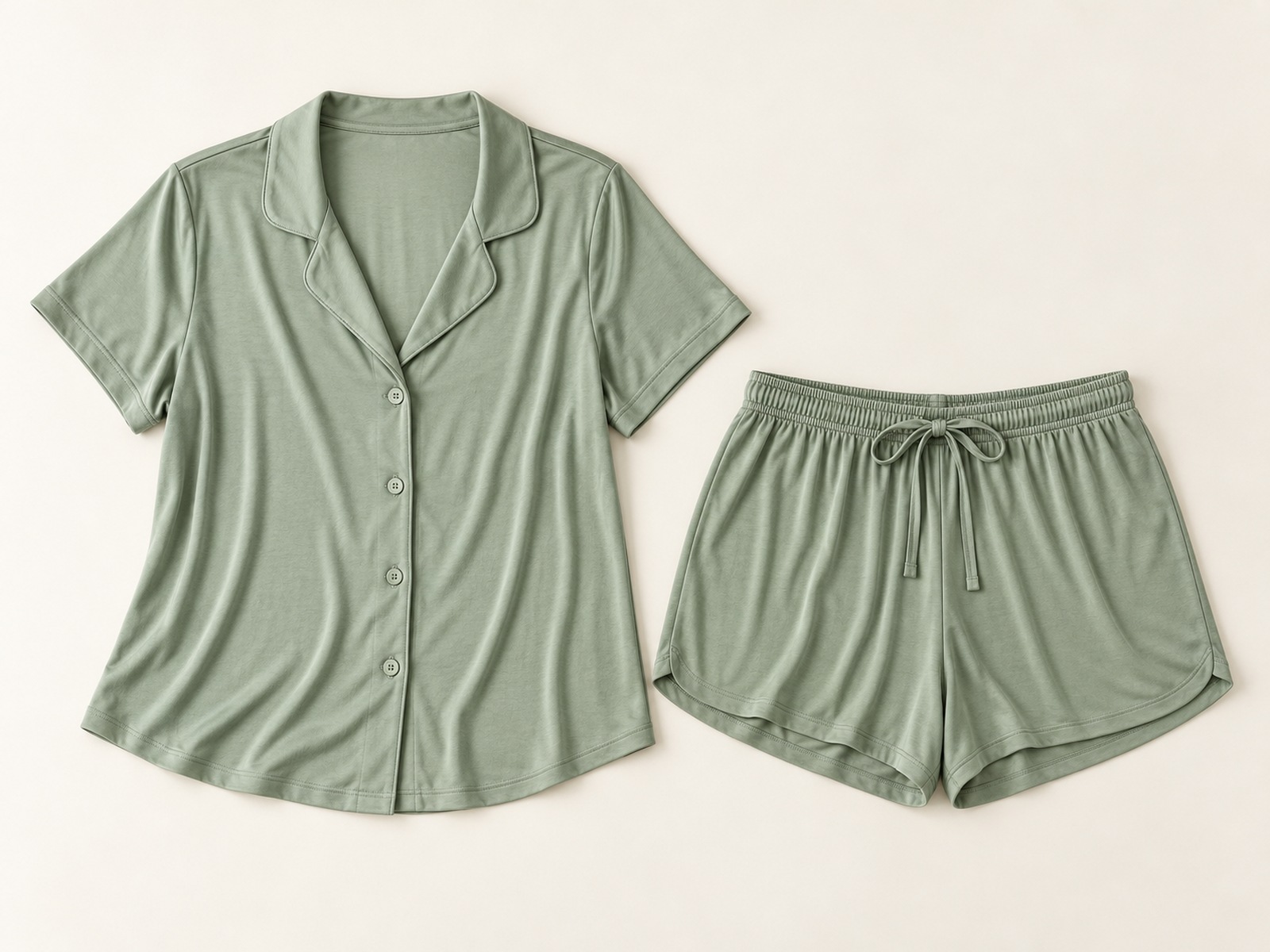
COOL COMFORT FOR NIGHTS
Choose 180–260 GSM viscose/spandex for sleep sets and loungewear. It feels cool and silky against the skin and drapes softly in relaxed shapes.

Viscose is a type of rayon, and the two names are often used for the same fibre. Rayon is the common term in the United States; viscose is more common in Europe and Asia. Both are regenerated cellulose made from wood pulp.
Spandex gives viscose jersey stretch and recovery, so camisoles, tees and fitted dresses keep their shape. Most viscose jersey in our online collection is 95% viscose / 5% spandex.
Viscose can shrink more than cotton and is weaker when wet, so check shrinkage on a sample of the selected fabric and follow its care instructions. Blends with polyester or nylon are more stable for trousers and fitted garments.
Beyond shrinkage, check washing fastness on dark and bright viscose shades, and pilling on the brushed viscose thermal blends at 260–300 GSM. For base layers and loungewear worn next to the skin, add perspiration fastness in both solutions and pH.
Stock fabric orders start at 1 roll (~23 kg) per colour. Custom-colour orders start at 200 kg per colour.
Compare complementary fibres and knit constructions for your next apparel collection.
Read practical guides to fibre blends, garment selection and knit construction.