Knit Fabric Manufacturer Since 2009 · China
Knit Fabric Manufacturer Since 2009 · China

INTERLOCK KNIT · FABRIC SOURCING
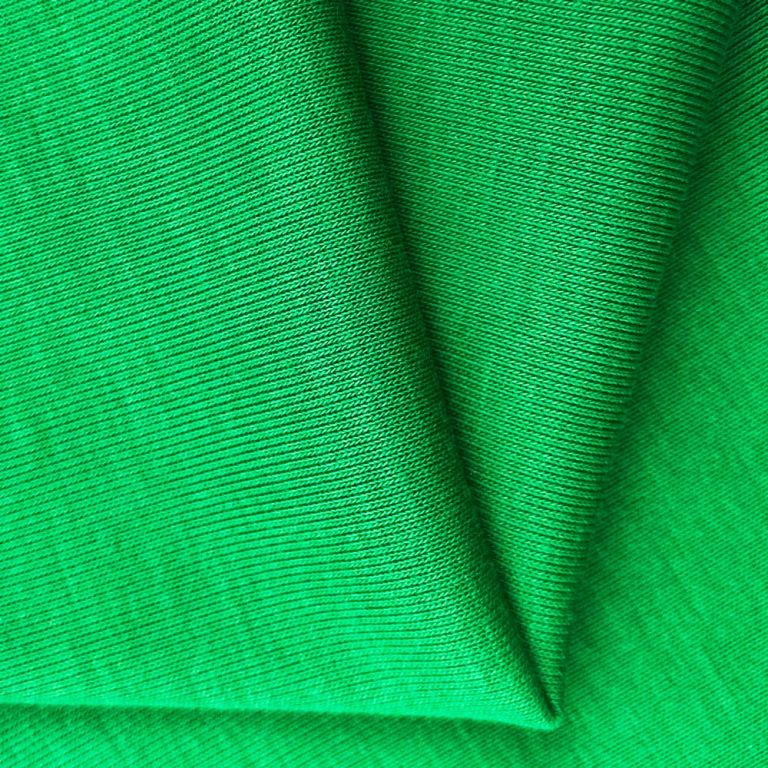
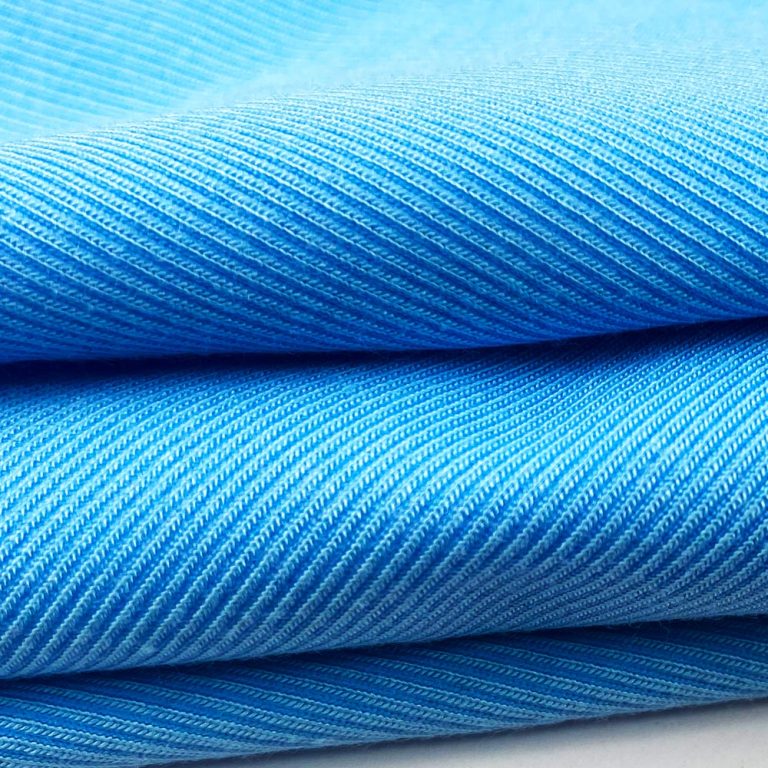
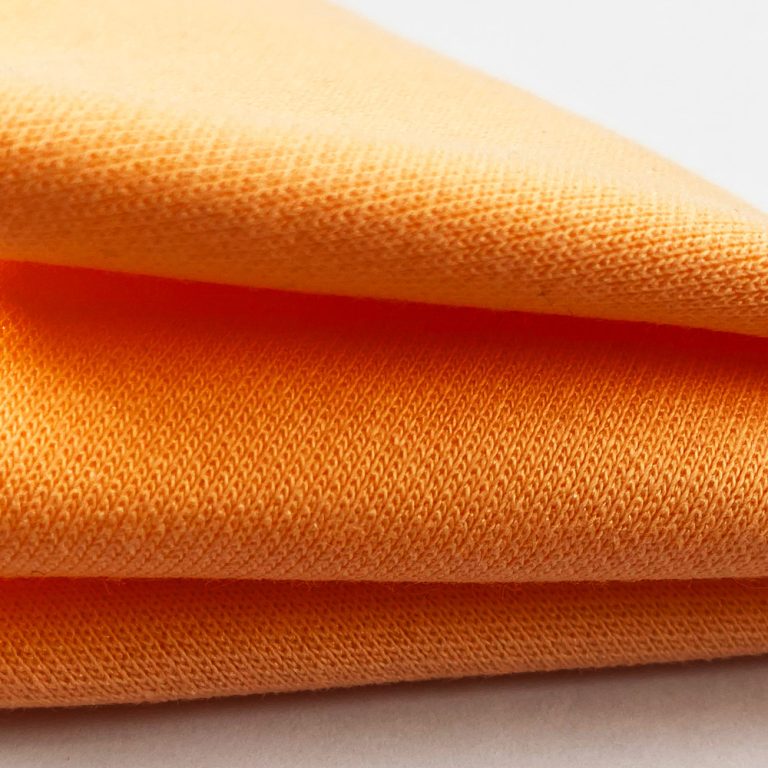
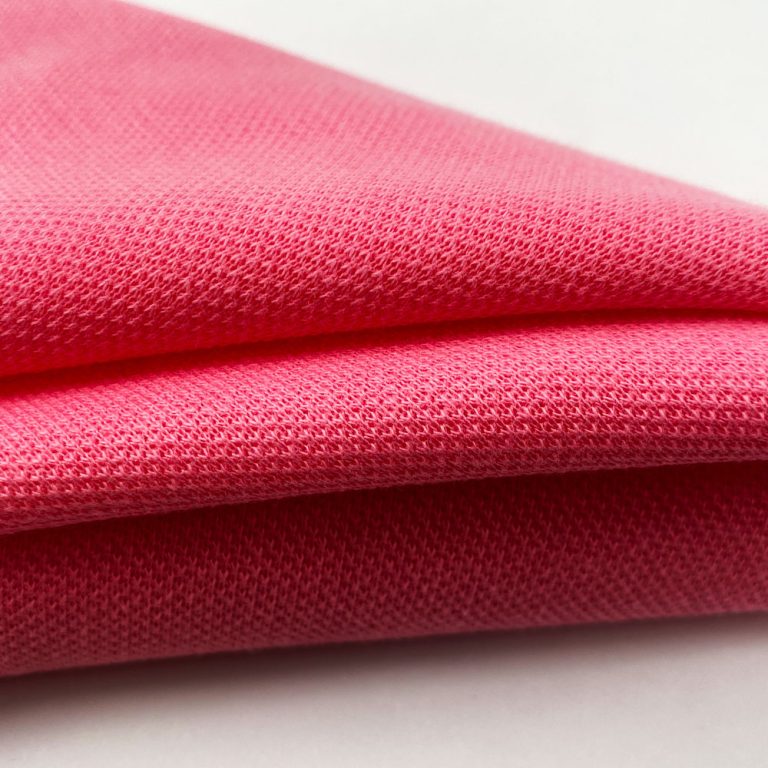
Runtang Textile manufactures interlock knit fabrics for premium T-shirts, dresses, base layers, loungewear and leggings. Choose pure cotton, cotton/polyester, cotton/spandex or nylon/spandex interlock with a smooth face on both sides. Stock orders start at 1 roll (~23 kg) per colour; custom colours start at 200 kg per colour.

Interlock Knit Fabric for apparel brands, garment manufacturers and fabric sourcing teams.
Explore our online interlock knit range, backed by a library of 102 options.
Item No.
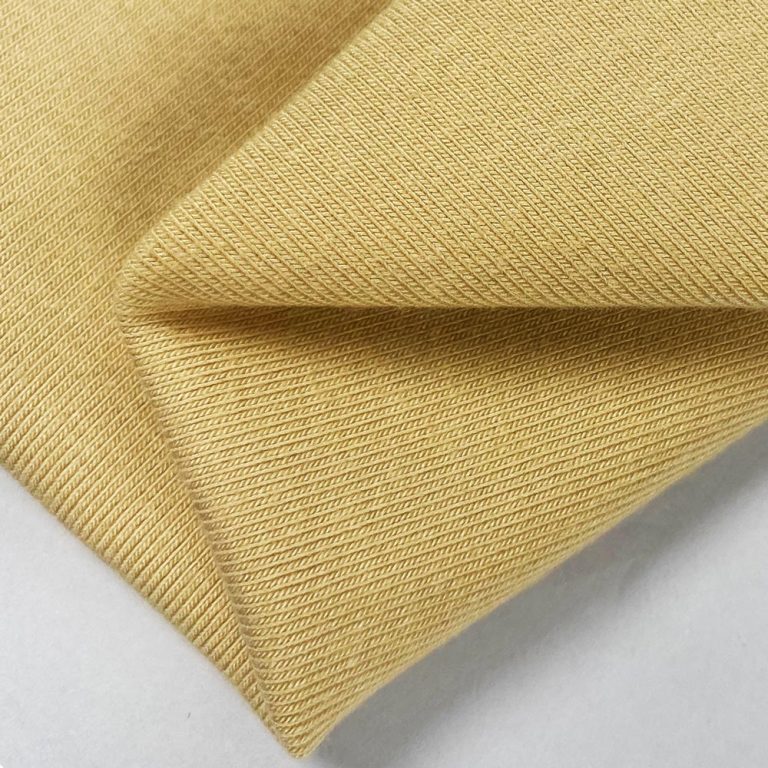
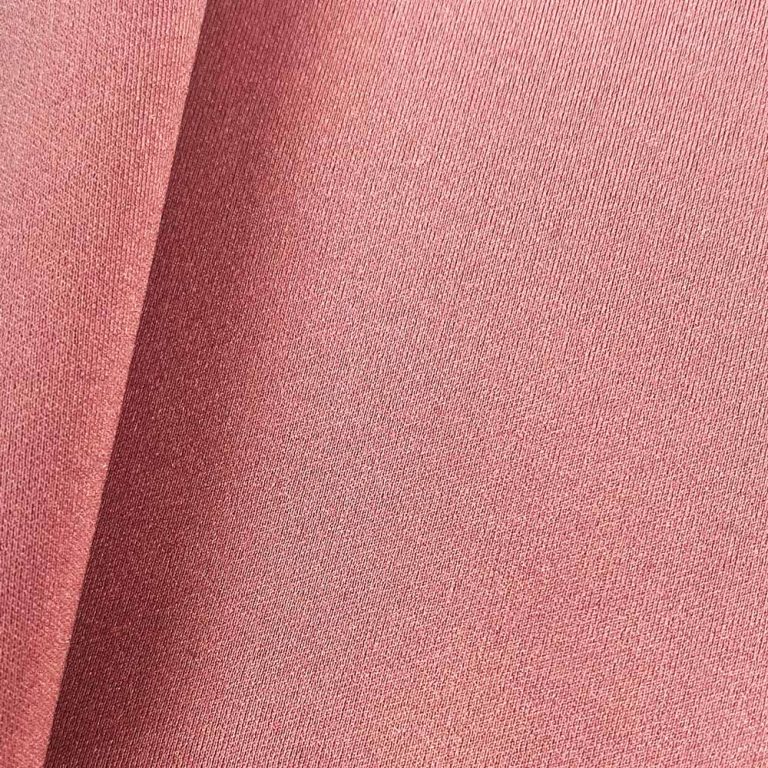
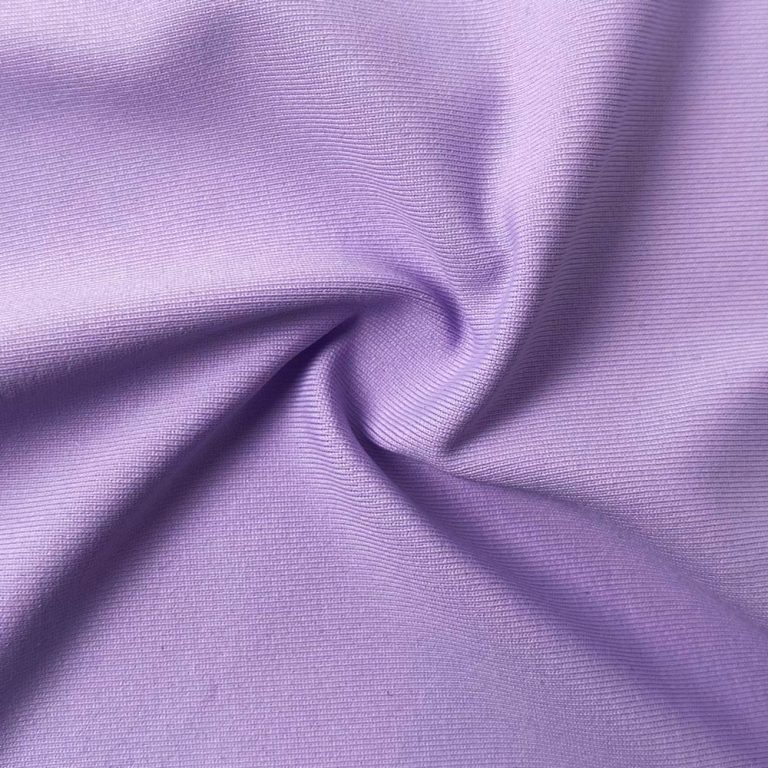
Item No.
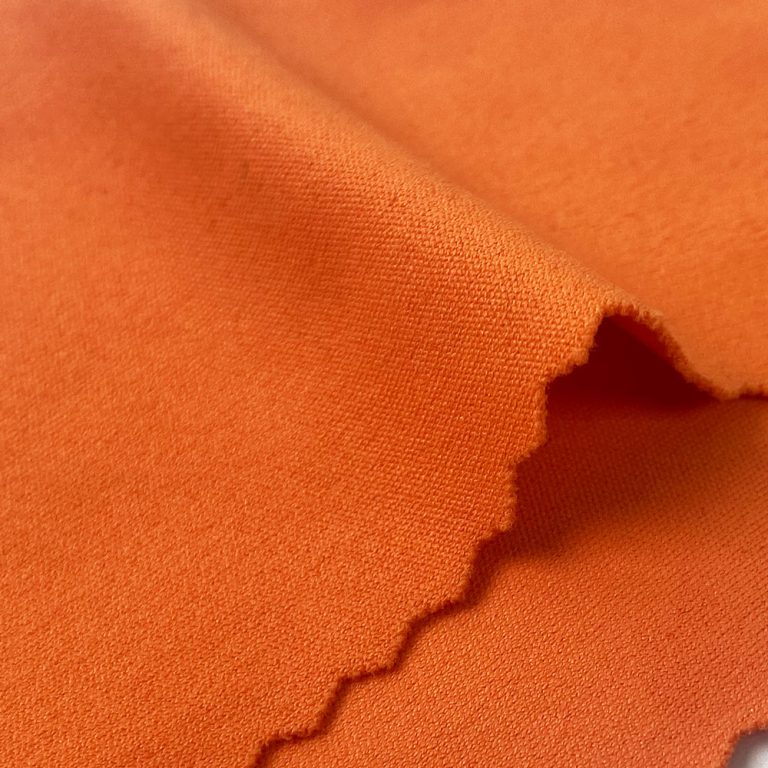
Item No.
Item No.
Item No.

Item No.
Item No.
Item No.
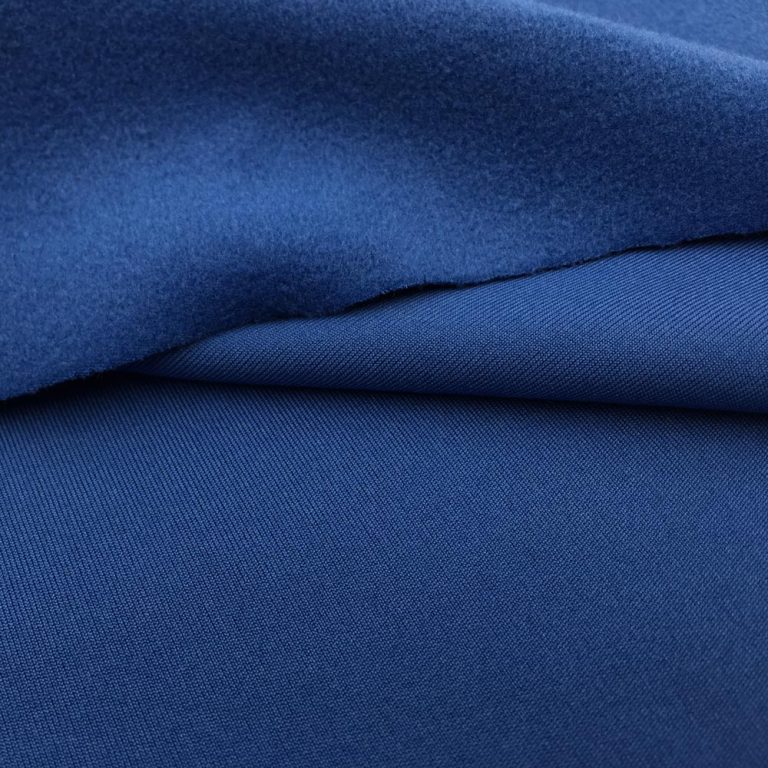
Item No.
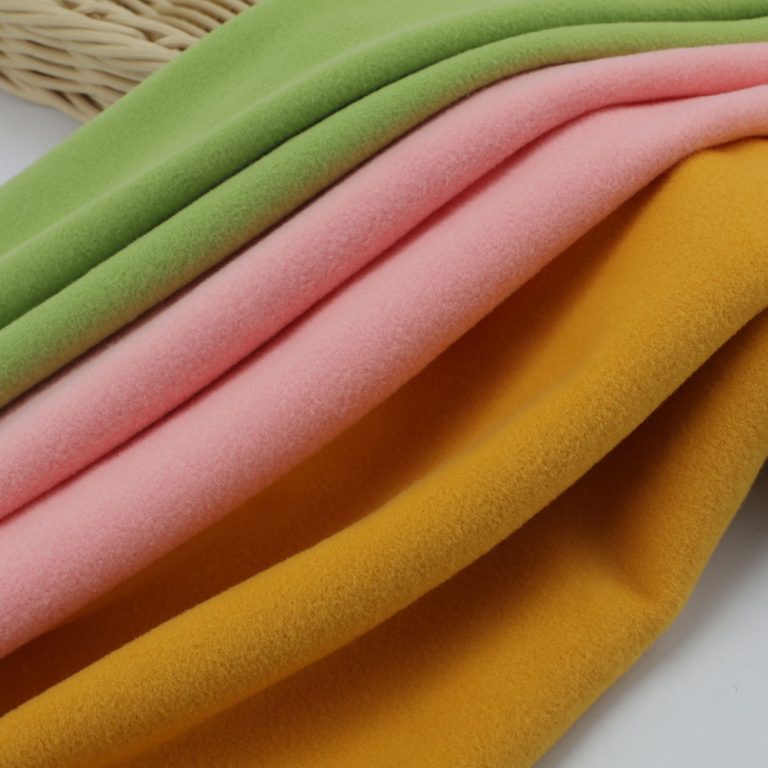
Item No.
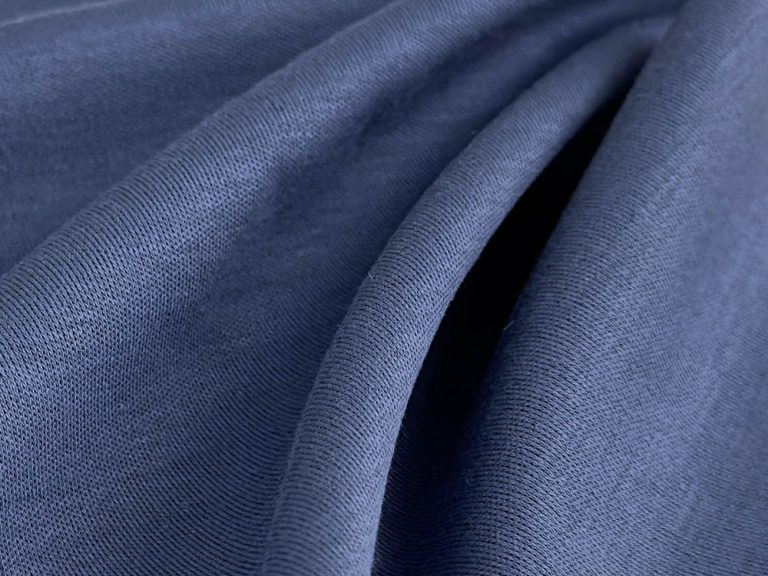
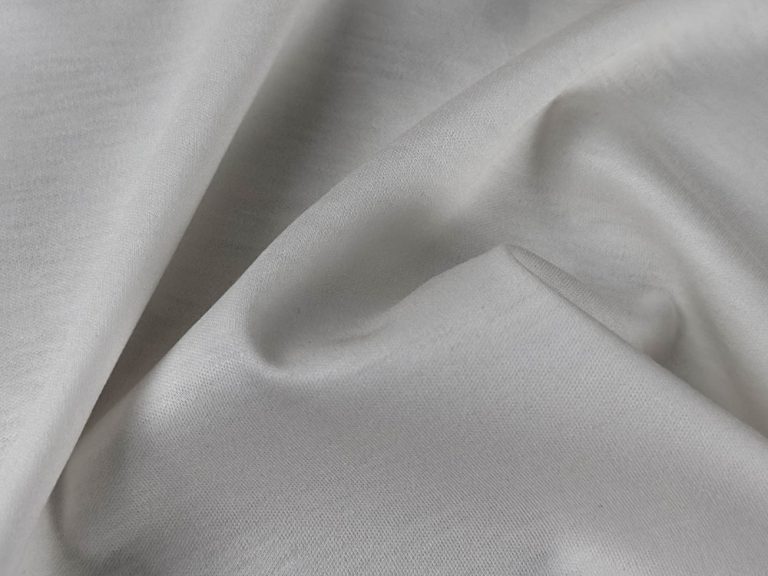

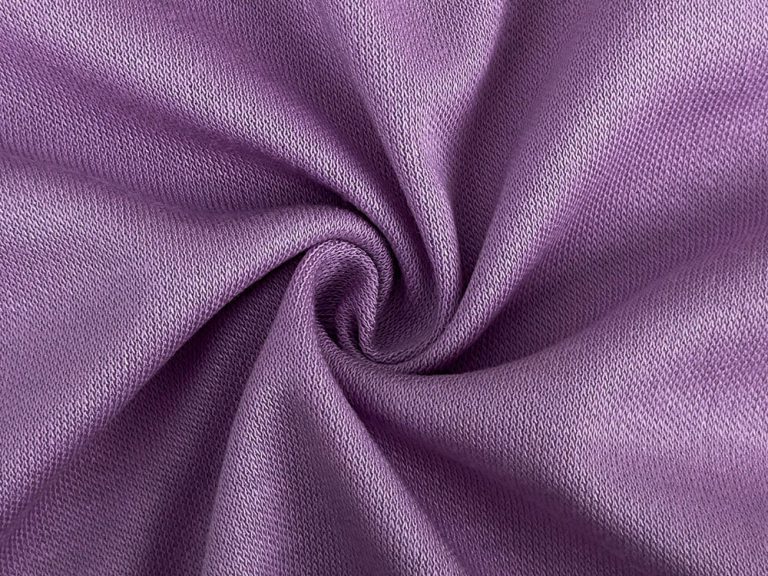
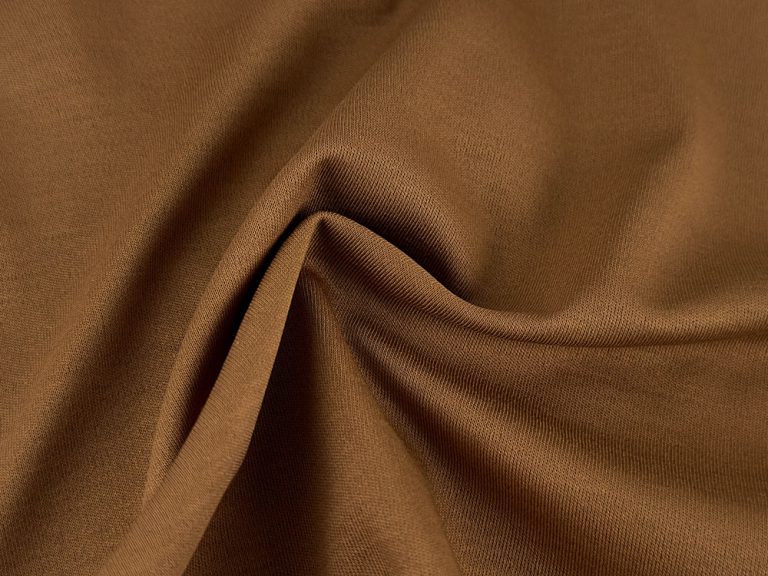
Item No.
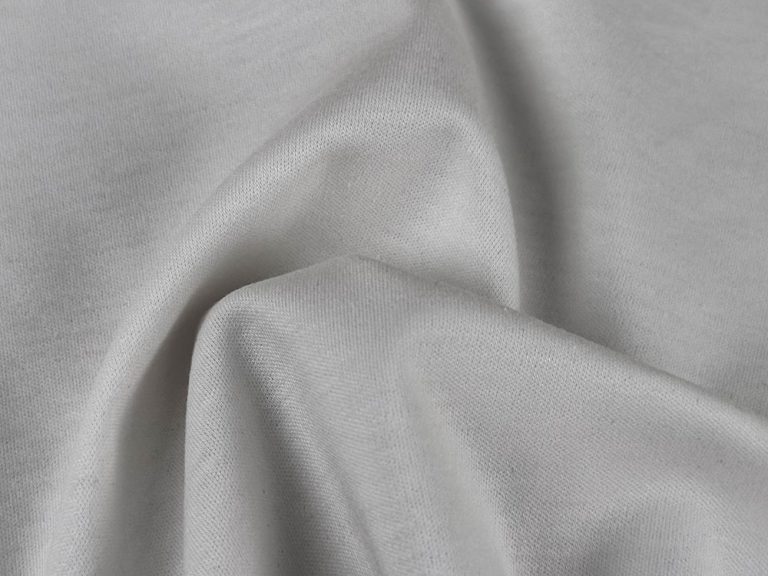
| Item | Composition | Weight | Width | Details |
|---|---|---|---|---|
| KF790 | 100% polyester | 170 GSM | 72/74 | View specifications |
| KF3282 | 79% cotton / 21% polyester | 230 GSM | 72/74 | View specifications |
| KF3231 | 74% nylon / 26% spandex | 240 GSM | 62/64″ (157/163 cm) | View specifications |
| KF3270 | Specification on request | 250 GSM | 66/68 | View specifications |
| KF3215 | 58% nylon / 42% spandex | 160 GSM | 64/66 | View specifications |
| KF3230 | 85% nylon / 15% spandex | 200 GSM | 61/63″ (155/160 cm) | View specifications |
| KF3236 | 82% nylon / 18% spandex | 250 GSM | 62/64″ (157/163 cm) | View specifications |
| KF3214 | 83% nylon / 17% spandex | 160 GSM | 64/66″ (163/168 cm) | View specifications |
| KF3232 | 75% nylon / 25% spandex | 230 GSM | 62/64″ (157/163 cm) | View specifications |
| KF3227 | 75% nylon / 25% spandex | 220 GSM | 62/64″ (157/163 cm) | View specifications |
| KF1104 | 35% cotton / 65% polyester | 270 GSM | 73/75″ (185/191 cm) | View specifications |
| KF972 | 95% polyester / 5% spandex | 240 GSM | 68/70″ (173/178 cm) | View specifications |
| KF961 | 95% polyester / 5% spandex | 310 GSM | 62/64″ (157/163 cm) | View specifications |
| KF968 | 95% polyester / 5% spandex | 300 GSM | 62/64″ (157/163 cm) | View specifications |
| 11518 | 100% cotton | 155 GSM | 66.9″ (170 cm) | View specifications |
| RHS45003 | 100% cotton | 160 GSM | 53.1″ (135 cm) | View specifications |
| RHS45002 | 100% cotton | 165 GSM | 53.1″ (135 cm) | View specifications |
| SS36008 | 80% tencel / 20% acetate | 170 GSM | 61″ (155 cm) | View specifications |
| RHS45001 | 95% cotton 5% spandex mercerized cotton | 175 GSM | 68.9″ (175 cm) | View specifications |
| RHS45005 | 100% cotton | 190 GSM | 61″ (155 cm) | View specifications |
Our fabric library includes 102 interlock knit options. Contact us for more compositions, weights and colours for your collection.
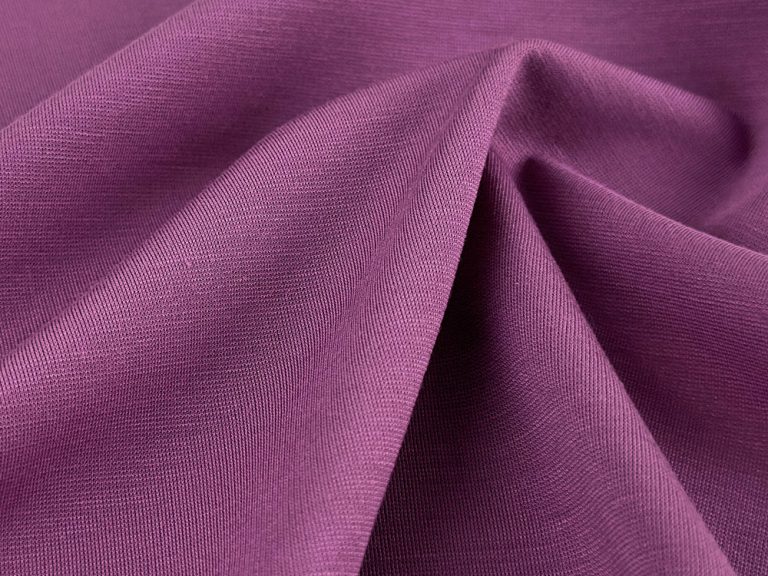
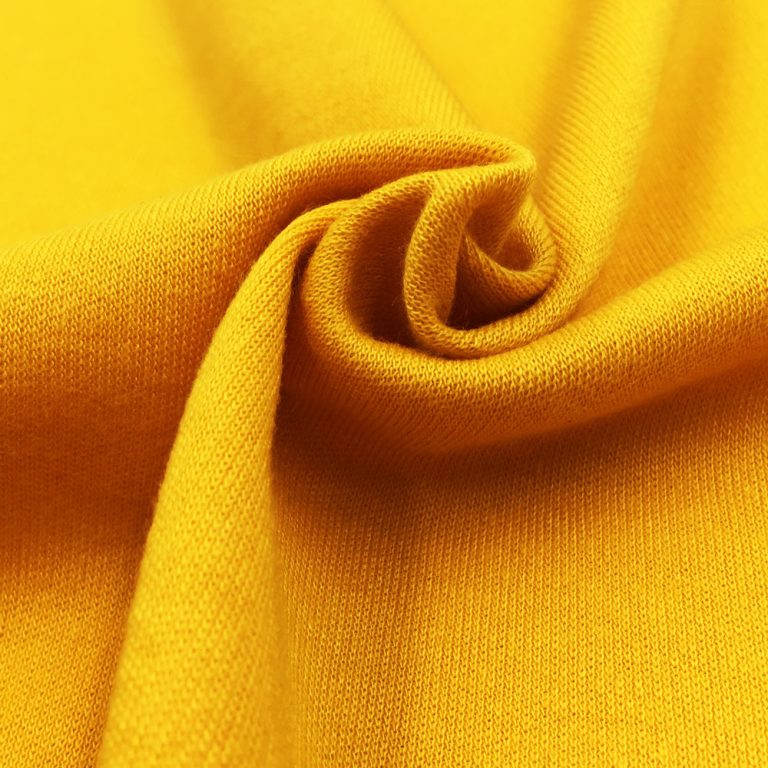
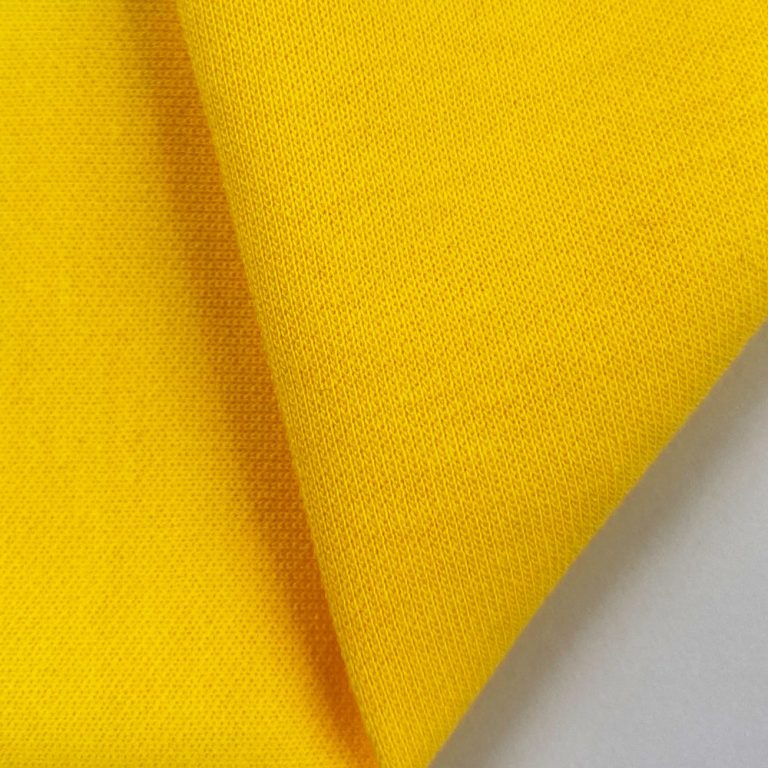
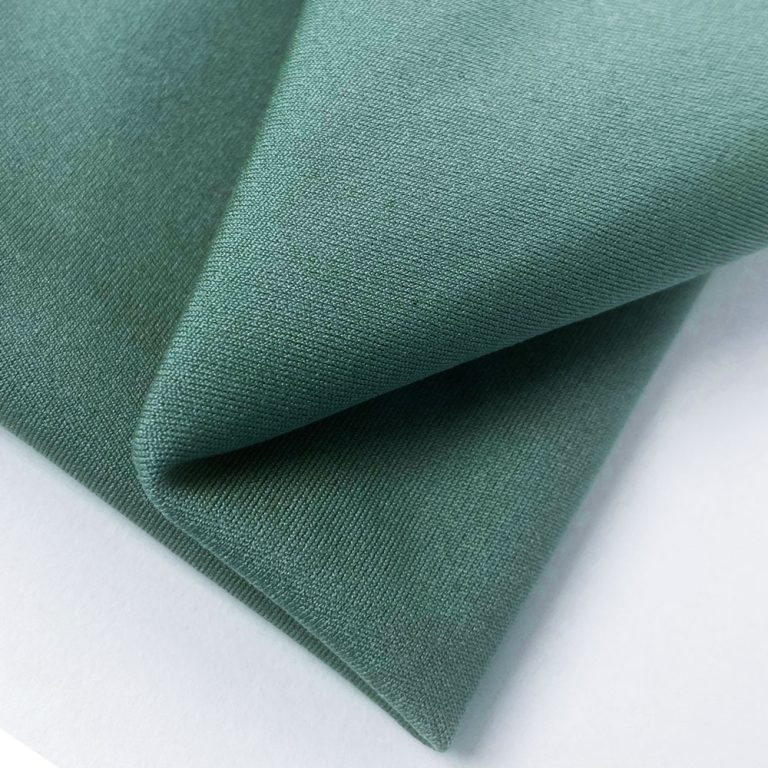
Interlock is a double knit made on two needle sets, where two 1x1 rib structures are knitted into each other. The result looks the same on both sides: a smooth, fine face with no looped reverse. Compared with single jersey, interlock is more opaque, more stable and lies flat at cut edges, so it is easier to cut and sew into clean necklines and hems. In our library, cotton interlock for T-shirts and dresses mostly weighs 160–230 GSM, while cotton/polyester interlock for sweatshirts and streetwear runs heavier, at 260–320 GSM. Our online collection also includes nylon/spandex interlock for leggings and swimwear. Interlock feels soft and full, but it stretches less across the width than rib and is warmer than single jersey, so it can feel heavy in very light summer tops.
Pure cotton covers most interlock for tees and dresses in our library; blends add body for sweatwear or stretch for close-fitting garments.
| Fabric type | Fabric examples | Apparel applications |
|---|---|---|
| 100% cotton interlock | 155–230 GSM, such as RHS45003 at 160 GSM and 11518 at 155 GSM | Premium T-shirts, dresses and polo shirts |
| Cotton/polyester and cotton/polyester/spandex | 260–320 GSM, such as KF1104 (65% polyester / 35% cotton) at 270 GSM | Sweatshirts, streetwear, shorts and casual trousers |
| Nylon/spandex and polyester/spandex stretch interlock | 160–310 GSM, such as KF3232 (75% nylon / 25% spandex) at 230 GSM | Leggings, yoga wear, swimwear and fitted tops |
Choose 160–200 GSM cotton interlock for premium T-shirts and dresses, 180–240 GSM nylon/spandex interlock for leggings and swimwear, 210–300 GSM for base layers and thermal tops, and 260–320 GSM cotton/polyester for sweatshirts and streetwear.
Below 200 GSM
10 qualities
200–299 GSM
16 qualities
300 GSM and above
5 qualities
Interlock sits between single jersey and rib: smoother and more stable than jersey, with less stretch than rib.
| Feature | Interlock Knit | Single Jersey | Rib Knit |
|---|---|---|---|
| Construction | Two interlocked 1x1 ribs on two needle sets | One needle set, plain knit stitches | Knit and purl columns on two needle sets |
| Face and reverse | Smooth and identical on both sides | Smooth face, looped reverse | Vertical ribs on both sides |
| Cut edges | Lie flat | Tend to curl | Lie flat |
| Stretch across the width | Moderate | Moderate | High |
| Typical weights in our library | 180–300 GSM | 165–230 GSM | 210–280 GSM |
Xiwen Zhang, our co-founder and CEO, recommends these interlock weights and blends for the garments where a smooth, stable double knit matters most, drawing on our knit fabric experience since 2009.
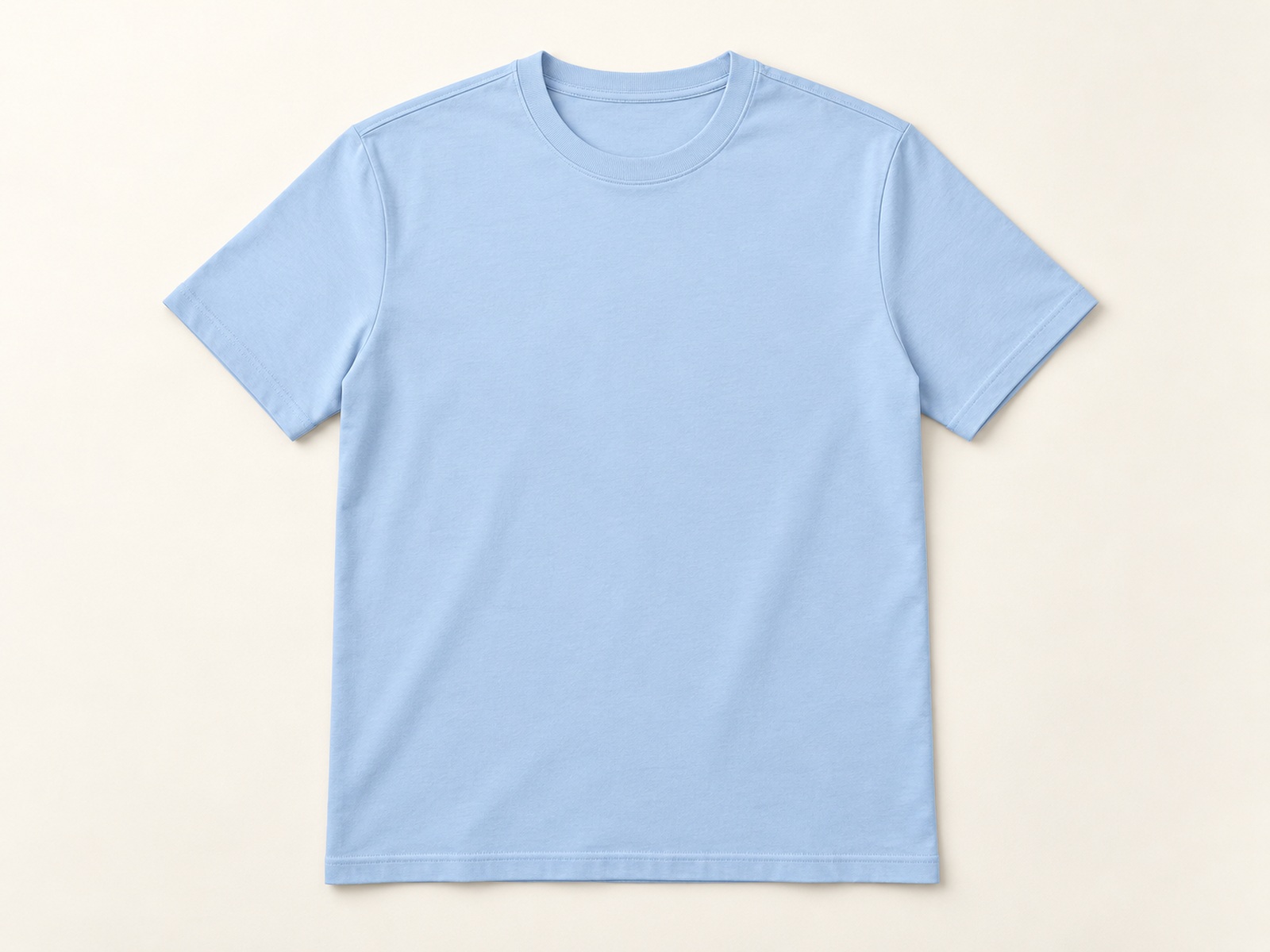
SMOOTH ON BOTH SIDES
For premium T-shirts, start with 180–230 GSM cotton interlock. T-shirts are the most common use for interlock in our library, and pure cotton is the largest group among them. The double-knit face gives a cleaner, more opaque tee than single jersey, with flat-lying hems and sleeves.
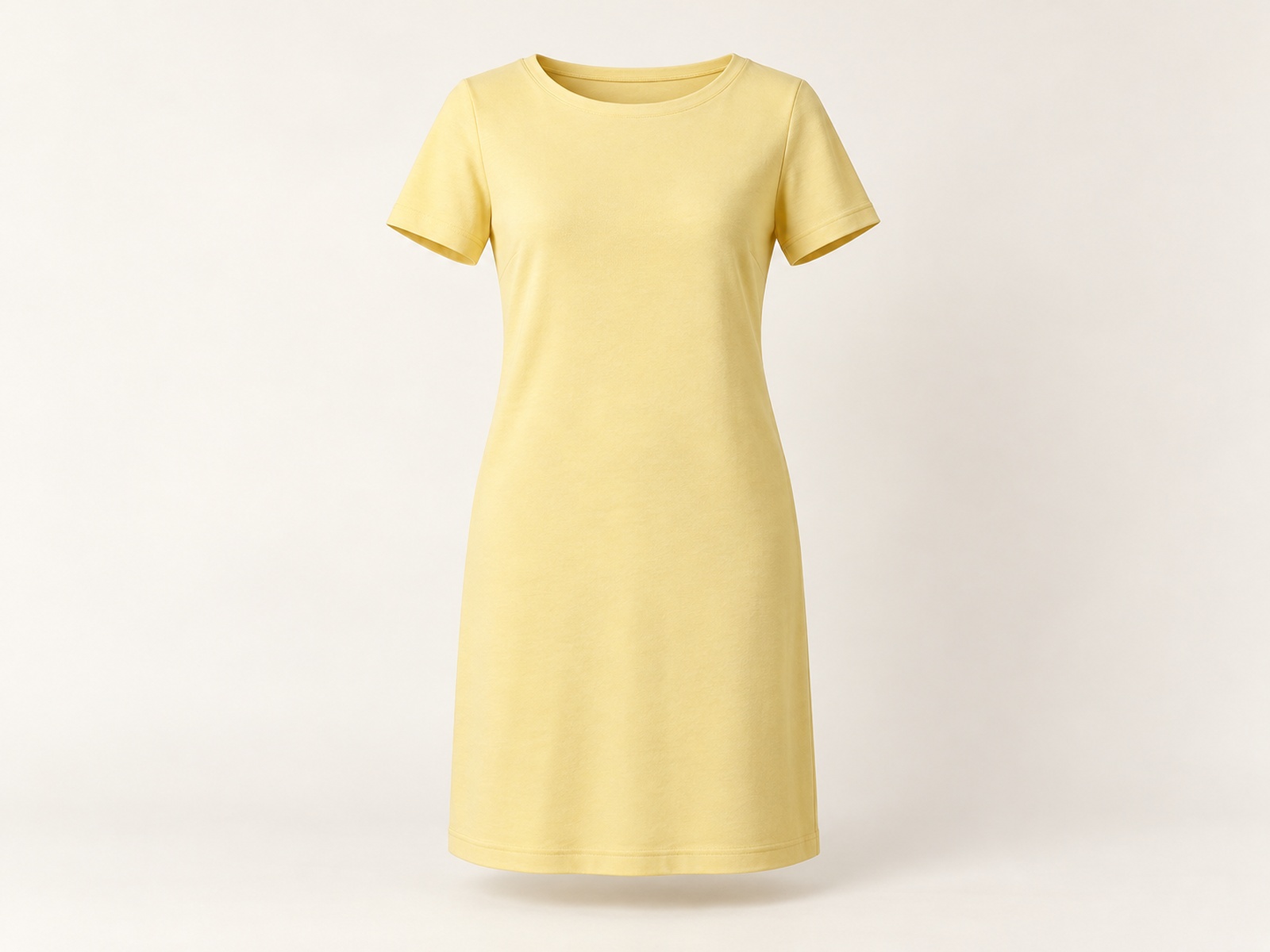
OPAQUE AND EASY TO SEW
For T-shirt and shift dresses, choose 180–225 GSM interlock, mostly pure cotton. Interlock stays opaque in light colours and its edges do not curl, which helps with clean necklines, pockets and hems on simple dress shapes.
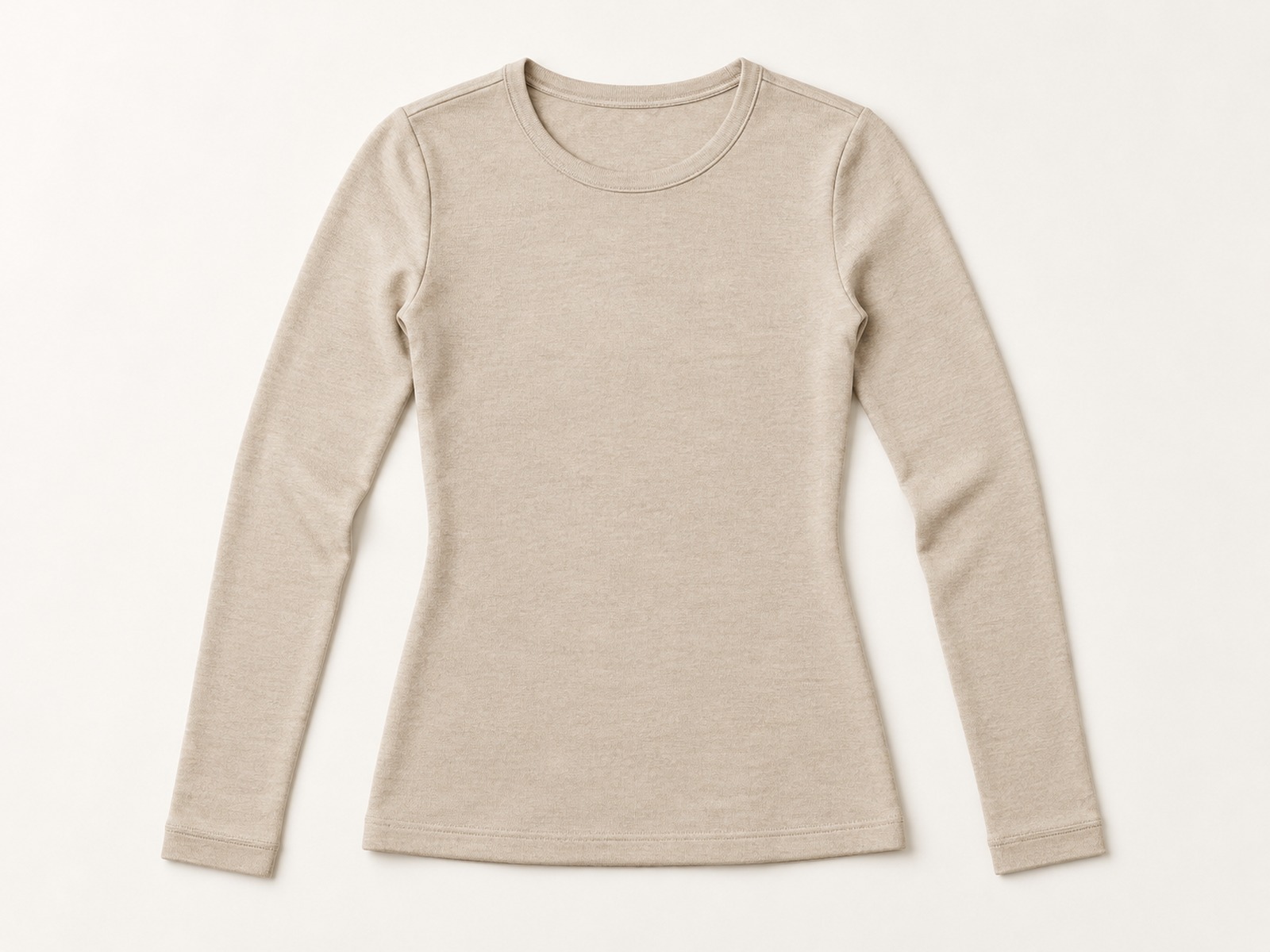
WARMTH CLOSE TO THE SKIN
210–300 GSM interlock works well for base layers and thermal tops. The two-layer structure holds more warmth than single jersey at a similar thickness, and modal or viscose blends keep the face smooth against the skin.
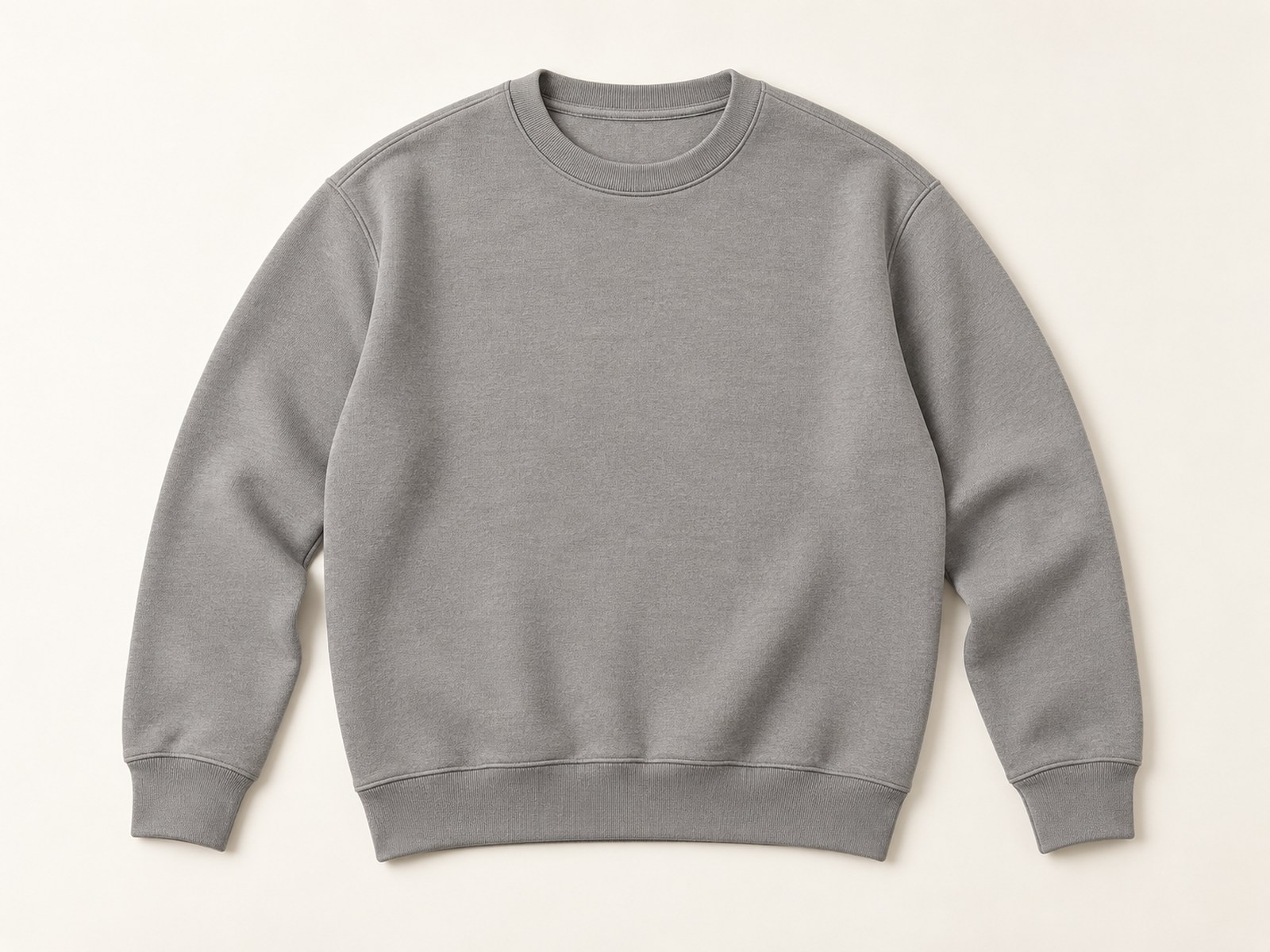
BODY FOR RELAXED SWEATWEAR
For crewneck sweatshirts and streetwear tops with a clean, smooth face, start with 265–320 GSM cotton/polyester interlock. It gives a neater, flatter surface than French terry and suits prints and embroidery placed on either side.
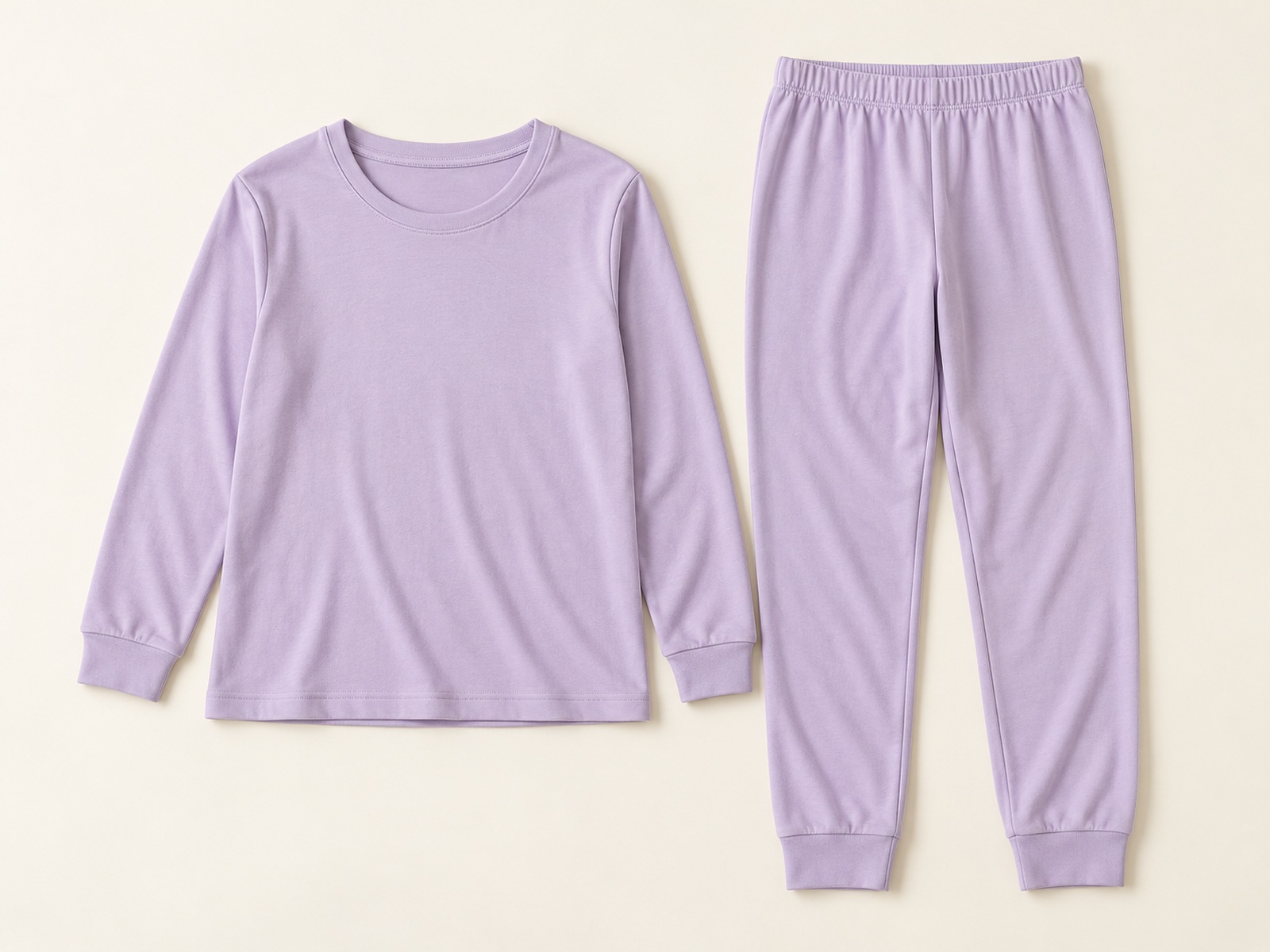
SOFT FOR EVERY NIGHT
Choose 190–260 GSM cotton or modal/spandex interlock for pyjama sets and loungewear. Because both sides are smooth, the inside feels as soft as the outside, and the stable structure keeps waistbands and cuffs in shape.
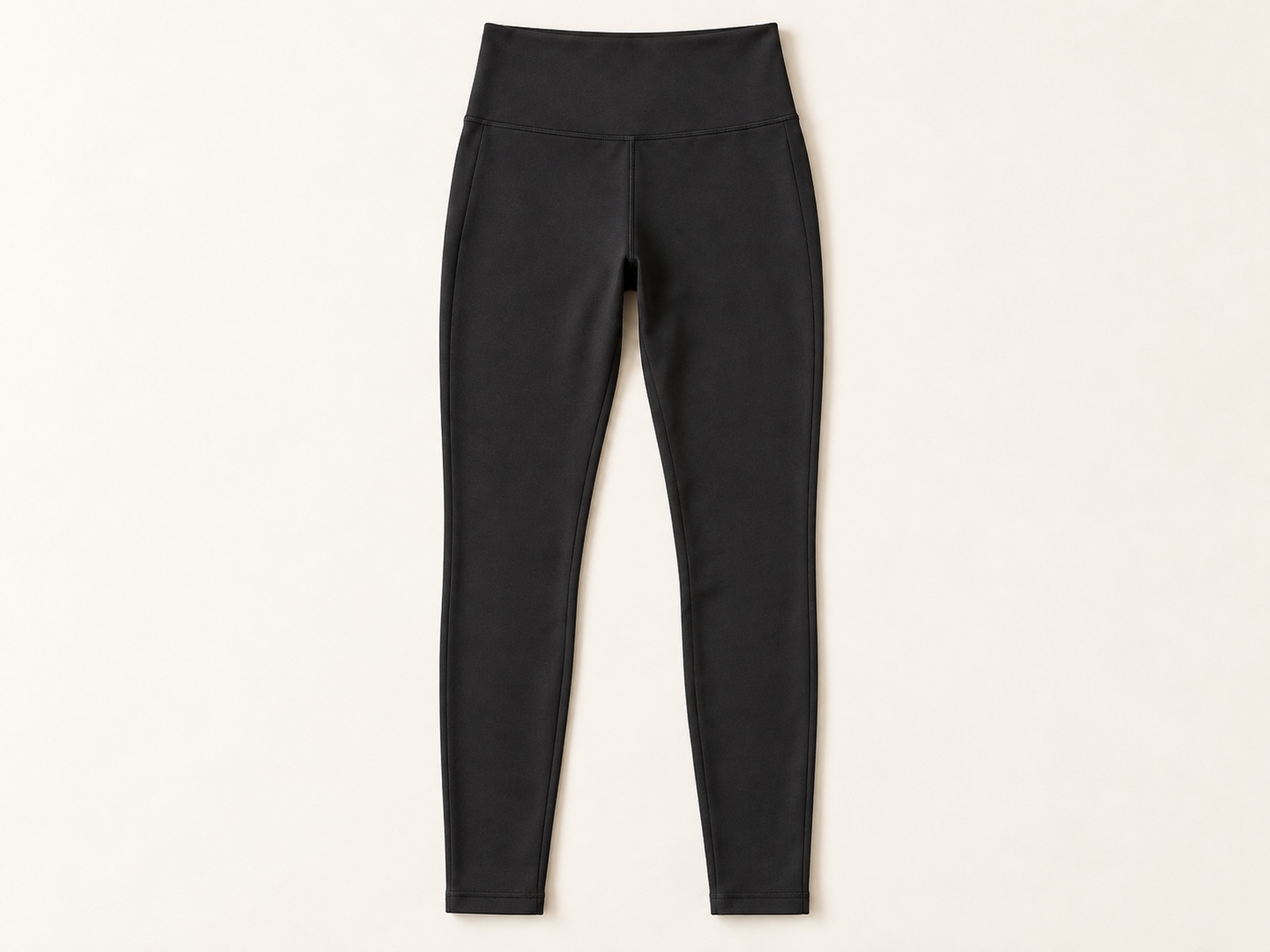
STRETCH WITH COVERAGE
180–240 GSM nylon/spandex interlock works well for leggings, yoga wear and swimwear. The double-knit structure gives more coverage than a single-knit stretch fabric of similar weight. Test stretch and colour fastness on a sample against your own specification before bulk.

Interlock is a double knit: it looks the same on both sides, does not curl at cut edges and is more opaque than single jersey. Single jersey is lighter and more fluid, with a looped reverse. In our library, cotton interlock for tees mostly weighs 180–230 GSM.
Choose 180–230 GSM cotton interlock for a smooth, substantial tee, or cotton/spandex interlock if the fit is close to the body. For relaxed sweatshirts and streetwear, move to 265–320 GSM cotton/polyester interlock.
Yes. Our online collection includes nylon/spandex interlock, typically 180–240 GSM, for leggings, yoga wear and swimwear. Check stretch, recovery and colour fastness on a sample against your own specification before bulk.
It depends on the blend. 100% cotton interlock for premium tees at 155–230 GSM is mainly checked for shrinkage, spirality and wet rubbing on dark shades. Nylon/spandex stretch interlock for leggings and swimwear needs perspiration fastness, light fastness and dimensional change, and heat-setting during finishing keeps it stable.
Stock fabric orders start at 1 roll (~23 kg) per colour. Custom-colour orders start at 200 kg per colour.
Compare complementary fibres and knit constructions for your next apparel collection.
Read practical guides to fibre blends, garment selection and knit construction.