2009 മുതൽ നിറ്റ് ഫാബ്രിക് നിർമ്മാതാവ് · ചൈന
2009 മുതൽ നിറ്റ് ഫാബ്രിക് നിർമ്മാതാവ് · ചൈന

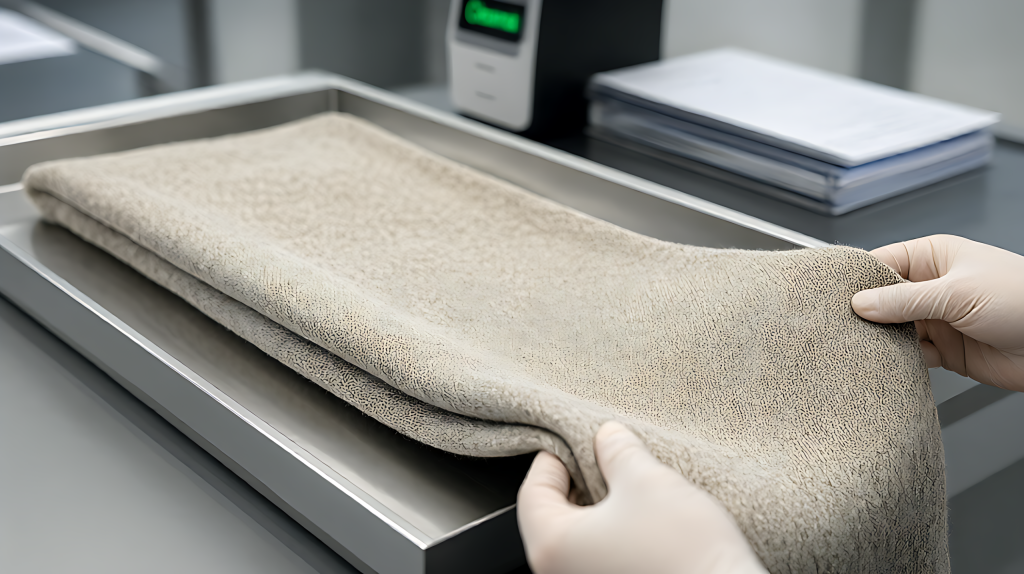
Quick Answer: approve a knit fabric sample only after it passes four gates: it is the fabric you ordered (identity), it is free of visible defects, its physical and colour results meet written tolerances after the intended wash, and a garment prototype made from it performs as designed. Record every result in an approval record and keep a controlled reference sample. Anything that misses a tolerance is revised and resubmitted; anything with the wrong construction or a critical failure is rejected.
| Decision | When it applies | What happens next |
|---|---|---|
| Pass | Every agreed check meets its written tolerance and the prototype is accepted | Sign the approval record; cut and label the controlled reference sample; release to PP sample or bulk |
| Revise | Construction and fibre are correct, but one or more checks miss tolerance (for example GSM, shrinkage or shade) | Send the failed results to the mill; agree the correction; test the resubmitted sample against the same checklist |
| Reject | Wrong construction or fibre content, a critical defect, or a result the mill cannot correct on this fabric | Close the submission; restart development or move to an alternative construction |
Use the reference methods your buyer and mill agree on. The methods below are published test standards; the pass limits are set per fabric and end use.
| Check | What to confirm | Reference method |
|---|---|---|
| Sample identity | Construction, fibre content, colour, finish and mill reference match the brief or spec sheet | Written spec sheet and fibre content confirmation from the mill |
| Visual defects | Holes, barré, snags, stains, slubs, shade variation edge to centre | ASTM D5430 (4-point defect grading for rolls) |
| GSM | Mass per unit area against the target GSM and its tolerance | ASTM D3776 |
| വീതി | Cuttable width against the marker or cut plan | Measured on the full sample width, selvedge excluded |
| Stretch and recovery | Elongation and recovery measured separately; growth after holding | ASTM D2594 (knitted fabrics with low power) |
| Shrinkage and spirality | Length and width change, and skew, after the intended wash | AATCC TM135, ISO 6330 washing procedures, AATCC TM179 skew |
| Colourfastness | Washing, rubbing, perspiration and light; colour difference to the approved standard | ISO 105 / AATCC methods from ISO/TC 38/SC 1 and AATCC; visual assessment per AATCC EP9 |
| Pilling | Surface pilling after abrasion, before and after washing | ASTM D3512 (random tumble) or ASTM D4970 (Martindale) |
| End-use performance | Properties the garment depends on, such as opacity, hand feel, snag resistance or print behaviour | Agreed per product; see snagging and stability guides linked below |
A fabric that measures correctly off the roll can still fail once laundered. ISO 6330 sets domestic washing and drying procedures for textile testing and notes that washing parameters affect the results, so state the wash temperature, cycle and drying method on the approval record. If the garment will be enzyme-washed, mineral-washed or garment-dyed, test a sample that has been through that process rather than the fabric as delivered.
Measure before and after the wash on the same marked specimen, and report shrinkage, spirality and colour change as results with the method named. For method detail, see our fabric spirality and shrinkage test methods guide and the colour fastness test guide for knit fabric bulk approval.
Lab results do not show how a fabric behaves once cut and sewn. Make at least one prototype in the target size and check:
Keep one row per check. Each column below is what the record should contain.
| Column | What to record |
|---|---|
| Sample ID | Your reference plus the mill's sample number and submission round |
| Check | The item from the checklist, for example GSM or shrinkage after washing |
| Test method | Standard and procedure used, including wash conditions where relevant |
| Result | The measured value or grade |
| Tolerance | The agreed limit for this fabric and end use |
| Decision | Pass, revise or reject for this check |
| Reviewer | Name and role of the person who assessed the result |
| Date | Date the result was reviewed |
| Controlled reference sample | ID and storage location of the sealed approved sample kept by buyer and mill |
Test standards fix how to measure, not what counts as a pass. Agree these limits in writing for every fabric and product before sampling:
A base-layer jersey, a stretch legging fabric and a brushed fleece will need different limits. Our guides on stretch fabric spandex ratio and recovery, knit fabric pilling and fibre QC, fabric snagging and dimensional stability tests and fabric stability in ponte, scuba and double knit explain how each property changes with construction.
Runtang Textile develops knit fabrics from brief to approved sample for apparel brands across Europe, North America and Australia; see custom knit fabric development. Our ordering guide sets out the current sampling arrangements. Lab dips take 3–5 working days after we receive your colour standard and confirm the fabric and light source; see lab dips and colour matching. Confirm the sample format and any PP sample schedule for your chosen fabric before sampling. Fabric inspection reports and lab test documentation are part of our standard pre-shipment procedure, and custom thresholds and colourfastness grades are confirmed at sampling, as described in our knit fabric quality control guide.
Send us your spec sheet with the target construction, GSM, colour standard and end use, and we will confirm which checks and records apply to your sample.
Pass means every agreed check meets its written tolerance and the sample becomes the controlled reference for bulk. Revise means the fabric is close but one or more checks miss tolerance, so the mill adjusts and resubmits. Reject means the construction, fibre content or a critical result is wrong and the development has to restart or move to another fabric.
Test after the wash the finished garment will receive. Shrinkage, spirality, colour change and pilling often only appear after laundering or garment washing, so measure the fabric as received and again after the intended wash procedure, for example a domestic laundering method such as AATCC TM135 or ISO 6330.
The buyer and the mill agree them for each fabric and end use. Test standards define how to measure; they do not set one pass limit for every product. ASTM D5430, for example, notes that its defect grading supports acceptance of rolls and shipments when agreed by purchaser and seller.
It is a physical piece of the approved fabric, labelled with the sample ID, approval date and reviewer, and kept by both buyer and mill. Bulk shipments and reorders are compared against it, so it should be cut from the approved sample and stored away from light.
 വ്യവസായ ഉൾക്കാഴ്ചകൾ
വാരിയെല്ല് തുന്നൽ നിറ്റ് ഫാബ്രിക് പരിപാലിക്കുന്നതിനുള്ള 7 നുറുങ്ങുകൾ
കൂടുതൽ വായിക്കുക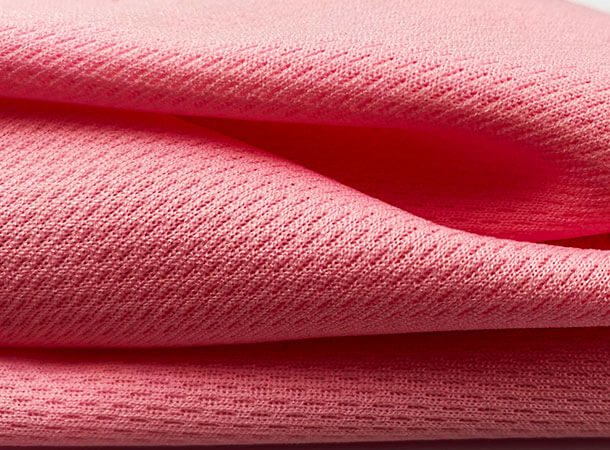 നിർമ്മാതാവിന്റെ ഉൾക്കാഴ്ചകൾ
Unveiling the Knit Fabric Production Process: A Journey of Quality from Yarn to Finished Product
കൂടുതൽ വായിക്കുക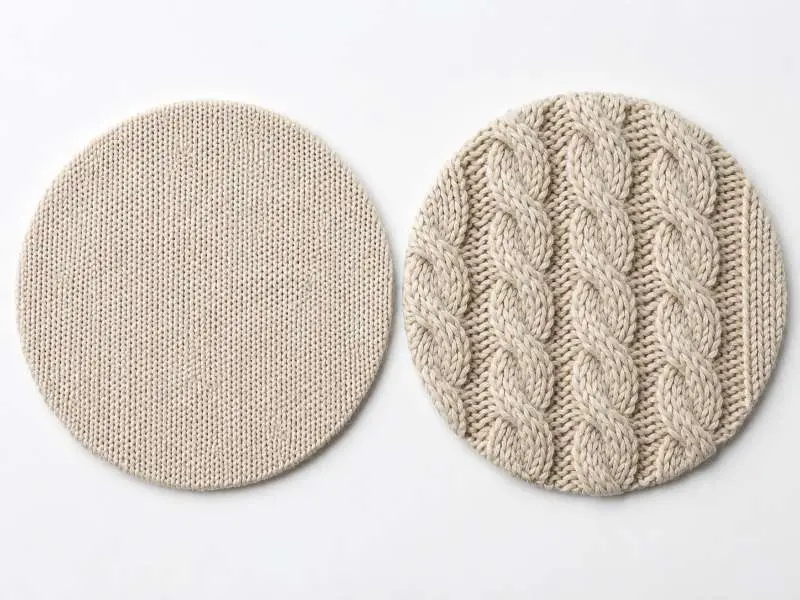 നിർമ്മാതാവിന്റെ ഉൾക്കാഴ്ചകൾ
Circular Knit vs Flat Knit: Production Differences That Affect Bulk Apparel Output
കൂടുതൽ വായിക്കുക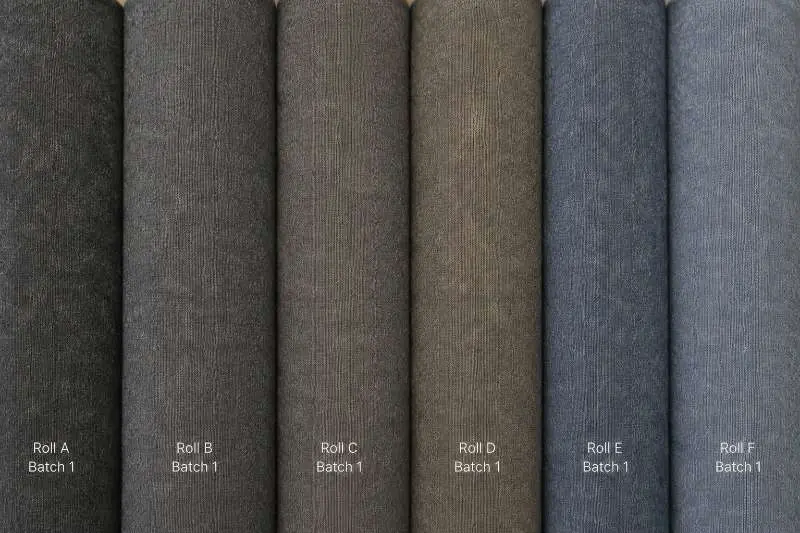 നിർമ്മാതാവിന്റെ ഉൾക്കാഴ്ചകൾ
എസിഡ് വാഷ് ഫാബ്രിക് റോളിൽ നിന്ന് റോളിലേക്ക് വ്യത്യസ്തമായി കാണപ്പെടുന്നത് എന്തുകൊണ്ട് — ബൾക്ക് ഓർഡറുകൾ അത് എങ്ങനെ നിയന്ത്രണത്തിൽ നിർത്തുന്നു
കൂടുതൽ വായിക്കുക സോഴ്സിംഗ് ഗൈഡ്
Best Fabric for Hoodies: French Terry, Fleece, Waffle and Rib Compared Before Sampling
കൂടുതൽ വായിക്കുക