2009年創業のニット生地メーカー · 中国
2009年創業のニット生地メーカー · 中国

Isn’t it strange how a fabric becomes an essential part of our life for only being flexible, durable, and stretchable? A little attention to its maintenance can change the entire longevity of the fabric. Tricot fabric does the same.
Tricot fabric is a material, commonly known as lining. Yet it comes in great use for the home crafts market. Dyeing is available for tricot fabric. The fine ribs make the fabric an ideal choice for a couple of sectors. Let us hear how tricot fabric has transformed itself over the years.
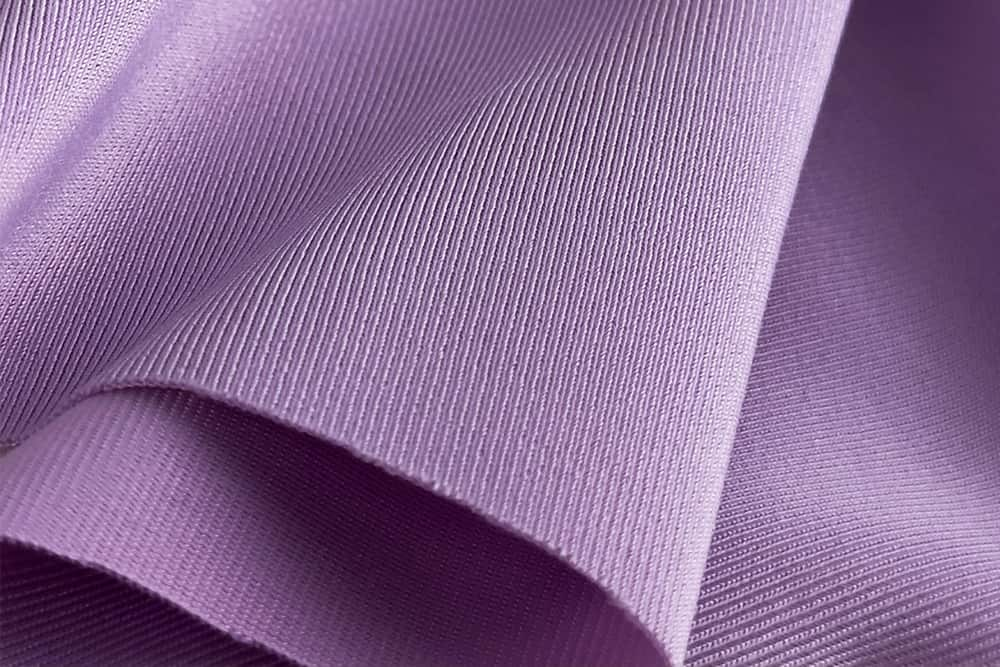
Tricot fabric refers to the plain warp-knitted lining material. It is made of both natural and synthetic fibers. The word ‘tricot’ is derived from ‘Tricoter’. Tricoter is a French word. It means knitting. In France, the fabric used to be knitted by hand. The labor of love represents the evolution of the fabric from the beginning day to the modern day.
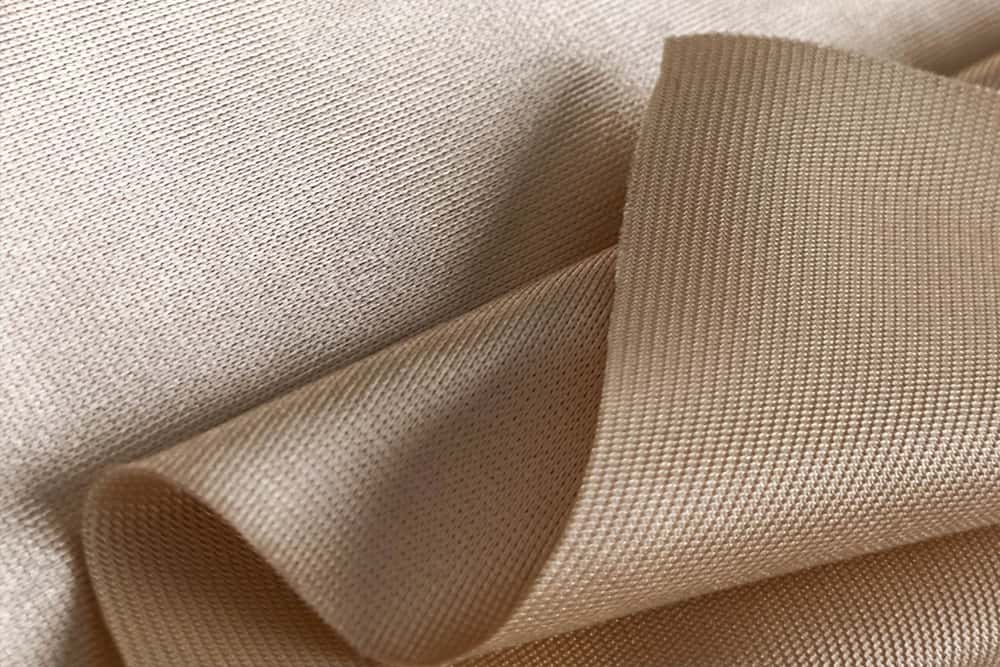
This beautiful material, indeed, remains and holds its roots till now. The fabric is well-recognized as it feels warm or cold. It absorbs moisture, dries quickly, and has features of antibacterial and deodorant.
Nylon, and spandex, or a blend of both fibers are the core materials of tricot fabric. Some other fibers that contribute to the manufacturing are Cotton, Wool, Silk, and Rayon. These fibers are ideal for activewear. The blend turns the fabric into a breathable one that does not cling to the body. However, the popular or common construction materials of this fabric are nylon and spandex. In certain cases, it is polyester and spandex.
Tricot fabric in 40 denier is minimal and no-stretch-knit fabric from the lens of lengthwise. There is the 4 way stretch fabric of the tricot that provides both support. Fibers required for tricot fabric are run-resistant.
It means the fiber ensures proper water absorption, anti-bacterial features, and a quick drying properties. Besides, 100% Polyester made tricot fabric has 190 GSM. That means the weight of the fabric is 190.
Tricot fabric has unique knit patterns. The knit of the tricot fabric creates a crosswise rib. Since the fabric has two sides, the back part represents a crosswise rib. Meanwhile, the front fabric shows a zigzag effect. The fabric has perfect stretch.
Besides, tricot fabric is a plain warp-knit-based fabric. In warp-based fabric, the lengthwise thread is dominant. These threads form into interwoven featured loops with weft threads. They have different ratios. Warp-knitted tricot fabric can form a variety of types of fabric- plain, mesh, elastic, and velvet.
Tricot fabric has both crosswise and lengthwise rib patterns. These patterns are on both sides of the fabric. In the warp-knit fabric type, the fabric has continuous loop columns. A single needle loop has the nature of the thread. This needle makes the difference between warp and weft knitting. These loops after all create a zigzag pattern.
These loops are longitudinal. The smoothness is there on the front side. Also, there is a textured surface on the backside. The structure creates ribbing on the front side. It also creates ribbing on the back side of the fabric. Ribbing makes the tricot cloth incredibly durable. The durability happens during the process of knitting structure.
The knitting process creates softness and flexibility. High-quality tricot usually does not create static electricity in the body. Also, it ensures the wearer feels comfortable while wearing. The interlacing threads make the material smooth and soft. The fabric features an intricate knitting process where the form of art matters the most.
Tricot fabric requires a flatbed knitting machine for creation. Here is the step-by-step process by which the material comes to the reality. The process is:
Tricot fabric has no defined categories. But there are some types that are available in the market.
| Fabric Composition | Nylon, Cotton, Spandex, Wool |
| Fabric Breathability | 高い |
| Fabric Stretchability | 高い |
| Fabric Durability | 高い |
| Moisture Absorption | 高い |
| Anti-Bacterial Properties | Anti-bacterial resistant |
| Fabric Elasticity | 高い |
| Wrinkle-Resistance Ability | 高い |
| Washing Temperature | Cool |
| Used for | Lining, undergarments, home crafts |
Tricot fabric has come a long way from being of the French-origin to the ideal cloth. For activewear, the fabric has all of the features the fabric owns. Some of these features are:
Tricot fabric offers durability, comfort, and stretchability. The primary use of this fabric is for lining. In sportswear, the fabric has more stretch. But the fabric has less stretchy features. For sporting activities, tricot fabric serves the best.
Fabric deniers in a variety of weights create high-quality products in the sector of lingerie. For example: 15 to 29 denier weights are perfect for light-dressing gowns. Meanwhile, the heavier 40 deniers work accurately for other products- slips, camisoles, etc.
The smooth surface and flexibility make the fabric an all-rounder to wear all day long. Because of these given features, they are used for the following sectors:
This fabric is a speedy wash material. It is made for those who people who are active and have a hustle lifestyle. The fabric is easy to maintain and easy to care for. The fabric requires low maintenance. The fabric hardly requires any special treatment.
After being washed, tricot fabrics do not sag. It means the fabric maintains its shape effectively. Even if the fabric contains synthetic fiber, the fabric has features of chlorine resistance and UV protection.
To enhance the durability of the fabric, the tricot requires to be put in a place that is cool, dry, and far from sunlight. The fabric will stay fresh if there is proper ventilation in the storage.
Tricot fabric is identifiable by many methods. For instance:
The answer varies based on the fibers used. Tricot fabric, made of cotton or wool, is a sustainable choice. The fabric contributes to the carbon footprint if it is energy-intensive during the knitting process. The durability makes it sustainable as it minimizes the demand for new clothes. Overall, the fabric is sustainable if it goes through an eco-friendly production process.
Tricot fabric is in both advantageous and disadvantageous positions. The merits of tricot fabric are-
Demerits of Tricot Fabric:
Certain features make tricot fabric an ideal product. For example, tricot fabric has a common use in the production sector. Usually, industrial products, for instance, filters, materials-reinforcement, and insulation, these production capacities make the fabric open for any sort of application. The reason is their strength and durability, and their withstand power in heavy use, and harsh conditions.
Tricot fabric is suitable for summer wear. That means, the fabric is not warm. But the fabric can be warm if it is made of wool-like material. Wool is strong in terms of fiber. It has warp threads that make strong loops. Weft threads make the fabric firm, heavy, as well as not a lightweight fabric.
Summer-friendly fabrics are cotton-made. Compared to synthetic materials, polyester, and nylon, cotton is a popular option. However, the use of cotton may result in a non-stretchable tricot fabric during summer days. The elasticity of the fabric is also available due to synthetic materials. So, the use of cotton may not end up in a desired fabric feature.
Moreover, the fabric is flexible and can mold the body. It has uses in the sectors of sportswear and workout apparel. The fabric maintains its gentleness even after being washed thousands of times.
The durability features make the fabric withstand the rigor of daily life. Otherwise, the fabric loses its shape as well as color. The resilience of the fabric creates a consistent effort. This is how it is getting to be the favorite part of your life through slipping into your favorite go-to wear.