2009年創業のニット生地メーカー · 中国
2009年創業のニット生地メーカー · 中国

Key Sourcing Takeaways
Price is usually the first reason brands look at China for knit fabric. It is rarely the reason they stay. The structural argument for China's knit fabric production clusters is more durable than cost: consolidated supply chains, deep category range, and—when you pick correctly—batch output that holds up across repeat orders. This article breaks down each layer for sourcing teams, making an active supplier decision.
The cluster model is the core structural advantage, and it is worth being precise about what it means in practice. In major coastal textile production areas such as Guangdong, Zhejiang, and Jiangsu, yarn suppliers, knitting mills, dyehouses, and finishing partners are often located within shorter regional supply chains. For buyers, the practical value is not geography alone, but easier coordination between sampling, dyeing, finishing, and bulk scheduling.
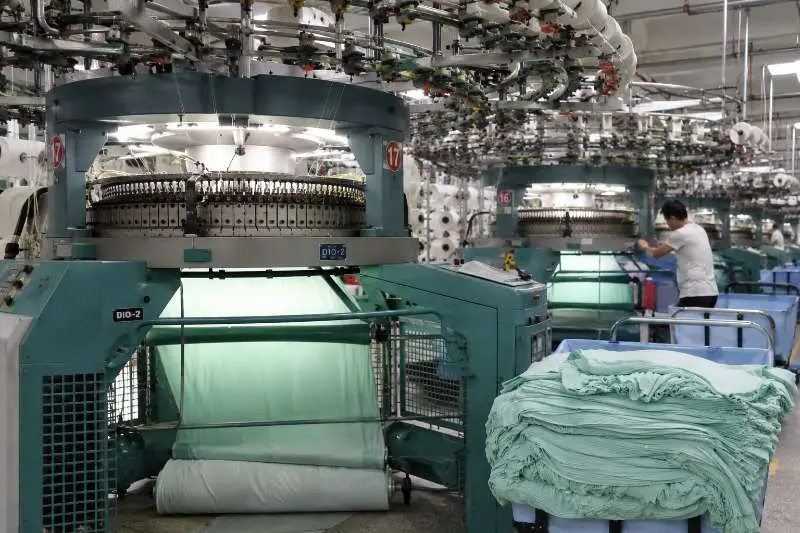
For knit fabric specifically, this matters because knit construction is more sensitive to intermediate handling than woven. Yarn-to-fabric moisture exposure, tension consistency during knitting, and dye-bath timing are all variables that tighten when the supply chain is physically compact. A Foshan-based knitting mill drawing on yarn suppliers and dyehouses within the same zone operates with fewer logistics variables than one stitching together suppliers across provinces.
Runtang Textile's facility is based in Zhangcha Town, Foshan, Guangdong—a zone with established textile infrastructure and direct access to regional dyeing and finishing capacity. Annual production runs to 20 million yards across 20+ knit fabric categories, which reflects a cluster-supported scale. That scale is easier to sustain when a mill has access to nearby yarn, dyeing, finishing, and inspection resources rather than relying on disconnected suppliers.
A common sourcing inefficiency for apparel brands is managing multiple fabric vendors across a single collection. A jersey base, a rib trim, a fleece lining, and a mesh panel might land on four separate sourcing relationships—four sets of lead times, MOQs, and colour-matching conversations.
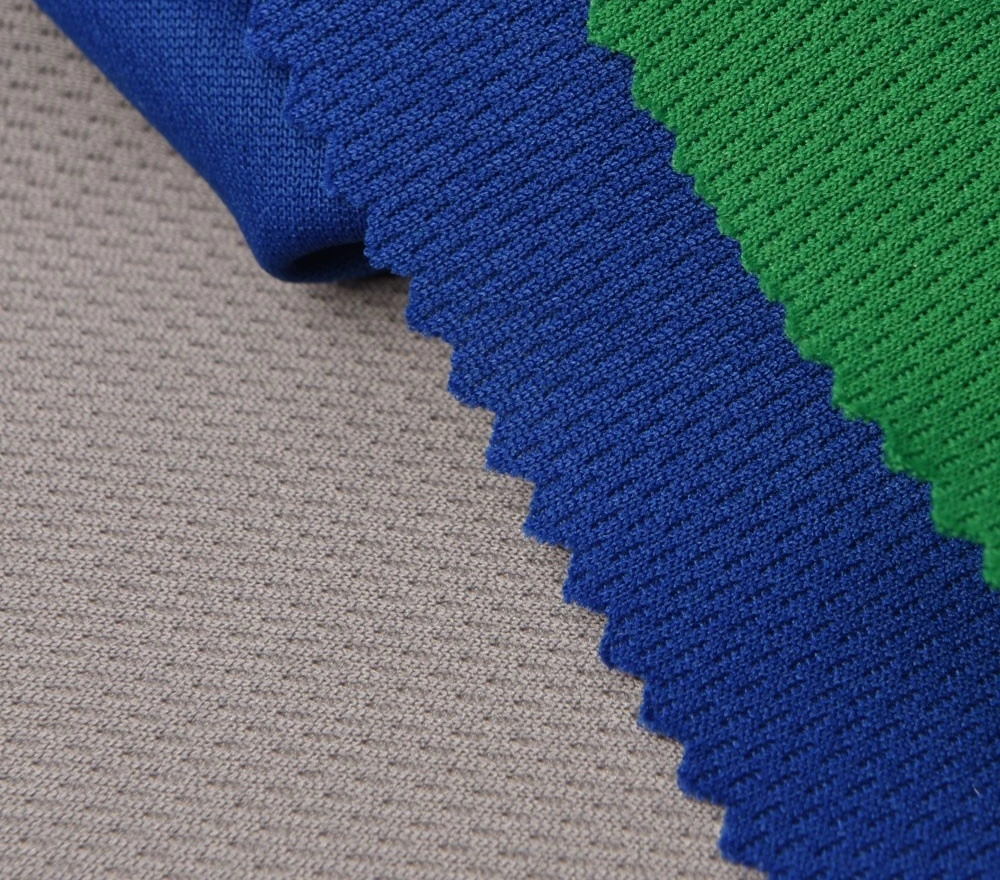
One practical benefit of sourcing from a cluster-embedded producer with broad knit fabric production capability is consolidation. Runtang's range covers single jersey, interlock, double knit, rib knit, french terry, polar fleece, waffle knit, jacquard knit, pointelle, piqué, cable knit, slub knit, velour, chenille, and more—over 4,000 developed styles across those categories. For a brand building a three-to-five fabric collection, that range means fabric R&D, sampling, and colour reference can run through a single production relationship, with consistent base dyeing and finishing infrastructure across all fabrics. That is a coordination advantage that affects both time-to-sample and bulk scheduling.
Brands sourcing their full knit fabric range from a single cluster-based producer also gain a calibration advantage: when one fabric's GSM or colour reference is locked, adjacent fabrics in the same collection can be developed against a shared technical baseline.
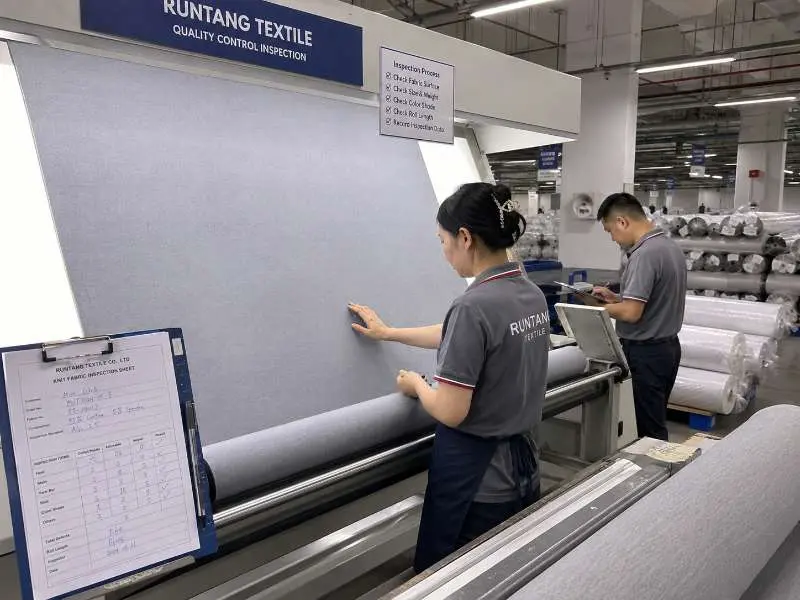
Supplier pages often lead with range and scale, but sourcing teams need to evaluate whether the supplier can hold quality across repeat bulk orders. A producer who performs well on one sample order is not always the same as a producer who can maintain colour, GSM, and defect control across multiple production runs.
Knit fabric production discipline shows up in three measurable places:
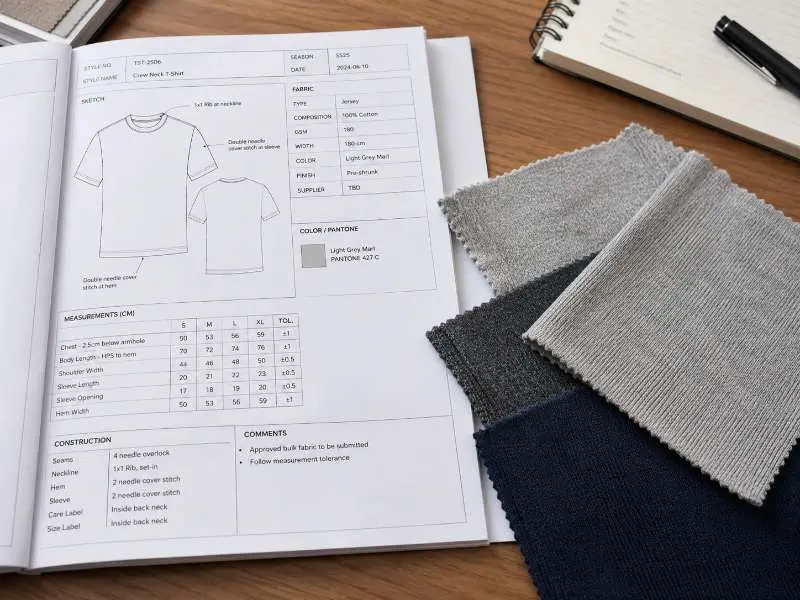
These are not abstract quality claims. They are procedural specifics that a sourcing team can verify before committing to bulk. For a broader view of the apparel brand's fabric sourcing workflow, buyers can compare these QC checkpoints with the steps from tech pack review to bulk approval.
The cluster advantage and category range are visible on a factory tour or a product catalogue. Production discipline is not visible—it has to be surfaced through process questions. The following are the verification points that competent sourcing teams use when evaluating a Chinese knit fabric producer:
Runtang Textile's production process, quality control approach, and brand client track record are detailed on the 会社概要ページ. Sourcing teams evaluating the factory's fit for their specific category and volume requirements are encouraged to request samples as a first step.
For brands with sustainability sourcing requirements, certification availability is a non-negotiable filter. Within China's knit fabric production ecosystem, the practical question is not whether certifications exist—they do—but whether a given producer holds them on the specific fabric constructions and fibre types relevant to your product.
Global Recycled Standard (GRS), Global Organic Textile Standard (GOTS), and OEKO-TEX® Standard 100 certified options are available. Please confirm certification requirements at the time of sampling, because coverage can vary by fabric category, fiber composition, and production route.
For brands sourcing recycled fibre fabrics, the Global Recycled Standard (GRS) tracks recycled content and chain-of-custody requirements from input material through certified production stages. Buyers should verify that a producer’s certification scope covers the specific knit fabric category and fiber composition before placing a sustainability-branded bulk order.
MOQ varies by customisation level. Stock fabrics typically start from 1 roll (~23 kg) per colour. Custom solid-colour production generally requires a minimum of 200 kg per colour. Full custom development—new construction, yarn blend, or finish—usually carries a minimum of around 1,000 kg. These thresholds reflect the economics of dye-bath management and machine setup at each level of customisation.
Request an anonymised repeat-order case, shade band records, or batch comparison documents for the same fabric construction. For colour control, ask for the original standard, lab dip approval record, and bulk measurement reference. Buyers should also request a pre-production sample (PPS) made under the intended bulk parameters before confirming the production order.
It can, depending on the producer's integration level. When knitting, dyeing, and finishing are co-located or tightly coordinated within a cluster, sampling lead times may be shorter than sourcing from geographically dispersed supply chains. Bulk lead times are driven more by order scheduling and capacity allocation than by cluster geography—buyers should confirm lead time commitments directly with the producer at the order stage.
Runtang Textile manufactures knit fabric for apparel brands across Europe, North America, and Australia from our facility in Foshan, Guangdong. If you are evaluating a China-based knit fabric production partner, the most efficient first step is a fabric sample. Request a sample or get a quote to begin.