Approve One Option
Tell us which option you approve, for example “B under D65”, and keep the matching half of the swatch as your reference.
Breistoffenfabrikant sinds 2009 · China

LABDIPS & KLEURMATCHING
Stuur een stofstaal of de juiste Pantone-code, stem de lichtbron af en kies uit labdip-opties geverfd op de stof die u gaat bestellen. Labdips duren 3–5 werkdagen.
3–5 werkdagen
A, B, C of meer per kleur
D65 · TL84 · CWF · A · U30 · UV
Alleen kleur
A lab dip is a small dyed sample made to match your colour standard before bulk dyeing. You send a physical colour reference or a Pantone code, and we dye the fabric you have chosen with several recipes. You receive two or more options, usually marked A, B and C, and choose the one closest to your standard. The approved option becomes the colour standard for bulk production.
A lab dip approves colour only. The swatch is too small to judge hand feel, weight, width or shrinkage; use a fabric sample for those.
A clear colour reference saves rounds of lab dips.
The best colour standard is a physical sample on a similar material: a fabric swatch, a yarn or a garment. If you work from Pantone, choose the guide made for your fabric, because the same colour code looks different on cotton, polyester and paper.
| Colour reference | Made for | Use it for |
|---|---|---|
| Pantone TCX (Cotton) | Dyed cotton swatches | Cotton, cotton blends, viscose and modal knits |
| Pantone TSX (Polyester) | Dyed polyester swatches | Polyester and polyester-rich knits |
| Pantone TN (Nylon) | Dyed nylon swatches | Nylon knits, swimwear and activewear |
| Pantone TPG (paper; older TPX) | Textile colours printed on paper | Acceptable when no textile swatch is available |
| Pantone C / U (Coated / Uncoated) | Printing inks on paper for graphics | Not a fabric standard; we can work from it, but expect a visible difference |
Pantone colour guides are published by Pantone. Along with the colour reference, please tell us the fabric, the end use, the main light source for approval and any tolerance your brand uses.
Colour is only comparable under the same light.
Two colours can match under one light and look different under another. This is called metamerism; in the trade it is often called “flare” or “jumping under the light”. For example, in a set of red lab dips, A may be closest to your standard under D65 daylight while B is closest under shop fluorescent light. We therefore agree the primary light source with you before dyeing, and we assess and you approve under the same light.
| Lichtbron | Represents | Typisch gebruik |
|---|---|---|
| D65 | Average daylight, about 6500 K | Most common primary source for apparel |
| TL84 | Tri-band fluorescent, about 4000 K | Store lighting in Europe, Japan and China |
| CWF | Cool white fluorescent, about 4150 K | Store lighting in the United States |
| A | Incandescent (tungsten), about 2700 K | Warm home and evening light; secondary check |
| U30 / TL83 | Warm white fluorescent, about 3000 K | Retailers that specify warm store lighting |
| UV | Ultraviolet | Shows optical brighteners and fluorescent dyes |
Please give us one primary source and, if your brand uses them, one or two secondary sources. We will flag any option that changes noticeably between them.
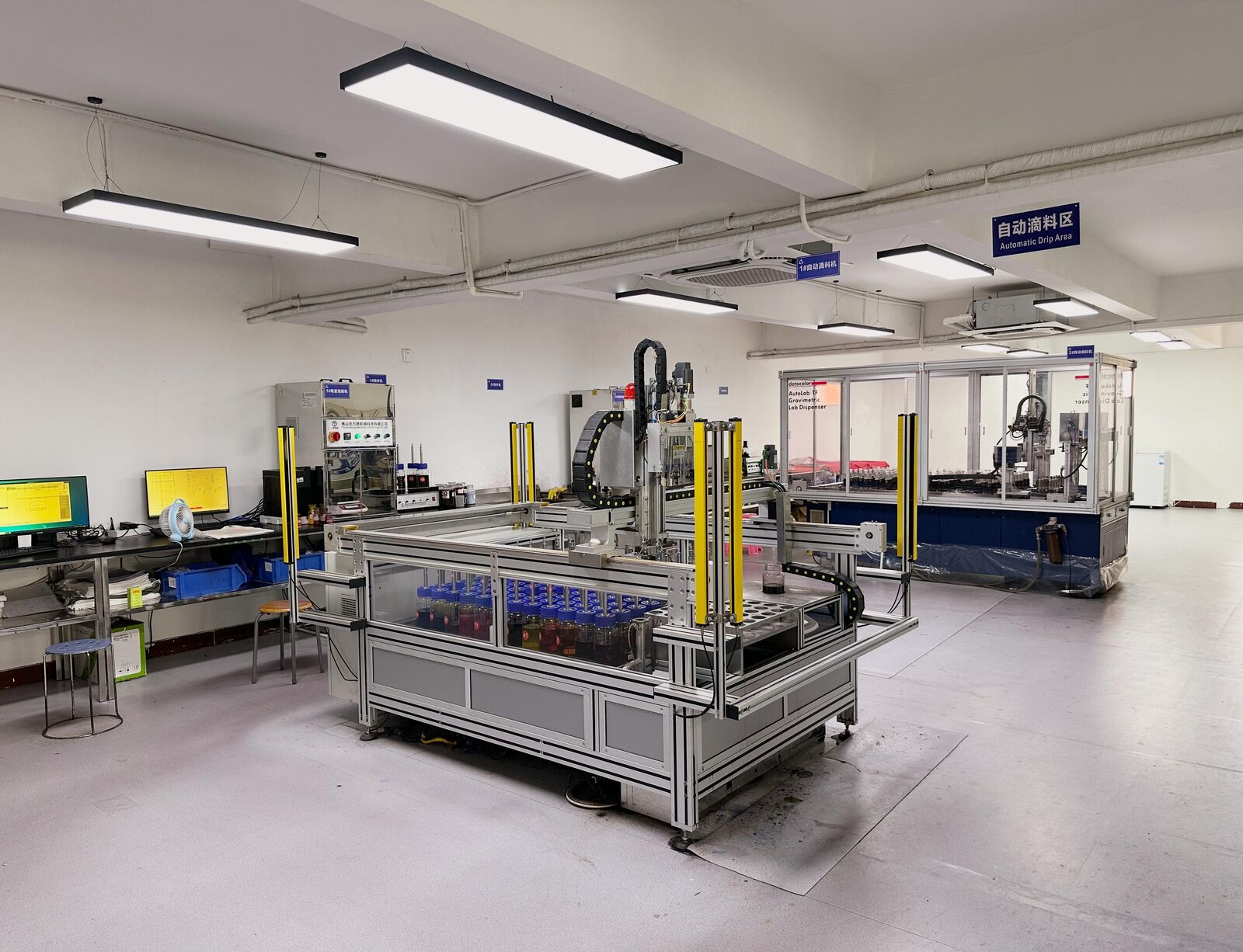
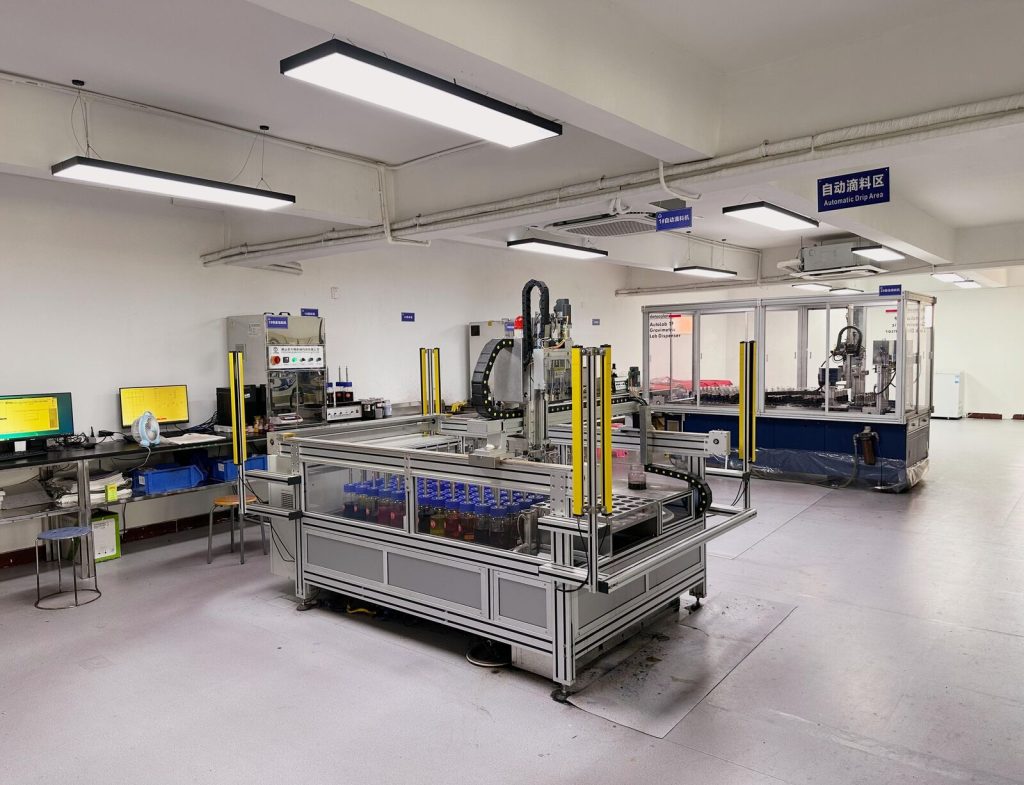
Recipes are weighed by Datacolor automatic dye dispensing systems, and the swatches are dyed in laboratory dyeing machines on the fabric you will order. Automatic dispensing keeps small recipes accurate and repeatable, which matters when the approved recipe is scaled up to bulk.
Tell us which option you approve, for example “B under D65”, and keep the matching half of the swatch as your reference.
If no option is close enough, tell us the direction, such as “redder, slightly lighter”, and we dye a new set.
A lab dip confirms colour. Confirm hand feel, weight and width on a fabric sample of the same quality.
The approved lab dip is the colour standard for bulk dyeing. Each bulk lot is compared with it under the same light source before the fabric moves on. Bulk dyeing runs at a much larger scale than a lab dip, so we check the bulk shade under the secondary light sources as well, because metamerism can also appear between a lab dip and a bulk lot.
Colour fastness is tested on specimens cut from the bulk lot. See fabric testing in our lab.
A lab dip is a small sample of your chosen fabric dyed to match your colour standard, usually in several options marked A, B and C. You approve the closest option, and it becomes the colour standard for bulk dyeing.
Lab dips take 3–5 working days after we receive your colour standard and confirm the fabric and light source.
No. A lab dip is too small for that and only approves colour. Hand feel, weight and width are confirmed on a fabric sample.
This is metamerism: two colours can match under daylight but not under fluorescent or warm light. Agreeing a primary light source, and checking secondary sources, reduces the risk.
Use Pantone TSX (polyester) for polyester and TCX (cotton) for cotton and cellulosic fabrics. Paper guides such as TPG are acceptable, but Pantone C and U codes are printing inks and are not a fabric colour standard.