Breistoffenfabrikant sinds 2009 · China
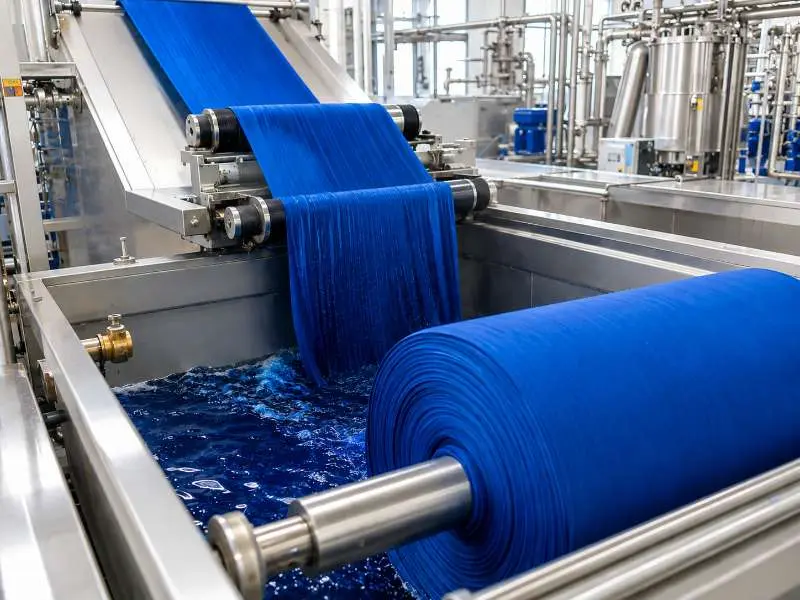
Breistoffenfabrikant sinds 2009 · China

Key Sourcing Takeaways
A spec sheet that lists "low-impact dye" tells you surprisingly little on its own. The term has no single governing definition, no binding certification requirement attached to it, and no universal test standard. When used carefully, the term should signal a verified chemical input and dyeing process claim: MRSL-conformant dyes and auxiliaries, documented dye class, shade-specific records, and wastewater-related evidence where required. Whether a factory is actually delivering that profile is a question sourcing teams need to answer before bulk production, not after.
The term "low impact dye" is not governed by one universal certification. In sourcing practice, it should be treated as a claim about chemical input control and dyeing impact, not as a label by itself. The first checkpoint is whether the dye formulation and auxiliaries conform to the ZDHC Manufacturing Restricted Substances List (MRSL). The second checkpoint is process evidence: dye class, shade depth, wash-off requirements, wastewater-related documentation, and lab dip records. Some suppliers use high fixation or absorption rates as supporting evidence, but this should be presented as one process indicator, not as the official definition of low impact dye.
What "low-impact dye" does not mean is important to clarify for sourcing purposes. It is not a synonym for "organic dye," "natural dye," or "plant-based dye." Low-impact dyes are predominantly synthetic — they deliver environmental benefits through reduced chemical load and higher fixation efficiency, not through biological origin. They are also not a certification category in themselves: GOTS, OEKO-TEX® Standard 100, and ZDHC are the verification frameworks; "low-impact dye" describes a performance profile that those frameworks help substantiate.
Knit structure does not decide whether a dye is low impact; fibre composition and chemical input control do. For cotton jersey or interlock, reactive dyes are commonly used because they bond with cellulose fibres, but bulk performance still depends on pre-treatment, shade depth, wash-off, and finishing. For cotton-polyester knits, buyers need to verify both the reactive dye component for cotton and the disperse dye component for polyester against MRSL requirements. For cotton-modal, cotton-viscose, or other cellulosic blends, the key check is not a second dye class but shade band control and batch repeatability. For spandex-containing knits, temperature limits and fastness should be reviewed during lab dip and bulk approval.
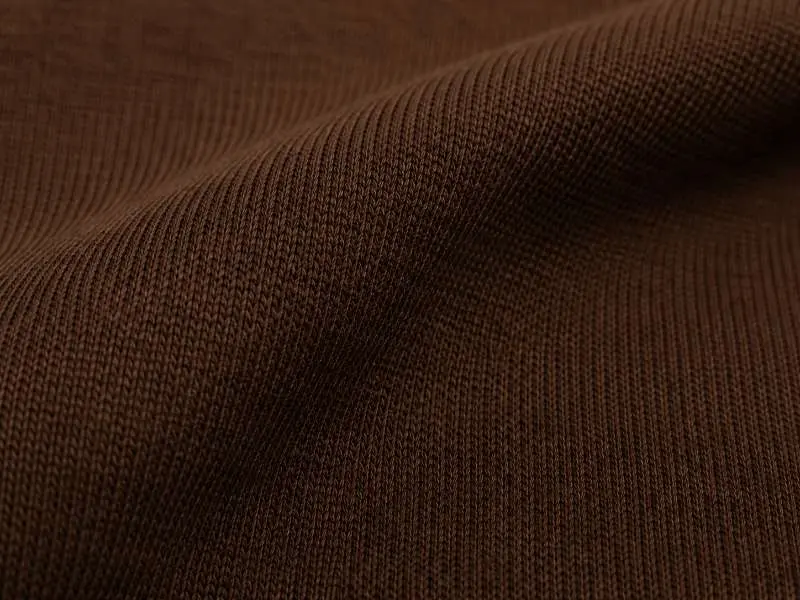
Reactive dyes offer a broad colour gamut for cellulosic knit fabric, covering the majority of commercial colour ranges adequately. For most solid-colour programmes, low-impact reactive dyeing does not constrain colour selection in a practically significant way.
There are, however, shade categories where low-impact dye options may require more attention during the sampling stage:
From a sourcing process standpoint, the colour confirmation workflow for low-impact dye programmes is the same as for standard bulk dyeing: lab dip approval precedes bulk production, and the approved lab dip records should document which dye formulation was used. Requesting this documentation is a standard quality step, and it also forms part of the dye compliance verification trail. For further details on how lab dip approval connects to dye verification, see the guidance on knit fabric lab dip approval.
This is where most sourcing conversations about low-impact dye break down. The claim appears on a spec sheet or a factory overview document, but the verification path is left unspecified. The following steps outline how buyers can substantiate the claim before bulk production commits.
Request a ZDHC Performance InCheck report for the dyeing facility and ChemCheck or SDS evidence for dye formulations where available. Performance InCheck shows the facility chemical inventory’s conformance status against the ZDHC MRSL; ChemCheck supports individual chemical formulation verification. If wastewater impact is part of the buyer’s requirement, ask separately for wastewater test records or ZDHC ClearStream documentation, because chemical inventory conformance and wastewater performance are not the same checkpoint.
Where GOTS-certified fabric is required, do not verify the dye claim only by asking whether the mill “uses GOTS-approved dyes.” Ask whether the chemical inputs used for the order are listed on the GOTS Positive List, and request valid Letters of Approval and Safety Data Sheets where applicable. For finished fabric that will carry a GOTS claim, the buyer should also check certification scope and transaction documentation through the certified supply chain.
At the sampling stage, the practical request is not always the full dye recipe. Buyers can ask for the approved lab dip record, shade reference, dye class, batch or recipe code, and supporting chemical documents such as SDS, ChemCheck, or GOTS Letters of Approval where relevant. Exact recipe percentages may remain confidential, but the factory should still be able to provide enough documentation to connect the approved lab dip with the chemical compliance route used for bulk production. For repeat orders, custom dyeing for knit fabric should connect the approved lab dip, recipe code, dye class, and bulk dye lot records so the same shade can be reviewed again before reorder production.
As noted above, multi-fibre knit constructions require verification of each dye system component. A single confirmation that "reactive dyes are used" does not address the disperse dye component on polyester or other synthetic fibres present in the blend. The verification request should specify the full fabric composition.
For Runtang Textile's jersey knit fabric and other knit fabric categories, dye process documentation and chemical inventory information can be discussed at the sampling stage. OEKO-TEX® Standard 100 certified options are available. Please confirm certification requirements at the time of sampling.
For the majority of commercial colour programmes, no. Reactive dyes — the primary low-impact dye class for cotton-based knit fabric — cover a wide colour range including mid-tones, neutrals, and standard fashion shades. Deep blacks, neons, and certain fluorescent shades may require additional confirmation at the sampling stage, as these shade categories sometimes involve dye systems that need specific MRSL review. Confirming colour viability at the lab dip stage, with the dye formulation documented, is the standard practice for both standard and low-impact dye programmes.
The most auditable verification path is the ZDHC Gateway Performance InCheck Report, which documents a factory's chemical inventory against MRSL conformance levels. For GOTS-certified orders, the certification chain from the dyeing processor provides equivalent documentation. At the sampling level, requesting dye formulation records for approved lab dips creates a verifiable reference for bulk production. A factory operating with genuine low-impact dye processes should be able to provide at least one of these documentation types without difficulty.
Runtang Textile manufactures knit fabrics for apparel brands across Europe, North America, and Australia. Request a sample or get a quote to discuss dye process documentation, certification availability, and fabric specifications for your next collection.
 Technische knowhow
Fijnheid van breimachines: hoe die handgevoel, stekendichtheid en productiesnelheid bepaalt
LEES MEER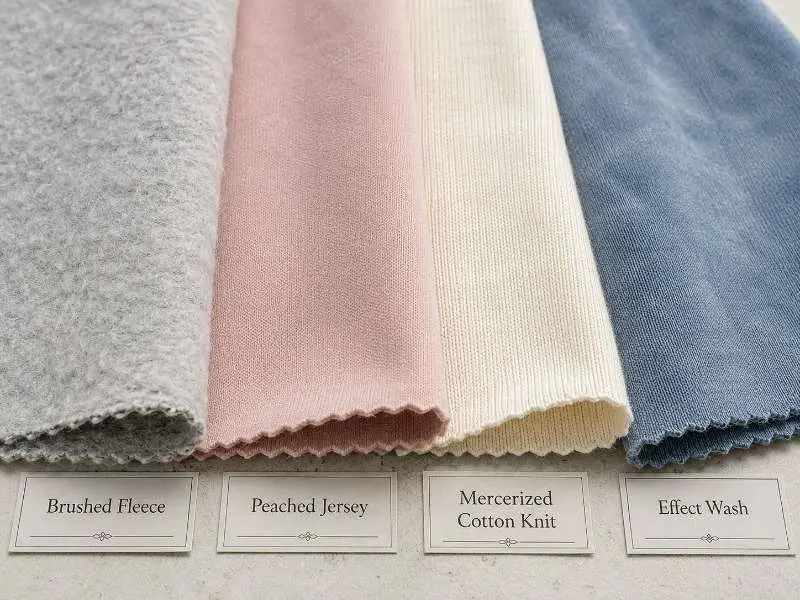 Inzichten van de fabrikant
Afwerking van gebreide stof voor kleding: brushing, peaching, merceriseren en wassen — wat elk oplevert in bulk
LEES MEER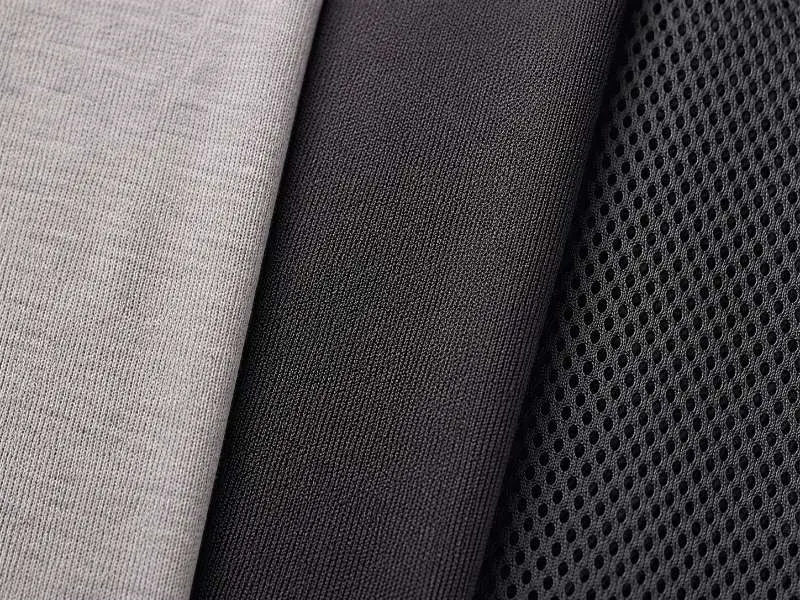 Inkoopgids
Keuze van breistof voor activewear: wat de vezeltabellen missen en inkoopteams nodig hebben vóór bulkproductie
LEES MEER Inkoopgids
Gebreide stof voor ondergoed: wat inkoopteams moeten weten over zachtheid, stretch en huidveiligheid
LEES MEER Stof
Tricot breisel: begrijp dit lichtgewicht en duurzame materiaal
LEES MEER