Breistoffenfabrikant sinds 2009 · China

Breistoffenfabrikant sinds 2009 · China

The world of fashion design reaches for a touch of texture with comfortable creation through fabrics. Fabric is available by the yard. Rib knit fabric is one of the creations. Raised rows create a vertical line and a rib. They are best for T-shirts.
Rib knit has separate uses in the apparel sector. They no longer come in use for making clothes. Rather, this fabric excels at making the accessories of the garment. That is- collars, necklines, cuffs, and waistbands. A variety of widths and contents also represent ribs.
Rib knit fabric refers to the perpendicular ribs in unusual but different sets. These ribs there on the front and back sides of the fabric. They are reversible and double-faced. It is a textured material. There are vertical ridges on both sides. Rib knit has defined features. For instance, excellent elasticity, and good recovery.
All these features are possible. Because of the alternating stitches of knit and purl. These stitches form a pattern with great stretch and flexible features. This fabric has ideal applications in crafting things. For instance- sweaters, tops- form-fitted, and activewear. This fabric lends each piece. Each of these pieces has a unique texture and cozy behavior.

Rib knit fabric requires fibers from different ranges. For instance, cotton, and wool are some of their fiber type. However, the fabric is predominantly available in cellulose fibers. They are cotton, rayon, viscose, modal, and lyocell. The construction of rib knit fabric has distinct characteristics.
Synthetic fibers are there to make rib knit. For instance, rayon, polyester, and acrylic. They are- High elasticity and texture appearance. This fabric prefers to be used in garments. It is because of rib knit is incredibly soft. There is also a crosswise stretch. Rib knit fabric, for its construction, mostly applies to making camisoles, cardigans, and sweaters.
Rib knit patterns are of three common types:
Rib knit fabric is well-made with a machine. The machine is called a Double Knitting Machine. The perpendicular ribs are the only way you can identify the rib knit. In weft knitting, there is a basic stitch that comes into use. The knitting machine has needles in two sets. These needles operate at right angles to each other.
Rib-knit possesses elasticity in terms of direction. The direction is crosswise. Rib knit is not a fabric that fits all types. But its rib designs are full of different fabrics. The fabric is the same on both sides because of the rising ribs. Rib knit can be of several types because of the rib design. This ribbed design can be put on almost any fabric.
Rib knit requires two needle sets. These sets operate in between each other. However, these stitches are knitted on the fabric side: The wales of face and back stitches are there. These fabrics are on machines with knitted patterns with two-needle sets.
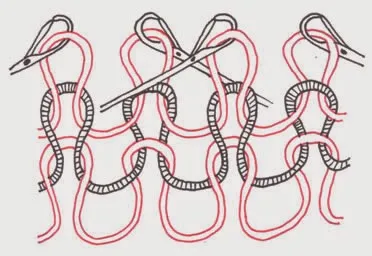
Rib knit fabric has been different over the years. Different in the basis of construction. This construction difference cannot be simply referred to by the different typologies. Typical rib knit tends to be in an aligned form. The aligned form is near the hem.
This knit fabric makes the fabric stretchy. The fabric has also had an excellent recovery. It also makes the clothing fit in the design perfectly. The fabric fits the body without any sort of stretching and curling.
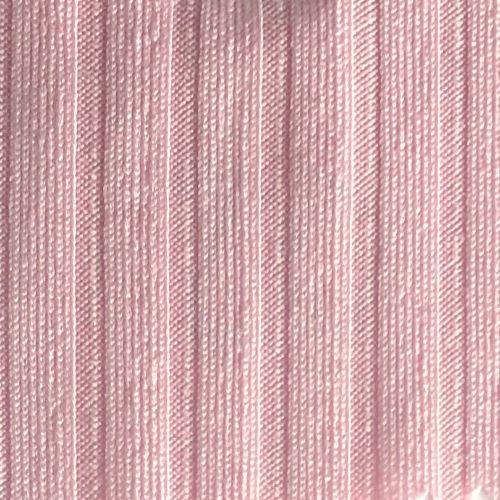
It has a ribbed effect. This effect is well-constructed of a mixture of cotton and other yarn. The fabric also works as an alternative.. The alternative is to the production of knitwear.
| Fabric Popularly Known as | Double knit-stof |
| Fabric Composition | Synthetic fibers |
| Fabric Stretchability | Premium |
| Fabric Durability | |
| Fabric Wrinkle Resistance Ability | Hoog |
| Fabric Weight | 180-190 GSM, heavier |
| Fabric Cost | Expensive |
| Fabric’s Tendency to Curl | Laag |
| The End Use of Fabric | Socks, Cuffs, Outerwear. |
Rib knit fabric has features- soft to the touch, ribbed texture, dull appearance, heavier weight, thick amount, and whatnot. Some other feature types are in the following:
Rib knit fabric possesses 2-way stretch. This feature makes the fabric a perfect choice for high-stress areas. Apart from that, some rib knit appears with vertical stretch. For example, an 8X3 rib made of polyester and spandex has 4 ways to stretch. Not only the stretch is good, but the fabric can quickly return to its original shape with good recovery. This feature also has a benefit. That is, the fabric is easy to sew. They neither get frays at the edges nor curl.
Pre-wash can also be done at a warm temperature. Usually, a medium-dry cycle is enough to use in the process of drying rib knit clothes. After two or three cycles, the rib knit will have fluff balls if there is rayon material here. Laying the fabric down on the towel. This will ensure that there is no expansion. These small steps will keep the rib knit clothing fresh and brand new even after using it for several years.
There are some other features, for instance, rib knit is heavier in weight compared to Jersey. It is very stretchy and has identical insides. Although the fabric is heavier than or jersey, the fabric or texture does not remain always comparatively. Ribs can be small, thick, and uneven. All of these depend on stitches.

With high elasticity and elongation, rib knit fabric comes with various applications. The ranges cover from apparel, and accessories, to home decor. In most use areas, rib knit fabrics tend to create full garments. Ribbing is the process that creates cuffs, waistbands, and others because of the elasticity. So, there is a difference.
Rib knit fabric is available in local sewing groups. Also, you can find in any online fabric retailers and wholesalers. Social media sites are also an important source in this case.
Rib knit fabrics is not hard to identify or choose from. All you have to do is stretch the rib knit to see the alternative columns of stitches. Columns that you will find are plain and purl stitches in the lengthwise direction.
Features of soft, comfortable, and cozy things contribute to the fabric being summer-friendly. This same goes for rib knit fabric too. Rib knit fabric is an ideal choice to wear during spring and summer. Also, the fabric can be in a layered up form throughout seasons like autumn and winter.
Cuffs are one of the versatile uses of rib knits. The fabric offers textured stripes in a vertical position. This texture helps to contribute to the making of the neckbands and cuffs.
Rib knit fabric has interlooping yarns. These yarns create vertical ribs. Ris with two types of stitches. They are: knit and purl. The fabric is stretchy in a high range. It is elastic in terms of width and length.
Yes, rib knit fabric is a warm-like fabric. More warmth is there in the rib knit because of trapped air. The trapped air is there in the ribs.
Rib knit fabric comes in a wide range of types. 1X1 and 2X2 are stitch types. 1X1 pattern shows that one stitch is knitted whereas one stitch is purled. Meanwhile, rib knits can be achievable with the same width.
Rib knit fabric comes with distinctive ridges in vertical shapes. The wide range of application areas of rib knit in making cuffs, and waistbands represent that the fabric has elasticity and the ability of shape retention.
Rib knit fabric mostly comprises cotton, polyester, and other blends. Choosing specific fibers depends, in terms of weight and textures. This fabric can be of different ranges. It can be lightweight or sturdy. All these features depend on the type of yarn and stitches used in manufacturing.
 Niet gecategoriseerd
Het productieproces van breistof onthuld: een reis van kwaliteit van garen tot eindproduct
LEES MEER Stofvergelijking
Power mesh, sport mesh en voeringmesh: drie soorten meshstof, drie verschillende sourcingbeslissingen
LEES MEER Technische knowhow
Vochtafvoerende gebreide stof: vezelkeuze, structuur en afwerking
LEES MEER Stof
Interlock: de gladde breistof voor sportkleding
LEES MEER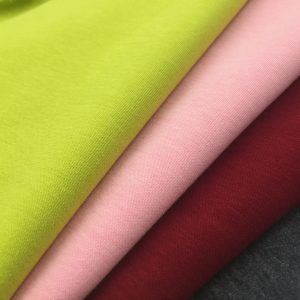 Branche-inzichten
4 soorten belangrijk kledingstofmateriaal
LEES MEER