Olupese Aṣọ Hun Lati 2009 · China

-
 Idaduroṣinṣin
2026-05-28
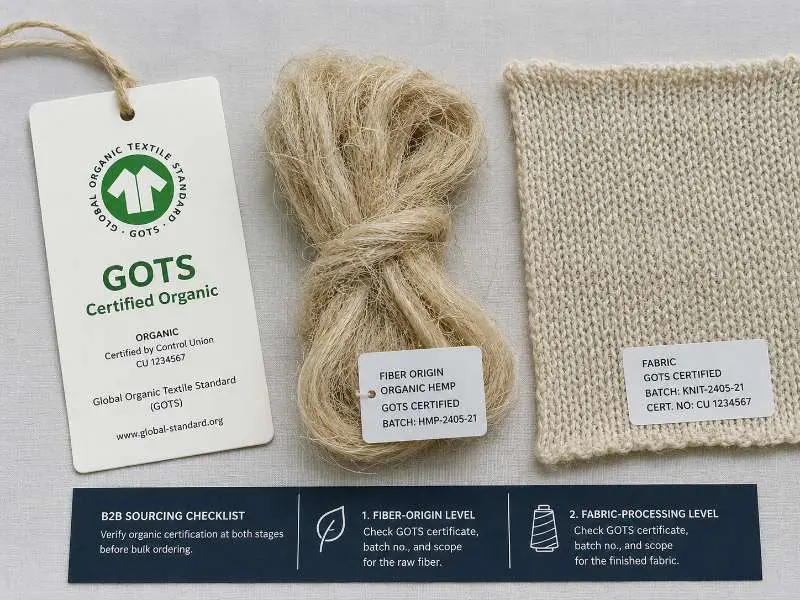
Hemp and Linen Fabric in Knit Apparel: Bulk Behavior, Certification, and What to Check Before Sampling
Ka siwaju -
Idaduroṣinṣin
2026-05-28
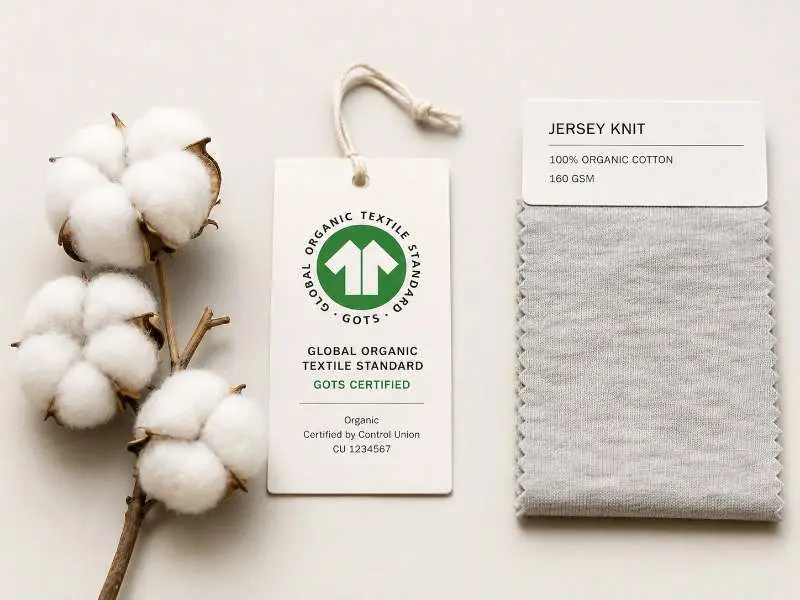
3 Ways to Source Sustainable Cotton Fabric for Knit Apparel — and How to Choose
Ka siwaju -
Imọ Imọ-ẹrọ
2026-05-28
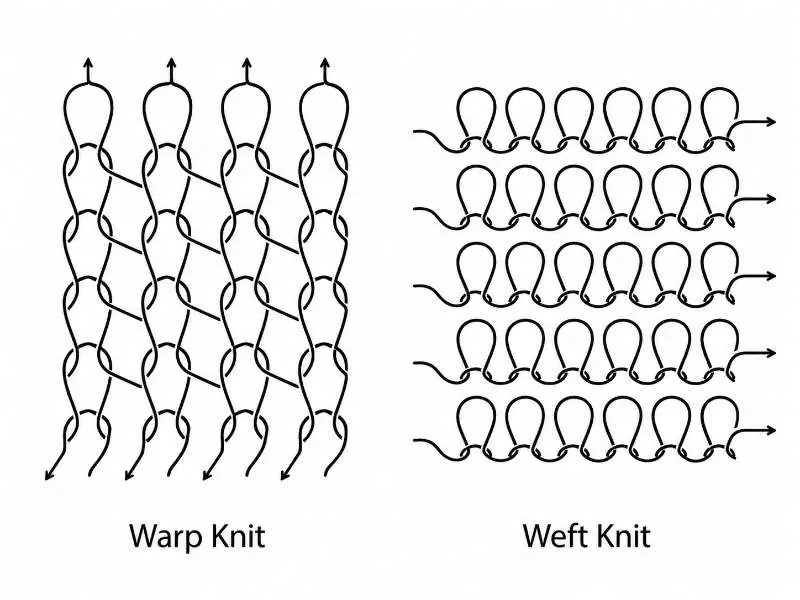
Warp Knit vs Weft Knit: Tricot, Mesh and Jersey Structures Compared for Apparel
Ka siwaju -
Awọn Imọran Olupese
2026-05-28
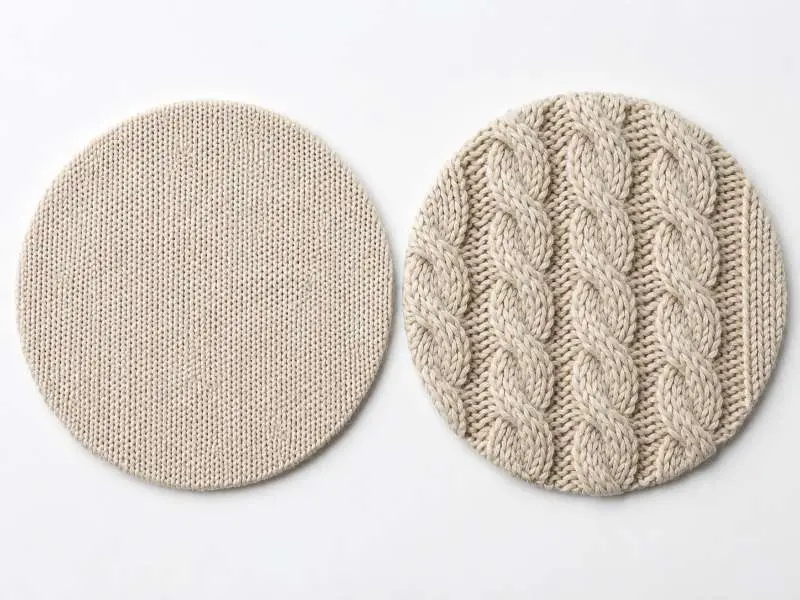
Circular Knit vs Flat Knit: Production Differences That Affect Bulk Apparel Output
Ka siwaju -
Awọn Imọran Olupese
2026-05-28
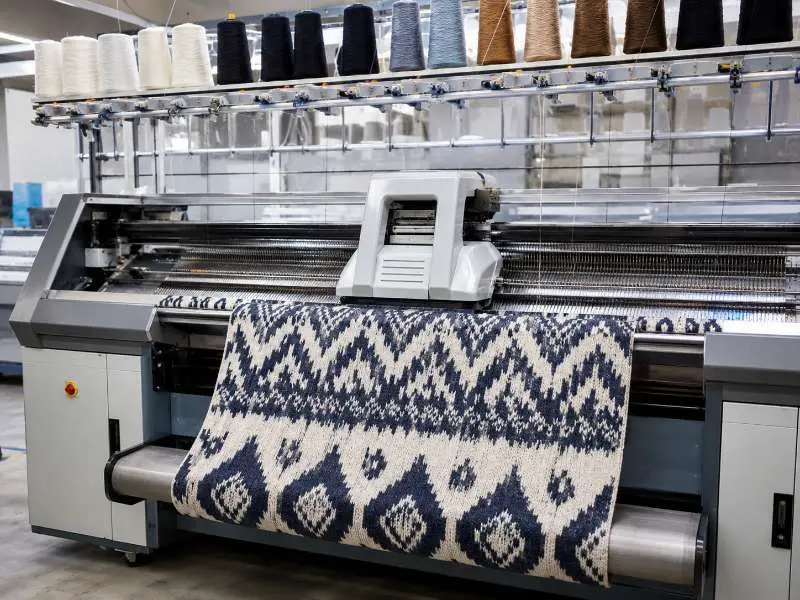
Jacquard Pattern Development for Knit Apparel: Repeat, Yarn Selection and Sampling Realities
Ka siwaju -
Awọn Imọran Olupese
2026-05-28
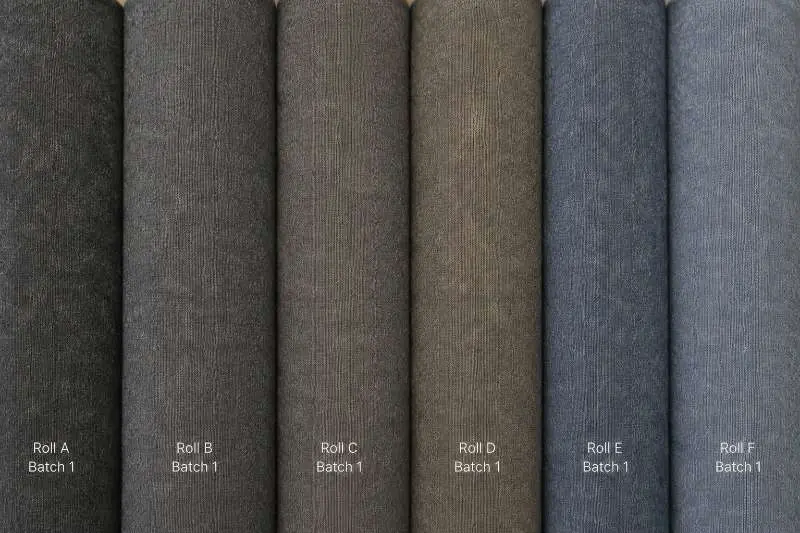
Kí Ni Ìdí Tí Aṣọ Ìfọ̀ Acid Fi Ń Yàtọ̀ Lára Rọ́ọ̀lù Kọ̀ọ̀kan — àti Bí Àwọn Àṣẹ Nínlá Ṣe Ń Mú Kí Ó Wà Níkàárò
Ka siwaju -
Awọn Imọran Olupese
2026-05-27
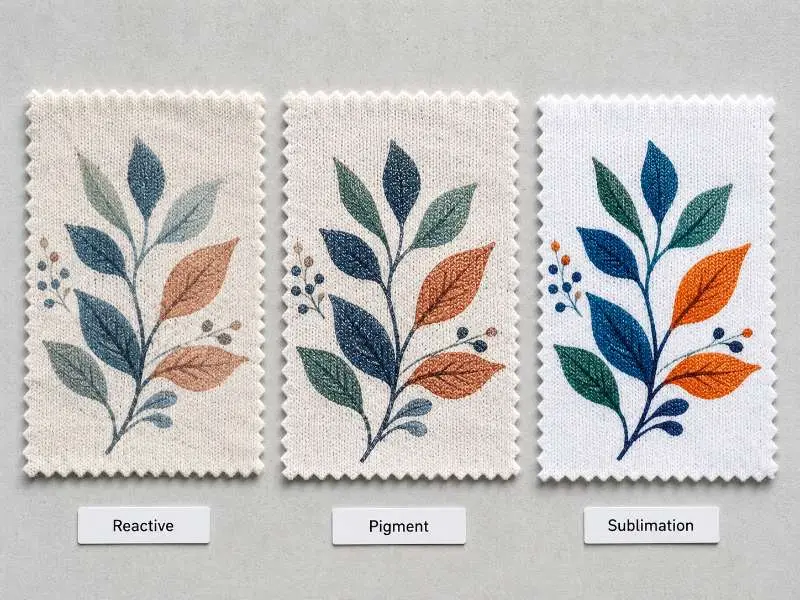
Which Print Method Works Best on Custom Knit Fabric? Reactive, Pigment and Sublimation Compared
Ka siwaju -
Awọn Imọran Olupese
2026-05-27
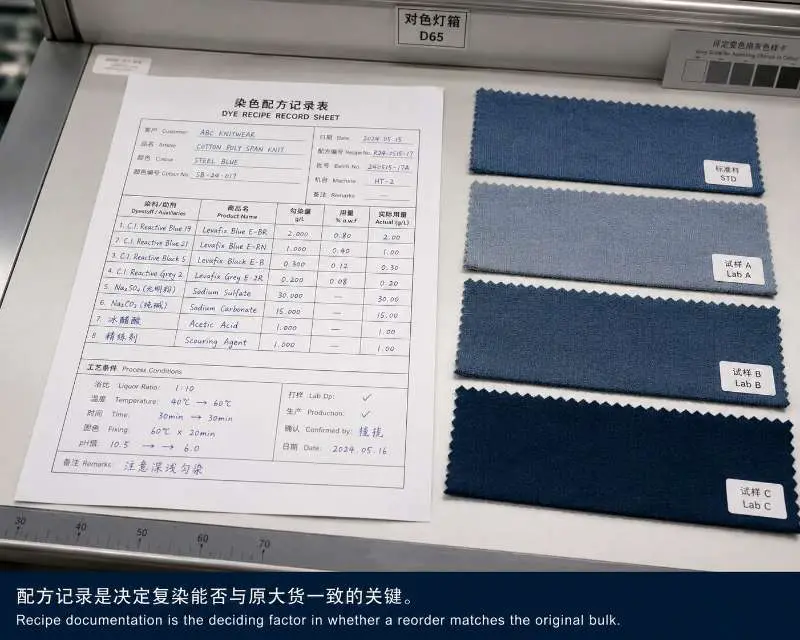
Why Custom Dyeing Fabric Fails at Reorder — and What Knit Buyers Should Fix
Ka siwaju -
Idaduroṣinṣin
2026-05-27
Low-Impact Dye for Knit Fabric: What It Means, What It Covers, and How to Verify It Before You Order
Ka siwaju