Olupese Aṣọ Hun Lati 2009 · China

Olupese Aṣọ Hun Lati 2009 · China

The water turns dark when you wash a new cotton top, yet the fabric seems much the same once dry. Another top leaves little visible colour in the water but starts looking grey around the folds. These experiences involve different observations: what enters the water, what leaves with detached fibres, how the remaining fabric looks […]
Ka siwaju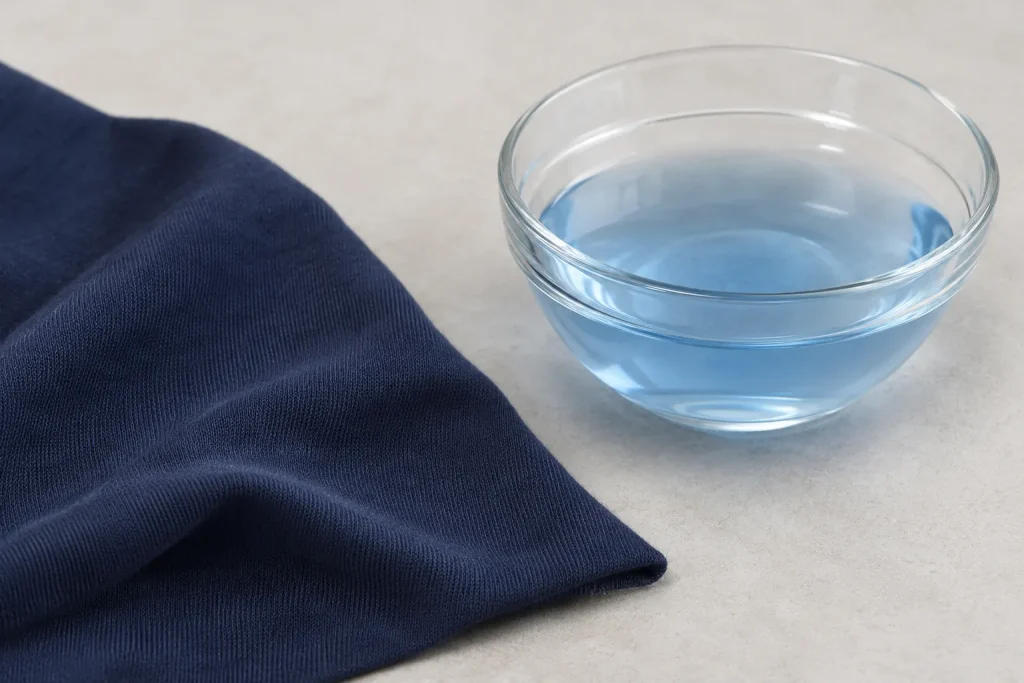 Ìmọ̀ ẹ̀rọ
Quick Answer: compare knit fabric suppliers on three separate lead times — lab dip, sample and bulk — and on what each one includes, not on a single headline figure. Then score each supplier on capacity for your construction, MOQ, pilot runs, repeat-order timing, customization and shipping, and ask for documents that support each answer. […]
Ka siwaju Ìmọ̀ Olupese
Quick Answer: approve a knit fabric sample only after it passes four gates: it is the fabric you ordered (identity), it is free of visible defects, its physical and colour results meet written tolerances after the intended wash, and a garment prototype made from it performs as designed. Record every result in an approval record […]
Ka siwaju Itọsọna Ṣiṣe Orísun