Producent dzianin od 2009 · Chiny

Producent dzianin od 2009 · Chiny

Ottoman fabric refers to the ribbed texture originating from Turkey. Its strong, dense structure gave the fabric a lustrous appearance. Made primarily from silk fibers, the fabric features ridges.
This fabric is available in both woven and knitted forms. Weaving tradition mostly offers versatility in upholstery, decoration, and trimmings. It remains durable and inexpensive.
Ottoman fabric refers to the ribbed structure fabric. The fabric creates ridges and weaving. Ridges vary based on thickness. The weaving way makes the fabric strong and dense. There is a texture in the fabric that is inexpensive and strong. It is used for costume and event decoration.
This fabric is tightly woven and lustrous. Coats, upholstery, trimmings, sweaters, activewear, and coats are application areas. There is a knit texture named ottoman rib. This rib comes with a texture effect.
Ottoman material is a silk-made cloth. It is woven or knitted using the fiber yarns. The fiber yarns can be both cotton and synthetic. There is also the use of artificial silk yarns, for instance, rayon and polyester. Yarns can be available in blended versions. It depends on the end use of the fabric.

Doesn’t the name Ottoman refer to the Ottoman Empire? It surely does. Because Ottomans were the ones who introduced this fabric to Europeans. Since the Ottomans introduced it, the fabric denotes the origin country Turkey. The origin and introduction of all these ice-breaking parts happened in the century of 18th.
Ottoman that time, used to be a padded seat with no arms and back. This idea is now a reality as furniture makers have started to make similar kinds of seats. These seats are cushions heaped and formed with main pieces.
Ottoman fabric is Turkey-origin. It is a weaving art originating from Turkey. Here, the weaving means striking patterns, colors, and others. The weaving represents a strong cotton base and silk. In the fabric, there are flat-shaped crosswise ribs.
The size of the rib differs. Some ottomans offer small ribs. A few ottomans come in ribs. It alternates in size. The size can be both wide and narrow. Ottoman has the use in upholstery. Ottoman as a fabric affects the appearance, durability, and texture.
The Ottoman fabric consists of natural silk fibers. The fabric has a natural sheen. There is the ribbed surface that offers alternative strands. There are alternative strands. These strands belong to yarns. It can be a thin silk yarn or a heavier silk yarn. There is also the use of natural fibers. For instance, cotton, wool, etc.
Besides, this fabric can be synthetic fibers made. Silk, wool, or a blend of these two contribute to its making. The chosen fiber influences the texture, sheen, and drape of the fabric.
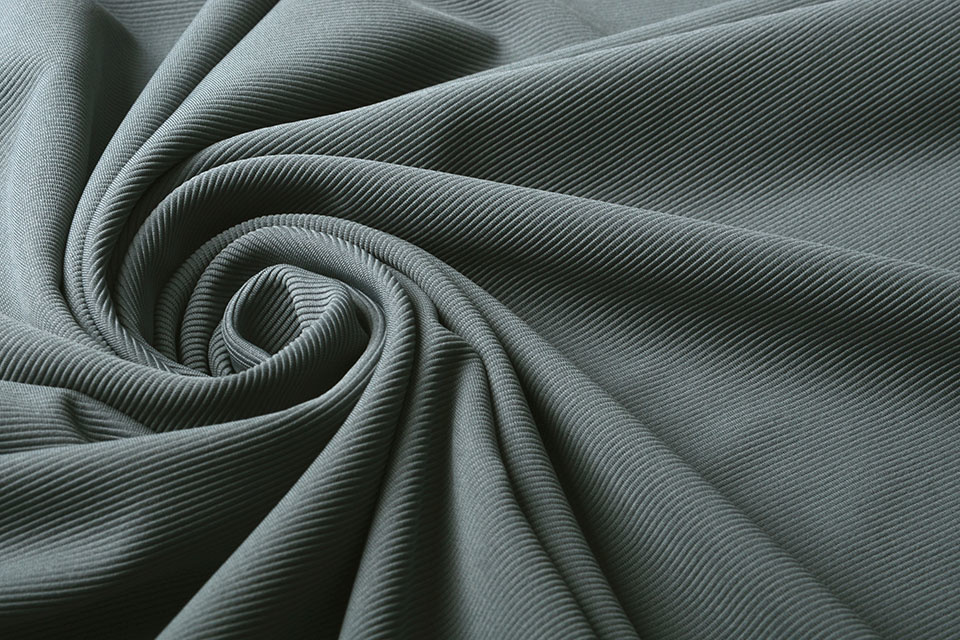
Ottoman fabric is woven but in a hand-made way. It has a heavy ribbed structure. In this woven corded fabric, there is an uneven match in weight in both warp and weft. The weight creates a ribbed effect. Ottoman does not break but tends to slip at the seams. It is manufactured via a process of knitting.
This knitting process has the interlacing yarns of warp and weft. Raised patterns are part of the creation of manufacturing process. There is the knitting of weft yarns over the warp yarns. This process results in the ribbed texture which is distinct.
A few steps are there in the knitting process. For instance:
The Ottoman fabric has silk, natural fiber, cotton, or silk-like threads. From formal wear to footstools, Ottoman has come a long way. It is a tight woven. The fabric has a shiny texture, specialized for upholstery and decoration.
The Type of Ottoman depends on two things: Weaving type and knitted type.
Another fabric type of Ottoman is-

| Fabric Name | Ottoman |
| Fabric Composition | Natural and Synthetic fibers |
| Fabric Wrinkle Resistance | No tendency to wrinkle |
| Fabric GSM/Weight | 220-240 GSM (It can be 150 to 500 GSM as well) |
| Fabric Stretch | 4-Way Stretch |
| Fabric Washing Temperature | Wash at 40 degrees Celsius |
| Used in | Apparel, Home Decor, Home Furnishing |
Ottoman fabric does not feature a lot of themes. But these 3 features have kept the fabric popular for decades:

Ottoman fabric is a texture. It comes a great use for upholstery purposes. For heavy-duty outerwear, this fabric comes in great use. The weave features a ribbed look to the surface. This is what makes the fabric easy to care for. Here are some areas where this fabric comes in use:
Ottoman fabrics also make great handy seats and footstools. The fabric is removable as well as washable. So, getting a fresh look never goes in vein.
Ottoman fabric is easy to clear. They come in both woven and knit. The fabric has a ribbed weave. Hence, the cleaning requires the following things. They are:

It is an interlock fabric. The fabric consists of two interlock courses. The effect side of the fabric is full of 6 half-gauge jersey courses in a knitted manner. Also, there is a horizontal relief ridge. The formation of Ottoman rib happens on a rib and rib-tuck basis. It has the effect of a pronounced rib.
The main material is a mixed version of cotton and different yarn. The fabric has contributed to knitwear production. Also, this fabric is up for garments. Garments mean sweatshirts, cardigans, pullovers, sweaters, and dresses.
Patterned ottoman refers to the stylized motif with shimmering metallic threads.
Ottoman is a material but it was made of silk in its origin time. Present-day, ottoman denotes the material found in both woven and knitted. There is the use of cotton and synthetic yarn. Also, rayon and polyester come into use. Mostly these fiber yarns come individually and sometimes they get blended. Individual or blended, these ways of making this material depend on the end use.
Ottoman is an exceptional material. The main usage of this textile is to make heavy-duty wear. It means the fabric can withstand harsh conditions. It does get worn out easily. Ottoman has a high tensile strength to contribute to the heavy-wear duty preferred works.
Ottoman jersey is a ribbed effect-made product. It is for sewing purposes. Ottoman jersey is suitable for products like sweaters, and sweatshirts.
There are a handful of suppliers who have this fabric in their collection. For instance:
Ottoman has two other names to be recognized. One name is Ottoman Rib Fabric, and Another is Corded Fabric. It is not exactly the corded. Ottoman as a fabric involves a specific weaving technique that raises cord-like ridges.
Meanwhile, corded fabric does the same. However, not all corded fabrics have the features of ottoman fabrics.
Ottoman fabric does not get wrinkled easily. The fabric is stretchable. The weight can range from light to heavy weight. However, some uncertainties can occur.
Ironing of the rib effect can damage the fabric. Besides, the fabric requires regular cleaning for upholstery. The fabric also holds allergens that might not be great for specific individuals.
In the sewing world, the ottoman fabric is a renowned name. The fabric has created styles for home designs for traditional and contemporary purposes. As a fabric, Ottoman provides a peak performance to uphold elegance and sophistication.
Its distinct ribbed texture creates a redefined look for apparel. With a tight weave and textured surface, Ottoman remains a popular choice for various applications in the entire fashion and home furniture industry.
 Know-how techniczne
Odkrywanie tajemnicy dzianin pikowych
CZYTAJ WIĘCEJ Wiedza branżowa
8 rzeczy, które powinieneś sprawdzić przed zakupem materiału na bluzę z kapturem
CZYTAJ WIĘCEJ Wiedza branżowa
Dzianiny produkowane są głównie z włókien o jakim składzie
CZYTAJ WIĘCEJ Wiedza branżowa
Podwójna dzianina kontra dzianina pojedyncza
CZYTAJ WIĘCEJ Wskazówki producenta
Reklamacje wad dzianin: dokumentacja, protokoły kontroli i procedura rozwiązywania
CZYTAJ WIĘCEJ