2009年創業のニット生地メーカー · 中国
2009年創業のニット生地メーカー · 中国

The term ‘Scuba’ lets us dive into the world of fashion with a double knit feature. Wrinkle resistance, lightweight, sleek texture all these denote to the Scuba. But there lies a dilemma about the material of Scuba.
Neoprene is the material that makes the fabric less breathable. Also, Scuba is one of the fabrics that is non-biodegradable. Synthetic materials make the fabric limited in some aspects. Yet, Scuba marks its footprints as a fashion-friendly fabric in various applications.
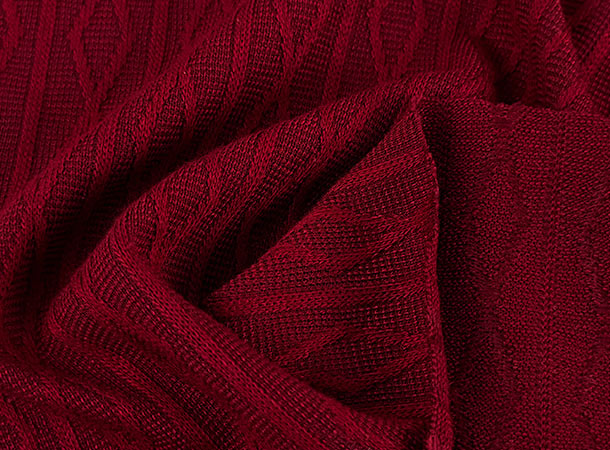
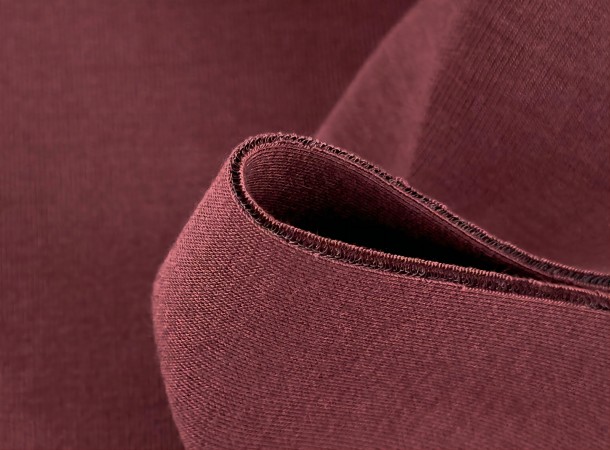
Scuba fabric refers to the neoprene material (Chloroprene rubber) made of double-knit jersey fabric. Double knit here means the fabric is thick and heavy in terms of single knit. To create this double-knit texture, there has been the use of two sets of needles and yarns. It is made of polyester and spandex. In the case of adaptability, Scuba is extremely suitable. This feature helps the fabric to be used in different clothing.
Scuba knit tends to be heavyweight. It is also a weft-knitted fabric with spun yarn making. Applications of Scuba are apparel, sportswear, fashionwear, home decor, etc.
The initial curation of scuba traces back to the decade of 1930s. Rubber usage was experiencing a downfall in the global supply. So, in the alternative to Rubber, DuPont Corporation prompted the idea of Scuba and found a fabric solution.
In the beginning years, Scuba was used to reign in military applications. After the Second World War, Scuba offered versatile applications and went beyond the military. Scuba material started to become popular among surfers and scuba drivers mainly since then.

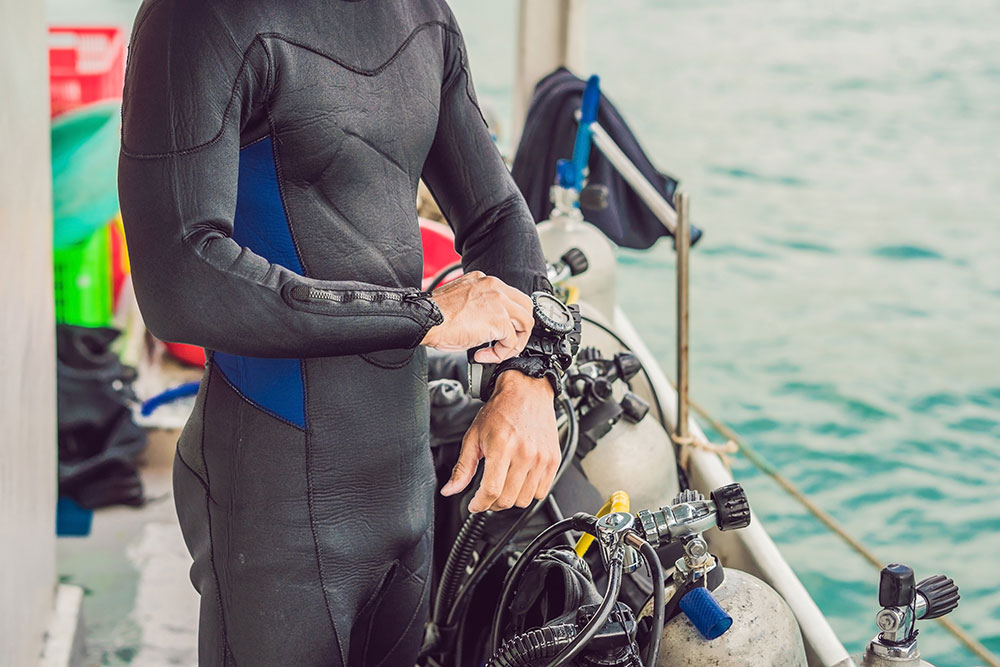
Besides, the issue of scuba diving in the beginning years was about water permeability. Neoprene makes a barrier between the skin and the environment around it. That is why the fabric is ideal for making scuba diving gear. But neoprene brings a disadvantage as well. As a fabric, neoprene is not a breathable one. The fabric holds moisture and does not wick away easily. Moisture wicks away when you take off the Neoprene cloth.
The main fibers of Scuba fabric are Polyester and Spandex. Polyester-made Scuba has a two-way stretch. Many suggest the fabric composition to the synthetic polymerization of the material- chloroprene.
Also, there is the use of Neoprene, the fabric’s other name. Neoprene denotes the synthetic textile type. This fabric, consisting of 92% polyester and 8% elastane blend, helps to make a thick fabric with a smooth and spongy feel. Besides, this fabric is well-constructed using the double-knit method.
Here are the steps of the manufacturing process of Scuba:
Scuba is a stretchy fabric. As a fabric, it is a little springy. The fabric feels smooth and soft. Also, it has a nice drape. Scuba can be available in different ranges and floral prints. Scuba is both thick and resilient. The fabric is stretchy because of the 4-way stretch. It is thick and spongy textured. The drape goes well with the fabric. The fabric has a good grasp on the original shape holding.
Scuba has two major variants. For instance:
Another type of Scuba Fabric is:
The other side is smooth, soft, and woven texture. The only feature that makes a difference between Crepe and Scuba Crepe is the mixture of Spandex in polyester during the making of Scuba Crepe.
| Fabric Name | Scuba; Neoprene Scuba |
| Fabric Composition | Synthetic fibers |
| Fabric Breathability | Zero (Neoprene materialed) |
| Fabric Moisture Wicking Ability | Absent |
| Fabric Heat Retention Ability | 高い |
| Fabric Stretch Ability | 高い |
| Prone to Pilling | Medium |
| Washing temperature | Low Setting; cold |
| Fabric Print Type | Digital and Rotational |
| Fabric GSM | 110 |
| Used in | Apparel, Home Decor, Digital Accessories |
For fashionable, accessories, or stylish decor purposes, Scuba fabric stands tall. It has also uses in figure-hugging fashion and sportswear.
Scuba only requires a few caring instructions. For instance:
Scuba fabric does not fray. It is the most positive thing about the fabric. The fabric, if hemmed, tends to have a finished look. The use of binding refers to the fabric being non-fray in nature.
Scuba hardly requires a lining. Because the fabric is already thick. Pre-washing can be practiced in the case of this fabric. The smooth surfaced Scuba tends to be prone to snags. Using a ballpoint and a stretch needle use are suggestions if snagging happens.
Scuba knit fabric has had a significant impact on the fashion industry in recent years. The reasoning is broad. For instance:
In the entire world, scuba is produced in large quantities by India, the United States, China, and Japan. Among these 4 countries, The USA is the only Neoprene producer.
China is the source of Chloroprene rubber. China is currently the biggest producer. Also, there are companies in the Netherlands, Japan, and India that largely produce this fabric.
Neoprene is a petroleum-based polychloroprene. It has a trade name. The trade name is chloroprene rubber. The usual rubber was not available during the Second World War. So, corporations initiated this chloroprene rubber as an alternative to the general one.
Scuba fabric has impacts on the environment. It is only then that the material is Neoprene. Petroleum-based chloroprene rubber requires limited resources but produces a huge amount of non-disposed waste.
Limestone chloroprene rubber is another type that is better for the environment comparatively. Polychloroprene types are not biodegradable at all. Chloroprene rubber can take millions of years to be disposed of in the environment. So, overall, the sustainability depends on the material used in the Scuba.
Some manufacturers have fully focused on polyester and spandex-made scuba with fine gauge thread. The blend makes the fabric smooth in texture. But there is a confusion or a dilemma between Scuba fabric material and Neoprene.
Neoprene is just a synthetic rubber in a hybrid form. It is durable, flexible, and perfect for use in wetsuit making. Scuba no longer serves the alternative purpose of synthetic rubber. So, Neoprene Scuba is hard to find.
Almost every fabric has benefits and drawbacks. Scuba is not different here. So, the benefits of Scuba are
Drawbacks of Scuba Fabric are:
Scuba or Neoprene, no matter how anyone recalls the fabric, it provides extreme comfort, stretch, and insulating properties. The concern lies with the fabric not being moisture-wicking, biodegradable, sustainable, and breathable. These features shall too pass if the fabric continues to catch the trends in the fast fashion world.