2009年創業のニット生地メーカー · 中国
2009年創業のニット生地メーカー · 中国

Understanding fabric weight is essential for choosing suitable materials for your projects. It's not just about the measurement but also how the weight affects a fabric's appearance, feel, and performance. Let's dive into the exciting world of fabric weight, explore its significance, and learn how to measure it with professional and straightforward tools.
When ordering fabric, weight plays a pivotal role. Heavier materials often cost more and can affect shipping charges due to their weight and volume. Conversely, lighter fabrics require larger orders to achieve the desired coverage. Keeping this in mind helps you manage your budget and logistics effectively.
GSM (g/m²): A global standard, GSM stands for Grams Per Square Meter, indicating the fabric density.
Gram per yard (g/y): Often used in factories, this measures the mass of fabric per yard.
Oz per square yard (oz/yd²): Predominantly used in the UK, this unit measures the fabric weight per square yard.

Yes, GSM and g/m² are indeed the same. GSM is an acronym for grams per square meter, a metric unit used to measure the weight of fabrics or paper. This unit indicates the weight of the material per square meter of its area. Similarly, 123g/m² is a metric measurement for the weight of fabric or paper, representing 123 grams per square meter. Hence, GSM and g/m² are interchangeable terms, both referring to the same measurement unit.
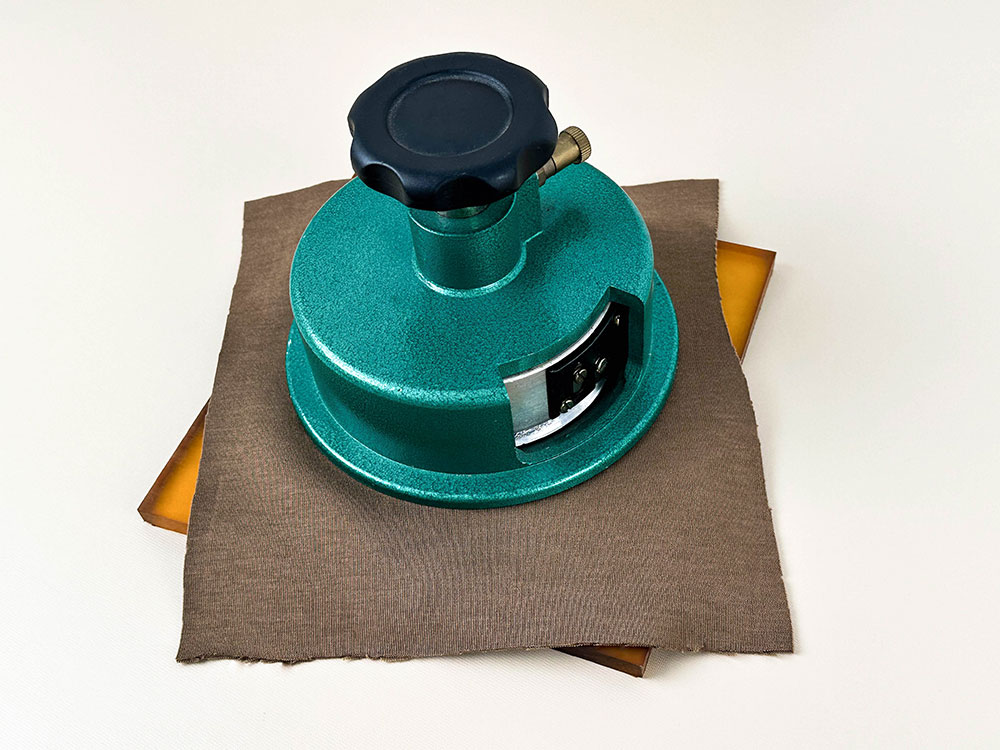
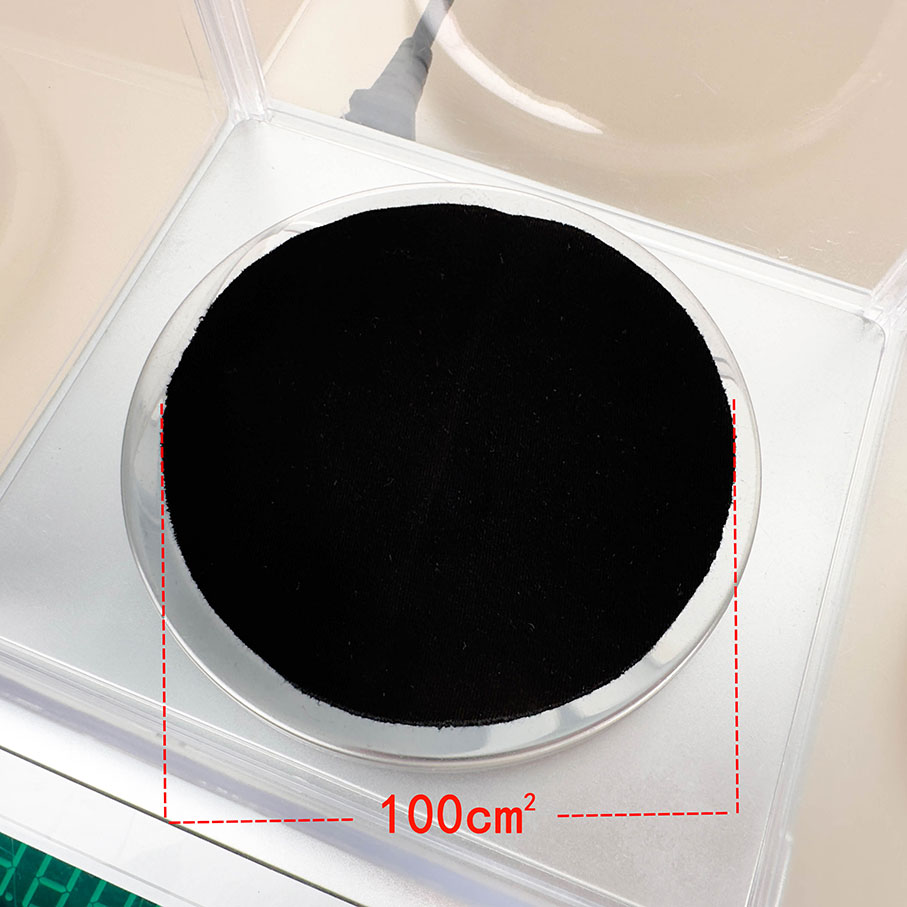
Use a GSM cutter and a precision digital scale to cut and weigh a fabric piece, then calculate the GSM.
A ruler and pen can be used to measure a fabric swatch, and its weight can be determined using a precision digital scale. The formula 10, 000 ÷ ( area in cm² ) × ( weight in grams ) = fabric weight in g/m² 10,000÷(place in cm²)×(weight in grams)=fabric weight in g/m² is then applied.
In the textile industry, humidity is a crucial factor, particularly during the processing of fabrics. The air's relative humidity (RH), which indicates the level of water vapor present compared to its maximum capacity at a given temperature, significantly influences the weight of fabrics, especially for moisture-absorbent materials like nylon. Nylon, known for its hygroscopic nature, either absorbs or releases moisture based on the surrounding air's relative humidity. This means that nylon fabrics can become heavier in high humidity as they soak up moisture, whereas, in low humidity, they tend to lighten as they release water.
Beyond just affecting weight, humidity also impacts other critical textile properties such as tensile strength, elasticity, fiber diameter, and friction. These changes can alter the fabric's overall quality and performance. Therefore, controlling air humidity during fiber processing is essential to minimize moisture fluctuations and maintain the integrity and consistency of the material.
Embracing this comprehensive understanding of fabric weight will enhance your material selection and streamline your fabric-related costs and logistics.
Several factors come into play when determining whether knit or woven fabrics are heavier. The weight of a fabric is influenced by the type of material used, the construction method, and the fibers' thickness. Generally, knit fabrics tend to be lighter than woven fabrics. This difference in weight is due to the distinct manufacturing processes: knit fabrics are produced by interlocking yarns using long needles, creating a stretchy and flexible material. This flexibility makes knit fabrics an excellent choice for form-fitting clothing.
In contrast, woven fabrics are crafted by interlacing two sets of yarns at right angles, resulting in a stiffer and less flexible material. This characteristic stiffness of woven fabrics makes them more suited for structured garments and home decor items. Therefore, while the material and fiber thickness play a role, the construction method primarily dictates the weight and flexibility of knit versus woven fabrics.