2009년부터 이어온 니트 원단 제조사 · 중국
2009년부터 이어온 니트 원단 제조사 · 중국

Manufacturing yoga clothing entails more than stitching fabrics together; it involves a strategic selection process that directly influences the performance and satisfaction of yoga practitioners. The fabric choices made are pivotal in ensuring comfort, flexibility, and overall functionality during yoga sessions. We delve into the critical fabric criteria that should guide cloth manufacturers in creating yoga attire that meets the expectations of yogis.
Selecting the right fabric for yoga clothing is crucial to ensuring comfort, flexibility, and overall performance during practice. The fabric must meet key requirements:
Prioritizing these fabric requirements enhances the yoga experience by promoting freedom of movement, comfort, and overall well-being.
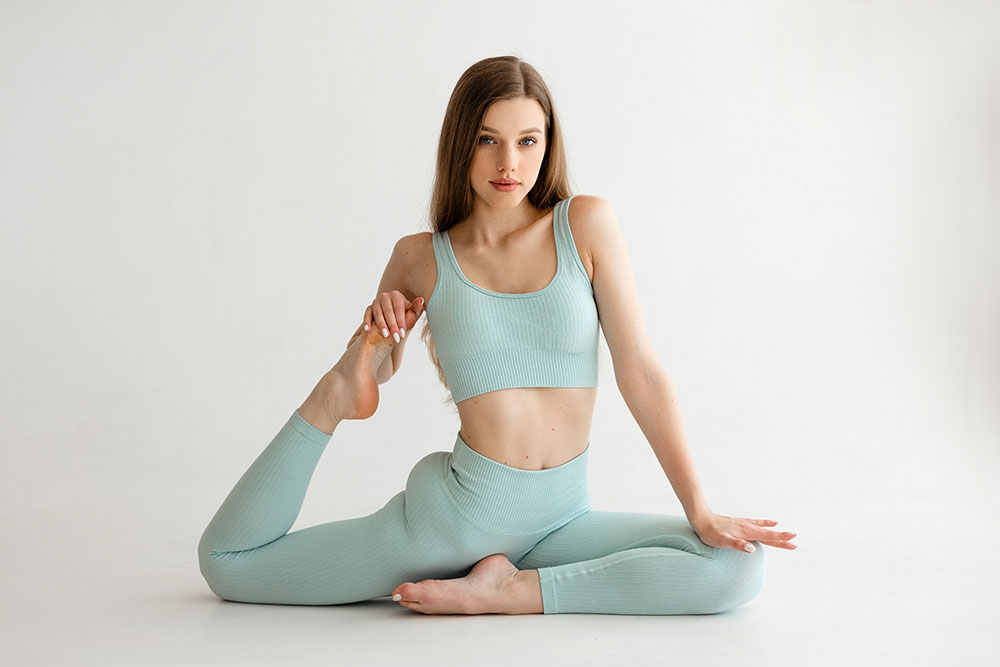
In the realm of yoga clothing, selecting the right fabric is pivotal for optimal comfort and performance. Three prominent choices—Cotton, Nylon, and Polyester—emerge as key contenders, each offering distinct qualities tailored to the unique demands of yoga practice.
코튼 stands out as a preferred choice for yoga clothing, prized for its softness, comfort, and breathability. Its natural fiber quality enables effective air circulation, making it particularly well-suited for yoga practitioners in warmer climates. The comfort derived from cotton adds to the overall enjoyment of yoga practice, aligning with the need for clothing that supports ease of movement and breathability.
나일론 emerges as another popular and practical choice for yoga wear fabric, excelling in both abrasion resistance and elasticity. To enhance the flexibility of yoga clothes, manufacturers often incorporate 5% to 40% spandex into the nylon blend during production. This strategic combination results in a fabric that meets the specific demands of yoga wear scenarios. Notably, the affordability of this fabric, coupled with its exceptional cost performance, has contributed to its widespread market success.
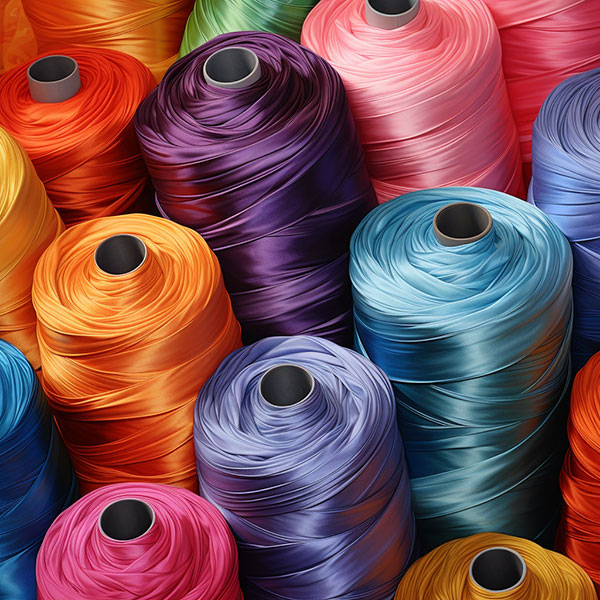
폴리에스터 presents itself as a commendable option for leggings, boasting a lightweight yet durable composition. Despite its feather-light feel, polyester fabric maintains impressive longevity. One of its standout features lies in its exceptional sweat-wicking abilities, a crucial attribute for yoga clothing. The fabric effectively manages moisture, making it virtually indispensable for those seeking comfortable and performance-oriented leggings that endure the rigors of various poses and workouts.
Optimal yoga attire integrates substantial amounts of nylon, polyester, spandex, bamboo, and lycra, delivering durability, stretchiness, and moisture-wicking properties. These fabrics strike a harmonious balance, providing the ideal blend of comfort, breathability, and flexibility.
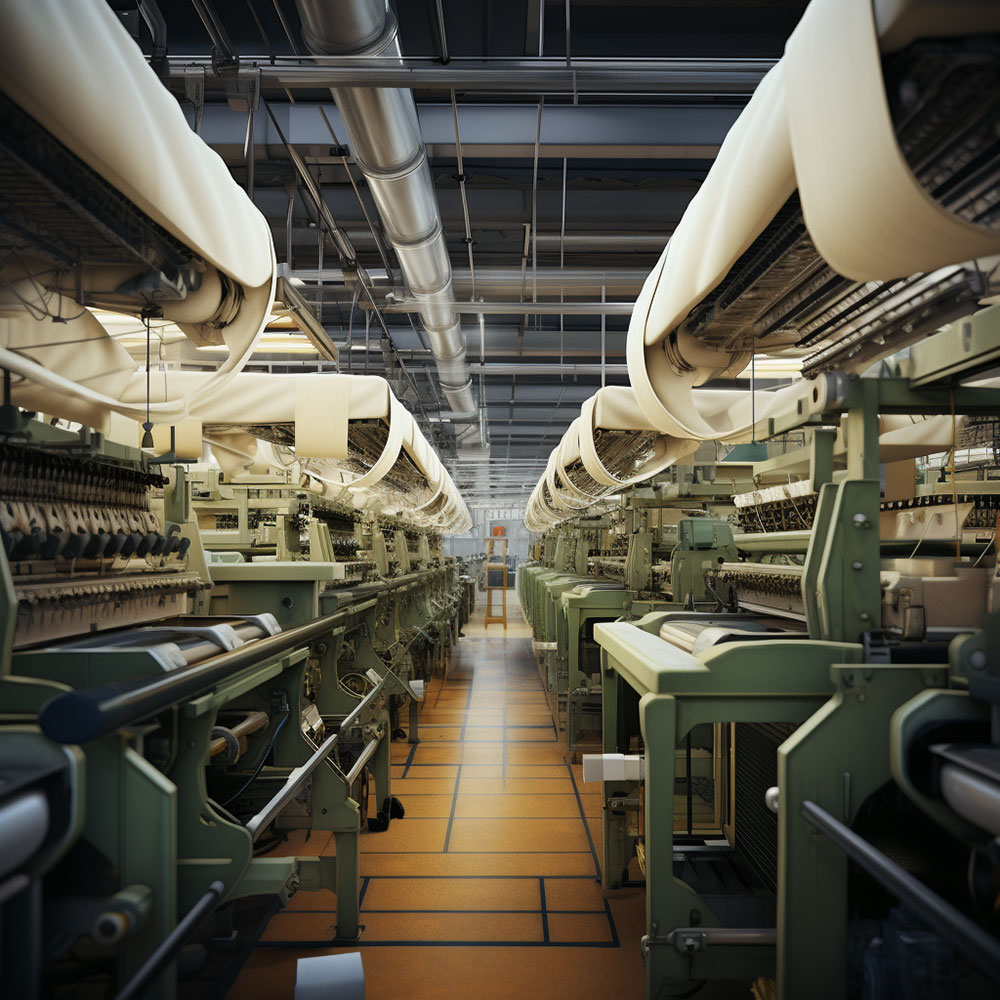
Yoga clothing comes in both knit and woven fabrics. Knit fabrics, known for their flexibility and stretch, conform seamlessly to body movements during yoga. On the other hand, woven fabrics, while providing structure and durability, offer a distinct feel and design. This versatility allows yogis to choose between the comfort of knits and the resilience of wovens based on personal preferences.
Crafted from Runtang knit fabric, yoga wear boasts the most popular choices, including Nylon Knit and Interlock Knit, with occasional options in Jacquard Knit. We typically find these fabrics in weights ranging between 160 and 260gsm, ensuring a balance of comfort and durability for a seamless yoga experience.
Learn more about Runtang Fabrics:
In the dynamic realm of yoga clothing, the fabric is the silent architect of a practitioner's experience. Prioritizing breathability, flexibility, and durability ensures that yoga attire becomes an ally in the pursuit of wellness. For cloth manufacturers, this emphasis on fabric excellence is not just a preference—it's the key to crafting yoga wear that resonates with the active and discerning yoga community.
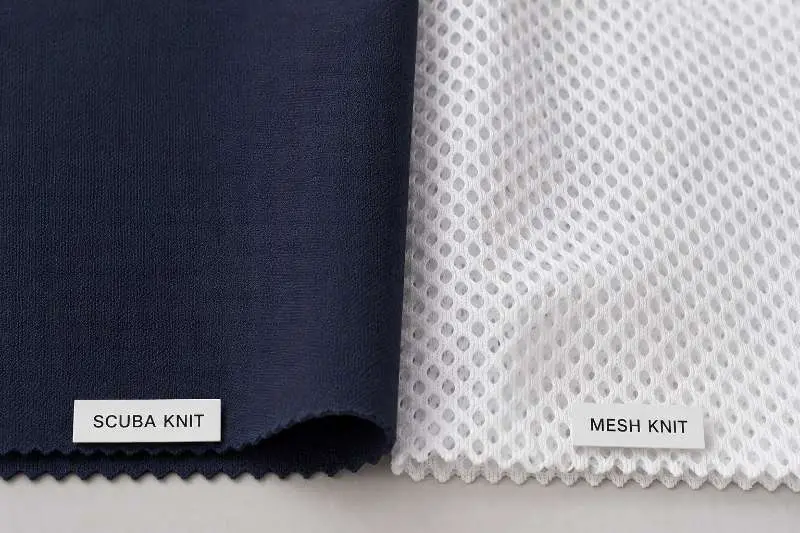 소싱 가이드
비치웨어 브랜드가 실제로 주문해야 할 원단 — 그리고 니트 구조가 모든 것을 바꾸는 이유
더 보기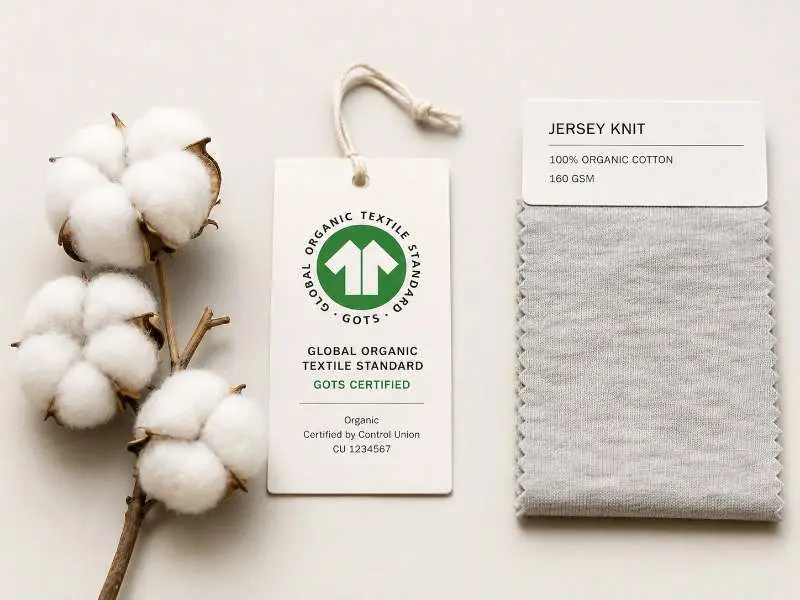 지속가능성
니트 의류용 지속가능한 면 원단을 소싱하는 3가지 방법 — 그리고 선택 기준
더 보기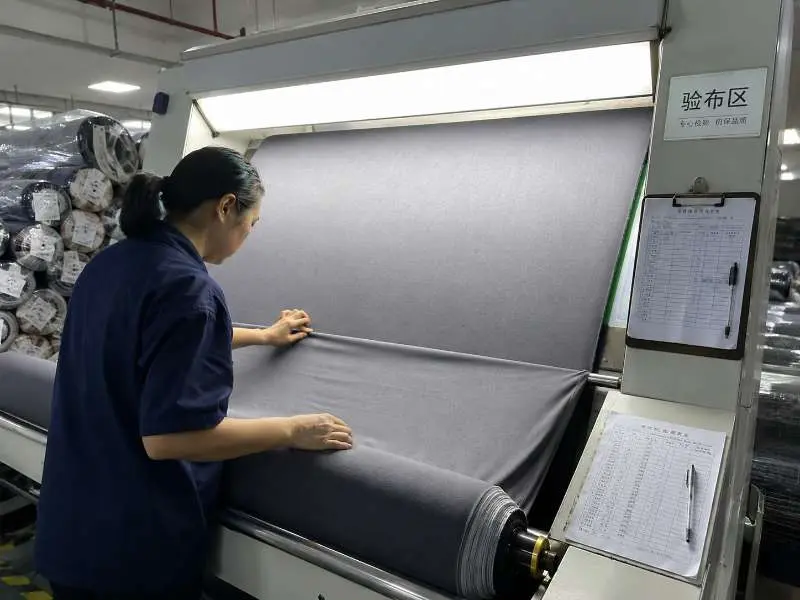 제조사 인사이트
의류 브랜드를 위한 니트 원단 품질 관리: 4점 검사와 색상 밴드 승인
더 보기 업계 인사이트
후드티 원단을 구매하기 전에 확인해야 할 8가지 사항
더 보기
기술 노하우
요가 원단 필수 요소: 편안함과 기능성
더 보기