Knit Fabric Manufacturer Since 2009 · China

Knit Fabric Manufacturer Since 2009 · China

Pique fabric belongs to heritage fabrics. Heritage fabrics are rare to find these days. Specialty lies in these products in making different things. One of the things is cloth diapers.
Any fabric that makes the wearer stay cool is appreciated. Pique, that is why, is the timeless choice for many. It has its origin in France. The fabric adapts to fashion trends. The fabric adds a touch of elegance to any apparel, home furnishing, or accessories making.
Pique fabric refers to the cotton knit fabric. This cotton knit fabric has a textured pattern covered. The fabric is durable. There is a knit construction named ‘The Cross-Tuck Knit’. This construction creates an effect of cellular to make a subtle texture.
Pique is versatile due to the nature of being woven. It has a tiny and textured pattern sequence. That is why, the appearance seems quilted. The fabric offers a specialized weave with the creation of small bumps on the surface area.

Pique fabric traces its origins back to the century of 18th. The fabric appears as the developed one from the north side. The Lancashire cotton industry is the one that brought this fabric. The roots of this fabric are known as Marcella.
At that time, the fabric went through a technique that made it a woven double cloth. The cloth offers an enclosed cording weft as well. The fabric becomes a key material in the fashion of Men by the mid-20th century.
Cotton is the general material to make pique fabric. Because of this cotton, the fabric gains softness with optimum breathability. For warm climates, it is an ideal deal to make the fabric an excellent choice. Although cotton is the material in this fabric, the fabric can be both tough and durable. The level of strength makes the fabric suitable for sportswear.
The pique fabric can be cotton, mixed cotton, or chemical fiber. The English translation of this fabric is PQI. PK is another name of pique cotton. It is made of circular woven form to give the surface a resemblance of honeycomb.
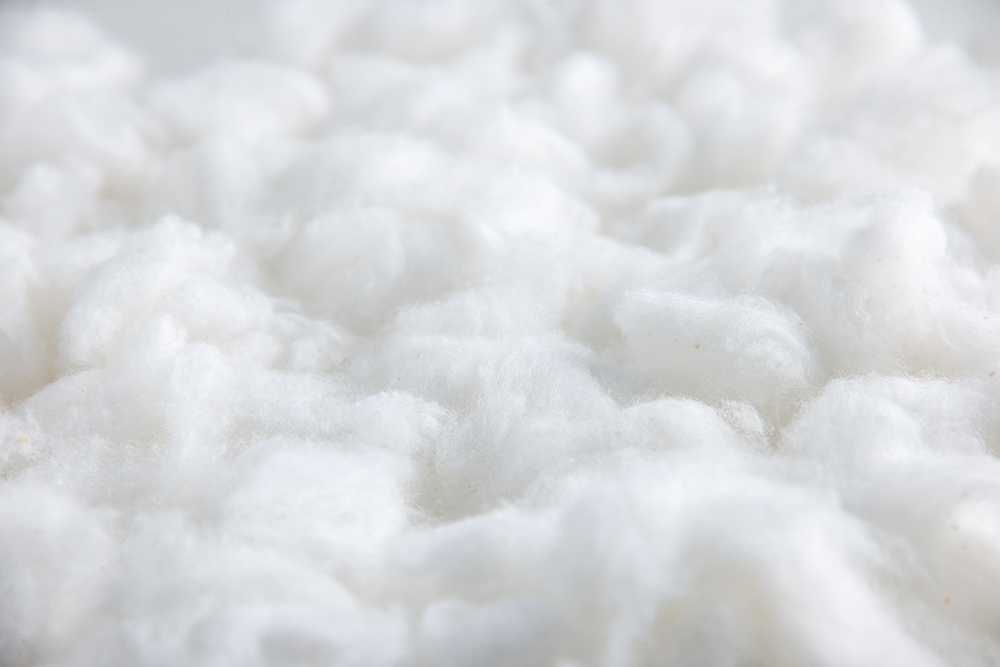
In the honeycomb weaving pattern, pique fabric achieves a quilted texture. There is the use of special looms. Two groups of yarns come into use. One is the warp and the other is the weft.
In the weaving process, these warp and weft threads get alternated. Their alternation creates small bumps on the fabric surface. Bumps happen due to the tight and loose weaving process. The process overall creates a pique quilted texture with features.
The entire process of making this fabric is given below:
Pique uses cotton. Sometimes, it requires a blended version of cotton and polyester. The fabric is lightweight and tough due to these fabrics. The process of manufacturing starts with the selection of appropriate yarns.
These yarns get woven together. The weaving process is done on a loom using the method of warp knitting. In this process, two layers of fabric knit together and create a waffle-like or honeycomb texture.
The next step is dyeing where the fabric gets the desired color using treatments. Dyeing enhances the properties of the fabric. Pique then gets cut and sewn into a couple of products of apparel.
Pique fabric offers a few common types. They are:
Baby Pique: Baby pique is soft and lightweight. The selection of yarns are cotton and polyester blends. This fabric goes through the dobby loom to knit with ribbing patterns.
This fabric is breathable because of its parallel cords. These cords run along its length. Baby Pique is ideal for making baby products- rompers, and dresses. They are convenient to wear during hot summer days.

| Fabric Name | Pique, Marcella |
| Fabric Composition | Cotton, The blend of cotton and polyester |
| Fabric Breathability | High |
| Fabric Durability | High |
| Fabric Washing Temperature | Low Setting |
| Moisture Absorption Ability | High |
| Fabric Color Fastness | High |
| Fabric Shrinkage | Low |
| Fabric GSM (Gram per Square Meter) | Varies between (120-320) |
| Fabric Elasticity | Good |
| Used for | Apparel, Automotive, Upholstery |
Pique fabric is a classic choice and a must have in your wardrobe. It holds a sophisticated look that ensures flexibility. Here are some features that stand pique comparatively.
The Weaving: The fabric comes with a weave similar to cotton yarn features. The weave is popular because of the fine ribbing pattern. It gives the material a close-up texture. Subtle patterns and textures both vary to some extent.
Some of the piques come with cord structures and a few ones with waffle structures. There is also a bird's eye pique weave The waffle structure is also known as honeycomb stitch.
This stitch traces its roots back to France. The name ‘Pique’ is a French term with the meaning of ‘stitched.’ All these textures are different. The difference happens during the manufacturing process. Besides, the textured weave can hide perspiration stains.
Versatile: This material has some excellent qualities. For instance, it is breathable, easily cared for, and long-lasting. The nature of breathability makes the wearer stay cool.
Comfortable for Longer Periods: This is the benefit of using a pique. Pique can stay cool and comfortable. There is an open texture. This texture allows air in the process of circulate throughout the fabric. Also, air circulation helps to regulate the body temperature. Moisture accumulation is also possible because of the texture of this fabric.
Sustainable: Pique is an eco-friendly alternative. It depends on the production and application. Cotton is the material that produces pique. The cotton is not a blended option here. Directly, organic cotton gets used. That is why, the material hardly has any chemicals and waste generation.
Besides, cotton is a biodegradable option that is useful. It degrades naturally without any pollution cause.
Printing: Pique fabric is up for printing. The fabric is favored for screen printing, faultless screen printing, fine print, and others. Printing ensures a smooth surface. This fabric does not fray away. But the fabric offers a high quality to absolutely fine end in the results.
Dobby Loom Attachment: Pique has more advantages compared to similar fabrics. One of the advantages is the dobby loom attachment. This dobby loom makes the fabric breathable. It has a kind of weave that is airy. The loom also makes sure the fabric gets additional ventilation.
The ventilation makes the fabric a comfortable choice for outdoor sports. The ultimate objective is to make the wearer feel comfortable even in the extreme heat.
Less Sweat: Pique has a different texture and weave. Polo shirts, made of pique, tend to hold sweat better than jersey fabrics. This is a huge benefit for Pique.

Pique fabric has the most uses in making polo shirts. Lacoste brand makes the fabric a popular one. That is why the stitch of pique tends to be similar to the name Lacoste. Here are some areas where pique comes into great use. They are-
Taking care of Pique at home with easy instructions is possible. No ironing is needed. However, a cycle of tumble dry keeps the fabric intact. It is also convenient to use a home laundry to remove stains and odors effectively. Wash this fabric in cold water. Gather clothes with similar colors only. If you dry the clothes on the machine, keep the setting low.
Pique is a popular choice for making clothes. Its textured surface and breathable nature make Pique perfect for making polo shirts. However, sewing with pique can be a challenging task. So, here are some tips and tricks:
Pique fabric has a textured ribbing. This cording or ribbing makes the fabric different from other fabrics. Jersey fabrics or products made of jersey materials lack texture. Besides, pique fabric is waffled and woven. One of the appealing matters is their waffle and weave-like structure.
Pique fabric, compared to woven in general, is more breathable. It can be dried, as well as more washable. The main feature precisely would be the texture of the pique. The texture helps customers to recognize the fabric among others. Sometimes, pique is known as pineapple cloth.
Other features that differentiate pique from ordinary woven are the honeycomb pores. These ports remain on the surface of the pique. The pore makes the fabric breathable.
Hardness is better for pique fabric. Pique is usually not robust if the material is cotton. However, the blend of cotton and other fibers may make the fabric a rough or hard one.
It becomes difficult to identify pique and Lacoste fabric. Some argue that both fabrics are derivatives of single jerseys. Pique fabric is completely for sportswear. Pique looks like the alphabet V from the front side. Meanwhile, V letters are there in each wales that go down in rows. The inside of the pique is similar to the face side of the interlock fabric. 90% of polo shirts are pique-made.
However, Lacoste fabric has loops on the face side of the fabric. Lacoste fabric seems to be a beehive. Mostly, they are available in hexagonal shape. Lacoste fabric is not renowned compared to pique. The inside of the Lacoste is similar to the back side of the single jersey fabric.
Pique fabric has both durability and versatility. These features do not make pique less than cotton in any area. The fabric is unique and the structure is woven. The weaving pattern makes it perfect for sportswear, upholstery, and home decor essentials.
The waffle-like texture of pique is mostly common. This structure is the only criterion that separates itself from cotton. Meanwhile, the fabric holds its strength and resilience to be a practical option for everyday wear.
 Toimialan näkemykset
7 vinkkiä joustinneulekankaan hoitoon
READ MORE Manufacturer Insights
Custom Knit Fabric Development for Apparel Brands: From Brief to Approved Sample
READ MORE Tekninen osaaminen
Waffle Knit Fabric Shrinkage: What Apparel Brands Need to Know
READ MORE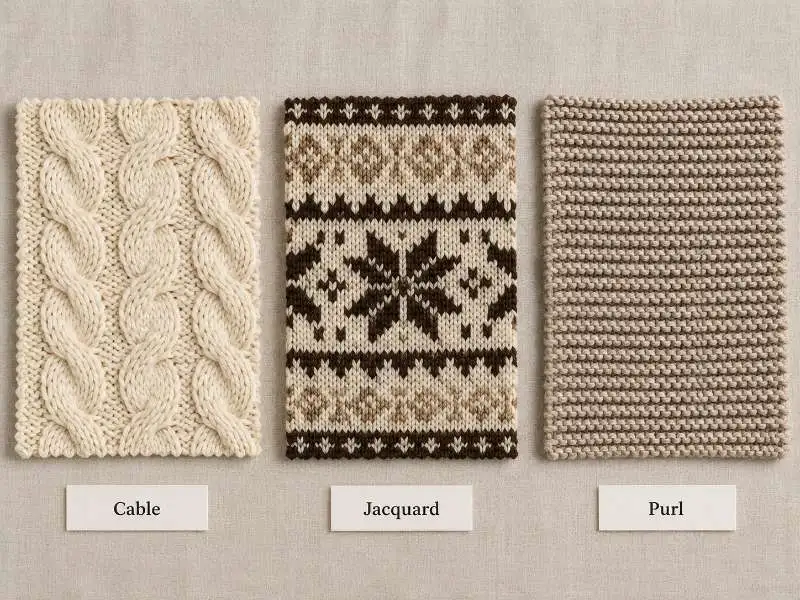 Sourcing Guide
Best Fabrics for Sweaters: Cable, Jacquard and Purl Knit Compared for Bulk Production
READ MORE Kangas
Rib Fabric: Adding Texture and Dimension to Your Garments
READ MORE